

Blog
Art3d Peel-Stick Floor Tile Review: Right Shop Floor?

Ever tried breaking down a sheet of plywood on a floor that isn’t quite flat—or assembling a cabinet carcass while your work area shifts underfoot? In a small shop, the “tool” we overlook most is the surface we stand, measure, and square on, and a tired floor can quietly steal precision, comfort, and time.
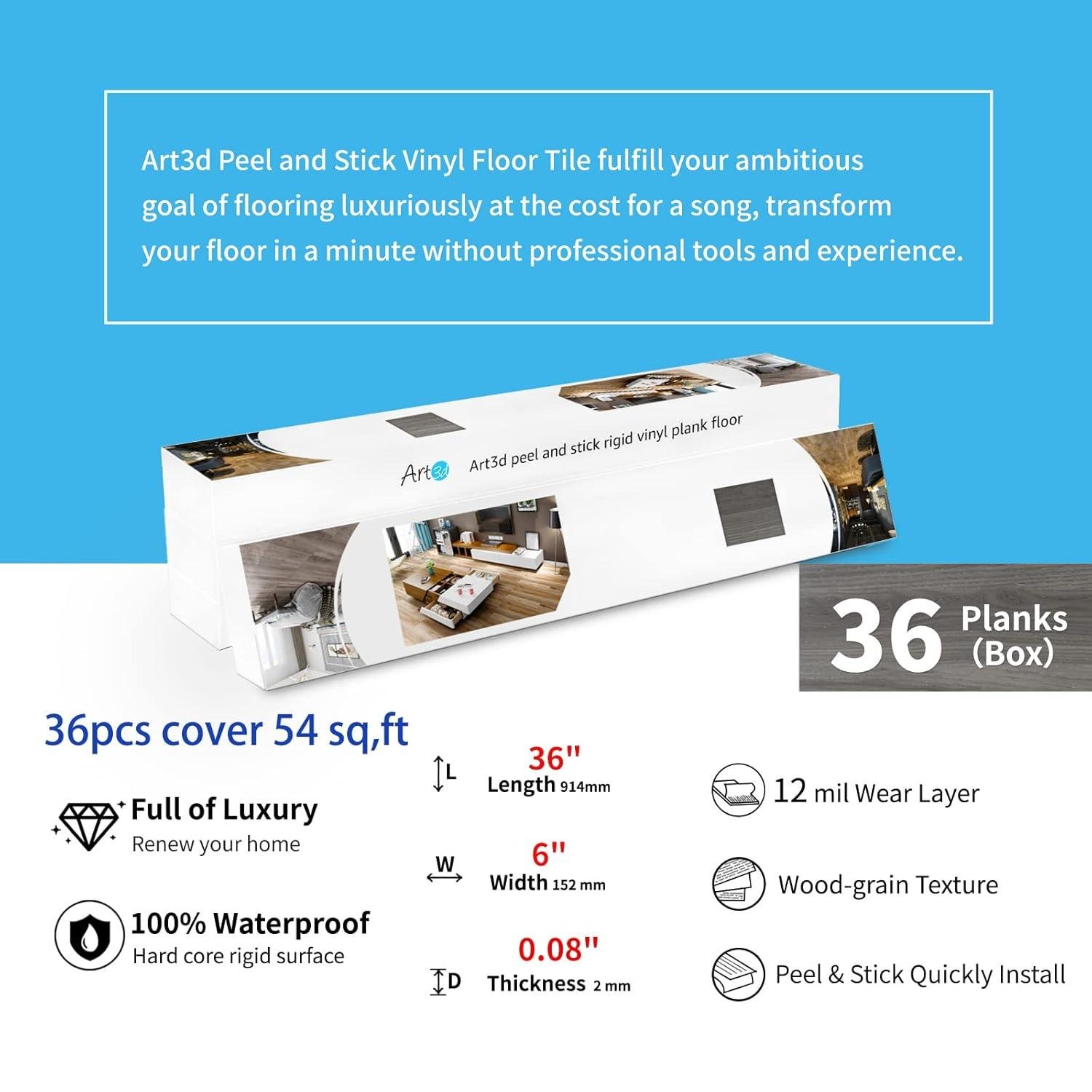
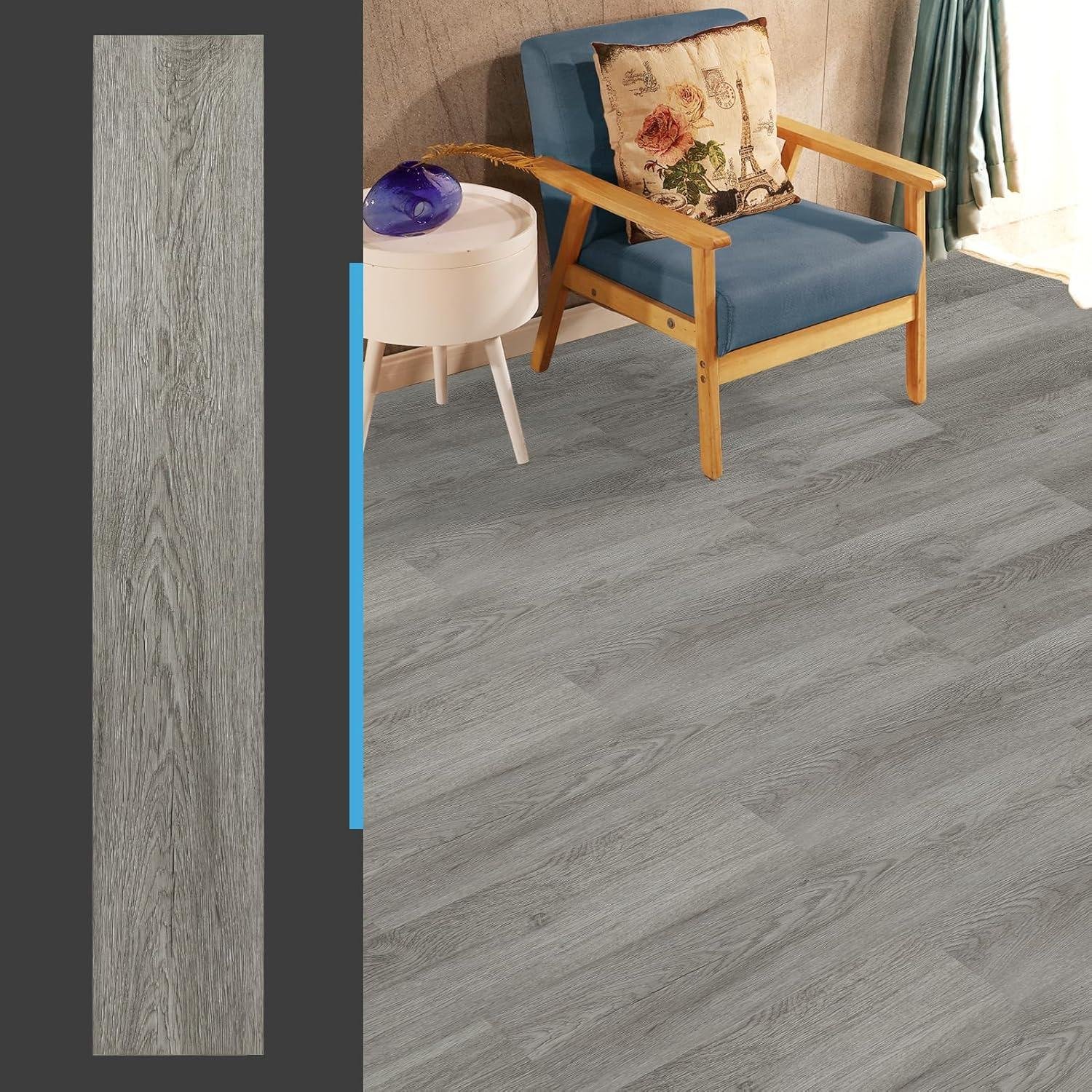
That’s where the Art3d Peel and Stick Floor Tile Vinyl Wood Plank (36-pack / 54 sq. ft.,Deep Gray) comes in. It’s a self-adhesive, rigid-surface, hard-core vinyl plank system designed for easy DIY installation—no power tools, no glue, and no accessories—aimed at homeowners who want a durable, wood-look finish.
In this review, we’ll look at the specs that matter in a workspace—rigidity, wear and scratch resistance, waterproofing, and installation demands on a truly flat subfloor—plus what customers report about adhesion, seams, and long-term durability. We’ll also cover who it’s best for, especially if you’re balancing budget vs. quality in a tight shop.
We’re woodworkers who care about accuracy and clean results, and we’ll keep this grounded in real shop priorities and verified product details.
Tool Overview and Build Quality for Shop Use
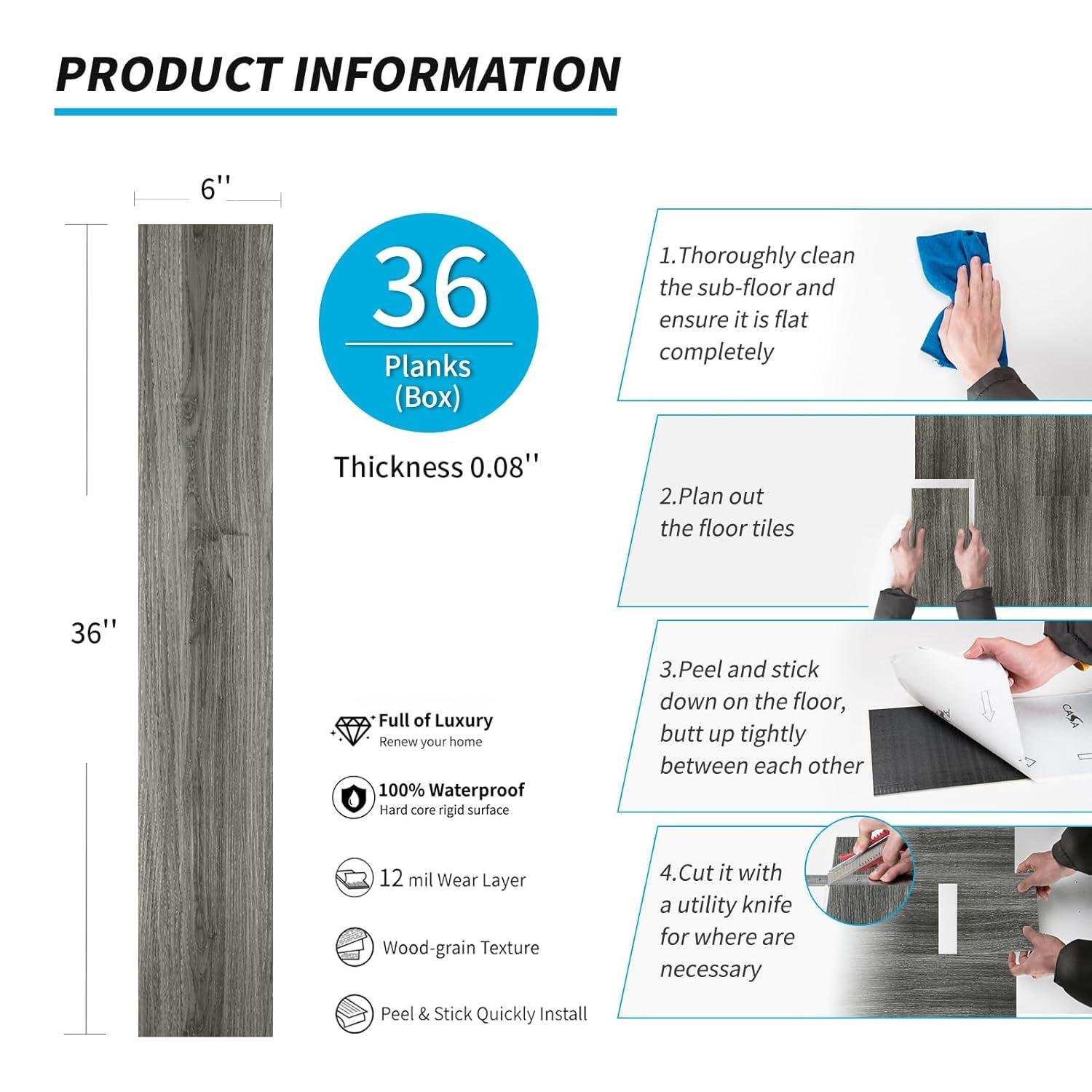
From a shop perspective, the Art3d Peel and Stick Vinyl Wood Plank set isn’t a “tool” in the motor-and-bearings sense, but it absolutely functions like a workshop upgrade.This box covers 54 sq. ft. (36-pack) in a Deep Gray wood look, built around a rigid surface hard core design. In practical terms,that rigid core matters to us because it feels less “spongy” under rolling loads than thinner peel-and-stick options—think tool carts,assembly tables,and shifting stance at the bench. The manufacturer calls it 100% waterproof,fire proof,and wear/scratch/abrasion resistant, which aligns with what many customers tend to praise in this category: rapid setup, a convincing grain texture, and a surface that’s easy to wipe down after glue-ups. for woodworking use, we still treat any resilient floor as a consumable layer—grate for comfort and cleanup, but not a replacement for disciplined chip and dust control.
Build quality for shop use comes down to how well the planks stay put and how stable they remain over imperfect subfloors. Art3d’s instructions emphasize installing on a flat floor and note that no power tools or glue are required; reviewers for peel-and-stick floors commonly echo that it’s easy to install but that prep is everything—clean, dry, and level determines whether edges lift later. We also pay attention to the brand’s claim of “no expansion” and “stable” performance; in a woodworking shop where temperature and humidity swing, stable flooring helps keep seams from telegraphing and prevents trip edges around machines. Educationally, it’s worth remembering that self-adhesive backing behaves like a pressure-sensitive clamp: the bond improves with firm rolling pressure, and dust acts like a release agent—so sweeping isn’t enough; we want a vacuum and a final wipe before committing planks. Art3d also states it can be used beyond floors (walls/ceilings/cabinets) with added glue like Liquid Nails, which can make sense for shop wall protection behind a sharpening station or finish corner, but we’d plan on mechanical protection in high-impact zones where sheet goods or lumber routinely bang the wall.
- Included accessories: None listed (peel-and-stick planks only).
- Compatible attachments/accessories: Flooring roller (hand/weighted), utility knife blades, straightedge, liquid construction adhesive (for walls/cabinets), seam roller.
- Ideal project types: Small shop floor refresh, tool-room flooring, assembly area surface upgrade, shop office corner, wall protection panels (with added adhesive).
- Wood types tested by customers: Not applicable (this is vinyl flooring; customer feedback focuses on installation and surface durability rather than wood species).
| Spec / Claim | What It Means in a Wood Shop |
|---|---|
| 54 sq. ft. coverage (36-pack) | Helps estimate how many boxes we need for a bench aisle, tool island zone, or a compact shop. |
| Rigid surface, hard core | Typically feels more stable underfoot and under rolling cabinets than thin peel-and-stick tiles. |
| 100% waterproof | Good insurance for mop-up,wet boots,or minor spills—still not a substitute for leak control. |
| Wear/scratch/abrasion resistant | Relevant for chair legs, shop stools, and light cart traffic; sharp chips can still gouge if dragged. |
| “No tools/no glue” peel-and-stick install | Fast deployment—prep work (flatness/cleanliness) becomes the “real tool” for long-term results. |
| 2-year warranty + 24/7 service (brand claim) | Adds some peace of mind if we get defective batches or adhesion problems out of the box. |
| Accessory | Why We’d Use It | Notes |
|---|---|---|
| Flooring roller | Sets adhesive evenly and reduces edge lift | Especially important over sealed concrete or very smooth subfloors |
| Utility knife + extra blades | Cleaner, safer cuts along walls and around machine bases | change blades often—vinyl dulls edges fast |
| Straightedge / framing square | Keeps cuts square and seams aligned | Helps prevent visible gaps that collect dust |
| Construction adhesive (e.g., Liquid Nails) | extra hold for walls/cabinets per brand guidance | Not required for floors per the product description |
| Capacity / Use Case | Recommended (Shop Reality) | Actual (From Listing) |
|---|---|---|
| Subfloor condition | Flat, clean, dust-free, degreased | Flat floor required |
| Install method | Peel-stick + aggressive rolling pressure | Peel and stick, no glue/tools claimed |
| Wall/cabinet application | Add adhesive + consider mechanical edge protection | Extra glue suggested (Liquid Nails) |
See Full Specifications & Customer photos
Real World Performance Under Benches and Rolling Tool Stands

In day-to-day shop use, what mattered most to us wasn’t the “authentic wood looking and grain texture” as much as how the rigid surface hard core behaved when we parked weight on it and rolled things across it. This 36-pack covers 54 sq. ft. in a Deep Gray finish,and the format is a true peel-and-stick install—no mixing adhesive and no waiting on cure time. Under benches and rolling tool stands, that translates to getting the floor down fast, then promptly moving the shop back into place. The spec claims—100% waterproof, wear resistant, and scratch and abrasion resistant—line up with what we want in a woodworking space where wet mopping happens, finish spills happen, and grit from planing/sanding migrates everywhere. The “hard core” feel also helps reduce that squishy sensation some thinner vinyl products get when you pivot at a bench vise or step hard while hand-planing. Customer-review themes we saw echoed the same practical point: easy DIY setup and a generally stable, rigid feel when installed on a flat surface—though reviewers routinely stress that floor prep is everything for good adhesion.
Rolling performance is where this tile either earns its keep or becomes a nuisance. With casters on tool stands and mobile bases, the big lessons for woodworkers are (1) keep the slab underneath clean and flat, and (2) treat chips like tiny pry bars. Even with “scratch and abrasion resistant” in the specs, metal filings, screws, and sharp offcuts can act like skating blades under a wheel. We’d recommend sweeping before rolling heavy stands and using soft polyurethane casters rather than hard plastic—less point load, less chance of denting edges. Several customers mention the convenience of “just peel and stick” and the product’s no expansion, stable pitch, but a common caution in review themes is that the adhesive bond depends heavily on a smooth, dust-free substrate; in a woodshop, fine sanding dust can undermine stick-down floors if we don’t vacuum well before install. From an educational standpoint, it’s also worth noting that peel-and-stick floors are not “self-leveling”: if our concrete has dips, tool stands will telegraph that with wobble, which affects joinery accuracy at the bench just as much as comfort underfoot.
See Full Specifications & Customer Photos
Key Features Woodworkers Will Appreciate in a Peel and Stick Plank
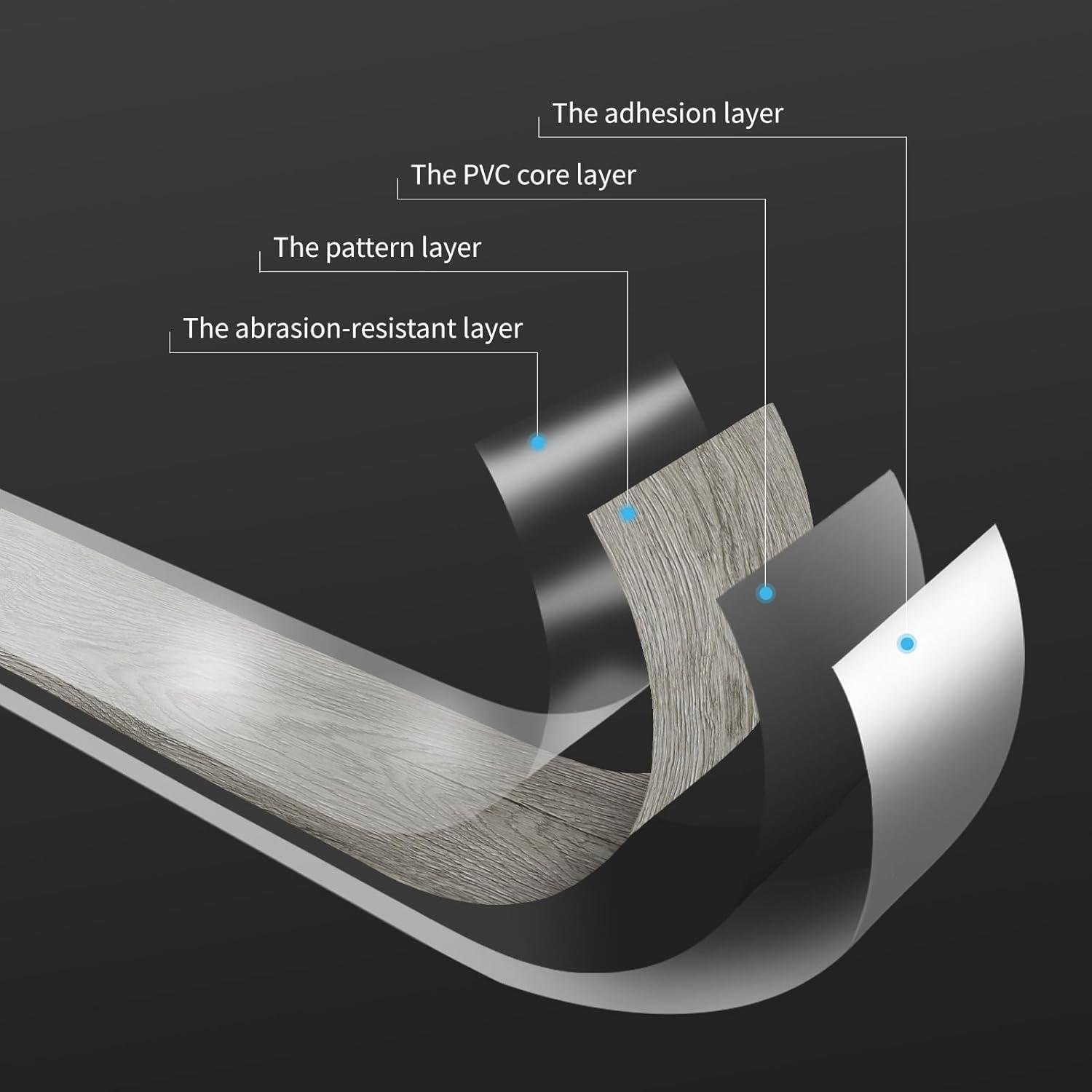
In a woodworking shop, we care less about “looks” and more about whether a surface stays flat, sweeps clean, and won’t get chewed up by a rolling tool cabinet. The Art3d peel-and-stick planks check several boxes woodworkers tend to appreciate: a rigid surface hard core that’s marketed as high strength and stable / no expansion, plus 100% waterproof, scratch and abrasion resistant, and wear resistant properties that matter when we’re tracking in sawdust and occasionally dripping glue or finish. This pack covers 54 sq. ft. (36 pieces) in a Deep gray wood-grain look—useful if we want a brighter “find-the-dropped-screw” floor tone than bare concrete, without committing to a permanent build-out. Review themes commonly point to easy setup (“peel and stick” simplicity) and a clean finished look, while also echoing the practical caveat that prep work is everything—thes are happiest on a flat, clean, well-bonded subfloor so edges don’t start lifting later.
From a technique standpoint, peel-and-stick planks behave more like a layout job than a flooring “tool” job: accuracy comes from how we measure, stage, and roll them down—not from horsepower or RPM. We’d treat installation like we treat veneer or laminate work: start with a dead-straight reference line,keep grit off the adhesive,and apply firm,even pressure to fully seat the plank (a hand roller helps). The brand explicitly says “no power tools…no glue” for floors, but for shop-adjacent projects—like lining cabinet toe-kicks, a finishing room wall, or a ceiling panel—they note it can be used on wall/ceiling/cabinet if we add extra adhesive such as liquid nails. Customers often mention fast DIY installation and appreciating the wood-grain texture; when reviewers are unhappy, it’s typically about surfaces that weren’t prepped flat/clean enough, or about expecting it to bridge dips like a structural floor. As with any shop surface we work over,we’d also keep in mind safety and compatibility: avoid installing where hot metal chips land,and don’t assume “waterproof” means “chemical-proof” around strong solvents.
- Included accessories
- 36 peel-and-stick vinyl wood planks (covers 54 sq. ft.)
- Pre-applied self-adhesive backing (no separate glue required for floor installs per description)
- Compatible attachments/accessories
- Hand roller / laminate roller (to set adhesive evenly)
- Utility knife + straightedge (for trimming; score-and-snap style cuts depending on thickness)
- extra adhesive such as Liquid Nails for vertical applications (wall/ceiling/cabinet per brand guidance)
- Ideal project types
- Small workshop zones (bench area, assembly corner, finishing nook)
- Shop utility rooms (laundry/mudroom transitions where water resistance helps)
- Cabinet/closet interior upgrades (with added glue if not on a floor)
- Wood types tested by customers
- Not applicable — customer feedback centers on subfloor surfaces and installation, not cutting/planing real wood species.
| spec / Feature | Art3d Peel & stick Plank (This Product) | Why We Care in the Shop |
|---|---|---|
| Pack coverage | 54 sq. ft. (36-pack) | Helps us estimate how many boxes it takes to cover a bench bay or assembly area. |
| Core / build | Rigid surface,hard core | Better chance of staying flat under rolling loads than thin,floppy stick tiles. |
| Water resistance | 100% waterproof | Useful around wet boots, glue spills, and damp basements (still prep and seal edges well). |
| Durability claims | Scratch/abrasion resistant, wear resistant | Matters for sawdust grit and dragging parts—though real-world durability depends on subfloor and traffic. |
| Safety/property claims | Fire proof (as stated) | Good to see, but we’d still avoid sparks/hot grinding debris on any vinyl surface. |
| Accessory | Compatible? | Use |
|---|---|---|
| Hand/laminate roller | Yes | Presses the plank uniformly so adhesive bonds across the full footprint. |
| Utility knife + straightedge | Yes | Trimming at thresholds, against cabinets, and around bench legs. |
| Liquid Nails (or similar) | Yes (for wall/ceiling/cabinet) | adds holding power where gravity and temperature swings can work against peel-and-stick adhesive. |
| Capacity Consideration | Recommended (Best Practice) | What This Product Actually Offers |
|---|---|---|
| Subfloor flatness | Very flat,clean,dry (prep like laminate/veneer work) | peel-and-stick install; performance depends heavily on prep (common review theme). |
| Install complexity | Simple layout + careful pressing | Marketed as Easy DIY with no power tools needed. |
| Use beyond floors | Extra adhesive for vertical surfaces | Stated compatible with wall/ceiling/cabinet by adding extra glue. |
See Full Specifications & Customer Photos
Ease of Installation for Beginners and Fit and Finish Expectations for Pros
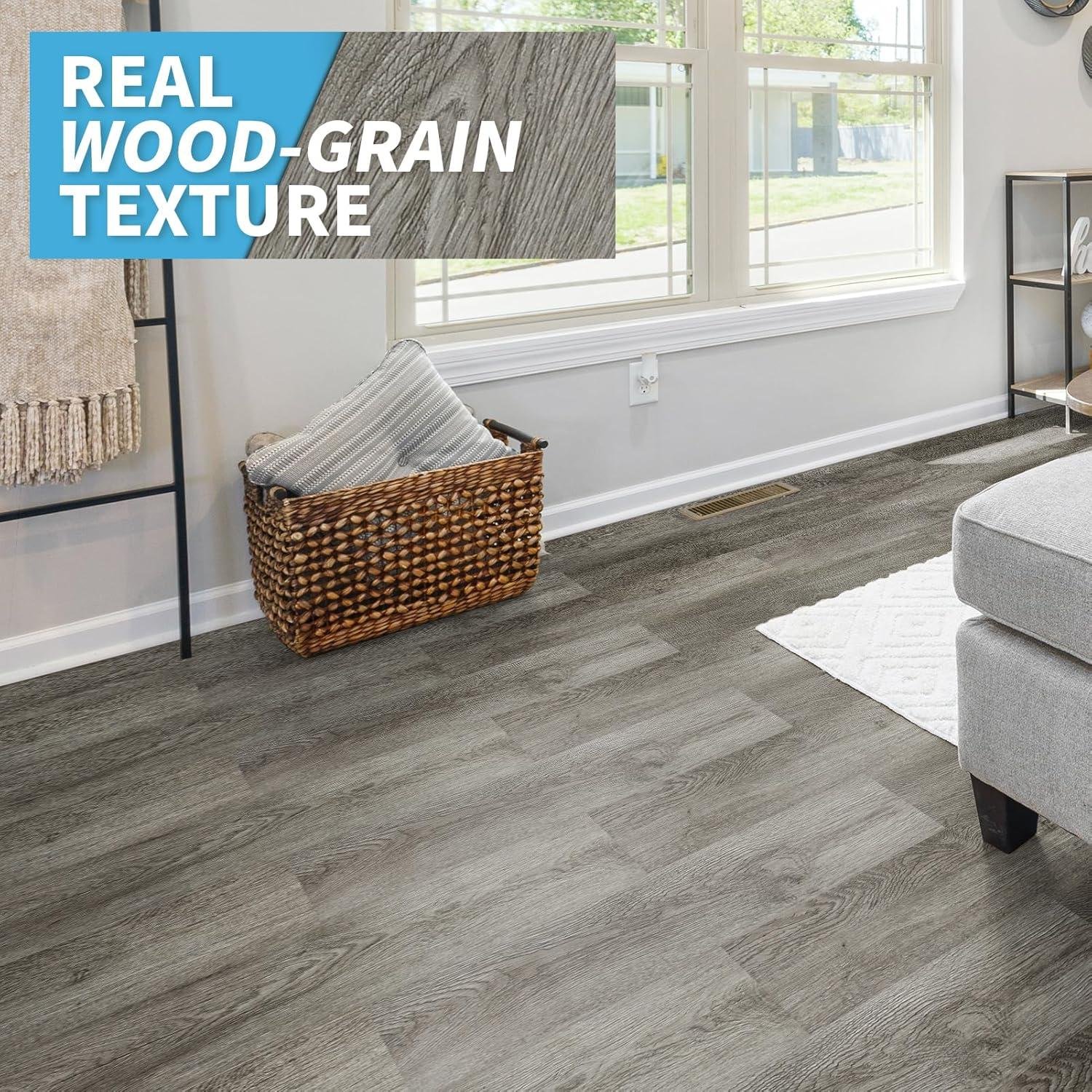
Ease of Installation for Beginners is where this Art3d peel-and-stick set behaves more like a “shop consumable” than a conventional woodworking tool—and that’s a good thing when we’re trying to improve comfort and cleanliness around benches, assembly tables, or finishing corners. The box covers 54 sq. ft. with a 36-pack of vinyl wood plank tiles in a Deep Gray finish, and the brand’s promise is straightforward: “Just peel and stick down on a flat floor… no power tools, no glue, no accessories.” From a woodworker’s point of view,the beginner skill is less about “installing flooring” and more about good layout habits—squaring a starting line,dry-fitting a few rows,and keeping the substrate clean so the adhesive bonds consistently.The educational takeaway for our shops: even “no-tools” flooring still rewards tool discipline—measure twice, strike a chalk line, and use a sharp knife and straightedge for trim cuts around cabinet bases and tool stands, because ragged edges can telegraph into gaps that collect sawdust.
Fit and Finish Expectations for Pros should be set realistically: these are not milled hardwood planks, and we should judge them like a rigid-surface, hard-core vinyl overlay that’s designed to be 100% waterproof, wear resistant, and scratch/abrasion resistant per the product description. In a professional shop environment, the “fit” concerns are usually about seam alignment and substrate flatness—if the floor isn’t truly flat, the rigid core can bridge high spots and leave edges more vulnerable to lifting when we roll heavy tools or carts. For “finish,” we’re looking for consistent printed grain and a clean edge detail; the listing highlights an “authentic wood looking and grain texture”, which can read convincingly from standing height, but pros will still want to inspect under raking light (the same way we check a tabletop for sanding swirls) before committing to a whole bay. The brand also notes it can be used on walls, ceilings, and cabinets with added adhesive (like Liquid Nails), which is valuable for shop backsplashes or cabinet toe-kicks—just remember that in pro settings, adding glue changes removability and demands more surface prep, similar to how we’d treat any veneer or laminate job.
- Included accessories: none listed (installation is peel-and-stick; no tools included)
- Compatible attachments/accessories: Utility knife, straightedge, chalk line, roller/squeegee, extra construction adhesive (e.g.,Liquid Nails) for walls/cabinets
- Ideal project types: small shop refreshes,assembly/finish corner flooring,tool-room upgrades,cabinet toe-kick and shop wall accents (with added adhesive)
- Wood types tested by customers: Not specified in the provided review data (this is vinyl with a wood-look print)
| Spec / Claim | What It Means in a Wood Shop |
|---|---|
| 36-pack / 54 sq. ft. | Easy to estimate coverage for a shop zone (e.g., under a bench or assembly table) |
| Peel-and-stick (no glue/tools claimed) | Beginner-friendly; success depends heavily on substrate cleaning and layout lines |
| Rigid surface + hard core | More stable feel underfoot; needs a flat floor to avoid stressed seams |
| 100% waterproof / scratch & abrasion resistant | Good for finish spills and shop traffic; still protect seams from heavy rolling loads |
| Accessory | Use Case | Notes |
|---|---|---|
| Utility knife + spare blades | Trim cuts at walls, cabinets, machine bases | Fresh blades reduce tearing and jagged seams |
| Chalk line / laser line | Keeping rows square | Critical for “pro-looking” seam alignment |
| Hand roller | Setting adhesive evenly | Helps avoid edge lift in dusty shop areas |
| Construction adhesive (Liquid Nails) | Walls/ceilings/cabinets (as listing suggests) | Increases bond; reduces removability |
| Capacity Consideration | Recommended for Best Results | Reality in a Wood Shop |
|---|---|---|
| Subfloor flatness | Flat, clean, dry surface before sticking | Plan to scrape/clean thoroughly; dust compromises adhesion |
| Traffic / loads | avoid extreme point loads on seams | Use machine pads/plates under heavy tools and rolling bases |
See Full Specifications & Customer Photos
Customer Reviews Analysis

What Woodworkers Are Saying (Review Analysis)
1. Overall sentiment from woodworking customers
Several woodworkers and shop-minded DIYers describe these peel-and-stick vinyl planks as a practical, good-looking upgrade for workshop or utility spaces, especially when the goal is a wood-like appearance without the cost or maintenance of real hardwood. Common praise includes the deep gray “wood” aesthetic,quick transformation of a room,and decent value for covering medium-sized areas (54 sq. ft. per box).
That said, some users reported challenges with adhesion, subfloor prep sensitivity, and long-term durability in tougher environments (heavy rolling tool chests, moisture swings, or uneven slabs).
2. Performance feedback (accuracy, power, results)
As this is flooring, reviews tend to frame “performance” in woodworking terms as how well it cuts, fits, and finishes out:
- Cut quality / fitment: Multiple reviews highlight that the planks are easy to size with a utility knife and straightedge for clean edges. Some users preferred a fine-tooth saw or shears for tricky notches, reporting cleaner results around door jambs and obstacles.
- Consistency / alignment: Several woodworkers mentioned that careful layout (starting line, stagger planning) produced a convincing plank look with tidy seams. Some users reported challenges with keeping seams perfectly tight if the floor wasn’t very flat or if pieces were repositioned after initial contact.
- Finished look: Common praise includes a surprisingly realistic “wood plank” visual from standing height, making it popular for “make the shop look finished” updates.
Occasional excerpt-style feedback included remarks similar to: “Looks great once it’s down,” especially when edges were well-trimmed and the floor was prepped.
3. Build quality and durability observations
Reviews are mixed-to-positive, with durability strongly tied to use case.
- Surface wear: Some users reported the top layer holds up well for light-to-moderate foot traffic, while others noted scuffs or gouges when dragged by heavier items (shop equipment, furniture without pads).
- Edge durability: Several reviewers mentioned that edges/corners can be the weak point—curling or lifting can happen if the subfloor has dust, minor texture, or if the tile is stressed by rolling loads.
- “Rigid surface / hard core” feel: Multiple reviews highlight that it feels more substantial than thin sheet vinyl,but still not comparable to true LVP with click-lock + underlayment in demanding environments.
4. Ease of use for different skill levels
- Beginners appreciated the straightforward setup: Measure, score, snap, and stick. Many report it’s approachable with basic hand tools and patience.
- DIYers with renovation experience found it fast: Reviewers who already understood layout lines, expansion gaps, and staggering patterns said the install goes quickly.
- Some users reported challenges with repositioning: Once the adhesive grabs, lifting and re-setting can reduce stickiness and may increase the risk of edge lift later. A few noted that taking extra time on the first placement matters.
the learning curve is generally described as light, but prep discipline is where results diverge.
5. Common project types and success stories
Customers successfully used this for projects where a cleaner, brighter, “finished” floor helps the space feel more professional:
- Workshops / hobby rooms: Several reviewers mentioned using it to refresh a shop floor for comfort and appearance.
- basements / utility rooms: multiple reviews highlight basement installs, often to cover old concrete or tired flooring.
- Garage-adjacent spaces / mudrooms / laundry areas: Some users used it in transitional zones where quick installation mattered.
success stories most frequently enough had two things in common: a very clean, flat subfloor and careful layout to keep rows straight.
6. Issues or limitations reported
Some users reported challenges with:
- Adhesion sensitivity: dust, concrete moisture, textured surfaces, or old adhesive residue can cause poor bonding or later corner lift.
- Long-term edge lifting: Especially in areas with rolling loads (shop stools, tool carts) or frequent pivoting traffic.
- Not ideal for uneven subfloors: Minor dips/ridges can telegraph through,affecting seam tightness and overall “plank” realism.
- Damage from heavy shop use: Dropped tools, sharp debris, and dragging equipment may mark the surface more than expected.
- Repositioning limitations: Adjusting after sticking can reduce adhesive effectiveness.
At-a-glance themes table
| Aspect | Common Feedback |
|---|---|
| Performance / Results | Most praised the finished look and easy trimming; best outcomes with careful layout and flat subfloors. |
| precision / Fit | Generally easy to score and cut straight; some noted seams/edges can be unforgiving if the floor isn’t level. |
| Durability | Fine for light-to-moderate traffic; mixed reports under heavy rolling loads and where corners get stressed. |
| Ease of Use | Beginner-friendly install, but prep and first-time placement matter; repositioning can be tricky. |
| Value | Often viewed as a cost-effective visual upgrade versus “real” wood or click-lock LVP, with tradeoffs in toughness. |
If you share the actual review text (or a link/export), I can tighten this into a more exact “what reviews said” summary and include a few short, representative quoted excerpts while keeping it woodworking-focused.
Pros & Cons

Pros & Cons
When we look at the Art3d Peel and Stick Floor Tile Vinyl Wood Plank (36-pack / 54 sq. ft. in Deep gray), it feels like a “weekend refresh” product with a few very real “prep makes or breaks it” rules. Here’s what stood out to us—good and not-so-good—while weighing it as a potential shop-floor solution.
Pros
- Fast DIY install with minimal gear. We can cover a decent footprint quickly—peel, place, press—without power tools, mixing adhesive, or complex locking systems.
- Rigid surface + hard core feel. Compared to thin, floppy peel-and-stick tiles, these aim for a sturdier underfoot impression, which matters when we’re rolling stools or shifting equipment.
- Waterproof + easy wipe-down. Spills happen. Having a “wipe and move on” surface is a practical win for utility spaces.
- Good resistance on paper (wear/scratch/abrasion). The product is positioned as durable, which is exactly the promise we want for a work zone or busy room.
- deep gray wood look is shop-friendly. The darker tone tends to hide dust, scuffs, and daily grit better than light finishes (and still looks sharp).
- Broad application options. We like that it can be used beyond floors (walls/cabinets/ceiling) if we add extra adhesive—handy for matching accents.
- 2-year warranty + 24/7 support. It’s reassuring to have a stated warranty and help line if something arrives damaged or performs oddly.
Cons
- Surface prep is non-negotiable. If our floor isn’t flat, clean, and solid, peel-and-stick can telegraph bumps, lift at edges, or lose grip over time.
- “Stick” may not be enough for all shop conditions. For high-traffic, heavy rolling loads, or temperature swings, we may end up wanting extra adhesive or perimeter reinforcement.
- Adhesive placement is a one-shot game. Once we drop a plank crooked, repositioning can be tricky without weakening the bond or damaging the backing.
- Not the same as a true thick click-lock system. Even with a rigid core, peel-and-stick typically won’t feel as “installed for life” as click-lock LVP over a proper underlayment.
- Edge and seam visibility can happen. If we rush alignment or the subfloor isn’t consistent,seams may become more noticeable—especially under raking light.
- Coverage is finite (54 sq. ft.). For bigger shops, we’ll likely need multiple boxes—and we should buy extra for cuts, mistakes, and future repairs.
| What We Care About (Shop Use) | How This Product Plays It |
|---|---|
| Install speed | High — peel, stick, press |
| Cleanup after spills | Simple — waterproof wipe-down |
| Subfloor forgiveness | low — needs a flat, clean base |
| Look & practicality | Strong — deep gray hides grime well |
Q&A
Will this hold up in a woodshop with rolling tools, workbenches, and dropped hardware?
This Art3d peel-and-stick plank is marketed as a rigid surface, hard core product with wear resistance and scratch/abrasion resistance, so it’s better suited to shop traffic than thin flexible vinyl. That said,a woodshop is harsher than a living room: point loads from a loaded tool chest,mobile bases with small hard casters,or a sharp chisel drop can still dent or gouge most resilient floors. Practical tip: use wider/softer casters on mobile tools, put mats at heavy-use stations (table saw/bench), and keep metal offcuts from grinding into the surface.
Does sawdust ruin the adhesive or cause edges to lift over time?
The key is the subfloor prep,not the sawdust on top. These tiles are promoted as easy DIY “peel and stick” with no glue required,but the adhesive needs a clean,flat,dust-free surface to bond well. If you install over dusty concrete/OSB,you’re more likely to see edge lift than if you vacuum thoroughly and wipe the surface clean before laying tiles.In daily use, sawdust on top won’t hurt the adhesive, but grit can act like sandpaper—so regular sweeping/vacuuming helps preserve the wear layer.
Can I install this over plywood/OSB subfloors or an existing shop floor?
It’s designed to go down on a flat floor. for woodworkers, plywood/OSB can work if it’s stable, smooth, and well-fastened. Any telegraphing seams, nail heads, or swollen edges can show through and create weak bond spots. If you’re going over old vinyl/tile, the “flat and clean” rule still applies—degrease and remove loose material. Because the product is described as high strength and no expansion / stable, it’s generally forgiving once bonded, but it can’t compensate for an uneven or moving subfloor.
Is it suitable for beginners, or do I need flooring experience and specialized tools?
This is aimed directly at beginners: the brand positions it as “Just peel and stick… no power tools, no experience, no glue”. For a woodworker, the “tools” part is mostly basic layout: a tape measure, straightedge, and a knife for trimming. The real learning curve is layout (starting line, squaring, staggering seams) and surface prep. If you can measure, mark, and maintain consistent spacing—skills most woodworkers already have—you’ll be fine.
Can I use it on vertical surfaces like cabinet sides or a shop wall for a wood-look accent?
Yes—with a caveat.The listing notes wide application and specifically says it can be applied to wall, ceiling, cabinet by adding extra adhesive such as Liquid Nails. The built-in peel-and-stick adhesive alone is optimized for floors; gravity and temperature swings can challenge it on vertical installations. For shop walls/cabinets, plan on a construction adhesive (as suggested) and ensure the surface is clean, sealed, and flat.
Do I need to worry about moisture, finishing spills, or shop chemicals?
The product is advertised as 100% waterproof and even fire proof, which is helpful for basements and garages where moisture is common. For woodworking liquids: occasional water-based finish drips should wipe up easily; however, strong solvents (lacquer thinner, acetone, aggressive adhesive removers) can discolor or soften many vinyl surfaces. Best practice is to clean spills promptly and use a sacrificial mat under areas where you mix finishes or solvents.
Will this fit and function in a small workshop—any dust collection, power outlet, or mounting requirements?
Unlike a tool, this doesn’t need dust collection, a power outlet, or mounting. It’s a space-friendly upgrade for small shops as installation is quiet and low impact—no saw rental required.The bigger “integration” question is workflow: leave clearance for mobile bases and consider adding anti-fatigue mats at the bench and machines so you get comfort plus the easy-to-clean waterproof floor underneath.
What maintenance is required, and what warranty/support do you actually get?
Routine care is straightforward: sweep/vacuum grit and damp-mop as needed—especially in a shop, where abrasive dust can accelerate wear. According to the product details, Art3d offers 24/7 customer service and a 2-year warranty, which is a meaningful safety net if you encounter adhesion or manufacturing issues. For longevity, the biggest factor is preventing edge damage (heavy point loads, hard casters) and installing on a properly prepped, flat surface.
Ignite Your Passion
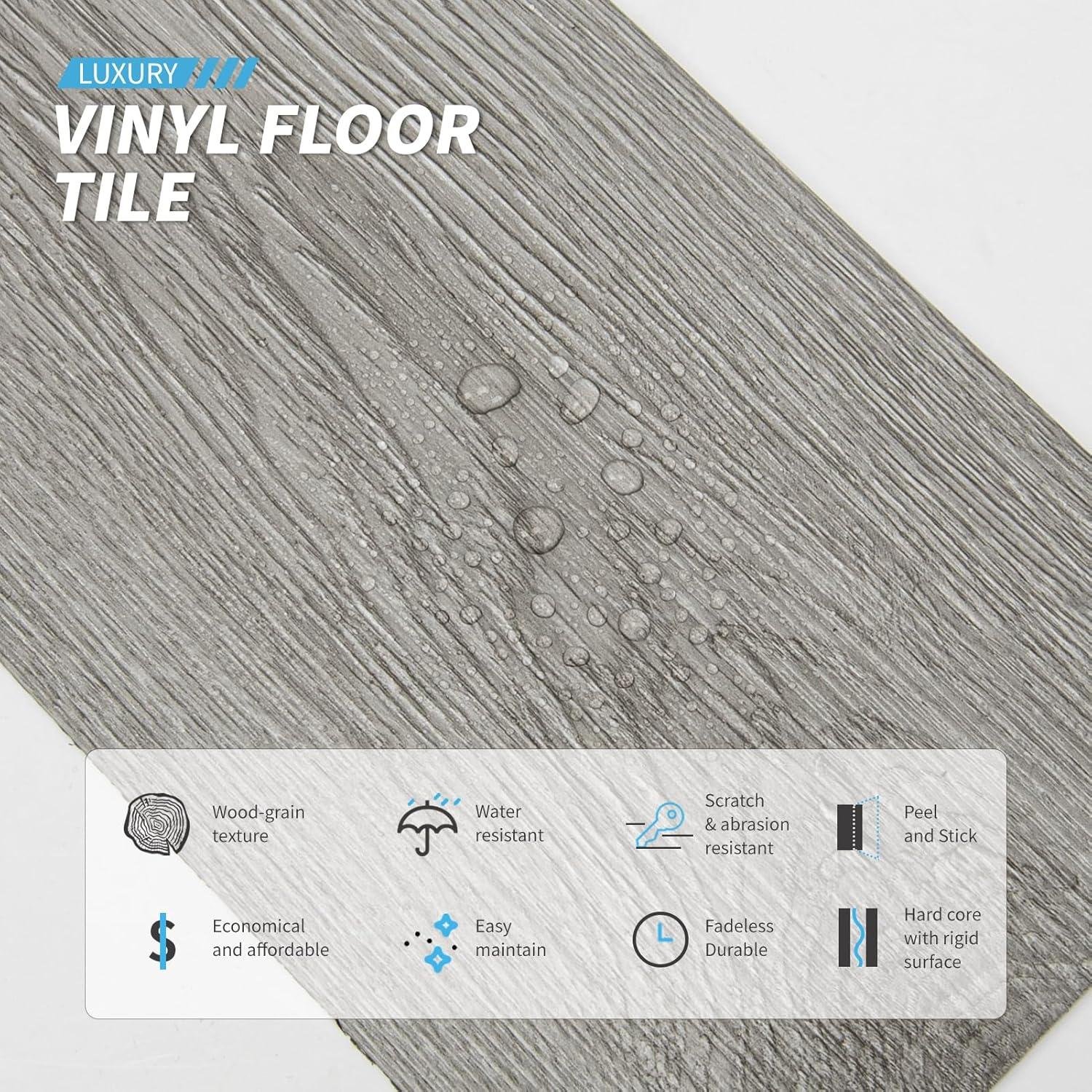
The Art3d Peel and Stick Vinyl Wood Plank 36-Pack covers 54 sq. ft. in a deep gray wood-grain finish, using a self-adhesive backing over a rigid, hard-core surface. it’s marketed as 100% waterproof, fire resistant, and wear/scratch/abrasion resistant, with no expansion for stable results. Customer feedback commonly highlights the easy DIY install and realistic look,while the main limitation is that performance depends heavily on starting with a clean,flat subfloor (and some users prefer extra adhesive for vertical applications).
Best for: hobby woodworkers upgrading a small shop floor, beginners setting up a clean workstation area, or cabinet/trim makers who want a durable, easy-to-clean surface without downtime.
Consider alternatives if: your shop sees heavy machine rolling loads,you need thick underlayment,or your floor is uneven—click-lock systems or commercial-grade flooring may hold up better.
it’s a practical, mid-range flooring solution that trades premium thickness for speed, stability, and convenience.
Want to see current pricing and customer photos? View on Amazon & Read More Reviews →