

Blog
Metabo HPT NP35A Pin Nailer Review: Right for Us?

Ever tried to tack on delicate trim or a tiny molding strip, only to split the wood, leave a crater‑sized nail hole, or watch the piece creep out of alignment just as the glue starts to grab? In cabinet work and small-scale projects, precision matters—and so does using a fastener that won’t punish your surface prep with extra filling and sanding.
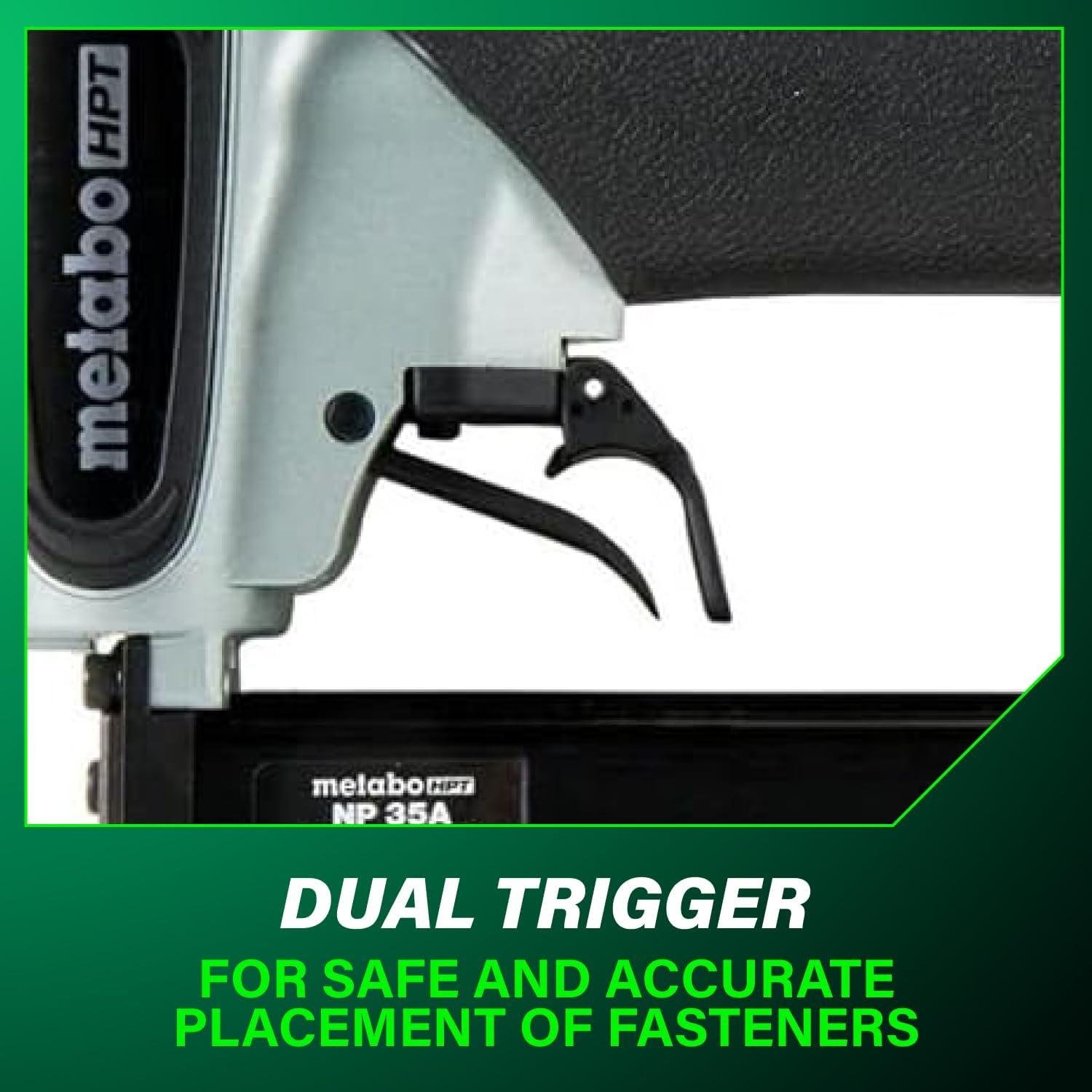
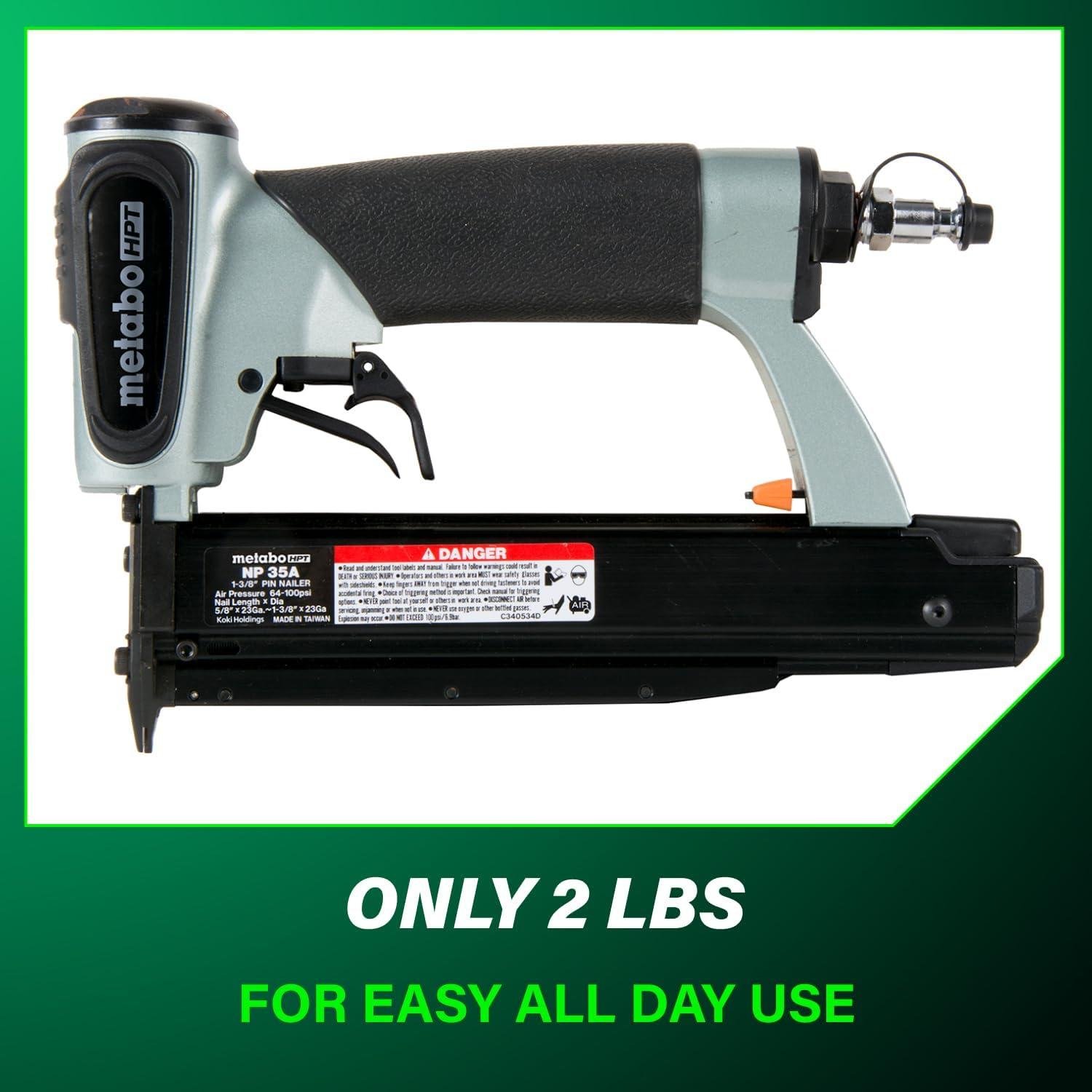
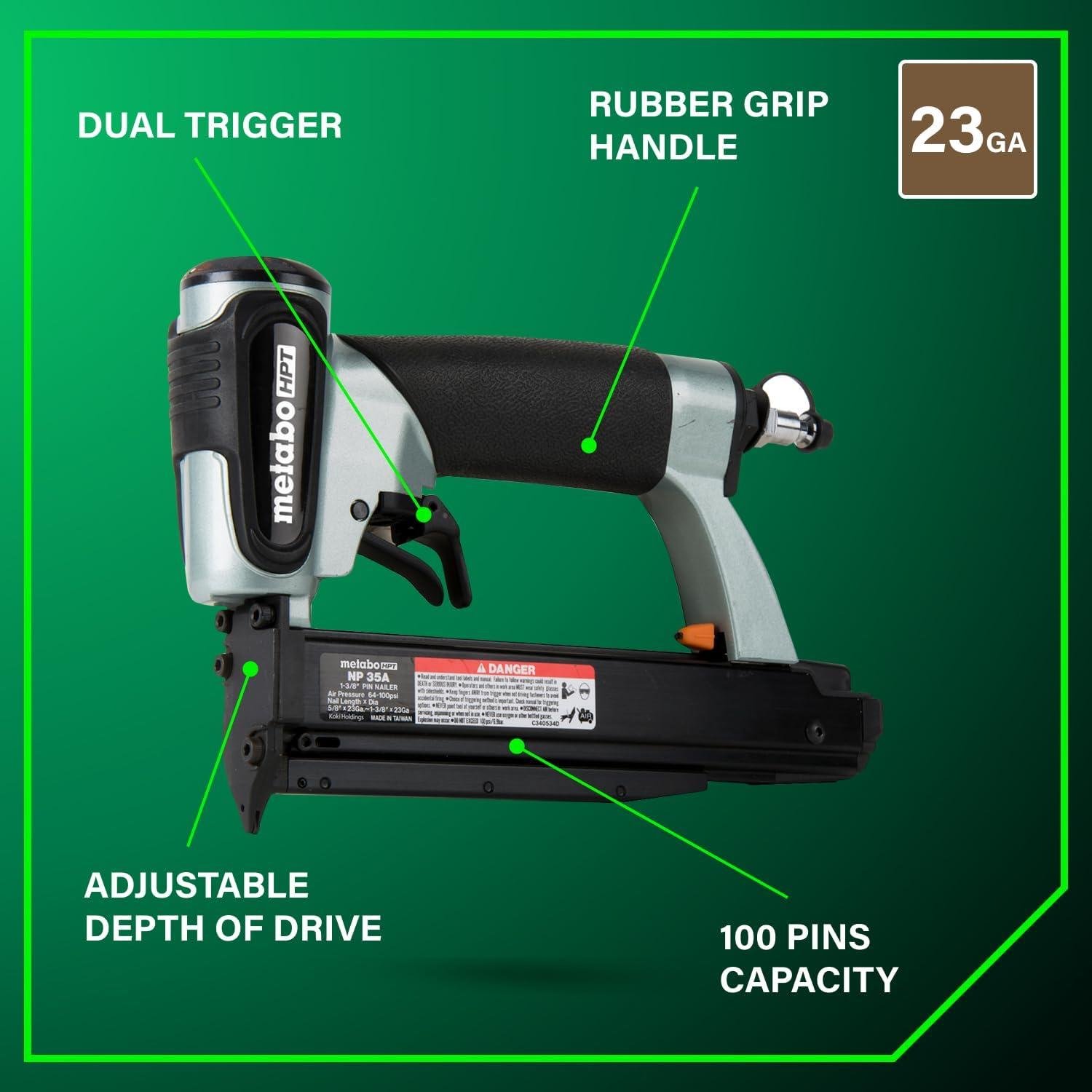
That’s where the Metabo HPT NP35A 23‑gauge pin nailer fits in. It’s a lightweight (2.0 lbs) pneumatic micro pinner designed to shoot 5/8″ to 1‑3/8″ headless pins for near-invisible holes, with an auto-adjusting magazine, adjustable depth of drive, dual trigger for safer placement, and rear exhaust to keep oil and debris off your work. It also includes no‑mar tips, a case, and is backed by a 5‑year warranty.
In this review, we’ll look at the key features, build-quality cues, ease of use for beginners and pros, and what many customers report about consistency, jamming, and finish friendliness—so we can decide if it earns space in a crowded shop and a real-world budget. We’ve built enough cabinets, frames, and trim details to know the difference a dependable pinner can make.
Tool Overview and First Impressions in the Shop
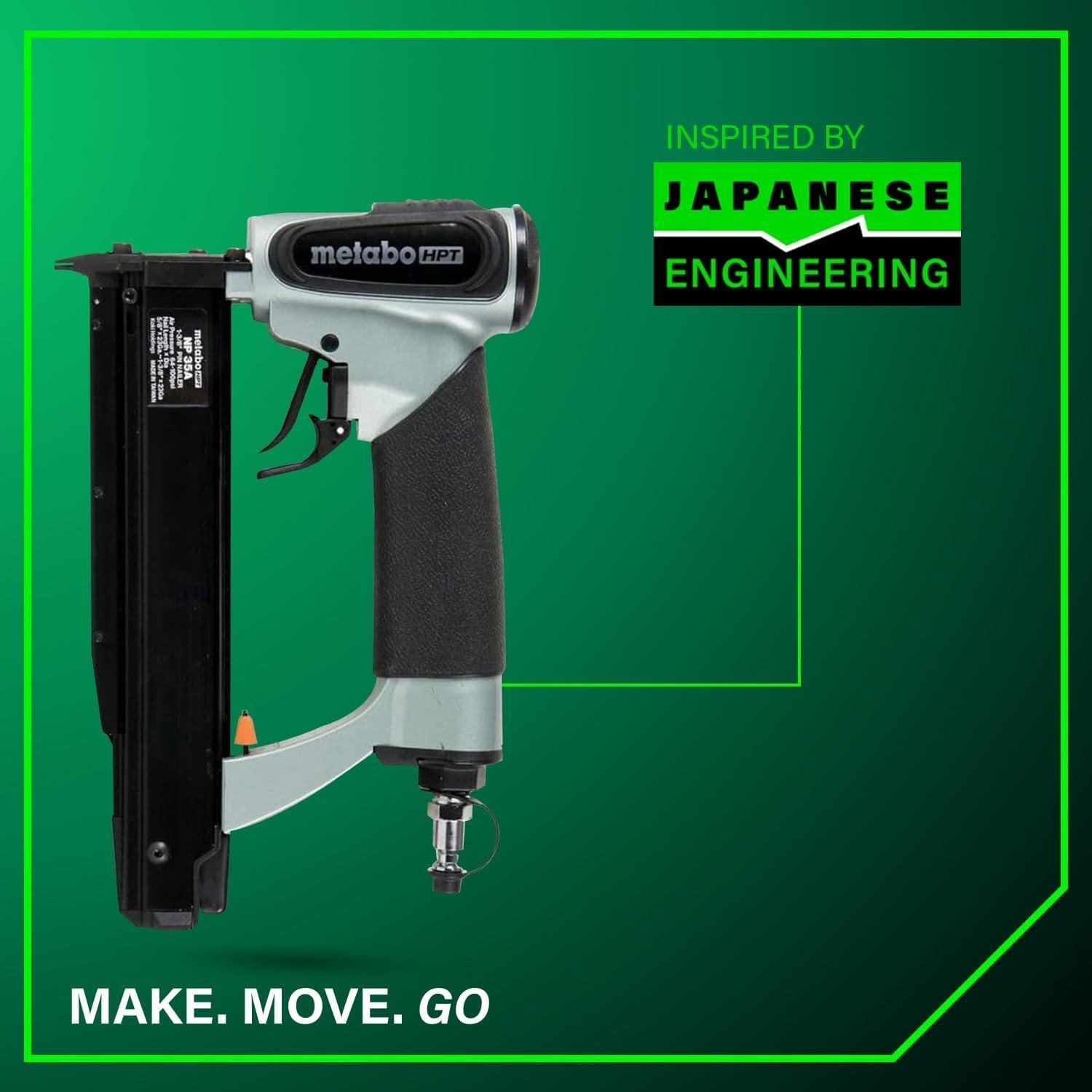
In the shop, the Metabo HPT NP35A comes across as a purpose-built trim and cabinet companion rather than a “one nailer does everything” tool. It’s a pneumatic 23-gauge headless micro pin nailer that shoots 5/8″ to 1-3/8″ pins,and those tiny fasteners are exactly why woodworkers reach for this class of gun: to tack delicate parts in place while glue cures,align miters,or secure small moldings without leaving a crater that needs filler. At 2.0 lbs, it feels easy to keep on the bench and pick up frequently—especially for repetitive tasks like picture frames, glazing bead, and small trim returns. We also like that the magazine automatically adjusts for common pin lengths, and the tool includes work-surface protection features (a no-mar tip and a rear exhaust) that matter when we’re pinning pre-finished parts or working close to a show face.
out of the case, setup is straightforward: connect air and go, but it pays to slow down and treat it like a fine-placement tool. Reviews regularly praise it as light, accurate, and “barely visible” on the hole side, and multiple buyers mention it “works right out of the box” and drives pins flush with the adjustable depth-of-drive. A common theme we see, though, is the dual-trigger safety feeling a bit clunky until your hands learn it—so we’d plan on a few minutes of scrap practice to coordinate grip and firing. There are also mixed durability notes: many call it well made and “still works perfect” years later, while at least one reviewer reports an early air leak/internal seal failure; that contrast is a reminder to oil pneumatic tools and keep your air clean and regulated. Technique-wise, this isn’t meant to replace a brad nailer for structural holding—23-gauge pins have minimal holding power—so we use it for alignment, discreet fastening, and temporary clamping help, especially on thin stock where split risk is real.
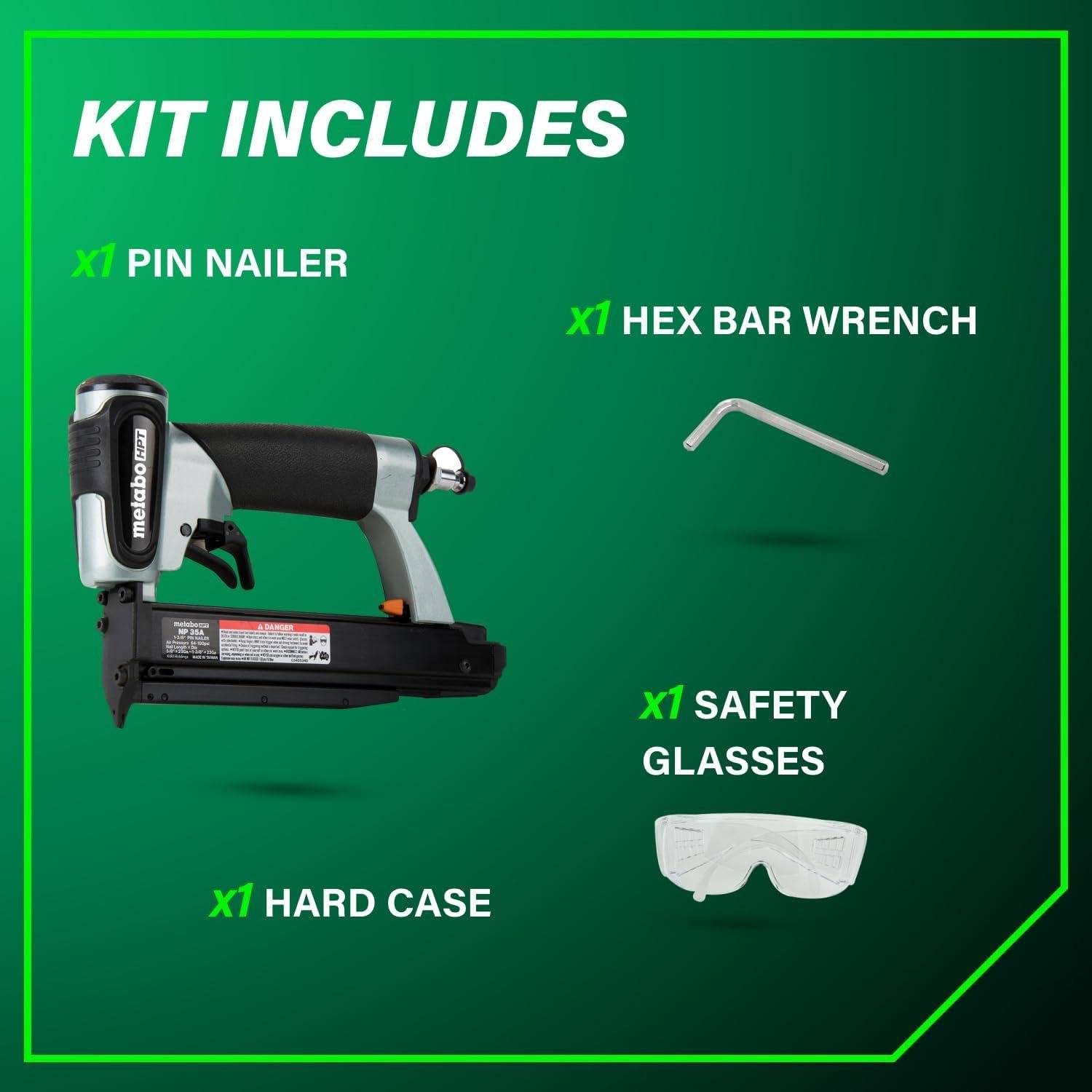
- Included accessories
- Carrying case
- (2) no-mar tips
- Safety glasses
- Hex bar wrench (for adjustments)
- Compatible attachments/accessories
- 23-gauge headless micro pins (5/8″,3/4″,1″,1-3/16″,1-3/8″)
- 1/4″ industrial swift disconnect (common shop air fitting style,as noted by customers)
- Pneumatic tool oil (recommended for routine maintenance)
- Ideal project types
- Cabinets (light trim,returns,face details)
- Paneling and small moldings
- Trim/crown molding touch-ups and small profiles
- Glazing bead around glass doors/windows (frequently mentioned in reviews)
- Picture frame assembly and craft work
- Router templates and light jigs (customer-used on hardboard/MDF)
- wood types/materials tested by customers
- MDF
- 1/4″ hardboard
- Finish trim stock (small trim around glass/windows)
| Spec / Feature | Metabo HPT NP35A (from specs) | Why it matters in the shop |
|---|---|---|
| Fastener gauge | 23 gauge,headless micro pins | Smaller holes than brads; best for delicate trim and glue assist. |
| Pin length range | 5/8″ to 1-3/8″ | Covers most light trim/panel details without stepping up to brads. |
| Weight | 2.0 lbs | Less fatigue and better control when placing pins precisely. |
| Depth of drive | Adjustable | helps avoid proud pins or over-driving into soft materials. |
| Safety/trigger | Dual trigger | Extra safety,but reviewers often say it feels clunky at first. |
| Work-surface protection | No-mar tip, rear exhaust, housing shield | Reduces scratches and keeps oil/debris off finished surfaces. |
| Accessory | Compatible? | Notes |
|---|---|---|
| 23-gauge headless micro pins | Yes | Use lengths 5/8″–1-3/8″; confirm strip orientation when loading. |
| No-mar nose tips | Yes | Useful on pre-finished trim and paint-grade surfaces alike. |
| 1/4″ industrial air coupler | Yes | Customers note a 1/4″ industrial quick disconnect is installed. |
| Pneumatic tool oil | Yes | Helps seals and internal parts; part of responsible upkeep. |
| Capacity / Use | Recommended (best practice) | Actual (tool spec / review notes) |
|---|---|---|
| Fastener size | Pick the shortest pin that still reaches solid backing. | 5/8″–1-3/8″ with auto-adjusting magazine. |
| Material role | Alignment + glue assist; light holding only. | Reviewers report success on MDF/hardboard and fine trim with near-invisible holes. |
| Trigger learning curve | Practice on scrap to avoid misplacement. | Multiple reviews mention the dual-trigger safety is cumbersome/clunky at first. |
See Full Specifications & Customer Photos
Real World Pinning Performance for Cabinets Trim and Delicate Crafting

In day-to-day cabinet and trim work,the Metabo HPT NP35A behaves like the kind of specialty tool we reach for when we want parts to stay put without advertising the fastener. It fires 23-gauge headless micro pins from 5/8″ to 1-3/8″, and that range is genuinely useful: shorter pins for delicate returns and glazing bead, longer pins for small moldings, casing details, and quick “third-hand” clamping while glue sets. The tool’s 2.0 lb weight and compact, squat profile make it easier for us to keep the nose planted precisely where we want it—especially in cabinet interiors and tight corners where a bulkier nailer can feel tippy. The adjustable depth of drive helps us tune for different materials (soft pine trim vs. MDF vs.hardwood edging) so the pin ends up flush or just shy, and the no-mar tip plus large housing shield are a real safeguard on prefinished surfaces where a slipped nose can mean a costly touch-up. Multiple customer reviews echo the same “why buy a pinner” moment: the holes are “barely visible” or “almost no discernable hole,” and users report success on jobs like crown molding and “very small trim around glass doors and windows.”
In real shop use, pin nailers demand a slightly different mindset than brad nailers: these pins are for alignment and temporary holding strength, not structural bite. We get the best results when we use pins to lock miters and tiny moldings in place while glue cures, or to tack templates and jigs—one reviewer specifically mentions driving a 5/8″ pin through 1/4″ hardboard into MDF “flawlessly” with flush seating and no jams, which is a solid real-world test. Set-up is straightforward; customers note the included industrial 1/4″ quick disconnect plays nicely with common air fittings, and the kit arriving with a case was a pleasant surprise for many. The learning curve is mostly in the control features: reviews frequently describe the dual-trigger safety as “a bit clunky” at first but manageable with practice, and a few mention rare misfires—usually not deal-breakers at this price point. We’d also keep an eye on air pressure and lubrication (a small bottle of air tool oil is included) because one negative review reports an internal seal failure and constant leaking after minimal use, while other long-term owners report it “still works perfect”—a reminder to register the tool for the 5-year warranty and treat it like the precision pneumatic instrument it is.
- Included accessories: Carrying case, (2) no-mar tips, safety glasses, hex bar wrench (for depth adjustment), air tool oil (per customer report), owner’s manual
- Compatible attachments/accessories: 23-gauge headless pin strips (5/8″, 3/4″, 1″, 1-3/16″, 1-3/8″), common 1/4″ industrial air couplers/fittings, pneumatic air tool oil
- Ideal project types: Cabinet assembly/installation details, small moldings and trim, paneling accents, glazing bead, picture frames, craft work, jig/template tacking
- Wood types tested by customers: MDF, hardboard (template material), small trim (species not specified in reviews)
| Spec | metabo HPT NP35A | What It Means in the Shop |
|---|---|---|
| Fastener gauge | 23 gauge | Near-invisible holes; best for delicate trim and alignment while glue sets |
| Fastener length range | 5/8″–1-3/8″ (auto-adjusting magazine) | Covers most micro-trim and light woodworking pinning needs |
| Weight | 2.0 lbs | Less fatigue and better control for precise placement |
| Depth of drive | Adjustable | Tune for MDF vs. softwood vs. hardwood to avoid proud pins or blow-through |
| Work-surface protection | No-mar tip, rear exhaust, housing shield | Helps prevent dents/scuffs and keeps exhaust away from finished faces |
| Accessory Category | What to Buy | Notes |
|---|---|---|
| Pins | 23-gauge headless pins (5/8″–1-3/8″) | Stock multiple lengths; shorter for delicate details, longer for small moldings |
| Air fittings | 1/4″ industrial coupler/fittings | Customers report the tool ships with an industrial-style quick disconnect installed |
| Maintenance | Pneumatic tool oil | Light oiling helps seals and consistent cycling |
| Capacity/Use Case | Recommended | What Users Report |
|---|---|---|
| Pin lengths | 5/8″–1-3/8″ | Users highlight success with 5/8″ pins and fine trim work; crown molding reported triumphant |
| Material targets | Trim, MDF, hardboard templates, small moldings | MDF/hardboard template test reported as flush and jam-free; small trim around glass praised |
| Trigger/safety learning curve | Plan for practice time | Dual-trigger safety described as clunky at first but learnable |
See Full Specifications & customer Photos
Key Features Woodworkers Will Appreciate for Clean Invisible Holes
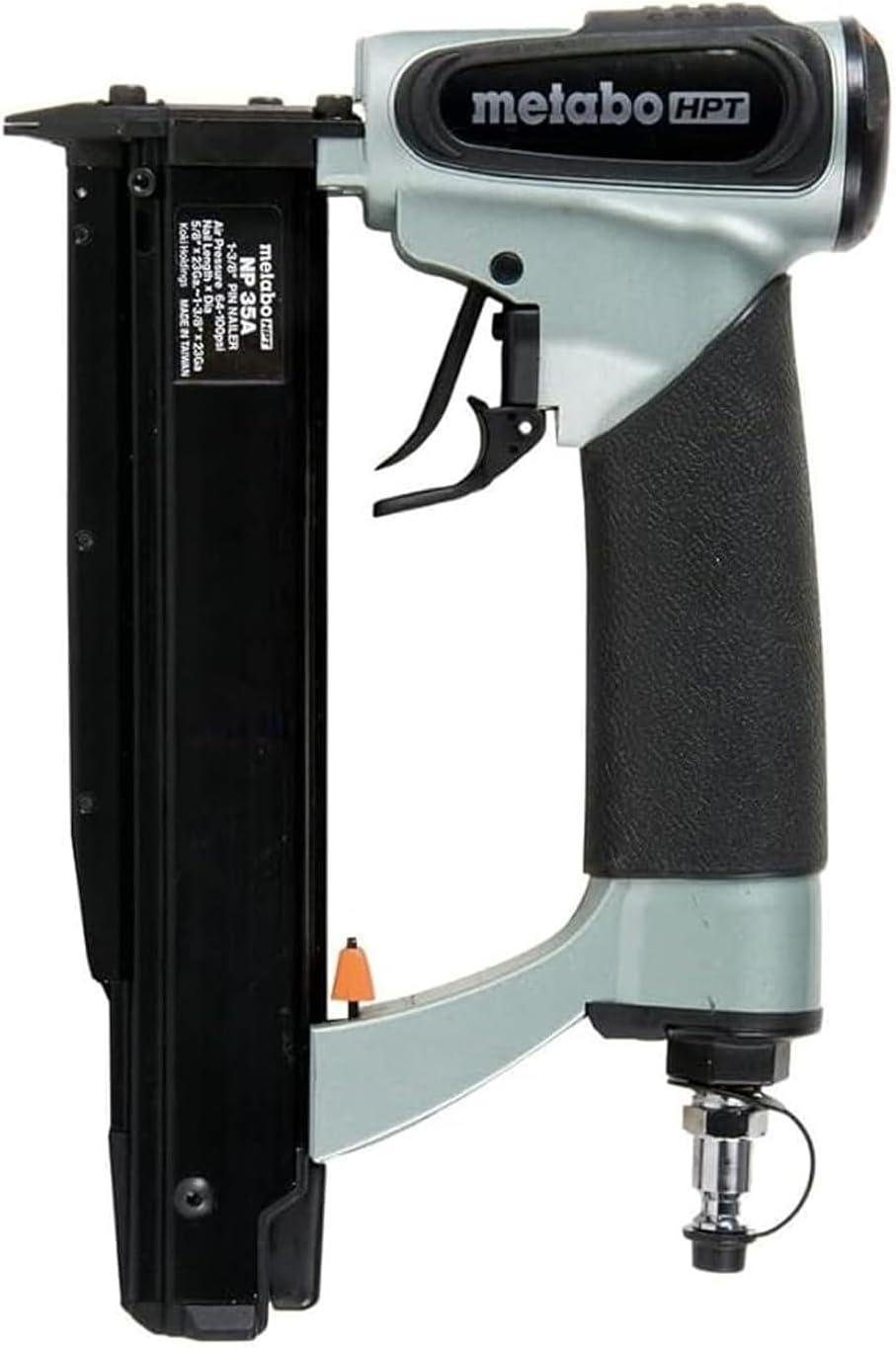
When we’re chasing that “how did they fasten this?” look on cabinets and trim, the Metabo HPT NP35A earns its keep with the details that protect our work.It shoots 23‑gauge headless micro pins in lengths from 5/8″ up to 1‑3/8″, and because the magazine automatically adjusts to common pin sizes, we can move from light tack-ups (like 5/8″ for thin returns) to longer pins for small moldings without fiddly setups. In our shop, the real hole-hiding advantage comes from combining the adjustable depth-of-drive (tuned with the included hex wrench) with the no‑mar tip and the nailer’s large housing shield—features designed to keep delicate profiles, prefinished stock, and edges from getting dented. The tool’s 2.0 lb weight and compact “squat” shape also matter more than the spec sheet suggests; they make it easier for us to keep the nose planted and square on narrow trim where a slight angle can telegraph as a visible divot or proud pin.
From customer feedback,a few consistent themes show up that match what we’d expect from a pneumatic micro pinner. Multiple reviewers call it light, accurate, and simple/precise, and several highlight that it leaves “almost no discernable hole”—exactly the point of stepping down to 23‑gauge. Reviewers also report success on real woodworking substrates like driving 5/8″ pins through 1/4″ hardboard into MDF flush, and using it on crown molding and small trim around glass doors and windows. The main “learn it once” quirk we should plan for is the dual-trigger safety: more than one buyer describes it as clunky at first but manageable with practice,and it does encourage deliberate placement—helpful when a misplaced micro pin can still split tiny parts. A few users mention rare misfires, and there’s also an isolated but serious durability complaint about a seal leaking after only a handful of nails—so for critical jobs we’d keep the 5‑year professional warranty in mind and verify our air setup (clean, oiled, and regulated around typical shop pressures). Used with controlled pressure, a test-fire on scrap, and careful nose registration, this tool is well suited for woodworkers who want cleaner, more “invisible” fastening than brads can provide—without needing advanced skill beyond good setup habits.
see full Specifications & Customer Photos
Ease of Use for Beginners and Pros Including Setup Jams and Control
For first-time pin-nailer users, the Metabo HPT NP35A is mostly “plug in and go,” with a few very real beginner hiccups to be aware of. Out of the box, we’re working with a lightweight 2.0 lb pneumatic tool that’s compact enough to sneak into cabinet corners and tight trim returns, and the magazine automatically adjusts to common micro-pin lengths from 5/8″ to 1-3/8″. Setup is straightforward: connect the shop air to the factory-installed 1/4″ quick disconnect, add a couple drops of air tool oil, and load 23-gauge headless pins correctly (reviewers specifically mention confusion about strip orientation—look for any arrows and keep the sharp ends feeding properly into the nose). The included visual reload indicator helps us avoid the “why did it stop firing?” moment mid-run, and the adjustable depth of drive (via the included hex wrench) is the key control we dial in before touching finished work. Once set, multiple reviewers echo that it “works as advertised,” is “precise and simple to use,” and leaves near invisible holes—exactly why we reach for 23-gauge pins on delicate trim, glazing bead, and small moldings.
For pros or anyone doing repeatable, production-style trim and cabinet work, the NP35A feels built around protecting finished surfaces and controlling placement, even if the safety takes a minute to master. Metabo’s dual-trigger safety is a frequent customer theme: several users call it “a bit clunky” or “cumbersome at first,” but also say it’s “easily mastered” with the right grip (we end up stabilizing the tool and indexing that rear safety consistently before firing). The protective features matter in real shop conditions: the no-mar tip, large housing shield, and rear exhaust all reduce the chance of dents, smudges, or oil/debris on prefinished stock—especially vital when we’re pinning thin returns or face frames where sanding isn’t an option. In use, review themes lean strongly positive on control and consistency—“light, accurate,” “occasional misfire but rare”—though we also have to be honest that at least one reviewer reported a premature seal failure and continuous air leak. That’s not the norm in the feedback, but it does reinforce best practice: keep air pressure reasonable, oil it as directed, and test-fire on scrap whenever we change species, thickness, or pin length to confirm the flush (or slightly proud) drive we want.
- Included accessories
- (2) No-mar tips
- Carrying case
- Safety glasses
- Hex bar wrench (for depth adjustment)
- Air tool oil (noted by reviewers as included in the case)
- Compatible attachments/accessories
- 23-gauge headless micro pins in lengths: 5/8″, 3/4″, 1″, 1-3/16″, 1-3/8″
- 1/4″ industrial quick-connect air fittings (matches many shop air setups)
- No-mar tip replacements (useful for finished trim work)
- Ideal project types
- Cabinets and face-frame details
- Small moldings and trim (shoe, stops, returns)
- Glazing bead around glass doors/windows
- paneling and light decorative parts
- Craft work and picture frame assembly
- Router templates and light jigs (a reviewer notes successful hardboard template pinning)
- Wood types tested by customers
- MDF (reviewer: drove pins flush into MDF)
- 1/4″ hardboard (reviewer: through hardboard into MDF)
- Small trim used around glass doors/windows (species not specified)
| Ease/Control Spec | Metabo HPT NP35A (from specs) | What it means in the shop |
|---|---|---|
| Tool weight | 2.0 lbs | less fatigue when we’re pinning overhead crown or doing long trim runs. |
| Fastener gauge & type | 23-gauge headless micro pins | Great when we need “invisible” holes; not a substitute for structural fastening. |
| Fastener length range | 5/8″ to 1-3/8″ | Covers most light trim, bead, and small assembly work without changing tools. |
| Depth control | Adjustable depth of drive | Helps us tune for flush pins across MDF vs. hardwood vs. thin trim. |
| Safety/actuation | Dual trigger | Safer placement but some users say it feels “clunky” until learned. |
| Work-surface protection | No-mar tip, housing shield, rear exhaust | Reduces marring and keeps exhaust/oil away from finished faces. |
| Accessory / Consumable | Compatibility | Notes for ease-of-use |
|---|---|---|
| 23-ga headless pins | 5/8″ to 1-3/8″ | Double-check strip orientation; a reviewer notes the arrow points toward the sharp end. |
| No-mar tips | Fits NP35A nose | Keep a clean tip installed for prefinished trim to prevent scuffs. |
| 1/4″ industrial air fitting | standard shop air systems | Reviewer notes it matched their existing quick disconnects out of the box. |
| Capacity Item | Recommended (practical) | Actual (tool spec) |
|---|---|---|
| Pin length selection | Match length to stock thickness; test on scrap | 5/8″, 3/4″, 1″, 1-3/16″, 1-3/8″ (auto-adjust magazine) |
| finish-work protection | Use a no-mar tip and verify depth before final parts | No-mar tip + depth adjustment + rear exhaust |
See Full Specifications & Customer Photos
Customer Reviews Analysis
What Woodworkers Are Saying (Metabo HPT NP35A 23-Gauge Pin Nailer)
| Aspect | Common Feedback |
|---|---|
| Overall Sentiment | Mostly positive—praised as a strong value pin nailer with clean, nearly invisible fastening |
| Performance | Accurate driving and good results on trim; occasional misfires mentioned but generally rare |
| Build & Durability | Many describe it as well made and long-lasting; one severe early failure report (seal/air leak) |
| Ease of Use | Generally straightforward; two-trigger safety called “clunky” by multiple users |
| Best Uses | Finish trim, crown molding, small delicate trim around glass, templates, and light joinery |
1. Overall sentiment from woodworking customers
Multiple reviews highlight that the NP35A is a high-value 23-gauge pinner that delivers the main thing woodworkers want from a pin nailer: tiny, hard-to-see fastener holes and reliable holding power for trim and light assembly. Several woodworkers mentioned it’s a “worth the price” tool—especially compared to higher-priced competing pin nailers.
Common praise includes the combination of reasonable cost, light weight, and clean finish results. A few reviews frame it as a “solid buy” at regular price and an exceptional deal when discounted.
2. Performance feedback (accuracy, power, results)
Reviewers with mixed experience levels found the tool accurate and consistent when set up properly.
- Clean, “invisible” results: Several woodworkers mentioned it leaves “almost no discernable hole” and that the 23-gauge pins are “barely visible.” One reviewer emphasized the outcome: “This works perfectly and leaves no mark… tiny, perfectly flush end of the 23awg pin.”
- Drive quality / countersink: Users reported good depth results after testing—often just below flush or flush, with the depth adjustment helping dial it in.
- Power in common materials: Customers successfully used this for crown molding, small trim, and also for shop tasks like driving pins through 1/4″ hardboard into MDF, with one review noting no misfires or jams in that test.
- reliability during firing: Some users reported challenges with occasional misfires, but they’re typically described as rare and not a dealbreaker given the price.
3.Build quality and durability observations
Several reviewers mentioned the tool feels well made, especially for a lower-priced pin nailer, and one comparison even claimed it seemed better quality than a comparable Porter-Cable pin nailer.
Durability commentary is mostly encouraging:
- One long-term owner reported: “A few years on and still works perfect.”
- Another noted it “seems to be good quality for a low price” and expected it to hold up for infrequent use.
That said, at least one review describes a major early failure: after roughly 15 nails, an internal seal broke, causing continuous air leaking. This is the strongest negative durability note in the set and suggests occasional “lemon” risk (or a seal issue) even if most experiences are positive.
4. ease of use for different skill levels
beginners and DIY-focused reviewers generally appreciated that it’s simple out of the box and easy to get clean results quickly. The lightweight body (“not as heavy as some”) is also noted as a fatigue-reducer during overhead or repetitive trim work.
The main usability theme—mentioned more than once—is the two-trigger safety system:
- Some users reported challenges with a “clunky” or cumbersome safety/trigger, especially at first.
- Others say it’s easily mastered once you learn the grip and finger placement (middle finger managing the safety trigger, index finger firing).
A small but critically important setup tip surfaced in reviews: pin strip orientation can be confusing, and one woodworker clarified the arrow points toward the sharp end and should be loaded accordingly (useful for first-timers).
5. Common project types and success stories
Customers report using this for a range of finish and detail woodworking tasks where minimal hole size matters:
- Crown molding installation (reported “perfect job”)
- Very small trim around glass doors and windows (praised for delicate trim work)
- Baseboard/shoe molding and general finish trim (implied by typical use cases and reviewer context)
- Hardboard/MDF fastening (successful test: 5/8″ pins through 1/4″ hardboard into MDF, flush drive)
- Router templates and small joinery alignment (holding hardboard router templates; small box joints mentioned)
reviewers consistently frame it as especially useful for tasks where you want temporary-to-light holding power with minimal surface evidence, frequently enough as a companion to glue.
6. issues or limitations reported
Some users reported challenges with:
- Trigger/safety ergonomics: The two-trigger safety is the #1 repeated complaint—described as “clunky” or awkward until you adapt.
- Occasional misfires: Mentioned as rare, but present.
- Isolated failure / air leak: One reviewer experienced a seal failure and constant air leak almost immediately,calling the tool unusable afterward.
- Pins not included / accessory expectations: At least one woodworker would have liked an assortment of pin lengths included (they bought pins separately).
- User operational issue: One non-English review indicates the tool wasn’t feeding/advancing nails (“doesn’t shoot the nails”), suggesting either a defective unit, loading/air setup issue, or a jam—though details are limited.
Bottom line from the reviews: Most woodworkers describe the Metabo HPT NP35A as a precise, lightweight pinner that delivers clean, nearly invisible holes for trim and detailed work—tempered by a commonly mentioned clunky safety/trigger feel and a small number of reliability complaints (including one severe early failure).
Pros & Cons
Pros & Cons
| What We Loved | What We Didn’t |
|---|---|
| Near-invisible pin holes (23-gauge headless) for clean trim and delicate work | It’s pneumatic—meaning we’re tethered to a hose and compressor |
| Featherlight feel at 2.0 lbs, easy to maneuver for long sessions | Not the tool for structural holding power; pins are for “hold it while glue cures” jobs |
| Auto-adjusting magazine handles multiple pin lengths (5/8″ to 1-3/8″) | Micro pins can be easy to misplace and finicky if we’re rushing reloads |
| No-mar tips + housing shield help protect our finished surfaces | Best results require dialing-in depth—there’s a small learning curve across different woods |
| rear exhaust keeps oil/debris away from our workpiece (and our faces) | Like most air tools, it adds compressor noise to the workflow |
Pros
- Practically invisible holes: The 23-gauge headless pins leave tiny entry marks, which makes our cabinet trim, glazing bead, and craft work look “finished” faster—often with minimal touch-up.
- Lightweight and compact: At 2.0 lbs, we can keep control in awkward angles (inside cabinets, tight corners, small moldings) without our wrists filing a complaint.
- Versatile pin range without fuss: The magazine automatically adjusts for 5/8″, 3/4″, 1″, 1-3/16″, and 1-3/8″.We can jump between thin trim and slightly beefier assemblies without feeling boxed in.
- Depth-of-drive control: The adjustable depth helps us tune for flush—or just-below-flush—placement depending on the wood species and finish expectations.
- Surface-kind details: Between the no-mar tips and protective shielding, it’s clearly designed for work we’d rather not re-sand or repaint.
- Convenience features that reduce interruptions: A visual reload indicator and large-capacity magazine keep our rhythm going.
- Safety-minded trigger: The dual-trigger setup encourages deliberate shots—useful when we’re pinning tiny parts and our fingers are closer than we’d like.
- Strong reputation + warranty: The “Pro Preferred” streak is reassuring, and the 5-year professional warranty adds peace of mind for regular use.
Cons
- Air hose required: Being pneumatic is a tradeoff. We get consistent power, but we also get hose drag, compressor setup time, and less grab-and-go convenience than cordless.
- Not built for brute-force holding: These are micro pins—excellent for discreet fastening, alignment, and temporary hold while glue sets, but not what we’d choose for high-stress or structural joints.
- Depth needs dialing in: Softwoods, hardwoods, and layered materials don’t all behave the same. We may need a few test fires to land the “perfectly invisible” result.
- Small fasteners,small logistics: 23-gauge pins are tiny by nature—great in the workpiece,less great on the bench when we knock a strip loose or mix lengths mid-project.
- Compressor noise comes with the territory: The tool itself is manageable, but our total noise level depends on the compressor we pair it with.
Q&A
What wood types can this handle effectively?
The NP35A is best for typical trim and cabinet materials where you want “temporary clamp” holding power with nearly invisible holes: pine/poplar, MDF, hardboard, plywood edging, and thin moldings. reviews mention it working well on MDF and hardboard (including driving a 5/8″ pin through 1/4″ hardboard into MDF) and on crown/small trim. as it’s a 23-gauge headless pinner, it’s not meant for structural fastening—think alignment and light hold while glue cures.
is this powerful enough for hardwoods like oak or maple?
it can pin into hardwoods, but expectations matter: 23-gauge pins are thin and don’t offer the bite of brads. for dense species (oak/maple), use appropriate air pressure from your compressor and dial in the adjustable depth of drive so pins sit flush without blowing through delicate trim. In very hard stock or near edges, you may see occasional incomplete drives or deflection—common to micro pins—so test on offcuts first and consider stepping down in pin length.
How does this perform on plywood, veneers, and delicate finished surfaces?
This is one of its strong suits. It shoots 23-gauge headless micro pins that leave near-invisible holes, and it includes (2) no-mar tips plus a large housing shield to help avoid denting or scuffing face veneers and prefinished trim. The rear exhaust also helps keep oil/debris from blowing across a finished surface. For thin veneers, keep pins short (5/8″–3/4″) and avoid shooting too close to edges to reduce the chance of a pin “curling” or poking through.
Can it handle production work or is it just for hobby projects?
It’s capable of jobsite and shop use—this model line was rated “Pro Preferred” for 9 years (2014–2022) and it has a large-capacity magazine to reduce reload downtime. Several reviewers describe it as accurate, durable, and still working years later, though a few note rare misfires. Like any pneumatic pinner, consistent performance depends on clean, dry air and correct lubrication; it’s a good fit for regular cabinet/trim workflows where pinning is a frequent step.
How difficult is the initial setup, and what adjustments are available?
Setup is straightforward: connect to your compressor with the installed 1/4″ quick disconnect, add a few drops of air tool oil as recommended, load pins, and test fire on scrap.The key adjustment is the depth of drive (hex wrench included) so you can set pins just below flush across softwoods vs. hardwoods. The magazine automatically adjusts for 5/8″, 3/4″, 1″, 1-3/16″, and 1-3/8″ pin lengths.
Is it beginner-friendly, or is there a learning curve?
Most beginners can get good results quickly as there’s no fuel cell/battery system—just air, depth setting, and proper pin loading. The main learning curve is the dual-trigger safety: multiple reviews call it a bit clunky at first, but also say it becomes easy once you develop a grip habit for controlled placement. Plan to spend 10–15 minutes on scrap dialing depth and practicing consistent registration on the workpiece.
What maintenance does it need, and how durable is it?
Regular care is typical for pneumatic nailers: keep it lightly oiled (a small bottle is commonly included in the kit), keep your air supply clean/dry, and clear jams promptly if they occur. Many users report long-term reliability (“years on and still works perfect”), but a small number of reviews mention early seal/air-leak failure—so registering it and keeping purchase documentation is smart. It’s backed by Metabo HPT’s Professional 5-Year Tool Warranty.
Is this worth it compared to cheaper options or brands like Porter-Cable/Bostitch?
Value is one of the NP35A’s strongest arguments: multiple reviewers describe it as the least expensive pinner they’ve used that “actually works,” citing good accuracy and very small holes. Compared with pricier pin nailers,you’re typically paying more for refined ergonomics or a different safety/trigger feel—not necessarily better pin holes. If you’ll pin a lot of trim/cabinet parts, this is a solid buy; if you need higher holding power for trim without relying on glue, consider adding a 18-gauge brad nailer alongside it rather than “upgrading” the pinner.
Unlock Your Potential
Tool Summary: The Metabo HPT NP35A is a pneumatic 23-gauge pin nailer that shoots headless micro pins from 5/8″ to 1-3/8″, leaving near-invisible holes for clean finish work. At just 2.0 lbs, it’s easy to use overhead or all day, and useful features—adjustable depth-of-drive, large-capacity magazine with visual reload indicator, no-mar tips, housing shield, and rear exhaust—help protect delicate surfaces. Customer feedback commonly praises its light weight, accuracy, and value, with occasional notes about a clunky dual-trigger safety or rare misfires.
Best For: Ideal for hobby woodworkers with small to medium projects, cabinet makers needing precision, beginners learning trim fundamentals, and pros who want a lightweight pinner for cabinets, glazing bead, picture frames, and small moldings.
Consider Alternatives If: You frequently fasten thick hardwoods structurally, need faster production-grade ergonomics, or strongly prefer a simpler trigger feel.
Final Assessment: The NP35A offers solid performance for its price point, especially when surface quality matters, with a few usability trade-offs.
Want to see current pricing and customer photos? View on Amazon & read More Reviews →