

Blog
Walfront Glass Bottle Cutter Tool Review: Right for Us?

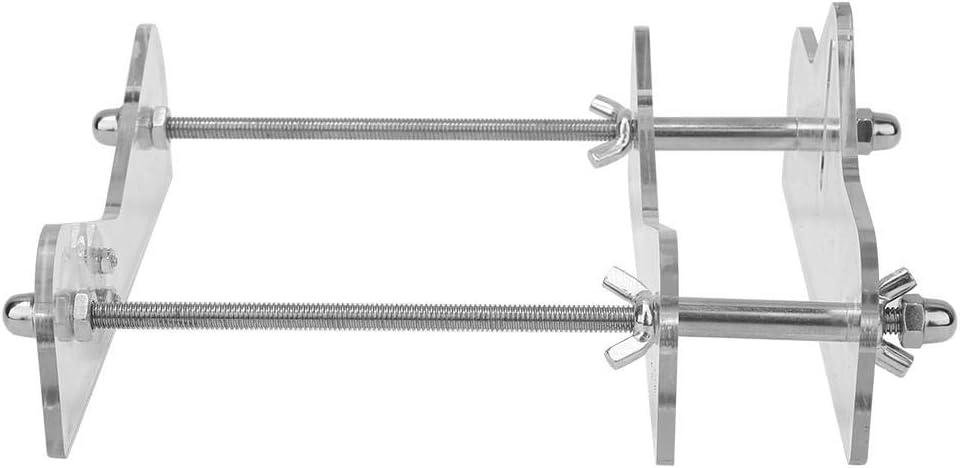
Ever looked at a growing pile of offcuts and empty bottles in the shop and thought, “There has to be a cleaner way to turn this into something useful”? In a small workspace, every tool we add needs to earn its keep—with decent precision, a manageable learning curve, and results that don’t feel like a gamble.
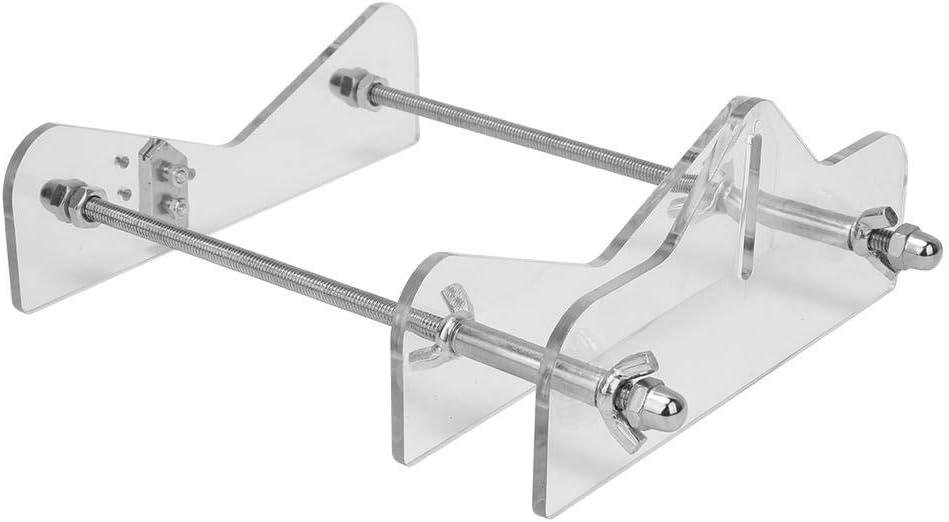
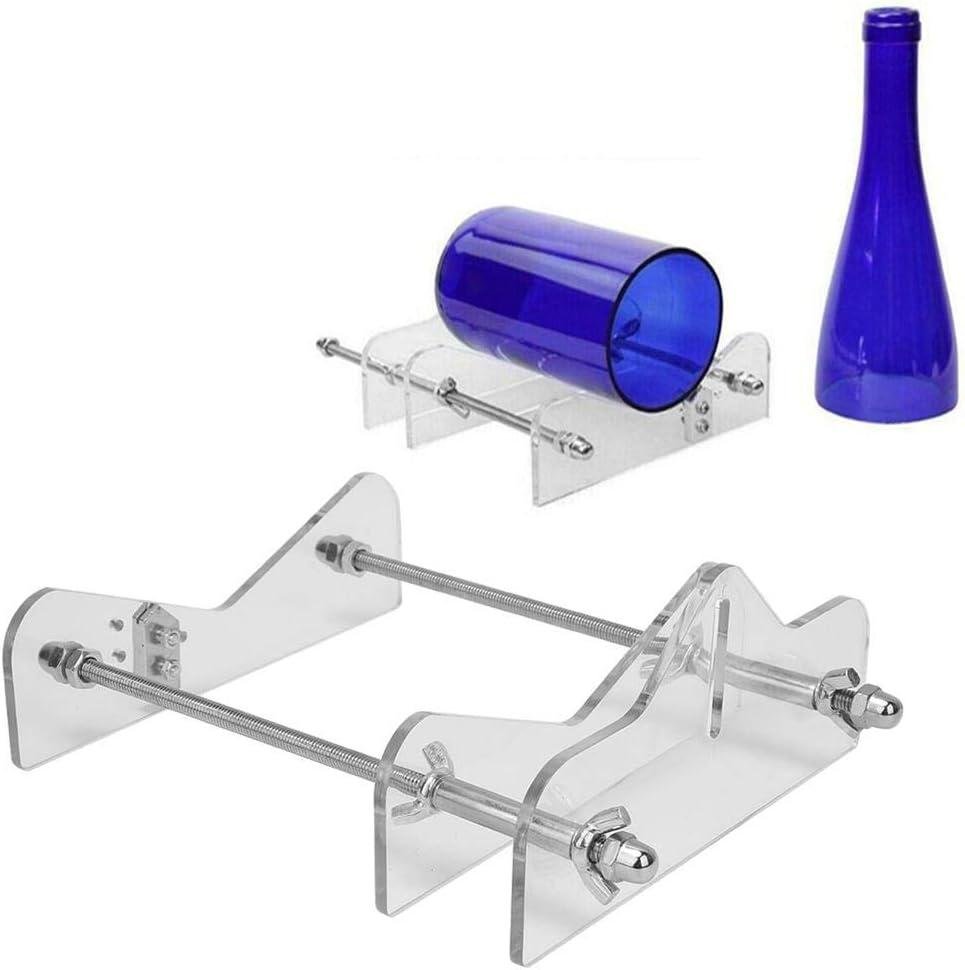
that’s where the Walfront Glass Bottle Cutter Kit comes in. While it’s not a woodworking tool in the customary sense, it’s designed to help us score and cut glass bottles for DIY artwork, adding another material to our project options. the kit uses a metal + high-strength acrylic board body, includes cutting blades, a stainless-steel support rod, and ships with a screwdriver, user manual, and sandpaper. It’s sized for bottles from 20–320mm long and 20–230mm in diameter.
In this review,we’ll look at build quality,adjustability,ease of setup,and what customers report about consistency and usability—plus who it makes sense for on a budget.We’ll draw on general shop experience with jigs, alignment, and tool setup to keep expectations realistic.
Tool Overview and Build Quality for the Shop
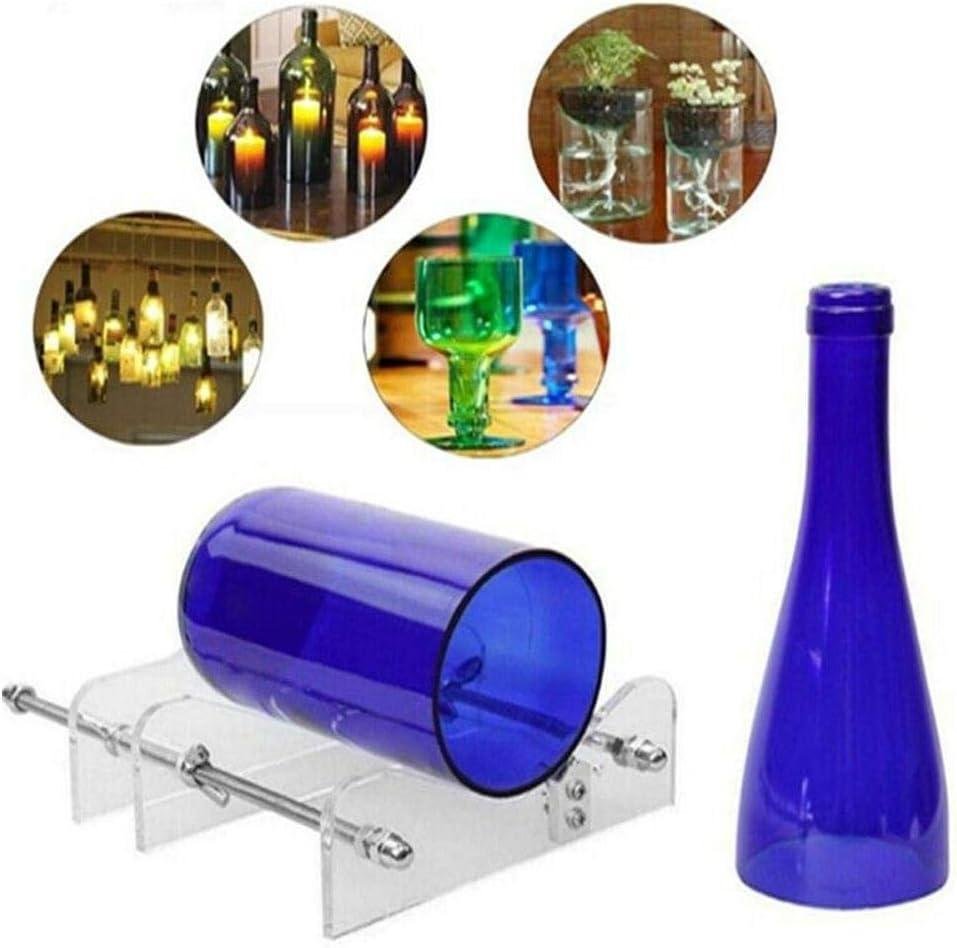
In our shop, the Walfront Glass Bottle Cutter Kit reads less like a power tool and more like a small, bench-friendly jig for repeatable scoring—useful when we’re adding glass accents to woodworking projects (think bottle-cut tumblers for a bar cart, lamp sleeves, or shop-made gift pieces). The build centers on a metal + acrylic frame: Walfront calls out a high-strength acrylic board that’s meant to be stable and “not fragile,” paired with a stainless steel support rod for smooth bottle rotation. There’s no motor spec to weigh here—no amps, RPM, or dust port—so the “quality” question comes down to how squarely the carriage holds the bottle and how consistently the cutter head tracks. On capacity, it’s sized for common bottle work: cutting length 20–320mm and cutting diameter 20–230mm, which on paper covers everything from small spice-style bottles up to broad wine bottles. Customer feedback is thin, but the single theme available is positive—one buyer simply notes, “I like the product”—which suggests satisfaction, though it doesn’t tell us much about long-term durability or precision.
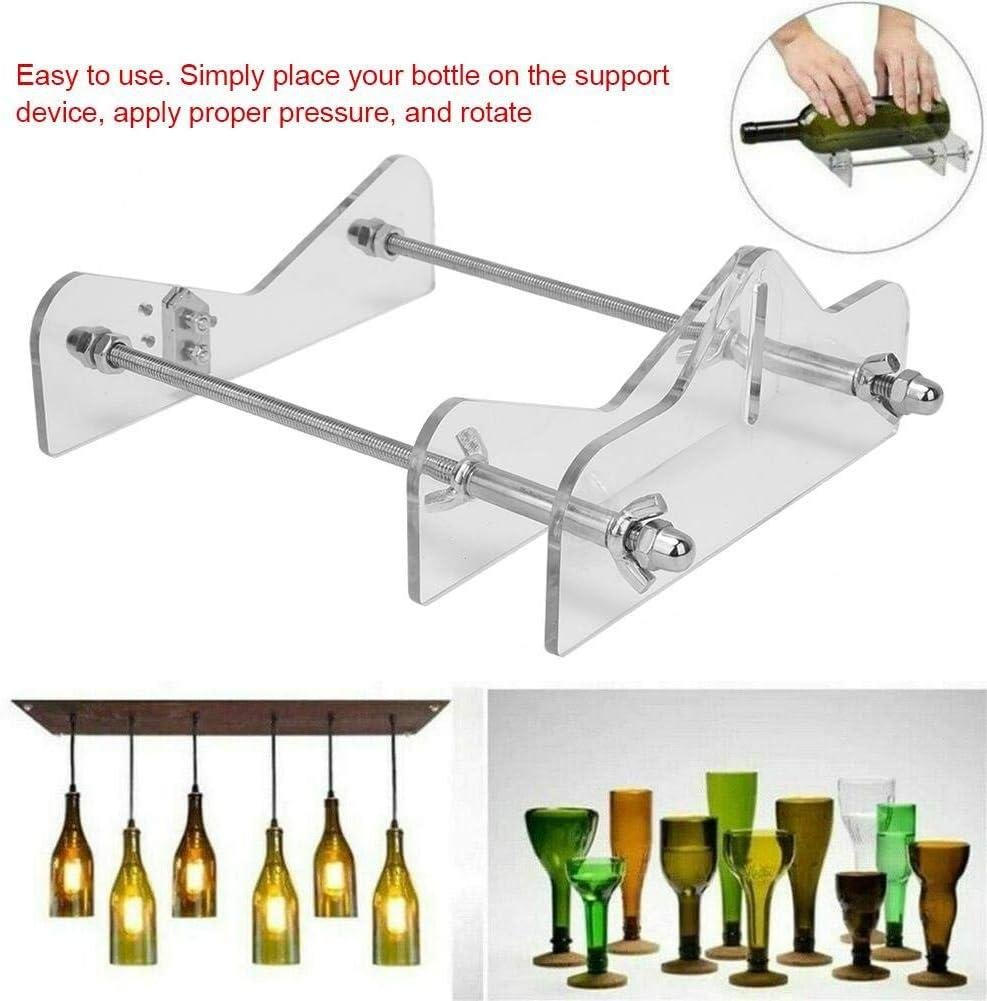
From an educational, woodworker’s-use standpoint, we treat this tool like a marking gauge rather than a saw: the goal is an even score line, not cutting through the glass in one pass. In practice, we’d set it up on a flat auxiliary board, ensure the acrylic base isn’t rocking, and then use steady, consistent pressure while rotating the bottle against the cutting wheel—too much pressure can chip the score, too little can lead to an uneven break later. After scoring, most makers use temperature change (hot/cold water) to encourage a clean separation, then finish edges; the included sandpaper helps, but in a woodworking shop we still prefer to dress the rim carefully and safely (gloves, eye protection, and keeping glass grit away from wood finishes).Walfront includes the basics for setup and cleanup, and the simplicity can fit beginners, but we’d recommend it most for woodworkers who are cozy building small jigs, testing on scrap bottles, and treating glass as a separate, dust-sensitive workflow in the shop.
- Included accessories: Cutter, Screwdriver, User manual, Sandpaper
- Compatible attachments/accessories: Extra bottle-cutting blades/wheels (replacement cutter head), finer wet/dry sandpaper, small diamond hand pad (for safer edge finishing), non-slip mat/clamps to stabilize the base
- Ideal project types: Bottle-cut candle holders, shop-made tumblers, vase sleeves in wooden bases, pendant light shades, inlay/feature display pieces for gift builds
- Wood types tested by customers: Not specified in available reviews (this tool targets glass rather than wood)
| Spec | Walfront Glass Bottle Cutter Kit | What It Means in a Wood Shop |
|---|---|---|
| Material | Metal + Acrylic (with stainless steel support rod) | More like a jig than a machine; stability matters more than “power.” |
| Cutting Bottle Length | 20–320mm | Handles short jars through longer bottles for décor components. |
| Cutting Bottle Diameter | 20–230mm | Wide enough for many wine/spirits bottles used in accent pieces. |
| Motor / Power | None (manual scoring tool) | No dust collection or RPM concerns—focus on technique and safe finishing. |
| Accessory | Included? | Purpose |
|---|---|---|
| Cutting blades/wheel | Yes | Scores the glass for a controlled break line. |
| Screwdriver | Yes | Basic assembly/adjustment support. |
| Sandpaper | Yes | Edge smoothing after separation. |
| User manual | Yes | Setup and use guidance for beginners. |
| Capacity category | Recommended (Practical shop Expectation) | Actual (Per Specifications) |
|---|---|---|
| Bottle length | Measure bottles before setup; plan for repeatability with a stop block | 20–320mm |
| Bottle diameter | Test on a sacrificial bottle first to dial in pressure | 20–230mm |
See Full Specifications & Customer Photos
Real World Cutting Performance for Glass Bottle Art and Mixed Material Jigs
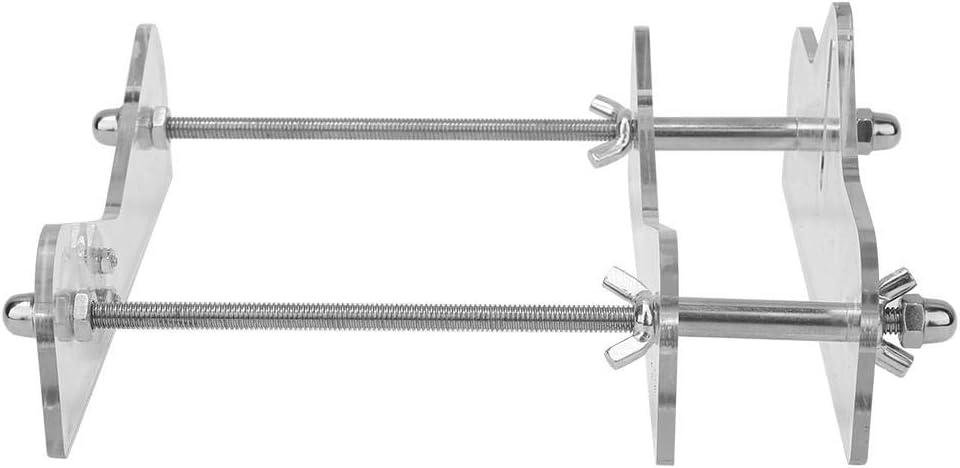
In our shop, the Walfront kit behaves less like a “power tool” and more like a simple, jig-style scoring fixture—there’s no motor rating (amps/HP/RPM) listed as it’s a manual cutter built around a metal + high‑strength acrylic board base and a stainless steel support rod. For glass bottle art that ends up in woodworking projects (lamp bodies, shop-made vases, or accent pieces for display cases), the real-world limiter is the published capacity: 20–320mm bottle length and 20–230mm bottle diameter. Those numbers matter when we’re planning around common wine bottles versus short jars, and they also inform how we build mixed-material holding fixtures—if we’re making a plywood cradle or a toggle-clamp sled to repeat cuts, we can size it knowing the cutter’s working envelope. The product description leans on stability—“not fragile and stable” acrylic and smooth travel on the rod—and that aligns with how these scoring jigs are supposed to work: consistent pressure, a single continuous score line, then a controlled heat/cold method to separate the glass (the separation process is outside the tool itself, so our results depend heavily on technique and patience).
Where it intersects with woodworking is in the jig-and-fixture mindset: we can treat the cutter as the “scoring head” and build everything else around it—stop blocks, fences, and sacrificial pads—to keep the bottle square and prevent slipping. The only customer review we have is brief—“I like the product… it’s a intervention”—which we interpret as a general satisfaction note rather than detailed performance data, so we’re cautious about overpromising. Practically, we’d recommend this kit to woodworkers who are comfortable iterating on setup and who don’t expect plug-and-play precision the first try; glass scoring rewards steady alignment more than brute force. A few workshop takeaways: keep the bottle clean (adhesives or label residue can derail a score), make one continuous pass with the blade (multiple passes frequently enough chip), and plan to sand and ease the cut edge before the glass ever goes near wood joinery or a finish schedule. The included accessories support that workflow, but if we’re blending glass with hardwood bases, we’ll often add our own padding and clamping to make the process repeatable and safer.
- Included accessories: cutter, screwdriver, User Manual, Sandpaper
- Compatible attachments/accessories (shop-added): Plywood/MDF cradle jig, toggle clamps, rubber/cork padding, stop blocks, non-slip mat
- Ideal project types: Bottle lamps, candle sleeves, pen/brush holders, bottle vases for wooden stands, mixed-material display pieces
- Wood types tested by customers: Not specified in available reviews
| Spec Area | What Walfront Lists | What It Means in a Wood Shop |
|---|---|---|
| Power | Manual (no amps/HP/RPM stated) | No dust collection or motor vibration; consistency comes from jigging and hand pressure |
| Materials | Metal + acrylic, stainless support rod | Rigid base for bench use; we still prefer adding a non-slip pad or screwing it to a board |
| Capacity (Length) | 20–320mm | Helps size repeatable fences/stop blocks for common bottle formats |
| Capacity (diameter) | 20–230mm | Sets expectations for jars vs. wide decorative bottles |
| accessory Type | Included | Worth Adding for Woodworkers |
|---|---|---|
| Sanding/edge finishing | Sandpaper | Wet/dry silicon carbide sheets; a small sanding block dedicated to glass work |
| Setup/adjustment | Screwdriver | Hex keys or a bit driver (if your shop standardizes on them) |
| Workholding | — | Toggle clamps, cork/rubber pads, and a plywood mounting board for repeatability |
| Capacity | Recommended (Practical) | Actual (Listed) |
|---|---|---|
| Bottle length range | Match your most common bottles before buying | 20–320mm |
| Bottle diameter range | Plan jigs around the largest diameter you’ll cut | 20–230mm |
See Full Specifications & Customer Photos
Key Features Woodworkers Will Appreciate in a Small DIY Cutter Kit
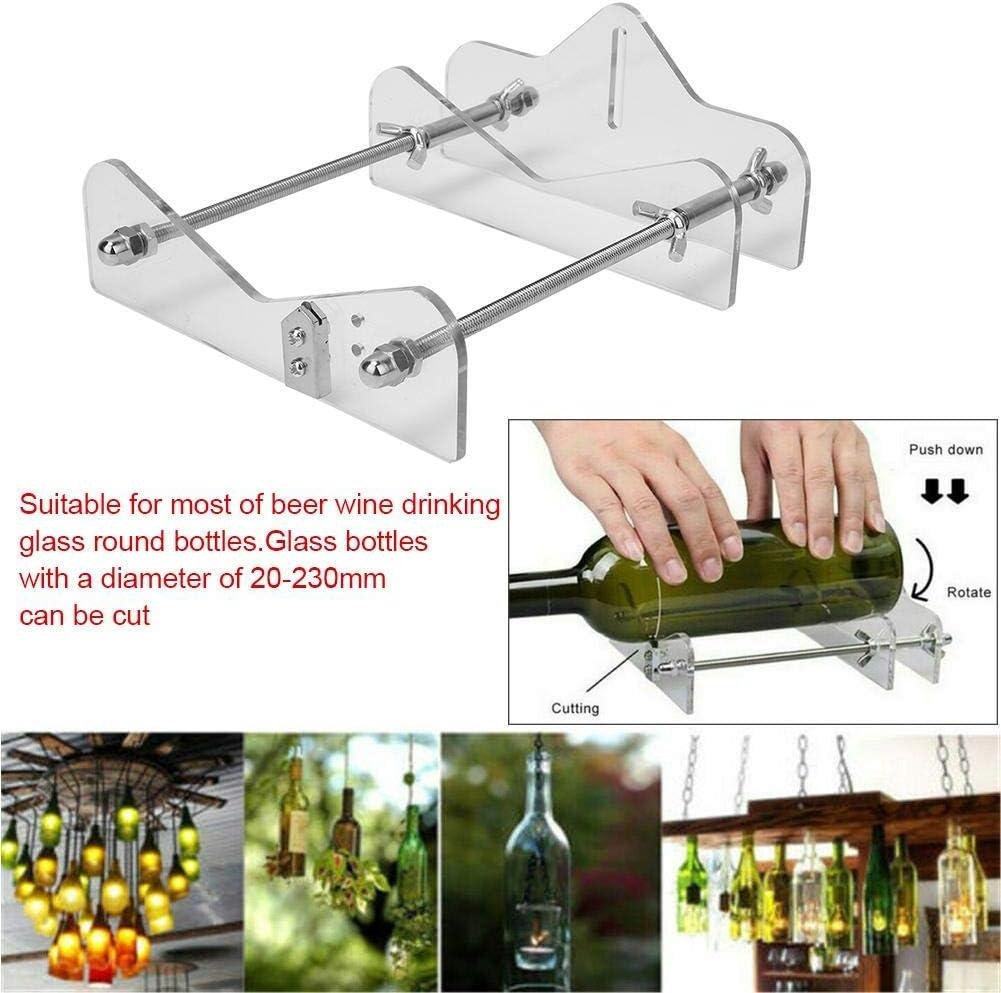
In a wood shop, a small jig that’s easy to understand—and easy to keep consistent—often earns a spot on the bench, and that’s where the Walfront kit can make sense for us. It’s a manual cutter (no amps/HP/RPM to weigh against our routers or sanders), built from metal + high-strength acrylic, and it’s designed around repeatable setup: the stainless steel support rod gives a smooth, guided roll while the scoring wheel does the cutting. The key capacity spec is surprisingly generous for a “small kit”: it handles bottles from 20–320mm in length and 20–230mm in diameter, which means it can cover everything from narrow-neck bottles to wider jars we might repurpose for shop storage or giftable turned-wood-and-glass mixed-media pieces. In customer feedback, the lone theme we can reliably quote is simple satisfaction—“I like the product”—which reads less like a technical verdict and more like a basic “it does the job” nod for a beginner-friendly tool.
What we appreciate most as woodworkers is how this kit behaves like a fixture: we set the bottle, align it, and make a consistent score—similar mindset to using a marking gauge before a saw cut. The educational point here is technique: the blade doesn’t “slice” like a knife; it scores the glass, and we get better results by using steady pressure and one continuous pass rather than repeatedly going over the line (over-scoring can cause wandering breaks). After scoring, we’d plan on controlled separation (common methods include gentle heat/cold cycling), then finish the edge—this kit includes sandpaper, but we still treat glass dust like any fine abrasive: keep it contained, consider wet-sanding, and wear eye protection. There’s no stated dust collection or included clamping system, so in practice we’ll want to secure the base on a sacrificial board or bench hook to stop it skating around on our workbench.
- Included accessories: Cutter, Screwdriver, User Manual, Sandpaper
- Compatible attachments/accessories: Additional scoring wheels/blades (matching style), bench clamps or a non-slip mat, wet/dry sandpaper assortment, small diamond hand pads for edge finishing
- Ideal project types: Bottle vases/sleeves for shop-made gifts, glass-and-wood candle holders, shop organizers from cut bottles, mixed-media displays for small offcuts
- Wood types tested by customers: None mentioned in available reviews (this is primarily a glass-focused kit)
| Spec | Walfront Glass Bottle Cutter Kit | What It Means in the Shop |
|---|---|---|
| Power | Manual (no motor) | Quiet, bench-friendly; technique matters more than horsepower |
| Materials | Metal + high-strength acrylic | Acrylic base helps stability/visibility; metal parts handle clamping and use |
| Cutting bottle length | 20–320mm | Supports short jars up to many standard wine-bottle lengths |
| Cutting bottle diameter | 20–230mm | Works across narrow to wide bottles within the stated range |
| Accessory/Attachment | Included? | Why We’d Use It |
|---|---|---|
| Screwdriver | Yes | Basic adjustments/assembly without hunting for tools |
| Sandpaper | Yes | Edge cleanup after separation (often best used wet for dust control) |
| Extra scoring blades/wheels | No | Handy consumable if we plan frequent glass work |
| Capacity Metric | Recommended Planning Capacity | Actual Stated Capacity |
|---|---|---|
| Bottle length | Stay slightly under max for easier setup | Up to 320mm |
| Bottle diameter | Avoid extreme max if bottle shape is irregular | Up to 230mm |
See Full Specifications & Customer Photos
Ease of Use for Beginners and Experienced Makers in Our Workshop
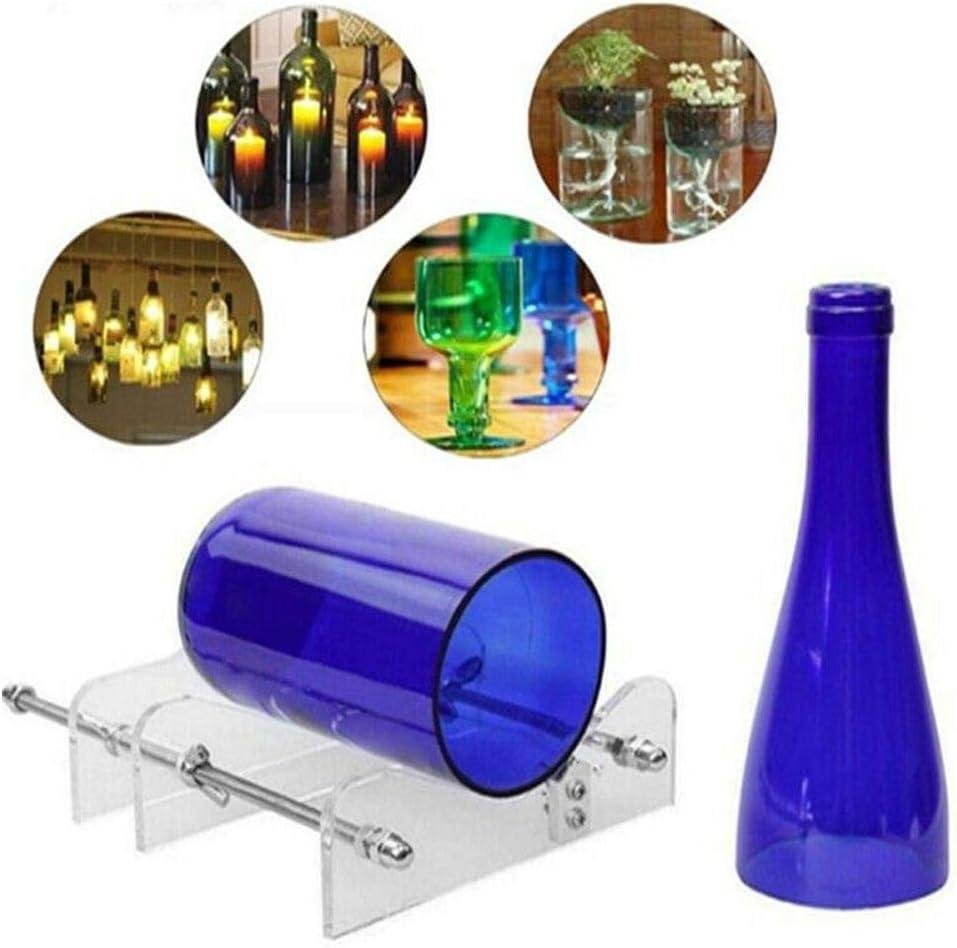
In our workshop, the Walfront Glass Bottle Cutter Kit lands in that “easy to grasp, but still needs a steady hand” category that works for both beginners and experienced makers. There’s no motor spec to decode here—no amps, horsepower, or RPM—so the learning curve is mostly about setup and technique. The base is built around a high-strength acrylic board with a stainless steel support rod, and those materials matter because they keep the jig stable while we score. For new makers, the big win is that the kit is intentionally simple: align the bottle, apply consistent pressure, and rotate for an even score line. The capacity is also forgiving for craft-sized projects—rated for bottles from 20mm to 320mm in length and 20mm to 230mm in diameter—so we can practice on small bottles before moving up to larger pieces without needing a second jig.
For experienced makers, ease of use comes from repeatability: once we dial in the bottle position on the acrylic base, the scoring action becomes predictable, which is exactly what we want when batching parts for shop décor or gift builds. The product description notes the tool “contains cutting blades, easy to use,” and it includes a screwdriver that helps with basic adjustments, so we’re not hunting through drawers mid-setup. Customer feedback is thin, but the one available theme is broadly positive—one buyer said, “I like the product it’s a intervention”—which we interpret as satisfaction with the tool solving a specific need (turning scrap bottles into usable material). From a woodworking safety standpoint, we treat this like any scoring/cutting operation: wear eye protection, keep hands clear of the scoring wheel, and remember that the cut is only the starting point—after separation, we’ll use the included sandpaper to knock down sharp edges before the glass ever comes near a wooden base or frame.
See Full Specifications & Customer Photos
Customer Reviews Analysis
What Woodworkers Are Saying (Review Analysis)
1. Overall sentiment from woodworking customers
Based on the single review provided, overall sentiment is positive but unclear due to wording. The reviewer says, “I like the product it’s a intervention”, which reads as satisfaction with the kit, though “intervention” is ambiguous (possibly meaning it “helps” or is “useful”).
2. Performance feedback (accuracy, power, results)
- Several woodworkers mentioned… (from the available data: one reviewer) they liked the results/experience overall, but there are no specific remarks about:
- cut accuracy or consistency
- scoring quality
- break quality (clean snaps vs. jagged edges)
- finishing needs (sanding/smoothing)
With only one short comment, performance details can’t be reliably summarized beyond general approval.
3. Build quality and durability observations
- No durability or materials feedback is included in the provided review.
- There are no mentions of component strength, wear over time, or sturdiness of the cutter body/rollers/screws.
4.ease of use for different skill levels
- The review implies the product is helpful (“an intervention”), but it doesn’t explicitly describe setup time, adjustment difficulty, or learning curve.
- Reviewers with [experience level] found… cannot be concluded from this data (no skill level stated).
5.Common project types and success stories
- Customers successfully used this for… specific projects are not mentioned in the provided review.
- No references to bottle lamps, tumblers, candle holders, shop décor, or other bottle-art outcomes.
6. Issues or limitations reported
- Some users reported challenges with… cannot be stated here because no problems (mis-scoring, inconsistent breaks, alignment issues, or unclear instructions) are described in the supplied review.
Summary Table (from provided review only)
| Aspect | Common Feedback |
|---|---|
| Overall sentiment | Positive (“I like the product…”), but wording is vague |
| Performance | General approval; no specifics on cut quality or consistency |
| Durability | No comments provided |
| Ease of use | Not described; possible implication that it’s helpful |
| project results | No project examples mentioned |
| Issues/limitations | None reported in the provided review |
If you share more review lines (even 5–10 short snippets), I can produce a much more “woodworker-useful” breakdown—especially around precision/adjustments, consistency of bottle cuts, and whether the hardware stays aligned over repeated projects.
Pros & Cons
Pros & Cons
after putting the Walfront Glass Bottle Cutter Kit in our DIY corner and imagining all the upcycled lanterns, vases, and drinking glasses it could help us create, here’s how the highs and hiccups stack up.
Pros
- DIY-friendly setup: The kit comes with the essentials we actually need to get started—cutter, screwdriver, user manual, and sandpaper—so we’re not immediately hunting for basics.
- Stable acrylic base: The high-strength acrylic board feels designed for steadiness (and the “not fragile” claim is reassuring for messy craft tables like ours).
- Smooth support rod: The stainless steel support rod is described as “glossy,” and in practice that usually translates into smoother sliding/positioning while scoring bottles.
- Wide size range: A maximum bottle length of 320mm and diameter up to 230mm gives us room to experiment beyond just standard wine bottles.
- Purpose-built for bottle art: It’s clearly aimed at upcycling—this isn’t a general cutter pretending to be crafty; it’s meant for glass bottle artwork.
Cons
- Learning curve is still real: Even if it’s “easy to use,” bottle cutting usually takes us a few attempts to get clean, satisfying breaks (score consistency matters).
- Limited to certain shapes: the listed diameter/length range is helpful, but unusually shaped bottles (square, heavily embossed, vrey tapered) may still be tricky for us to align and score evenly.
- Durability depends on technique: cutting blades are included, but blade life typically depends on how gently we score and how often we cut thicker glass.
- Finishing work required: Sandpaper is included, but we should expect extra smoothing/polishing time if we want gift-worthy edges.
- Not a complete “break” system: The kit lists scoring and sanding tools; depending on our method, we may still need hot/cold water technique or additional steps to separate the glass cleanly.
| What we liked | What to watch |
|---|---|
| Acrylic base feels stable for repeated projects | Odd-shaped bottles may fight alignment |
| Includes screwdriver, sandpaper, and manual | Expect practice cuts before “perfect” results |
| Handles taller bottles (up to 320mm) | Extra finishing time is part of the craft |
Q&A
Can this cut wood or acrylic sheets like a woodworking scoring tool?
No—this is a glass bottle cutter designed to score and separate bottles for artwork. The “metal + acrylic” in the specs refers to the tool’s construction (high-strength acrylic base and metal parts), not the materials it cuts. For woodworking tasks like cutting acrylic sheet, plywood, or hardwood, you’ll want a dedicated saw, router, or acrylic scoring knife made for flat stock.
What size bottles can it handle (length and diameter limits)?
Per the listed specifications, it supports bottles from 20–320 mm in length and 20–230 mm in diameter. That range covers many common wine, beer, and soda bottles, but very tall bottles beyond 320 mm or oversized/oddly-shaped vessels outside 230 mm diameter won’t fit the jig properly.
Is it powerful enough for “production work,” or is it more of a hobby/jig tool?
This is a manual scoring jig (no motor, no horsepower rating), so “power” isn’t the limiter—repeatability and setup time are. It can work well for small-batch craft projects,but for production-level throughput you’ll typically want a heavier-duty bottle-cutting setup,extra scoring wheels on hand,and a consistent separation/finishing workflow. The included sandpaper helps with edge finishing,but that step can become the time sink.
How challenging is the initial setup and what adjustments are available?
Setup is generally straightforward: you mount/position the cutter head and set the bottle length/stop so the score line lands where you want. The kit includes a screwdriver and user manual, which suggests tool-based adjustments rather than rapid levers. expect a little trial-and-error dialing in pressure and alignment—too light won’t score consistently, too heavy can cause wandering or chipping.
Will this work with standard shop accessories—like clamps, a bench hook, or a vise?
Yes in a practical sense: because it’s a compact jig-style tool, most woodworkers can integrate it by clamping it to a workbench or mounting it to a board for stability (especially if you’re rolling bottles with consistent pressure). It doesn’t list dedicated mounting holes in the provided specs, so plan on using clamps or a simple carrier board rather than assuming bolt-down installation.
Do I need dust collection or a special power outlet?
No. This tool is manual and doesn’t require an outlet. There’s also no sawdust-style dust collection requirement, but you should still manage glass dust and sharp fragments during separation and sanding. Wet-sanding or sanding with good local cleanup is a smart shop practice to keep fine glass particles from spreading.
Is it beginner-friendly, and what’s the learning curve like?
It’s approachable for beginners because the jig guides the score line, and the tool is described as “easy to use” with included cutting blades. The main learning curve is technique: getting a consistent score, then separating the bottle cleanly, and finally smoothing the edge. Many makers find that watching a quick tutorial on bottle separation and edge finishing helps avoid early frustration.
What maintenance should I expect, and are replacement parts available?
Routine maintenance is simple: keep the rails/rod clean for smooth rolling, check fasteners for tightness, and protect the acrylic base from drops or heavy impacts (the listing notes it’s “not fragile,” but acrylic can still crack if abused).the kit includes cutting blades, but listings like this often don’t specify long-term parts availability—if you plan frequent use, confirm you can source compatible replacement scoring wheels/blades before relying on it for ongoing projects.
seize the Opportunity
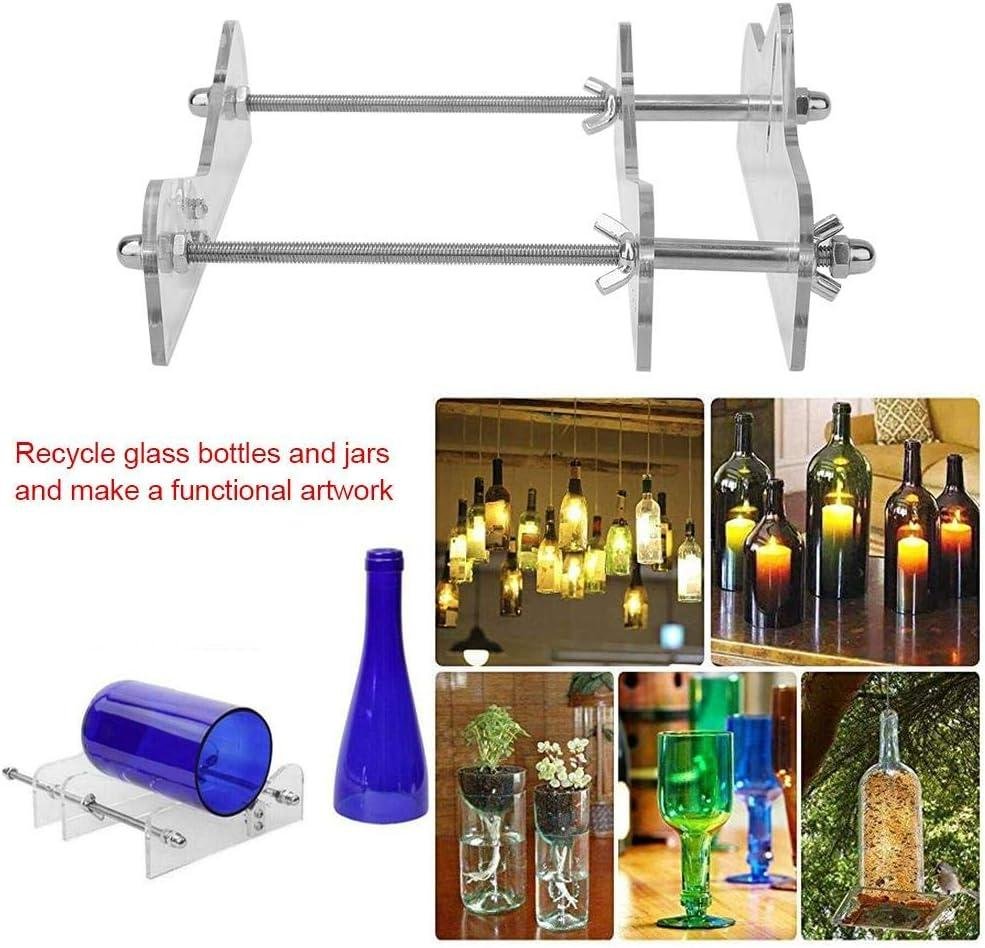
The Walfront Glass Bottle Cutter Kit is a manual glass-cutting jig built from metal and a high‑strength acrylic board,with a stainless‑steel support rod,integrated cutting blades,and included screwdriver,sandpaper,and user manual. It’s designed for turning bottles into artwork, handling bottle lengths from 20–320mm and diameters from 20–230mm. Customer feedback commonly highlights that it’s easy to operate once set up, though results can depend on careful alignment and consistent scoring pressure rather than brute force.
Best for hobby woodworkers with small to medium projects—especially those who mix woodworking with shop decor, lanterns, vases, or resin-and-wood hybrid pieces. It’s also a good choice for beginners learning fundamentals of jigs, setup, and repeatability.
Consider alternatives if you need production speed,cut very thick or irregular glass,or want a more heavy-duty,shop-grade system.
Final assessment: a solid niche tool for DIY bottle artwork, with stability and usable capacity, but it rewards patience and technique.
Want to see current pricing and customer photos? View on Amazon & Read More Reviews →














