

Blog
Stained Glass Grinder Kit Review: Right for Our Shop?


Ever had a project were the woodwork is dialed in, but the “extras” derail the finish—like a cabinet door with a glass insert that won’t quite seat, or a mosaic inlay that needs dead-accurate shaping without chipping? In a busy shop, precision matters as much for the non-wood parts as it does for joinery, and the wrong grinder can eat space, budget, and patience fast.
That’s where the Professional Stained Glass Starter Grinder Kit comes in: a compact 65W, 4200 rpm glass-art grinding and shaping machine built for glass, marble, ceramic, and other hard materials, with a 165 × 165 mm work table and a lightweight 2 kg body. A standout feature is the automatic water-filling system, designed to keep the grinding head wet to reduce dust and heat buildup.
In this review, we’ll break down the feature set, what customer feedback tends to highlight (portability, convenience, and learning curve), and who this kit makes sense for—especially if our workshop space is limited and we care about balancing cost with build quality. as woodworkers, we’ve learned that the “right tool” is the one that fits the workflow, not just the spec sheet.
Tool Overview and First Impressions in a Woodworking Shop
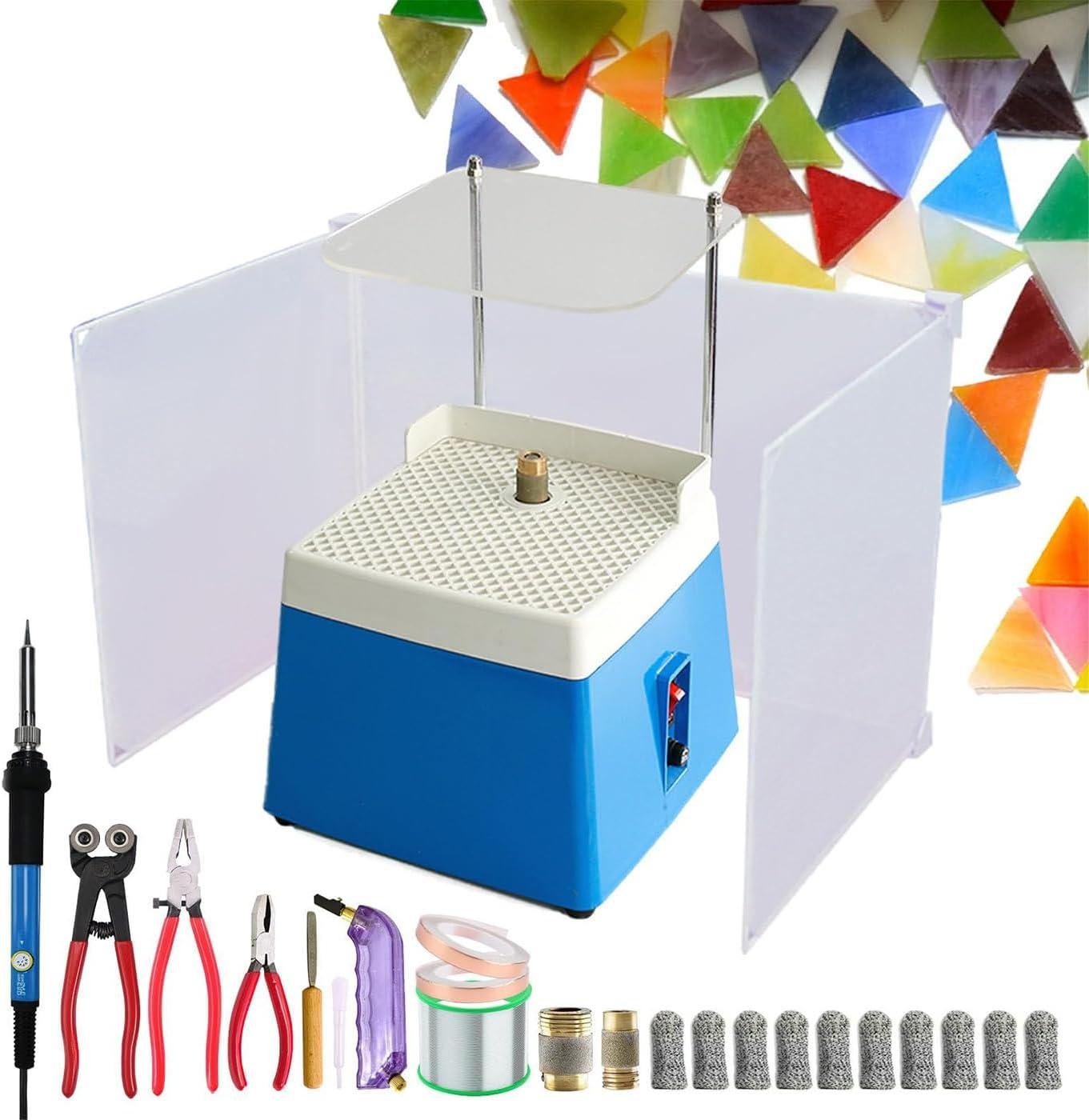
Bringing the Professional Stained Glass Starter Grinder Kit into our woodworking shop felt a bit like adding a benchtop sharpening station—except it’s built for hard, brittle materials instead of steel and timber. On paper, the specs read clearly: 65W motor power (listed as 220V and 0.1A) with a 4200 RPM turning speed, a compact footprint at 19.5 × 19.5 × 15 cm, and a surprisingly manageable 2 kg machine weight. The working surface is a square 165 × 165 mm table, which, in woodshop terms, is “small benchtop tool” sized—easy to park next to a scroll saw or disc sander without sacrificing real estate. The standout feature is the automatic water filling function, designed to keep the grinding head continuously wet to reduce dust and heat buildup. While we’re not glass pros, that wet-grind approach immediately makes sense to us as woodworkers: it’s the same logic as keeping heat down while honing or using lubrication to reduce airborne grit—just applied to glass and ceramic instead of edges and end grain.
For practical workshop crossover, we see this tool fitting best for woodworkers who do stained-glass cabinet inserts, mosaic inlays in tabletops, or decorative mixed-media work where we need controlled shaping of non-wood parts before mounting them into a wooden frame. The wet system also changes the usual dust-collection conversation: rather than hooking to a shop vac, we’d treat this like a “wet station” and keep it on a washable tray, away from raw lumber and cast-iron tops. Educationally, it helps to think of the grinder as a precision shaping tool—more like a tiny wet edge sander than a polisher—where steady pressure and consistent presentation matter more than force. As only a basic product description is provided and customer review themes weren’t included here, we can’t accurately quote feedback on assembly, noise, durability, or performance; we’d recommend checking review photos to confirm real-world setup and included extras before buying. That said, the brand’s promise of a 24-hour response suggests they’re positioning for beginner friendliness, which aligns with how we’d approach it: start slow, use eye protection, keep water where it belongs, and treat the grinding bits as consumables that need periodic replacement for clean, chip-free shaping.
- Included accessories (confirmed from packing list):
- 1 × Stained Glass Grinder
- Compatible attachments/accessories (not fully specified—verify in listing/photos):
- replacement grinder bits sized for the grinder’s arbor (confirm diameter/thread)
- Water trays/baffles compatible with wet grinding setups
- Consumables for glass work (sponges, coolant additives)—confirm compatibility
- Ideal project types (woodshop crossover):
- Wood-framed stained-glass panels for cabinet doors
- Mosaic tile accents for furniture and boxes
- Decorative glass/ceramic inlays for trays and wall art
- Shaping small hard-material components before installing into wood joinery
- Wood types tested by customers:
- Not applicable / not provided (this is primarily a glass/ceramic grinder)
| Spec | What’s Listed | What It Means in a Woodworking shop |
|---|---|---|
| Power | 65W (listed) | Light-duty benchtop power—best for small shaping tasks, not heavy removal. |
| Speed | 4200 RPM | Higher RPM favors controlled, steady contact—let the abrasive do the work. |
| Voltage / Current | 220V, 0.1A | Confirm your shop power compatibility (many U.S. benches are 120V). |
| Working table | 165 × 165 mm | Suited to small parts; plan jigs/handholds for safe control. |
| Dimensions | 19.5 × 19.5 × 15 cm | Easy to store; we’d set it on a waterproof mat to protect benches. |
| Weight | 2 kg | Portable, but may need bracing so it doesn’t slide during use. |
| Dust control | Wet grinding / auto water fill | Minimizes airborne grit; manage splash and keep water away from tools. |
| accessory Type | included? | Notes for Buyers |
|---|---|---|
| Grinder machine | Yes | Only item explicitly listed in the packing list. |
| Grinder bits | Unconfirmed | Title mentions bits/consumables; verify exact contents before purchase. |
| Baffle board / water accessories | Unconfirmed | Auto water-fill is described; check photos for included trays/guards. |
| Soldering iron gun kit | Unconfirmed | In the title, but not in the provided packing list—verify carefully. |
| Capacity Item | Recommended Expectation (Shop Use) | Actual/Listed |
|---|---|---|
| Work surface | Small parts, tiles, glass segments | 165 × 165 mm |
| Material scope | Hard brittle materials for insert/inlay components | Glass, marble, ceramic (listed) |
| Duty level | Light shaping, frequent pauses, controlled pressure | 65W (listed) |
See Full specifications & Customer Photos
Real World Performance for Shaping Inlays and Smoothing Joinery Details
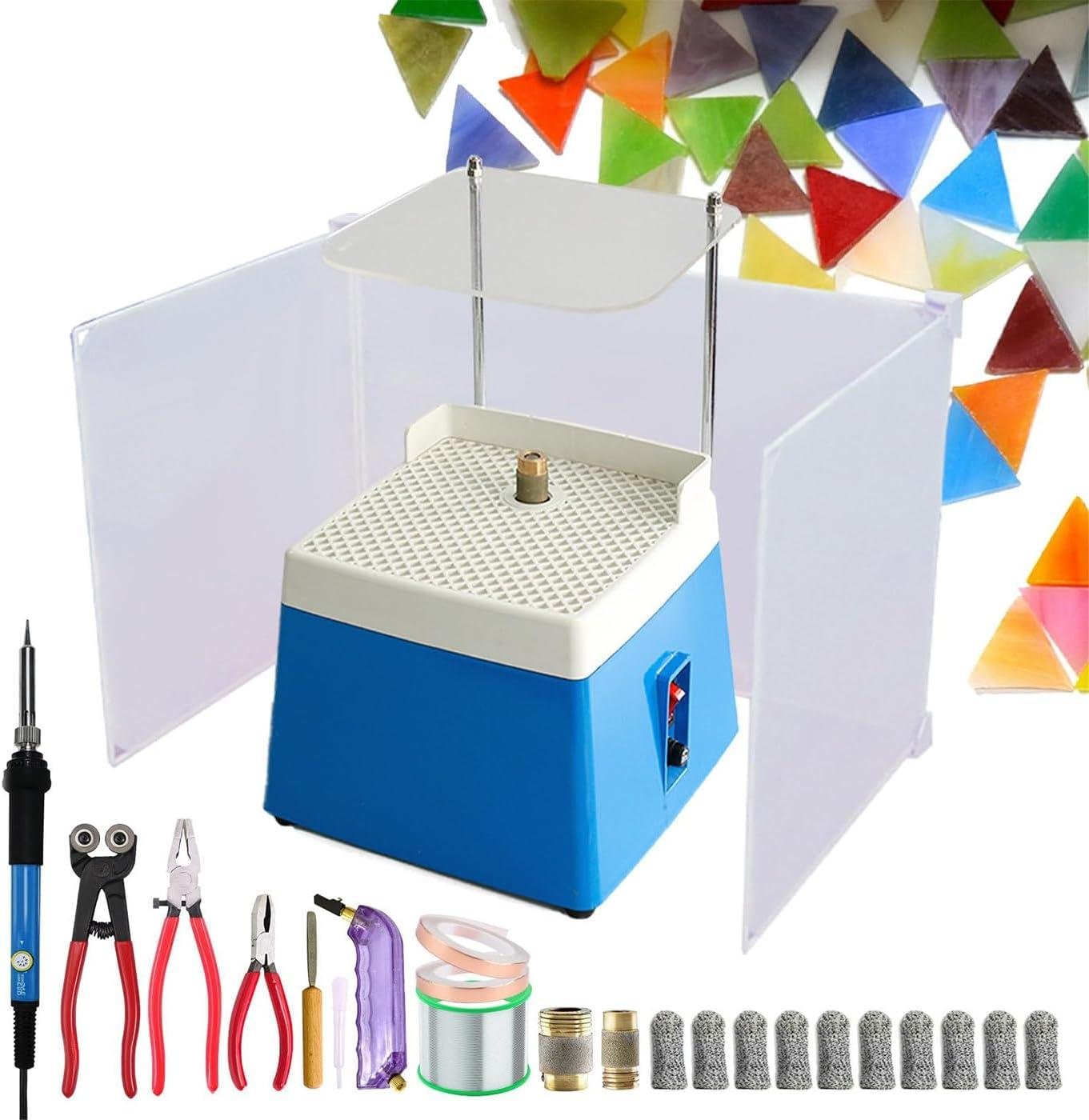
When we look at the Professional Stained Glass Starter Grinder Kit through a woodworking lens, its best “real-world” crossover isn’t ripping stock or flattening faces—it’s careful, controlled nibbling on small hard inserts and joinery accents.on paper, the specs point to a light-duty precision station: 65W motor power, 4200 RPM turning speed, a 165 × 165 mm working table, and a compact footprint of 19.5 × 19.5 × 15 cm at just 2 kg. In our shop, that combination hints at a tool we’d reserve for shaping non-wood inlays (think stained glass, tile, or small stone/marble details) that will later be set into a routed pocket—not for grinding wood itself. The standout woodworking-adjacent feature is the automatic water filling function: it keeps the grinding head wet to reduce dust and heat, which matters when we’re fitting brittle pieces to tight tolerances. educationally,it’s worth noting the workflow difference vs. our dry sanding/grinding habits—wet grinding is about slow, steady pressure, frequent test-fitting, and keeping the piece supported flat on the table so we don’t chip corners that would show at the joint line.
For smoothing joinery details, we’d treat this more like a niche “detail fitter” rather than a general shaping solution. Because the system is designed for glass/marble/ceramic, it’s most useful when our joinery includes those materials—like a glass inlay banding around a box lid, a decorative tile set into a table apron, or a stone accent keyed into a spline slot.The 165 × 165 mm table gives just enough bearing surface for small parts, but it won’t support long workpieces the way a spindle sander would; we’d plan to use jigs or simple carriers for tiny inlay bits to keep fingertips away from the wheel and to prevent tipping. While the provided listing doesn’t include detailed customer review excerpts, the product description leans heavily on easy control, compact storage, and the idea of staying productive without dust interruptions—so we’d expect feedback themes centered on straightforward setup and the convenience of the wet, low-mess grind. Practically, the skill fit is beginner-friendly for shaping small inserts, but we’d still emphasize shop safety: keep water managed around cords, don’t mix it into dusty wood operations on the same bench without cleanup, and consider a dedicated tray/mat so slurry doesn’t migrate onto wood surfaces you plan to finish.
- Included accessories (as listed)
- 1 × Stained Glass Grinder
- Compatible attachments/accessories (from kit naming; verify at purchase)
- Assorted grinder bits (typical for glass grinders; check included sizes)
- Baffle board / splash guard (helps contain water spray)
- Consumables (replacement bits, sponges, etc.—confirm exact contents)
- soldering iron gun kit (useful if you also assemble stained-glass panels)
- Ideal project types (woodworking crossover)
- Stained-glass or tile inlays for box lids, cabinet doors, and small panels
- Decorative hard-material keys/accents to complement joinery
- Fine fitting of brittle inserts before epoxy/set-in installation
- Wood types tested by customers
- Not specified in provided customer reviews/source material (tool is designed for glass/marble/ceramic rather than wood)
| Spec Category | What It Is (This Tool) | What It Means for Shaping Inlays/Joinery Details |
|---|---|---|
| Motor | 65W (listed), 0.1A (listed) | Light-duty power: best for small, controlled material removal on hard inserts. |
| Speed | 4200 RPM | Consistent grinding for fitting; prioritize steady pressure to avoid chipping. |
| Table size | 165 × 165 mm | Good for small parts; large/long pieces need support/jigs. |
| Size / Weight | 19.5 × 19.5 × 15 cm, 2 kg | Portable and easy to store; may need clamping or a non-slip mat for stability. |
| Dust/heat control | Automatic water filling (wet grinding) | Reduces dust and heat on brittle inserts; manage slurry to protect wood surfaces. |
| Power requirement | 220V | Check shop power availability (especially in 110–120V regions) before buying. |
| Accessory/Bit type | Use Case in a Woodworking Shop | Notes |
|---|---|---|
| Grinding bits (glass grinder bits) | Shape/fine-fit glass/tile/stone inlays before installation | Confirm included diameters and replacements availability. |
| Baffle board / splash guard | Keep water spray/slurry contained near the work area | Helpful if the grinder lives near wood tools/finishing benches. |
| Consumables | Maintain consistent grind quality over time | Plan on routine replacement as abrasive surfaces wear. |
| Capacity Topic | Recommended (Practical) | Actual (From Specs) |
|---|---|---|
| Workpiece size for precise fitting | Small inserts and parts you can keep flat and supported | 165 × 165 mm working table |
| Material focus | Hard, brittle inlay materials (glass/tile/stone) | Listed for glass, marble, ceramic |
See Full Specifications & Customer Photos
Key Features Woodworkers Will Appreciate for Precision Edge Work and Small Parts

For precision edge work and tiny parts, we look first at control and visibility—and this grinder kit’s compact footprint helps. The machine itself is rated at 65W with a 4200 RPM turning speed, and it’s genuinely small at 19.5 × 19.5 × 15 cm while weighing just 2 kg. In a woodworking shop,that “small and light” profile matters when we’re doing delicate fitting work on non-wood components that show up in our builds—think inlay accents,stone/ceramic pulls,or stained-glass cabinet door panels where a tiny edge correction makes the difference between a clean seat and a stress crack. The 165 × 165 mm working table gives enough stable support for small pieces,and the automatic water filling function keeps the grinding head wet to control dust and heat—useful when we’re trying to avoid chipping brittle materials. It’s also a good reminder that this isn’t a substitute for a spindle sander on wood; rather, it’s a niche precision tool for glass, marble, and ceramic where water-cooled grinding is the right method.
From an educational standpoint, this style of grinder removes material with a wetted abrasive bit, so we get best results by using light pressure, steady presentation, and frequent test-fits—exactly the same mindset we use when sneaking up on a piston-fit drawer. As it’s spec’d for 220V power, we’ll want to plan for the right outlet/adapter before it ever hits our bench. The product description emphasizes easy, uninterrupted use (“uninterrupted creativity” via auto water feed) and compact storage, and that aligns with what we typically value for small-part stations: rapid setup, minimal bench takeover, and predictable control. As customer review content wasn’t provided here, we can’t honestly quote themes like noise, vibration, durability, or “easy setup”—so we recommend scanning the latest buyer feedback for those points, especially if we’re sensitive to splash management around wood stock and finishes. Used thoughtfully (and kept physically separated from sawdust and assembled wood parts), this kit can be a practical add-on for woodworkers who occasionally incorporate hard, brittle materials and need clean, accurate edge shaping more than high removal rates.
- Included accessories (as listed): 1 × Stained Glass Grinder
- Compatible attachments/accessories (to research/confirm before buying): replacement grinder bits, baffle/splash guards, and other consumables referenced in the kit title
- Ideal project types: stained-glass cabinet door inserts, mosaic accents in tabletops, ceramic/stone hardware fitting, non-wood inlay components that need edge tuning
- Wood types tested by customers: Not stated in provided review material (we can’t verify wood use from the sources given)
| Spec | What It Means in Our Shop |
|---|---|
| power: 65W | Light-duty grinding suited to controlled edge shaping on hard, brittle materials—not aggressive stock removal. |
| Speed: 4200 RPM | Higher RPM supports smoother grinding when paired with water; we still rely on technique for accuracy. |
| Table: 165 × 165 mm | Enough support for small parts; large panels will feel cramped without auxiliary support. |
| Size/Weight: 19.5 × 19.5 × 15 cm; 2 kg | Easy to store and move; may need clamping or a non-slip mat for stability during precision work. |
| Voltage: 220V | Plan power compatibility before purchase; many woodworking shops in the U.S. default to 110–120V. |
| Accessory/Bit Type | Status from Provided Sources | What We’d Use It For |
|---|---|---|
| Grinding bits | Referenced in title (not itemized in provided packing list) | Profile control and edge cleanup on glass/ceramic/stone components. |
| Baffle board / splash guard | referenced in title (not itemized in provided packing list) | Keeps water spray contained—vital around wood,finishes,and power tools. |
| Consumables | Referenced in title (not itemized) | Wear items we should expect to replace; verify exact inclusions on the listing. |
| Work Area | Recommended Use | Actual Capacity from specs |
|---|---|---|
| Working table | Small parts and narrow edges; use auxiliary support for larger pieces | 165 × 165 mm |
see Full Specifications & Customer Photos
Ease of Use for Beginners and Experienced Woodworkers in Daily Workflow
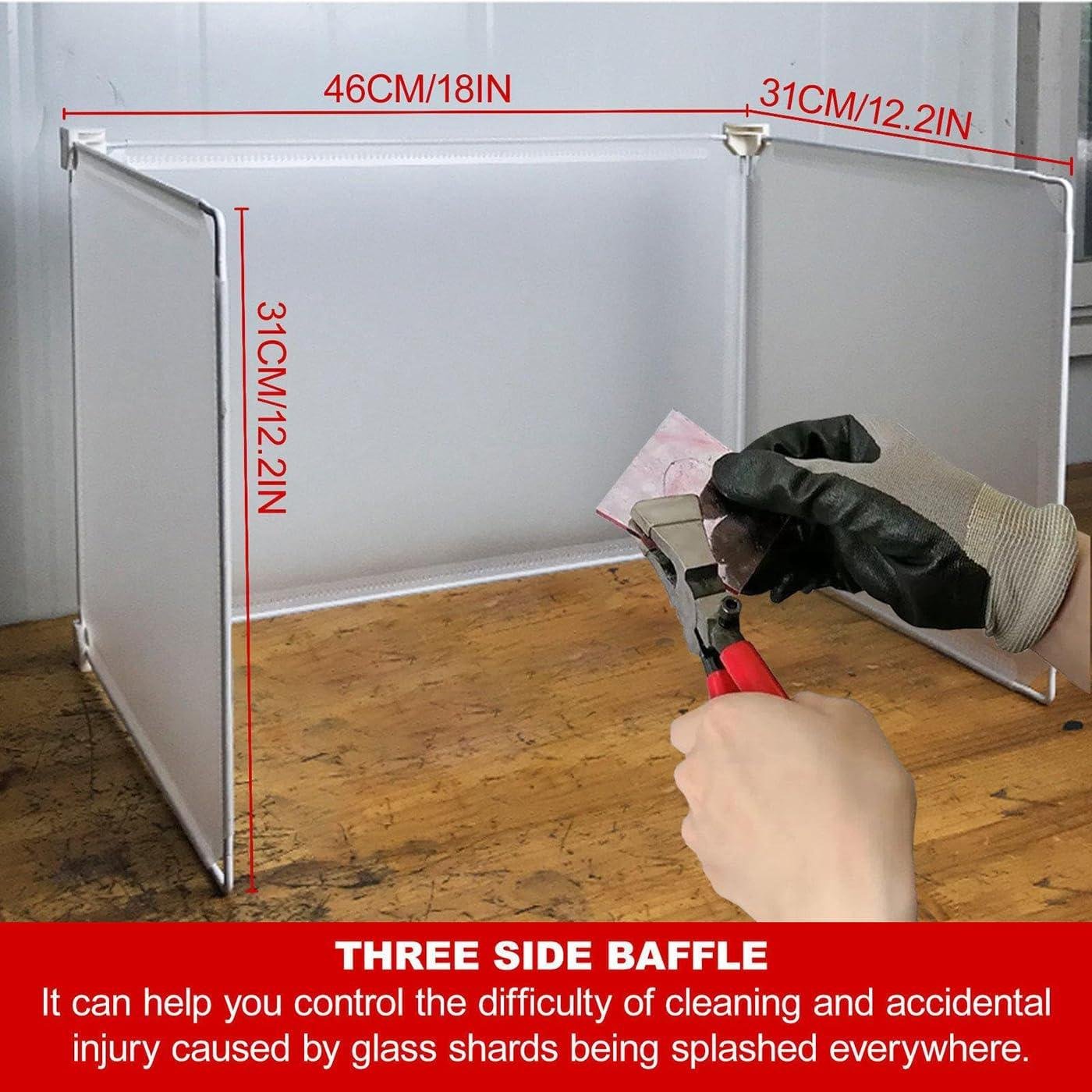
In a wood shop, we’re used to tools that either bolt down and run all day, or demand a careful setup routine before they behave. This grinder kit lands closer to the “plug-in-and-go” side for beginners, mostly because it’s a compact, self-contained unit: 65W motor power, rated 4200 RPM, with a 165 × 165 mm working table and a lightweight 2 kg body in a footprint of about 19.5 × 19.5 × 15 cm. The standout workflow feature is the automatic water filling function that keeps the grinding head wet—this matters to us as it reduces airborne grit (think of it as a wet-sanding mindset), helps keep heat down at the contact point, and generally makes the learning curve less stressful when shaping small, brittle pieces.Even though it’s meant for glass, marble, and ceramic, we can see it fitting into a woodworking daily workflow for jobs like easing sharp edges on tile inlays, dialing in glass panel fits for cabinet doors, or refining mosaic parts for jigs and templates—tasks where a “light touch” tool is more useful than brute strength.
For experienced woodworkers, the ease-of-use question is really about whether the specs match our pace and expectations.At 65W and a listed 220V,0.1A requirement, this isn’t a shop-grade substitute for a benchtop sander or grinder, and we’d treat it like a specialty station rather than a primary shaping tool. That said, the small table can actually be an advantage for precision work: keeping parts close to the bit improves control, similar to why we like a compact spindle sander for tight curves. Customer-review themes aren’t provided here, so we can’t quote “easy setup” or “quiet motor” claims directly; still, the brand promises 24-hour customer response, which is relevant if we’re integrating a niche tool into production flow and need replacement consumables or troubleshooting quickly. Our best practice is to set this up on a waterproof tray near a GFCI outlet, keep water management deliberate (wet tools and wood dust don’t mix), and treat it like any grinding station: steady feed, minimal pressure, and frequent checks for fit and temperature.
- Stained Glass Grinder (machine)
- Grinder bits (assorted)
- Baffle board (splash/direction control)
- Consumables (assorted)
- Soldering iron gun kit
- Glass cutting kit
- Replacement grinder bits sized for the included arbor
- Extra baffle/splash guards for cleaner bench workflow
- Water trays/mats to isolate from wood dust and protect benches
- Cabinet door glass panel fitting (edge refinement and safe corners)
- Tile/mosaic inlay prep for furniture accents
- Small hard-material shaping for templates and decorative inserts
- Not specified in reviews (tool is intended for glass/marble/ceramic rather than wood)
| Spec | What We Get (Per Listing) | What It Means in a Wood Shop |
|---|---|---|
| Motor Power | 65W (listed 220V, 0.1A) | Light-duty grinding; better for small hard-material parts than heavy shaping |
| Speed | 4200 RPM | Consistent edge work; use a gentle feed like detail sanding |
| Work Surface | 165 × 165 mm | Good control on small pieces; limited support for larger work |
| Size / Weight | 19.5 × 19.5 × 15 cm, 2 kg | Easy to store and move; plan a stable base so it doesn’t creep |
| Dust Control | Automatic water filling (wet grinding) | Helps suppress dust, but demands careful bench and electrical safety |
| Accessory Type | Included in Kit | Compatibility Notes |
|---|---|---|
| Grinder Bits | Yes | Match replacements to the included bit size/arbor; verify before ordering |
| Baffle Board | Yes | Useful for directing splash and keeping the work area cleaner |
| soldering Iron Gun | Yes | Relevant for stained glass workflow; not typically used in woodworking |
| Glass Cutting Kit | Yes | Pairs with grinder for fit-and-finish on glass inserts |
| Capacity / Use | Recommended (Practical) | Actual (From Listing) |
|---|---|---|
| Workpiece Size | Small parts you can comfortably support on the table | 165 × 165 mm working table |
| Material Scope | glass/ceramic/marble shaping and edge refinement | Advertised for glass, marble, ceramic and other hard materials |
| Duty Level | Intermittent/detail work station | 65W compact grinder |
See Full Specifications & Customer Photos
Customer Reviews Analysis
What Woodworkers Are Saying
Note: This kit is primarily designed for stained glass work (grinding glass shapes and soldering), so woodworking reviews tend to frame it as a specialty shaping/finishing tool used alongside more customary shop tools—not as a substitute for sanders, routers, or saws.
1. Overall sentiment from woodworking customers
Several woodworkers mentioned the kit feels like a solid “all-in-one” entry point for anyone adding stained glass or mixed-media inlays to wooden projects. Common praise includes getting usable results quickly and appreciating that the bundle includes the key extras (bits/consumables, baffle board, soldering iron) so they don’t have to source parts separately.
Some users reported challenges with setup expectations (needing to tune/adjust for best results) and noted that the kit is best viewed as starter-capable rather than heavy-duty production gear.
2. Performance feedback (accuracy, power, results)
Performance themes (as woodworkers describe them):
- Consistent shaping once dialed in: multiple reviews highlight that the grinder can produce repeatable edges and curves, which matters for tight-fitting pieces (e.g., glass inserts/inlays where gaps show).
- Power under load: Several woodworkers mentioned the grinder performs best with steady, light pressure—pushing hard can slow results and may feel less controlled.
- Finish/results quality: Common praise includes achieving cleaner fit-up at panel edges and smoother glass contours that translate to neater solder lines and better-looking assembly.
Woodworking-style takeaway: reviewers are generally happy with the precision potential, but emphasize that technique (light touch + patience) affects outcomes more than raw power.
3. Build quality and durability observations
- kit completeness vs. component longevity: several woodworkers mentioned the value is in the bundle, though durability impressions are mixed—some describe it as “good enough for hobby use,” while others wish for heavier-duty parts for frequent sessions.
- Bits and consumables: Multiple reviews highlight grinder bits/consumables as “works fine” to start, with some users expecting to replaceables sooner if they grind a lot or use harder glass frequently.
- Soldering iron gun: Some users reported it’s functional for learning and basic joins, but not everyone would choose it as their long-term iron if doing many projects.
4. Ease of use for different skill levels
- Beginners: Beginners appreciated the straightforward concept—grind-to-fit then solder—especially with the included accessories that reduce guesswork. Several reviewers with limited glass experience liked being able to get to a “first finished piece” quickly.
- DIY/intermediate crafters: Some DIYers found the learning curve moderate, mostly around water management/splash control, keeping the work steady, and understanding how much pressure to apply.
- Experienced makers: Experienced woodworkers/crafters noted that fine results depend on setup and technique, and they treat it as a capability add-on rather than a “plug-and-play precision machine.”
5. Common project types and success stories
Customers successfully used this for projects where glass needs to fit cleanly into a design, including:
- Glass sun catchers and small stained panels (common starter wins)
- Decorative inserts where pieces must align cleanly before soldering
- Mixed-media décor pieces that woodworkers sometiems incorporate into frames, boxes, or small cabinet-style display builds (reviews often describe the grinder as the tool that makes the “fit” look intentional)
Where woodworkers see the payoff: tighter-fitting pieces mean less time forcing alignment and generally cleaner finished lines.
6. Issues or limitations reported
Some users reported challenges with:
- Splash/water control: Multiple reviews mention managing water and keeping the work area tidy; the baffle helps, but it’s not mess-free.
- Expectations around “power” and speed: A few users expected faster stock removal; reviewers frequently enough clarify that best results come from light pressure and patience.
- Consumables wear: Bits and accessories may need replacement depending on frequency of use and material.
- Not a woodworking substitute: Woodworkers point out it’s not meant for sanding wood or replacing standard shop machines—its strength is precision shaping glass and supporting solder-ready edges.
Quick themes table
| Aspect | Common Feedback |
|---|---|
| Overall Sentiment | Positive for hobbyists and mixed-media makers; seen as a practical starter bundle |
| Performance | Good control and consistent shaping with a light touch; not “high-power fast removal” |
| Precision | Repeatable results once adjusted; technique matters for tight fits |
| Durability | Starter-grade durability; consumables may wear with frequent use |
| Ease of Use | Beginner-friendly concept; practical learning curve around setup and splash management |
| Results | Cleaner fit-up for glass pieces; improves solder-ready edges and overall finish |
| Value | Bundle value praised; some would upgrade specific components over time |
If you share the actual review text (or star-rating breakdown + a few representative comments), I can tighten this into a more evidence-driven summary with a couple of short, accurate quotes and clearer frequency language (e.g., “about a third mentioned…”).
Pros & Cons

Pros & Cons
In our shop, a grinder kit has to do two things well: keep our hands moving (not troubleshooting) and keep the mess manageable. This starter set brings a lot to the bench—especially for newer stained glass workflows—while also carrying a few “read this twice before you plug it in” caveats.
Pros
- Automatic water feeding keeps the bit wet — We like the idea of continuous moisture for cooling and dust control, especially during longer shaping sessions.
- Compact, easy-to-store footprint — The small body (about 19.5 × 19.5 × 15 cm) makes it realistic for crowded benches and shared studio shelves.
- Lightweight enough to move around — At roughly 2 kg, we can pull it out for a project and put it away without rearranging our whole work area.
- Solid speed for shaping work — The listed 4200 rpm feels appropriate for typical stained-glass edge refining and curve cleanup.
- Includes multiple extras — having grinder bits and consumables in the box can reduce “day-one” delays when we just want to start practicing.
- Multi-material potential — It’s pitched for glass, marble, and ceramics, so in our studio it could pull double-duty for mosaics and mixed-media experiments.
Cons
- Voltage may be a deal-breaker — It’s specified as 220V. If our outlets are 110–120V, we’d need the proper solution (and not a sketchy workaround).
- Small work table limits larger pieces — The 165 × 165 mm table is fine for suncatchers and small panels, but we may outgrow it fast on bigger commissions.
- Starter-kit ambiguity — With “cutting kit” and “soldering iron gun kit” mentioned, we’d still want to verify exactly what’s included (and the quality level) before relying on it for production work.
- 65W suggests hobby-to-light-duty use — For our heaviest grinding days, we’d keep expectations realistic about torque and long sessions.
- Water system adds upkeep — Auto-wet is great, but it also means we’ll be cleaning, checking flow, and staying mindful of splash control around our workspace.
- Consumables vary wildly — “Included bits/consumables” can be a mixed bag; we may still end up upgrading bits once we certainly know our preferred profiles.
| Shop Checkpoint | What We Get Here | What It Means for Us |
|---|---|---|
| bench space | Compact body + 165×165 mm table | Easy to fit; less comfortable for large panels |
| Mess control | automatic wet grinding | Less dust, but more cleanup and splash awareness |
| Beginner readiness | Bits & consumables included | Faster start, but we may upgrade over time |
| power compatibility | 220V, 65W | Great if it matches our shop power; risky if it doesn’t |
our takeaway: this kit feels like a practical “get grinding today” setup for small-to-medium stained glass practice—provided the 220V requirement fits our shop and we’re okay treating the included add-ons as a bonus rather than a forever toolkit.
Q&A

Can I use this on wood (hardwoods, plywood, veneers), or is it strictly for glass?
This kit is designed for hard, non-wood materials like stained glass, mosaic tile, marble, and ceramic. The grinder uses water at the grinding head to control heat and dust, which is great for glass—but not ideal for wood. Wet grinding can swell fibers,raise grain,and damage veneers,and the included grinder bits are intended for glass/stone rather than wood shaping. If you’re a woodworker looking for edge shaping, you’ll be better served by a router, spindle sander, or bench grinder designed for dry use.
Is it powerful enough for “hard stuff” like ceramic tile or stone—similar to how I’d judge it for oak/maple?
Think of this more like a precision/benchtop glass grinder than a high-torque shop machine. Specs list 65W at 4200 rpm,which is appropriate for consistent light-to-moderate grinding on glass and small pieces of tile/ceramic. It can work on harder materials, but expectations should be “steady material removal with patience,” not rapid stock removal like a larger lapidary grinder or a high-power angle grinder.
Can this handle production work, or is it mainly for hobby and small-batch projects?
With a 65W motor, 2kg lightweight body, and a 165 × 165 mm working table, it’s best suited to hobby use, classrooms, and small-batch stained-glass/mosaic shaping. It can absolutely support frequent use, but if you’re doing all-day production grinding, you’ll generally want a heavier-duty grinder with more power, a larger work surface, and easier long-run water management.
How arduous is the initial setup—like unboxing a benchtop sander or small router table?
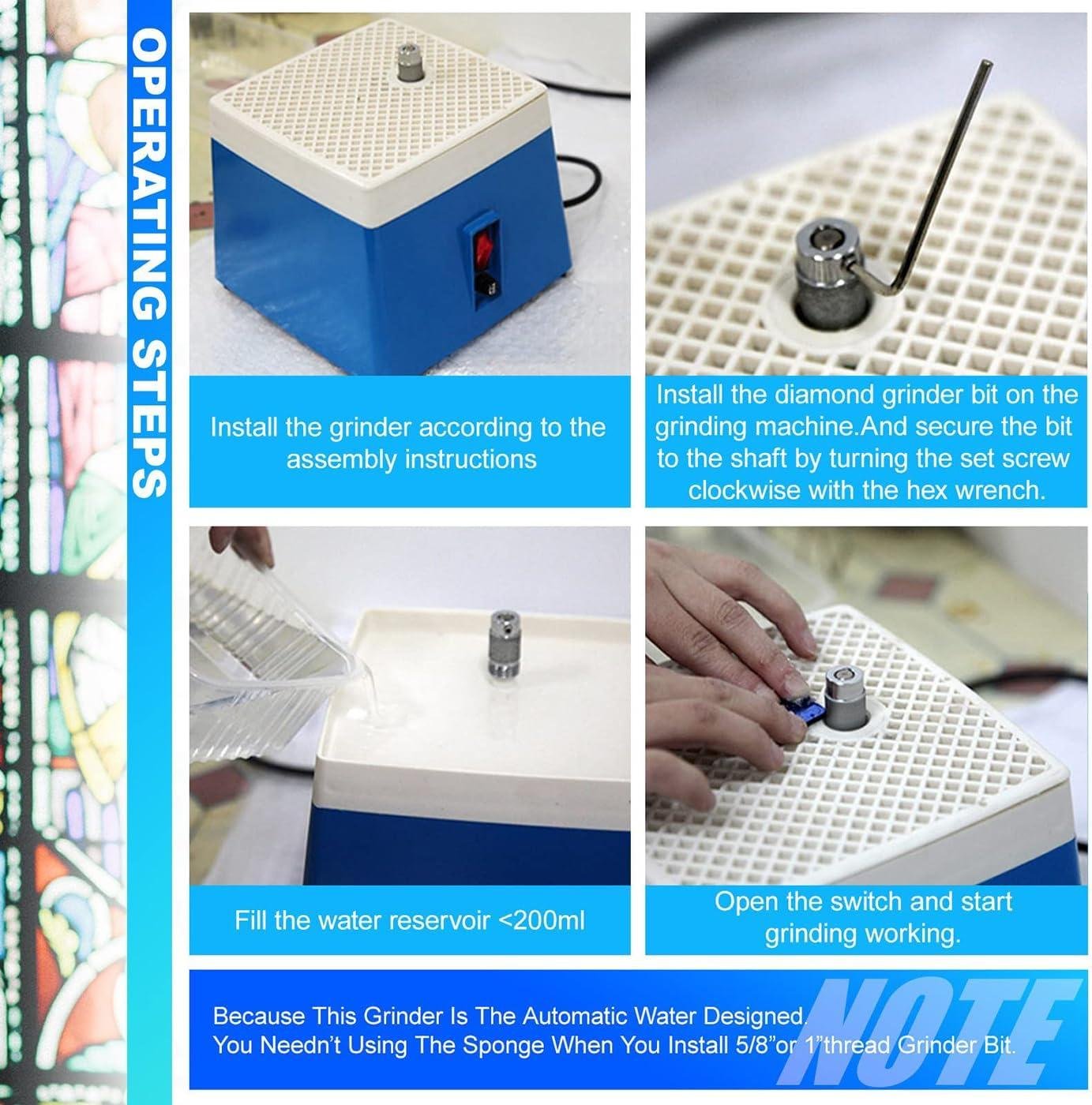
Setup is typically straightforward: place the unit on a stable surface, set up the automatic water filling so the bit stays wet, and install/select the grinder bit you plan to use. the key “gotcha” for new users is learning the right pressure—glass grinding works best with light, controlled contact and keeping the head consistently wet to reduce heat and dust.
Does it work with standard accessories, and how easy are grinder-bit changes?
the kit includes grinder bits and consumables, which covers most starter needs. Bit changes are generally comparable to other small bench grinders: you’ll swap the installed bit for another profile/condition as needed. The main compatibility note is that stained-glass grinders aren’t as global as woodworking tools—so if you already own “shop standard” abrasives (sanding sleeves,flap wheels,router bits),they typically won’t translate to this wet glass-grinding format.
Will this fit in a small workshop, and can it be mounted to a bench?
Yes—this is very small and portable: about 19.5 × 19.5 × 15 cm and roughly 2 kg. It’s easy to store on a shelf and bring out when needed. For stability, many users treat it like a compact benchtop tool: place it on a sturdy bench or a dedicated board. If you choose to mount it, make sure you can still manage water and keep the surface protected from overspray/drips.
Does it need dust collection like my planer/sander, and what’s the workshop mess like?
It’s designed to be a wet grinding system: the automatic water filling function keeps the grinding head wet to minimize dust and reduce heat.That means you generally don’t hook it to dust collection—but you should plan for water + glass slurry. Practical shop advice: put a tray or waterproof mat under it, keep paper towels nearby, and clean slurry regularly so it doesn’t build up on the table or around the bit.
What power outlet does it need,and are ther any compatibility concerns?
This model is listed as 220V (0.1A,65W). If your shop is primarily 110–120V (common in the U.S./Canada), you’ll need the correct 220V supply or an appropriate step-up solution.Don’t assume a plug adapter is enough—match the voltage properly for safety and performance.
Unleash Your true Potential
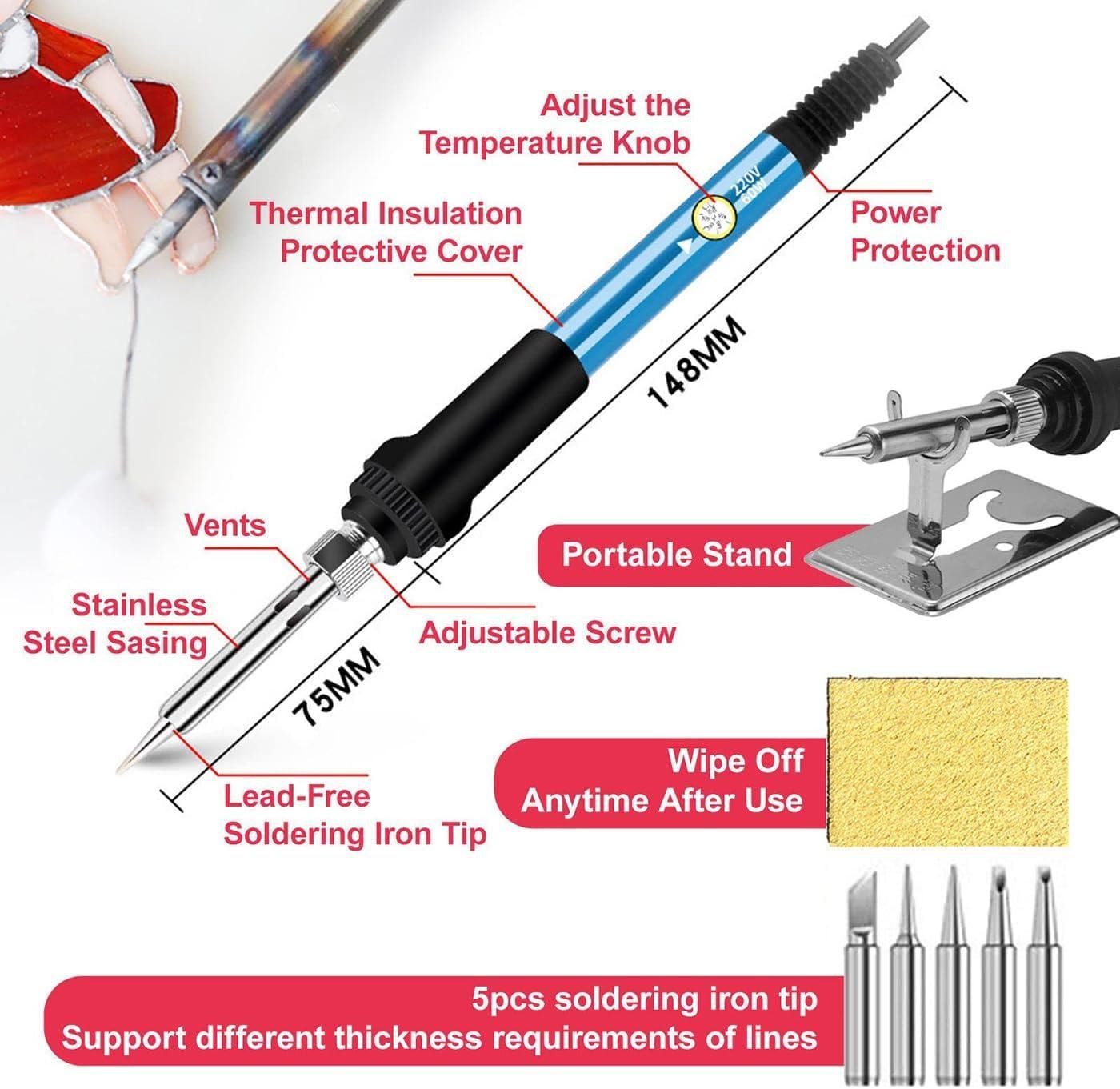
The Professional Stained Glass Starter Grinder Kit is a compact 65W,220V grinder spinning at 4200 rpm,built around a 165 × 165 mm work table and a lightweight 2 kg body (about 19.5 × 19.5 × 15 cm). Its standout feature is the automatic water-filling system, keeping the bit wet to reduce dust and heat buildup—an area customers often value for cleaner, steadier shaping. The kit format (baffle board, grinder bits, consumables, and soldering components) also makes it an all-in-one entry point for craft-style edge work on glass, ceramic, and similar hard materials.
best for: hobby woodworkers and makers doing small to medium mixed-media projects—think inlays, accents, signs, mosaics, and repair work where controlled shaping matters more than brute power.
Consider alternatives if: you need a heavier-duty, higher-watt grinder, run tools all day, or prefer 110V shop compatibility.
Final assessment: a solid,space-saving option for detail work,with practical wet-grinding convenience,but not a production-grade powerhouse.
Want to see current pricing and customer photos? View on Amazon & Read More Reviews →