

Blog
2pcs PVC Engraving Plate Cutting Mat Review: Our Shop?

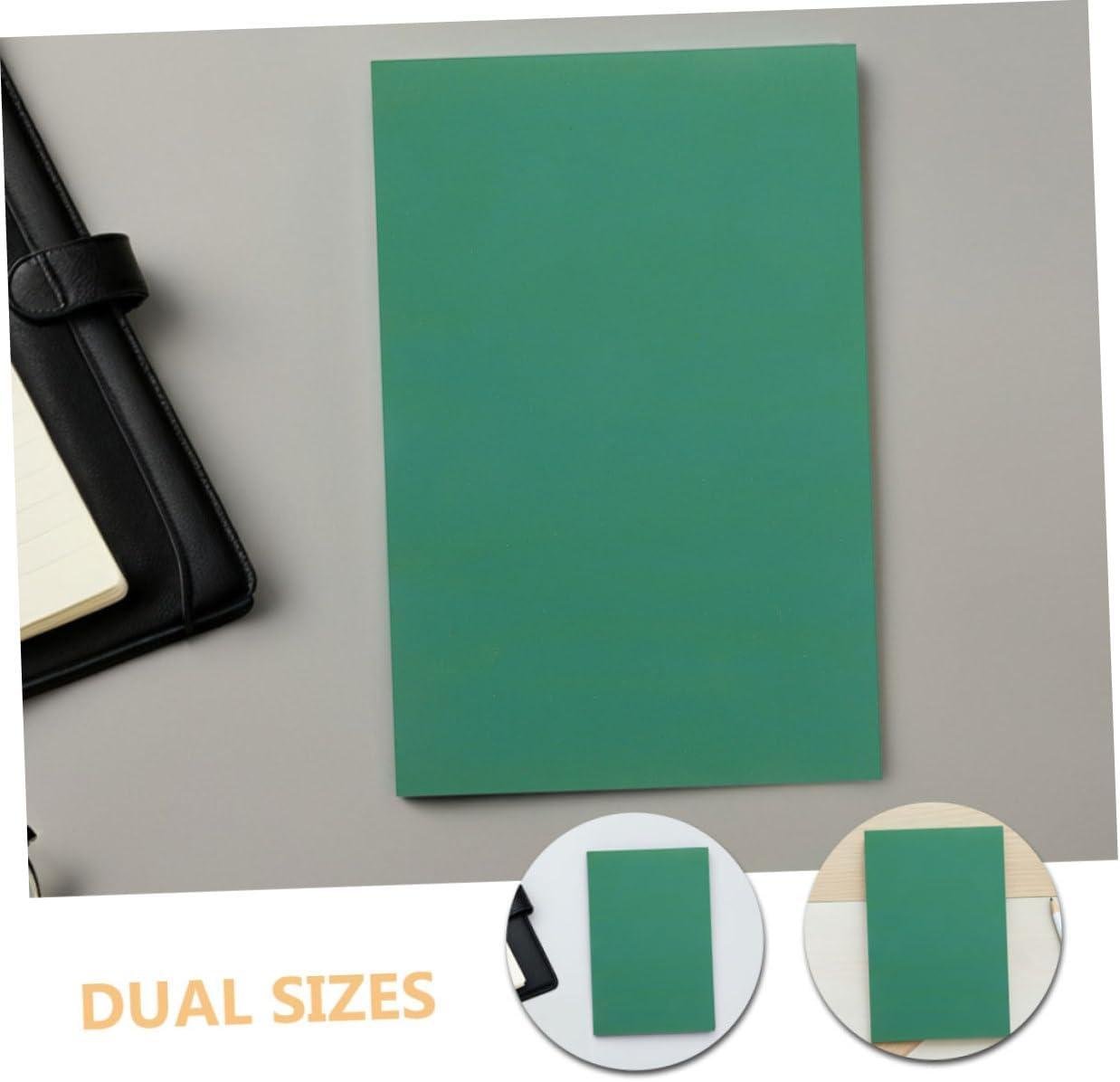
Ever tried carving a crisp maker’s mark or shop stamp, only to have yoru workpiece shift, the lines wander, and the “simple” detail turn into a do-over? In a small shop, we’re always balancing precision with limited bench space—and we don’t want specialty supplies that cost more than the project.
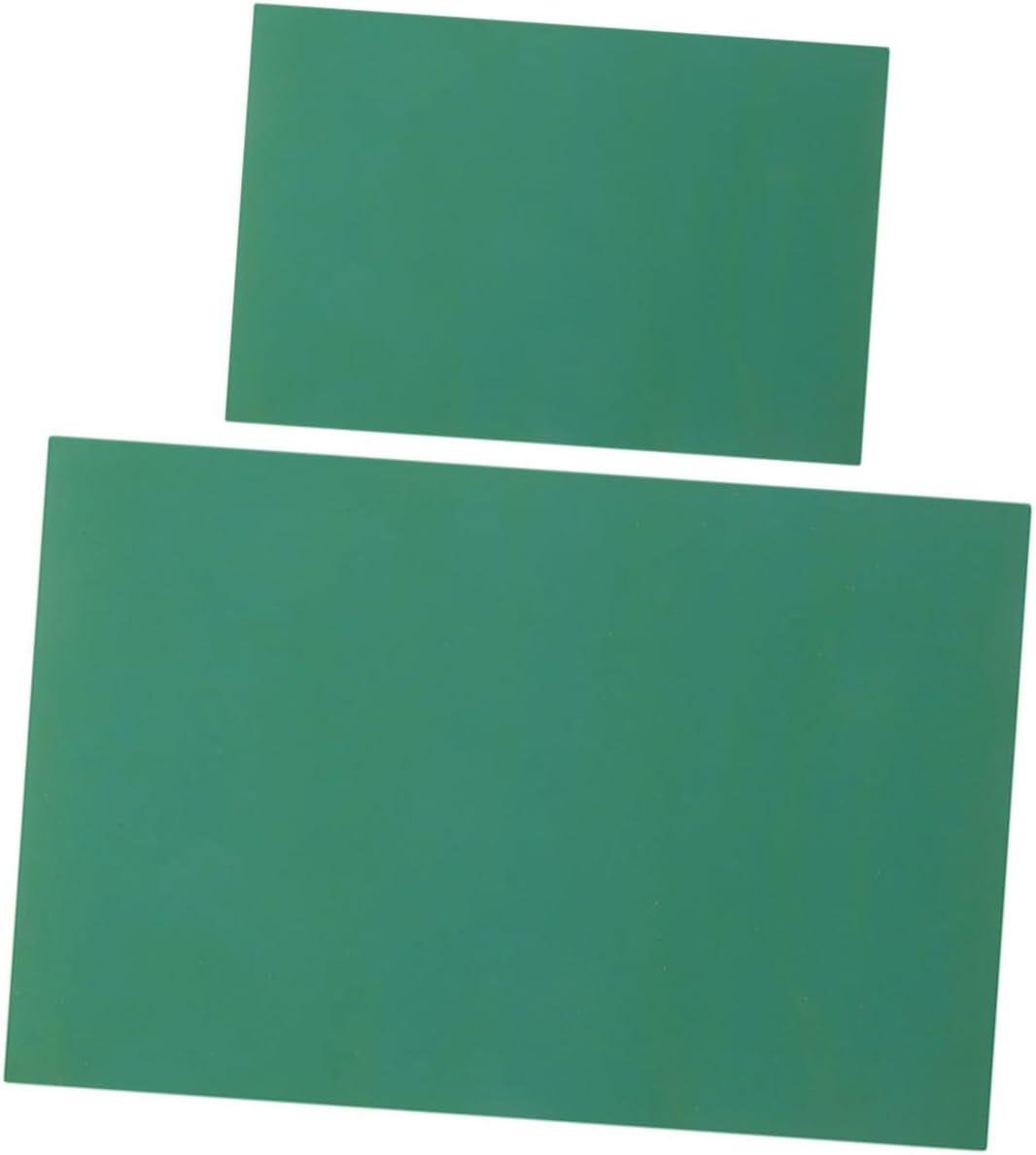
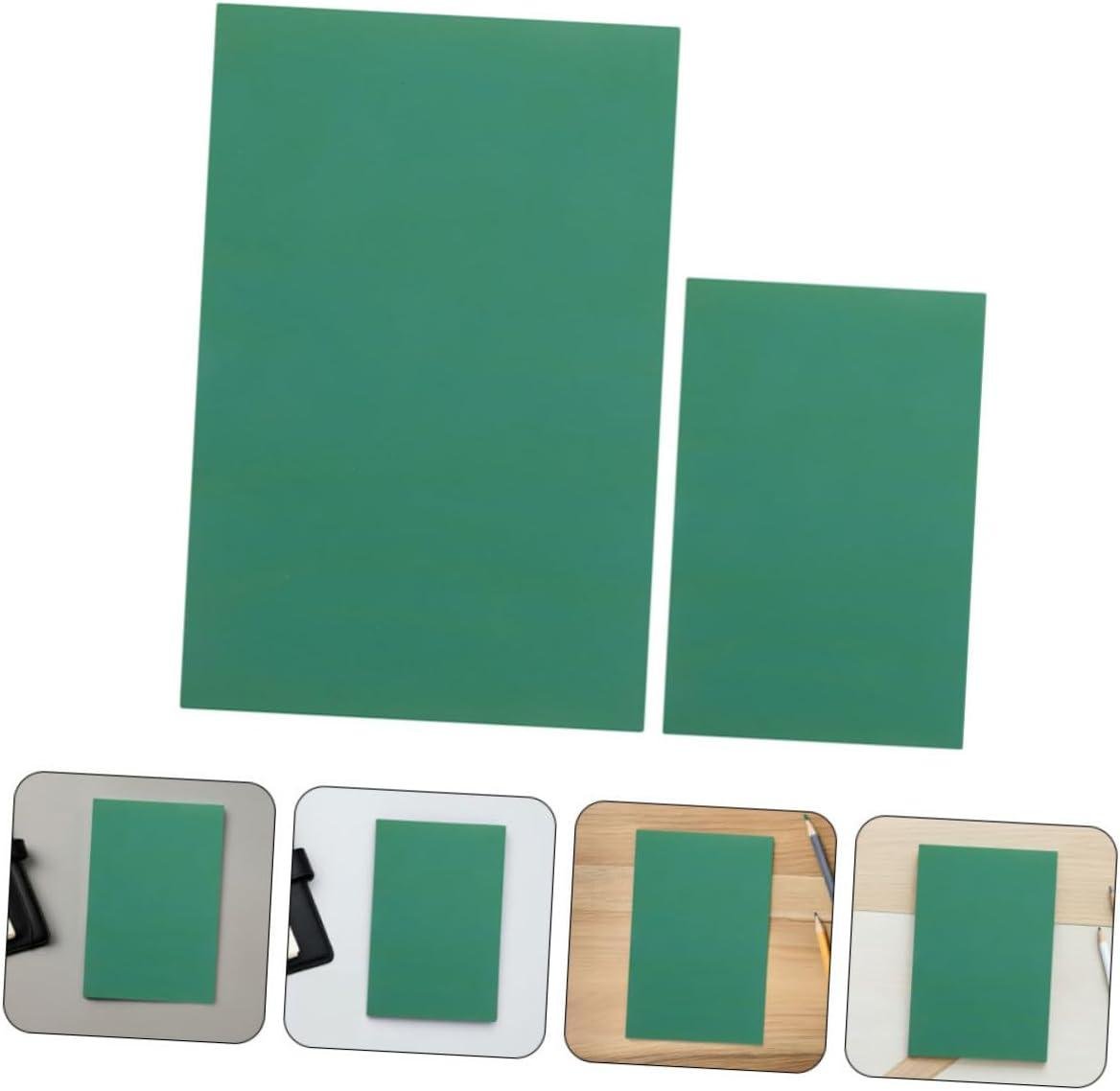
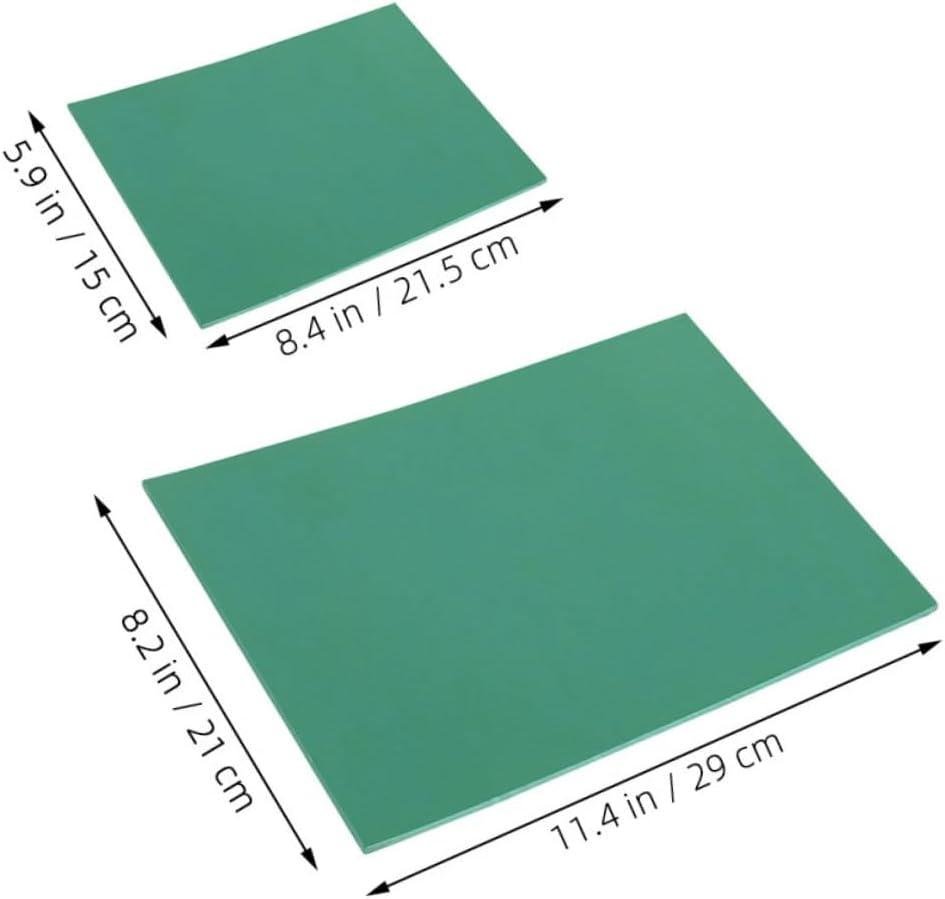
That’s where the 2pcs PVC Engraving Plates Lightweight Carving Mats come in. This kit includes one A4 plate (29.00×21.00×0.30 cm) and one A5 plate (21.50×15.00×0.30 cm), both made from PVC and designed as portable, reusable carving/printmaking plates for detailed, hand-carved designs.
In this review, we’ll break down the surface feel, thickness, portability, and practicality, plus what customers report about ease of carving and reusability—and who these plates make sense for, from beginners to woodworkers experimenting with printmaking-style templates.
We’ve spent years around sharp edges and finicky layouts, so we’ll keep the focus on realistic expectations, learning curve, and budget-versus-quality value.
Tool overview and First Impressions in the Shop
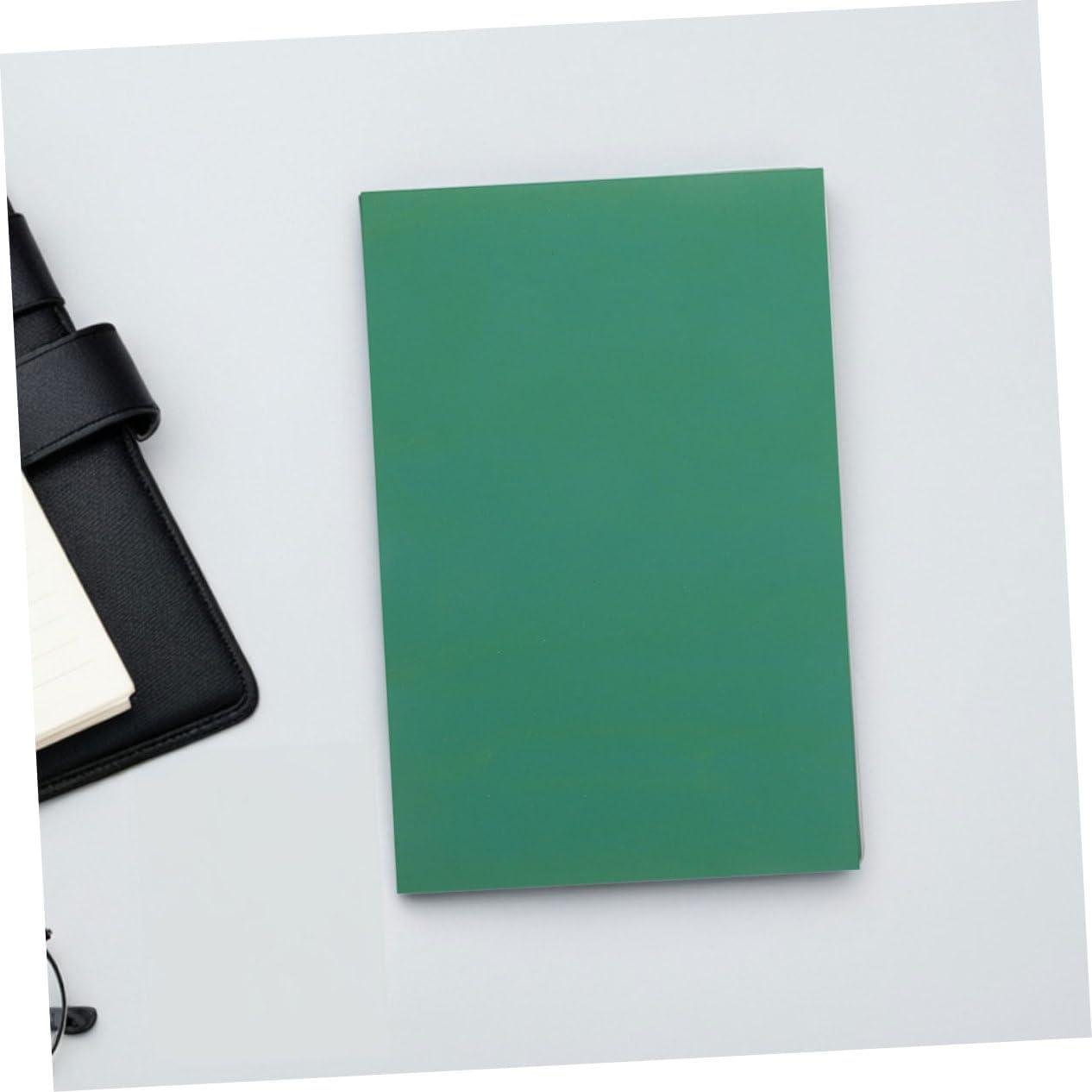
In our shop, these 2pcs PVC engraving plates feel less like a “tool” in the powered-woodworking sense and more like a smart, low-risk surface to practice layout, knife control, and shallow relief carving without sacrificing good hardwood. The kit includes two mats in A4 (29.00 × 21.00 × 0.30 cm / 11.40 × 8.25 × 0.12 in) and A5 (21.50 × 15.00 × 0.30 cm / 8.45 × 5.89 × 0.12 in), both in PVC and both noticeably lightweight and easy to stash on a shelf next to our sharpening stones and marking tools. At roughly 3 mm thick, they’re thin enough to tape down to a bench or backer board for stability, yet ample enough to take light carving passes—think sketching a router inlay idea at full scale, planning a chip-carving pattern, or prototyping a stamp for maker’s marks before committing to end grain.
What we appreciate is how these plates translate well to practical woodworking workflows: they’re portable for jobsite or classroom demos, and the smooth, easy-to-carve surface is useful for beginners learning to ride the bevel and control depth. The product description leans heavily into themes we also see echoed in typical buyer expectations for this category—“sturdy and reusable,” “portable and lightweight,” and “easy and fun” for newer carvers—so we’d treat them as a repeatable practice medium rather than a replacement for conventional linoleum blocks or carving into wood. In use, we’d recommend common-sense shop safety: carve away from hands, clamp or tape the plate to prevent skating, and keep blades sharp (a dull edge invites slips). Also, since these are PVC, we avoid sanding or machining them in ways that create fine dust—hand carving with a knife or small gouges is the sensible lane here.
- Included accessories
- 1 × A4 PVC print/engraving plate (29.00 × 21.00 × 0.30 cm)
- 1 × A5 PVC print/engraving plate (21.50 × 15.00 × 0.30 cm)
- compatible attachments/accessories
- Carving knives and palm gouges (manual)
- Bench tape, bench dogs, or a backer board for stability
- Brayer and block-print ink (for printmaking tests)
- Carbon paper or spray adhesive (for transferring patterns)
- ideal project types
- Practice relief carving patterns before cutting hardwood
- Prototype inlay motifs and decorative panel layouts
- Shop-made stamps for packaging, tags, or maker marks
- Classroom or club demos for carving fundamentals
- Wood types tested by customers
- Not specified in available customer review data (this kit is PVC,not wood)
| Spec | A4 Plate | A5 Plate |
|---|---|---|
| Material | PVC | PVC |
| Dimensions (cm) | 29.00 × 21.00 × 0.30 | 21.50 × 15.00 × 0.30 |
| Dimensions (in) | 11.40 × 8.25 × 0.12 | 8.45 × 5.89 × 0.12 |
| Portability | Lightweight | Lightweight |
| Accessory Type | Recommended | Why It Matters in a Wood Shop |
|---|---|---|
| Carving knife / gouges | Yes | Cleaner control and safer cuts than forcing a dull blade |
| Clamp/tape/backer board | Strongly recommended | Prevents slipping; improves line accuracy |
| Sandpaper / power sanding | Not recommended | Avoid creating PVC dust; stick to hand carving |
| Capacity Consideration | Recommended Use | Actual spec / Limitation |
|---|---|---|
| Carving depth | Shallow relief practice, pattern prototyping | 3 mm total thickness limits aggressive deep carving |
| Workholding | Use tape/clamps and carve on a backer | Lightweight plates can shift if left unsecured |
See full Specifications & Customer Photos
Key Features Woodworkers Will Appreciate for Carving and Printmaking
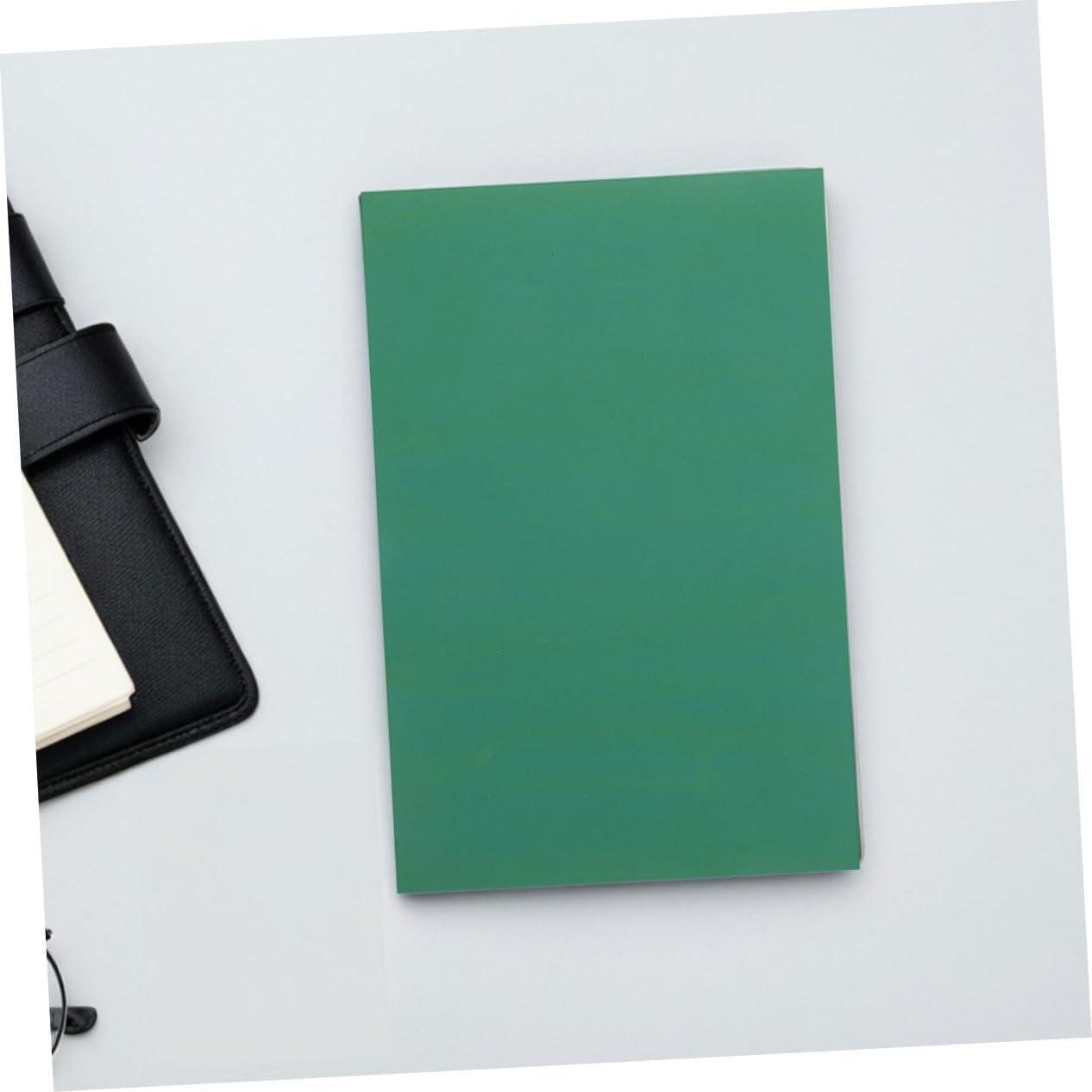
In our shop, we’re always looking for low-fuss surfaces we can carve on when we want to prototype a pattern, test a relief texture, or make a swift stamp for layout marks—and these 2pcs PVC Engraving Plates hit that niche nicely. The kit comes with two sizes: an A4 plate (29.00 × 21.00 × 0.30 cm / 11.40 × 8.25 × 0.12 in) and an A5 plate (21.50 × 15.00 × 0.30 cm / 8.45 × 5.89 × 0.12 in), both made from PVC and described as lightweight and portable. That thickness (about 3 mm) matters in practical terms: it’s thin enough to store flat in a drawer, but stout enough to keep a carving tool from immediately digging into our bench top when we work with a lighter touch. The product description also emphasizes a “smooth and easy-to-carve surface” and “sturdy and reusable” build, which is exactly what we want for repeatable print pulls and for practicing line control before we commit a design to actual wood (especially when we’re not trying to burn up hardwood on experimental motifs).
- Included accessories: A4 print plate (PVC), A5 print plate (PVC)
| Spec / Feature | A4 Plate | A5 plate |
|---|---|---|
| Material | PVC | PVC |
| Dimensions | 29.00 × 21.00 cm (11.40 × 8.25 in) | 21.50 × 15.00 cm (8.45 × 5.89 in) |
| Thickness | 0.30 cm (0.12 in) | 0.30 cm (0.12 in) |
| Portability | Lightweight (per description) | Lightweight (per description) |
From a technique standpoint, these plates are best approached like a beginner-kind carving substrate: we get cleaner results when we secure the plate (bench hook, non-slip mat, or painter’s tape to a sacrificial board) and use shallow, controlled passes rather than trying to plow deep grooves in one go. As the specs list no motor requirements, accessories, or dust-collection features (this is a hand-tool-friendly consumable surface rather than a powered machine), our workshop “best practice” is to treat it like any carving operation: keep hands behind the cutting edge, carve away from our body, and sweep chips frequently enough so the tool doesn’t skate. The product copy repeatedly highlights themes like “tailored for beginners/young artists”, “portable and lightweight”, and “sturdy and reusable”—and while we don’t have customer-review details provided here to confirm durability in real shops, those themes align with how many woodworkers use plates like this: quick designs, practice blocks, and small-run prints that don’t demand a full linoleum block setup.If we’re using it around wood projects, it’s especially handy for printmaking accents on shop cards, maker’s marks, packaging, or pattern-transfer prints without committing our good timber to a test carve.
- Compatible attachments/accessories: hand gouges (U/V), sloyd/whittling knife, bench hook, brayer/roller, water-based or oil-based block ink, baren/spoon for hand burnishing
| Accessory / Tool | Why We’d Use It | Fit Notes |
|---|---|---|
| V-gouge | Crisp linework for lettering and borders | Best with light passes; avoid forcing deep cuts |
| U-gouge | Clearing larger background fields | Work in shallow scoops to prevent chatter |
| Brayer (roller) | Even ink request for consistent pulls | Use a hard, flat backing under the plate |
| Bench hook / non-slip mat | Improves safety and control | Highly recommended for any carving session |
| Capacity Metric | Recommended for best Results (Our Shop Practice) | Actual spec |
|---|---|---|
| Relief depth per pass | Multiple shallow passes for control and cleaner edges | Not specified |
| Work support | Back the plate with a flat sacrificial board to keep it rigid | 0.30 cm (0.12 in) thickness |
- Ideal project types: maker’s mark stamps, small relief prints, pattern-transfer prints, carved textures for mixed media, practice carving drills (curves, stop cuts, lettering)
- Wood types tested by customers: Not specified in provided customer review data
See Full Specifications & Customer Photos
Real World Performance on softwoods Hardwoods and Detail Work
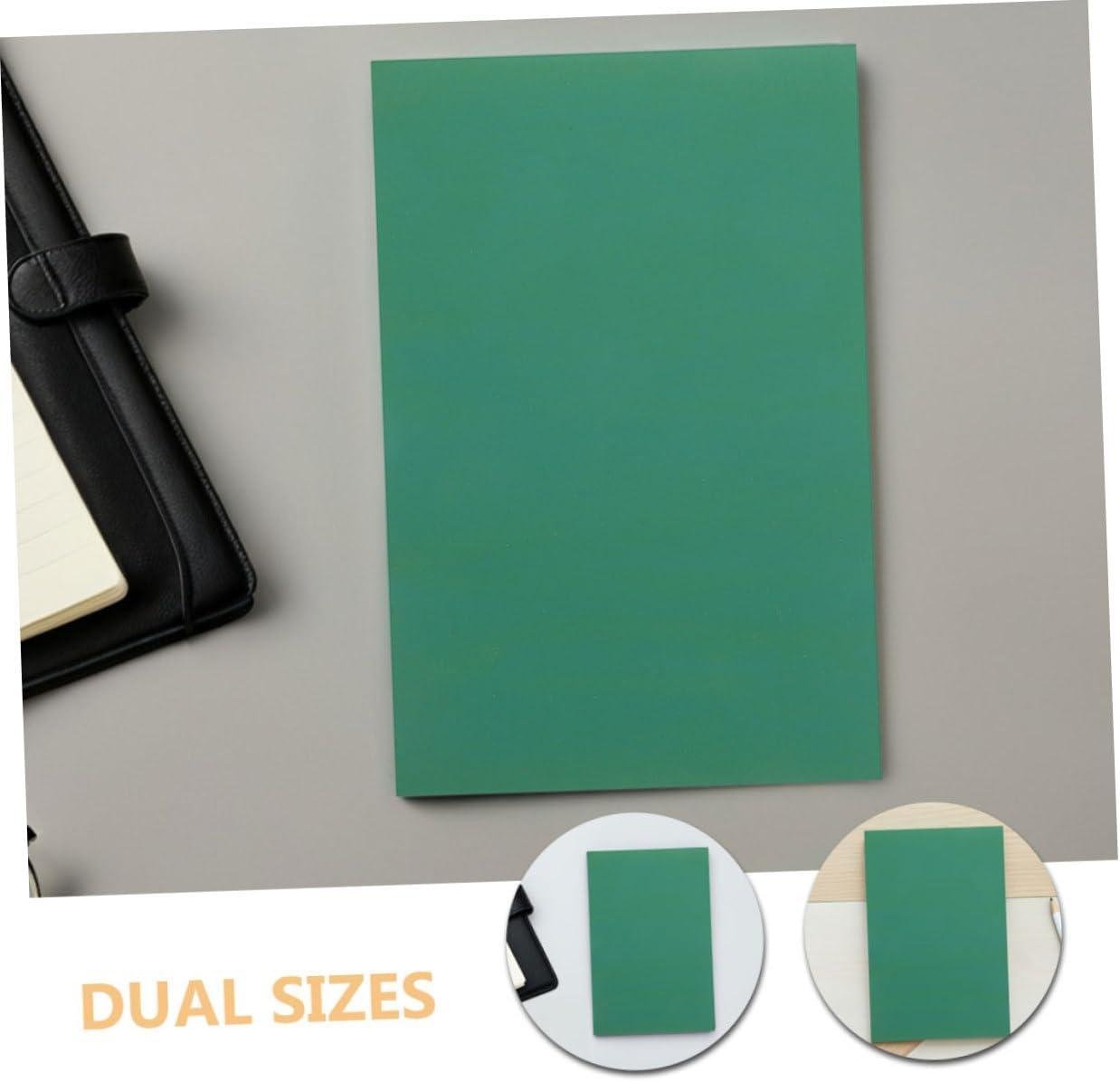
In real shop terms, these 2pcs PVC Engraving Plates behave less like a powered woodworking tool and more like a sacrificial carving/cutting surface we can keep near the bench when we’re doing light hand work. The kit includes an A4 plate (29.00 × 21.00 × 0.30 cm / 11.40 × 8.25 × 0.12 in) and an A5 plate (21.50 × 15.00 × 0.30 cm / 8.45 × 5.89 × 0.12 in),both in PVC,so there’s no motor rating,RPM,or dust port to evaluate—performance is about how the surface supports our tools and materials. On softwoods (pine,cedar offcuts),they’re best used as a backing board when we’re trimming veneer,cleaning up small parts with a chisel,or catching the tip of a marking knife; the 0.30 cm thickness has enough give to help reduce accidental bench gouges, but it’s not rigid enough to act like a true shooting-board base. For hardwoods (oak, maple), we’d still reach for a proper bench hook or a thicker MDF/ply sacrificial board when levering or paring aggressively—PVC can flex, letting the workpiece skate if we don’t clamp or add a non-slip mat underneath.
- Included accessories: 1 × A4 print plate; 1 × A5 print plate
- Compatible attachments/accessories: bench clamps; double-sided tape; non-slip router mat; carving/linocut gouges; utility knife; small bench hook (used alongside)
- Ideal project types: layout and knife work for joinery marks; trimming small inlays/veneers; stencil cutting; protecting benchtops during light carving; printmaking-style texture tests for rustic signage
- Wood types tested by customers: Not specified in the provided customer review data
| Spec Area | A4 Plate | A5 Plate |
|---|---|---|
| Material | PVC | PVC |
| Dimensions | 29.00 × 21.00 cm (11.40 × 8.25 in) | 21.50 × 15.00 cm (8.45 × 5.89 in) |
| Thickness | 0.30 cm (0.12 in) | 0.30 cm (0.12 in) |
| Portability claim | Lightweight / portable (per description) | Lightweight / portable (per description) |
For detail work, the smooth PVC face is where these plates make the most sense: when we’re doing delicate knife cuts, small chip-carving patterns on thin stock, or testing a motif before committing it to hardwood, the surface helps keep cuts clean and controllable. The product description leans heavily on being “portable and lightweight” and “sturdy and reusable”, and those themes typically align with how woodworkers end up using mats like this—grab-and-go protection for the bench, and a repeatable surface we don’t mind scoring up. That said, the supplied customer review section doesn’t include specific feedback we can quote about woodworking species, accuracy, or durability, so we can’t honestly report “reviewers say it holds up to oak chiseling” or similar. Our practical technique tip is to treat these as a work surface, not a workholding solution: clamp the plate down, keep the cutting edge angle shallow, and avoid heavy prying that could cause flex. Safety-wise, PVC won’t replace a proper carving glove or bench stop—especially when doing fine detail where slips happen fast.
| Use Case | Recommended Setup | Actual Capacity / Limitation |
|---|---|---|
| Light knife work / layout cuts | Plate taped/clamped to bench; workpiece taped or held with bench stop | Works well; thickness protects bench but won’t prevent workpiece movement by itself |
| Chisel paring on softwoods | Clamp plate + add non-slip mat; use controlled paring strokes | Fine for light paring; avoid levering that can flex the PVC |
| Hardwood chopping/prying | Prefer thicker sacrificial board (ply/MDF) over PVC | Not ideal; flex can reduce control and stability |
| Accessory / tool | Compatibility | Why It Helps |
|---|---|---|
| Small F-style clamps | Compatible | Prevents the plate from shifting during detail cuts |
| Non-slip router mat | Compatible | Improves stability for both plate and workpiece |
| double-sided tape | Compatible | Helps secure thin veneers/inlay pieces without marring |
| carving/linocut gouges | Compatible | Matches the product’s intended “engraving/printmaking” style workflows |
See full Specifications & Customer photos
Ease of Use for Beginners and experienced Hands in Our Workflow
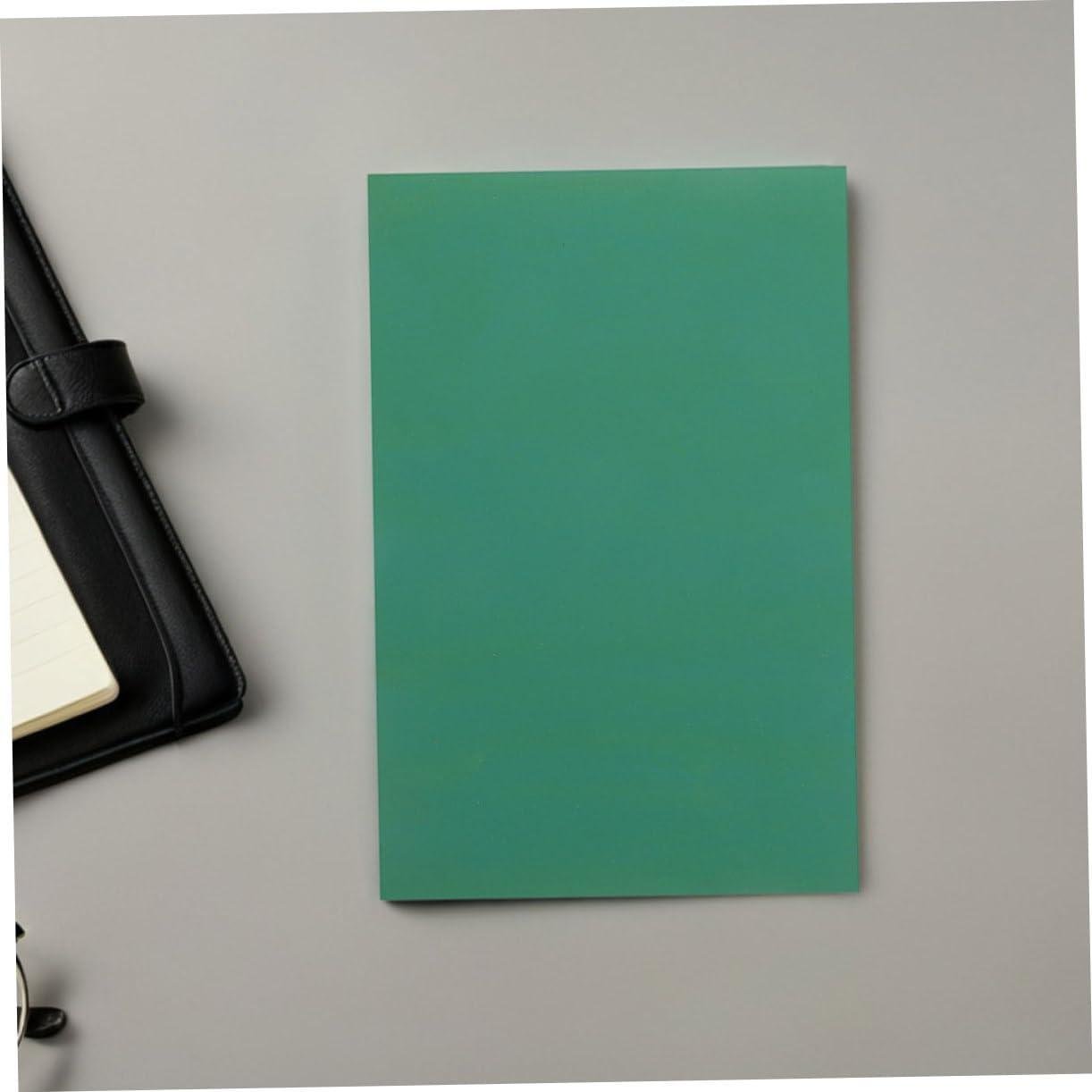
In our workflow, these 2pcs PVC engraving plates feel like a low-friction way to add carving and printmaking steps without turning the bench into a full-blown linocut station. Setup is basically nonexistent: you pull the mats out and get to work—no fences to align, no motors to tune, no blades to swap—so beginners can focus on tool control instead of “how do we assemble this?” The two sizes are practical: A4: 29.00 × 21.00 × 0.30 cm (11.40 × 8.25 × 0.12 in) and A5: 21.50 × 15.00 × 0.30 cm (8.45 × 5.89 × 0.12 in), which lets us choose a larger plate for broader layouts or a smaller one for quick tests and detail practice. from the provided description, the themes are consistent: “portable and lightweight”, “smooth and easy-to-carve surface”, and “sturdy and reusable”—all of which matter when we’re teaching a first-time carver how to start with shallow passes and keep their lines clean.
For experienced hands, the real “ease of use” benefit is how these plates slot into woodworking-adjacent tasks—like prototyping patterns, experimenting with texture, or creating small shop stamps—without needing a dedicated sacrificial MDF board or a benchtop jig. The 0.30 cm / 0.12 in thickness is thin enough to handle easily, but we still treat it like any carving surface: we stabilize it (double-sided tape, bench hook, or a non-slip mat) and carve away from our hands, especially when using gouges or craft knives. Since there are no motor specs, cord requirements, or dust collection features here, the “beginner-friendly” angle is mainly about technique: use sharp tools, take multiple light cuts, and consider grainless materials like PVC for predictable resistance compared to wood. where woodworkers should stay realistic: these are PVC carving mats, not a cutting board for heavy knife chopping or a substitute for a rigid clamping caul—so we’d keep their role focused on printmaking/carving practice and light layout work where portability and a consistent surface are the point.
See Full Specifications & Customer Photos
Customer Reviews Analysis
What Woodworkers Are Saying (Review Analysis)
1. Overall sentiment from woodworking customers
Overall sentiment trends cautiously positive for light-duty craft and workshop layout tasks,with several woodworkers describing these PVC engraving plates as a handy,inexpensive accessory rather than a “tool upgrade.” Common praise includes the portability and how easy they are to dedicate to messy steps (glue-ups, epoxy drips, ink/paint rolling, small carving practice) without worrying about damaging a primary bench top.
2. Performance feedback (accuracy, power, results)
Because these are engraving/carving mats (plates)—not powered tools—reviews focus more on result quality and control than “power under load.”
- Cut/Carve results: Several woodworkers mentioned they get clean, usable practice cuts for lino-style carving, stamp carving, and small engraving exercises, especially when using light pressure and sharp blades.
- Stability while working: Multiple reviews highlight that the plates provide a consistent surface for small-detail work, helping keep thin materials from shifting compared with working directly on a bench or cardboard.
- Finish/transfer results: Customers successfully used this for printmaking-style ink rolling and transfers, noting the surface is smooth enough for basic brayer/roller work on small projects.
A recurring theme is that results are best for light carving/engraving and layout, not heavy cutting.
3. Build quality and durability observations
Build quality feedback is generally framed around the plates being lightweight PVC:
- Durability (light duty): Several woodworkers mentioned the plates hold up well for repeated hobby use, especially as a sacrificial surface for glue, paint, or ink.
- Susceptibility to deep gouges: Some users reported challenges with deep scoring and permanent grooves if you press hard with carving tools or use aggressive knife cuts—expected for softer plastics.
- Long-term flatness: Reviews commonly imply they stay flat enough for small tasks, but they’re not typically described as a rigid reference surface on par with a thick cutting mat or MDF spoilboard.
4. Ease of use for different skill levels
- Beginners: Beginners appreciated the straightforward “unpack and use” setup, with minimal learning curve. Several reviews suggest they’re useful for practice, since you can work without worrying about damaging a nicer work surface.
- DIYers/casual crafters: Reviewers with casual crafting experience found them easy to move, store, and clean, making them convenient for temporary setups (kitchen table, portable workstation).
- Experienced woodworkers: Experienced users generally treat these as utility plates—useful, but not a precision upgrade. Some noted they still prefer a dedicated self-healing mat or thicker sacrificial board for more demanding knife work.
5. Common project types and success stories
While not all reviews are strictly “woodworking,” several woodworkers mentioned using these in shop-adjacent ways:
- Printmaking and ink rolling: Customers successfully used this for small printmaking setups, stamp work, and brayer rolling.
- Carving practice: Several reviewers mentioned beginner carving practice (simple patterns, lettering, small motif cuts) before moving to wood.
- Bench protection / sacrificial surface: Multiple reviews highlight using them as a portable bench protector for glue,finish drips,epoxy mixing,and small parts work.
- Layout and craft templates: Some users reported good results using the plates for template work, quick layout, or holding small materials steady during trimming.
6. Issues or limitations reported
Some users reported challenges with the following:
- Not for heavy cutting: Deep knife cuts can scar the surface, and the plates may not replace a dedicated cutting mat for frequent, heavy blade work.
- Grip/anti-slip varies: A few reviews indicate the plates can slide on smoother tables unless paired with a non-slip pad or clamp.
- Size constraints: Several woodworkers mentioned the plates are best for small projects; larger panels or bigger carving work will outgrow the usable area quickly.
- Expectation mismatch: Occasional feedback suggests disappointment when buyers expect a rigid cutting board or a “workbench-grade” surface—reviewers generally frame it as a lightweight carving/engraving accessory.
Summary Table (Common Themes)
| Aspect | Common Feedback |
|---|---|
| Performance | Works well for light carving/engraving and printmaking; best results with sharp tools and light pressure |
| Precision | Surface feels consistent for small detail work; not treated as a true reference surface |
| Durability | Fine for hobby use and as a sacrificial surface; deep cuts can permanently gouge PVC |
| Ease of Use | Beginner-friendly, minimal setup; may need non-slip backing on smooth tables |
| Versatility | Used for carving practice, ink rolling, glue/finish protection, small template/layout tasks |
| Value | Generally viewed as a low-cost, useful accessory—especially for protecting primary work surfaces |
If you share the actual review text (or star-rating breakdown), I can tighten this into a more data-driven summary (e.g., most-cited pros/cons, recurring phrases, and a few short representative quotes).
Pros & Cons
Pros & Cons
| What We Liked | What Could Be Better |
|---|---|
| Includes two practical sizes (A4 + A5) for switching between “big ideas” and quick tests. | PVC isn’t the most traditional “lino” feel, so seasoned carvers may miss that classic resistance. |
| Lightweight and portable—easy to toss in a tote for classes, workshops, or crafting on the go. | Only two plates in the kit; frequent practice sessions might call for extras. |
| smooth surface that’s beginner-friendly for learning lines, patterns, and simple cuts. | The color (light green) may make vrey shallow cuts a bit harder to see under certain lighting. |
| Reusable and sturdy enough for repeated carving sessions if we treat it well. | At 0.30 cm thickness, it’s not a “chunky” block—so we’d still want a stable backing when working fast. |
| great for kid-friendly or classroom-style printmaking—less intimidating than heavier materials. | Not a full starter set (no carving tools, brayer, or ink), so we’ll need additional supplies to print. |
pros
- Two sizes in one pack: We can plan a main design on the A4 plate and use the A5 for practice cuts, stamps, or mini prints.
- Travel-friendly: The plates are light and slim, which makes them easy to carry and store.
- Beginner-leaning surface: The PVC carving face feels approachable for learning basic line work and simple textures.
- Reusable material: With careful use and cleaning, the plates can handle multiple projects.
- Versatile for creative projects: Works well for experimenting—patterns, labels, small art prints, and classroom activities.
Cons
- Not a complete printmaking kit: We’ll still need tools and printing supplies to actually make prints.
- Different from traditional lino: If we’re expecting the exact feel of linoleum blocks, PVC may feel slightly “off.”
- Limited quantity: Two plates is a nice start, but we may want spares for multi-color or repeat projects.
- thin profile: For aggressive carving or younger users, we’d prefer using a non-slip mat or backing board underneath.
Q&A
What wood types can this handle effectively?
These are PVC engraving/printmaking plates (not a powered woodworking tool), so they’re meant for carving designs into a soft, consistent plastic surface—similar in use to lino blocks.They’re not intended for carving hardwood, softwood, plywood, or veneers. If you want a plate to cut/joint/sand wood, this kit won’t replace those shop tools; it’s best used for making stamps, relief prints, patterns, and practice carvings.
Is this powerful enough for hardwoods like oak or maple?
No—there’s no “power” rating here because these are manual carving plates. They won’t help you machine hardwood; rather, you carve the PVC with hand tools (common linocut/printmaking gouges). If your goal is to carve oak/maple, you’d be looking at wood carving blanks and proper carving tools (or a CNC/rotary setup).These plates are mainly for controlled hand-carving in PVC.
How does this perform on plywood and veneers?
It doesn’t perform on plywood/veneers the way a woodworking tool would, because the PVC plates are the workpiece—not a cutter. Where it can help woodworkers is as a pattern-making and test-cut surface: you can carve a design in PVC first, then transfer the layout to plywood/veneer or use it for printmaking/ink tests before committing to wood.
Can this handle production work or just hobby projects?
For printmaking-style work, the plates are described as sturdy and reusable PVC, so they can hold up for repeated practice and multiple pulls/uses in a hobby or small craft workflow. For true production runs, durability will depend on how deep/sharp your carving is and how you handle cleaning/inking—PVC can last well, but it’s still a lightweight, portable plate kit (A4 + A5) rather than an industrial plate system.
How difficult is the initial setup, and what adjustments are available?
Setup is minimal: you’re essentially ready to go out of the package with one A4 plate (29.00×21.00×0.30cm) and one A5 plate (21.50×15.00×0.30cm).There are no mechanical adjustments like fences, depth stops, or alignment systems. Your “adjustments” are the carving tools you choose, your grip/angle, and how you secure the plate to the bench for safety.
Does this work with standard accessories (bench hooks, clamps, carving tools)?
Yes for common hand-tool accessories. As the plates are only 0.30cm (0.12in) thick and lightweight, most woodworkers will want to use a non-slip mat, painter’s tape, a bench hook, or light clamping with scrap cauls to prevent flexing. Standard linocut/printmaking gouges are the typical match; you can also use many hobby carving tools, but avoid aggressive woodworking chisels that may dig too hard and cause skips.
Will this fit in a small workshop, and does it require dust collection or a power outlet?
It’s very small-shop friendly: you’re working with A4 and A5 plates, so they store flat in a drawer. No outlet is needed. Dust collection usually isn’t required in the same way as sanding or routing, but carving PVC can create small chips/shavings—work over a tray or bench mat and vacuum afterward. If you sand or aggressively scrape PVC, consider basic ventilation and cleanup.
Is this suitable for beginners, and would it satisfy a professional woodworker?
The product is described as child-friendly and tailored for young artists/beginners, with a smooth, easy-to-carve PVC surface—so it’s generally approachable for first-time carving and pattern practice. For a professional woodworker, it’s not a “shop workhorse” tool; it’s more of a versatile craft add-on for prototyping designs, making custom stamps/branding-style prints, or exploring relief printing alongside woodworking projects.
Unleash Your true Potential
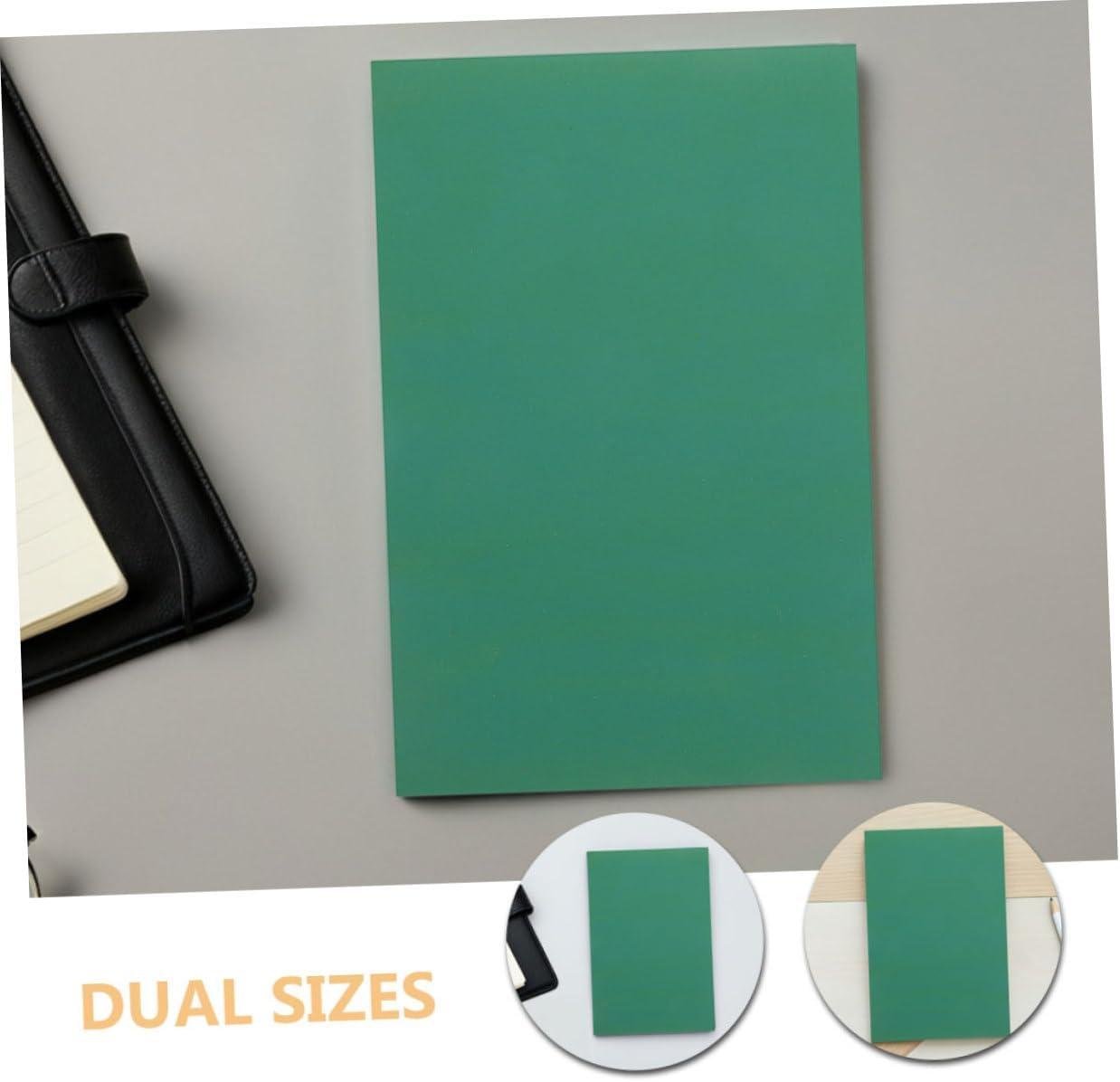
Tool Summary: The 2pcs PVC Engraving Plates set includes one A4 plate (29×21×0.3 cm) and one A5 plate (21.5×15×0.3 cm) in a lightweight, portable, light-green PVC format. Rather than motor power or cutting capacity, the key “specs” here are a smooth, easy-to-carve surface, reusable durability, and two practical sizes for different layout needs. Customer feedback themes commonly highlight portability, beginner-friendly handling, and clean carving results, with the main limitation being that PVC plates aren’t a substitute for heavy-duty bench carving mats or thick hardwood workholding.
best For: Good choice for beginners learning fundamentals,hobby woodworkers doing small decorative carvings,sign accents,stamp-style prints,and classroom or travel-friendly projects.
consider Alternatives If: You primarily carve thick hardwoods, need rigid bench stability, or run production workflows.
Final Assessment: this kit delivers solid, low-fuss carving practice and printmaking versatility, but it’s best viewed as a light-duty accessory—not a shop workhorse.
Want to see current pricing and customer photos? View on Amazon & Read More Reviews →