

Blog
Valebeck Swivel Barstool Review: Right for Our Shop?


Ever finished a kitchen island build only to realize the weak link isn’t your joinery—it’s the seating that has to survive daily swivels, scuffs, and constant use without wobble? In a shop mindset, we care about the same things in a barstool that we demand from our tools: precision in fit, durable materials, and a design that doesn’t punish you with a steep learning curve during assembly.
The Signature Design by Ashley Valebeck 30″ Farmhouse pub-Height Swivel Barstool is built to bring rustic‑industrial style to island seating, pairing a wood/engineered wood and metal frame with a linen-colored polyester upholstered cushion, nailhead trim, and a smooth 360° swivel.At 19.5″ W x 19.5″ D x 43″ H, it’s sized for many pub-height setups where space planning matters.
In this review, we’ll break down construction cues, hardware and swivel feel, assembly practicality, and value—along with what customers report about sturdiness, comfort, and day-to-day durability. As woodworkers who spend plenty of time evaluating build quality, we’ll focus on the details that help you buy once and avoid regret.
First Impressions and Build Quality in a Woodshop Setting

In the shop,our first impression of the Signature Design by Ashley Valebeck stool was that it’s built more like a light-duty metal-and-wood jig stand than typical “flat-pack” seating. The footprint is a tidy 19.5″ W x 19.5″ D with an overall height of 43″, so it doesn’t hog floor space near the assembly bench or sharpening station, and the 360-degree swivel is genuinely useful when we’re moving between a vise, a parts tray, and a small benchtop tool without constantly scooting the chair. The frame mixes wood/engineered wood and metal, and reviewers consistently describe it as “heavy,” “very sturdy,” and “doesn’t look cheap”—the same language we look for when a seat has to tolerate shop habits like leaning, pivoting, and resting a tool catalog (or two) on it. The upholstered cushion (listed as linen-colored 100% polyester, though some buyers describe theirs as “leather-like” depending on colorway) and the nailhead trim read more kitchen than workshop, but from a woodworker’s lens it signals decent attention to fit-and-finish on the visible edges.
Build-quality notes from customers are also the kind we translate into workshop reality: multiple reviews mention excellent packaging and that the bolt holes line up perfectly, which matters because misaligned hardware is often the first clue that a frame will rack over time. Assembly is repeatedly called simple, with one detailed review stating 17 screws total and that the needed tools are basic—an Allen wrench (provided) plus a Phillips screwdriver—while another reviewer sped things up using an Allen socket on a ratchet. A few woodshop-relevant cautions show up in the feedback: don’t fully tighten until everything is standing (to avoid fighting the foot ring alignment), and don’t over-tighten because it can warp/crack the leg support blocks—a classic “threaded fastener into wood/engineered wood” lesson. We also saw one report of a leg being 1/8″ shorter (fixed with a pad), and another buyer even cut 2″ off the legs for clearance—useful reminders that if we’re repurposing this stool near a bench or counter, we should measure our working height first and be prepared for minor leveling or trimming on the miter saw if our station is nonstandard. See Full Specifications & Customer Photos
Real World Performance for Shop Seating and Bench Side Tasks

In our shop, the Valebeck’s footprint—19.5″ W x 19.5″ D x 43″ H—lands in a sweet spot for dedicated “bench-side seating” when we’re doing layout,hand-sanding,sharpening,or hardware sorting at a tall assembly table. The real win for task flow is the smooth 360-degree swivel; instead of scooting the whole stool (and scuffing the floor or bumping clamps), we can rotate to reach a glue bottle, marking knife, or a parts tray without breaking posture. The mixed build of wood, engineered wood, and metal reads workshop-pleasant on paper, and customer themes back that up: multiple reviewers call it “heavy,” “very sturdy,” and “wobble-free” once assembled correctly. From a woodworker’s outlook, we also appreciate that the seat is upholstered polyester with nailhead trim—cozy for longer stints at the bench, though it’s not something we’d want directly in the line of fire for finish overspray or epoxy drips without a removable cover or shop apron.
Assembly is where this stool behaves more like a simple shop fixture than furniture: reviewers repeatedly mention easy setup with clear instructions,and one detailed report pegs it at about 20 minutes per stool with 17 screws. That same reviewer feedback gives us a practical woodworking lesson: keep bolts loose until the frame is fully aligned, then tighten—otherwise you can “fight” the foot ring or induce a wobble. Another theme we noted is tolerance/fit variation: one customer had a leg 1/8″ shorter (shimmed with a pad), and another even cut 2″ off each leg on a miter saw to better match their counter clearance—both reminders that in the real world we may need to shim, level, or modify furniture just like we do jigs. If we were adapting this stool for shop duty, we’d add adjustable feet or stick-on floor pads, periodically re-check fasteners (vibration and seasonal movement can loosen hardware), and be mindful not to over-tighten—one reviewer warns that cranking bolts down can warp or crack support blocks.
- Included accessories
- Allen wrench (provided) for the leg/foot ring hardware (per reviews)
- All required screws/bolts are packaged and labeled (per reviews)
- Compatible attachments/accessories
- Stick-on felt/rubber floor pads (helps with minor leg-length variation and floor protection)
- Aftermarket threaded leveling feet (if you choose to retrofit for uneven shop floors)
- Slip-on or tie-on seat cover (to protect upholstery from glue/finish)
- Ideal project types
- Bench-height layout work (story sticks, templates, joinery marking)
- Hand-tool tasks (chisels, card scraping, sharpening at a tall station)
- Hardware staging (hinges, pulls, Kreg-style fasteners) and light assembly
- Wood types tested by customers
- Not specified in reviews (customers discuss finish/texture rather than species)
- Reviewers describe a stained, slightly distressed wood look and a “barnwood-style” coating
| Spec / Feature | What It Means for Shop Seating |
|---|---|
| Dimensions: 19.5″ W x 19.5″ D x 43″ H | Stable footprint for tall bench/island stations; check clearance under your work surface. |
| Swivel: 360-degree | Faster reach to tools/parts without scooting—useful at a crowded bench. |
| Materials: wood,engineered wood,metal | Metal components tend to resist racking; engineered wood parts mean avoid over-torquing fasteners. |
| Upholstery: 100% polyester | Comfortable for long sessions; protect from glue/finish with a cover. |
| Accessory / Tool | Fit / Use | Why We’d Use It |
|---|---|---|
| 4mm Allen socket + ratchet | Used in place of the included Allen key (per reviews) | Speeds assembly while maintaining control over torque. |
| Large Phillips screwdriver | Needed for backrest screws (per reviews) | Better engagement reduces cam-out and stripped heads. |
| Floor pads / shims | Global | Fixes minor wobble if a leg is slightly short; protects shop floors. |
| Category | Recommended (Shop use) | Actual (From Reviews / Specs) |
|---|---|---|
| Leveling / stability | Adjustable feet or shims; tighten hardware after alignment | Some report perfectly aligned legs; one report of a 1/8″ shorter leg |
| Assembly approach | Leave bolts loose, square up, then final-tighten | Multiple reviewers stress don’t tighten fully until assembled |
| Surface durability | Use a cover around glue/finish; wipe dust often | customers describe a durable-looking distressed finish, but long-term wear is “time will tell.” |
See Full Specifications & Customer Photos
Key Features Woodworkers Will Appreciate in the Metal and Wood Frame

From a woodworker’s eye, the Valebeck’s mixed-material construction is the kind of “frame design” we pay attention to because it mirrors how we build shop furniture for real life abuse: wood where you want warmth and mass, and metal where you want rigidity and long-term alignment. The stool is built from wood, engineered wood, and metal, and that combination shows up most clearly in the metal foot ring and the metal back supports—two areas that typically loosen up first on all-wood stools. at 19.5″ W x 19.5″ D x 43″ H, it also has a generous footprint for a pub-height seat, and multiple reviewers call it “heavy,” “very sturdy,” and “solid,” which tracks with what we’d expect from a design that uses a structural metal ring at the legs. The 360-degree swivel is practical in a workshop-adjacent kitchen too: it lets us rotate to reach a sharpening station, sketchpad, or parts bin without dragging legs across a floor—less scuffing, less racking force on joinery, and fewer “mystery squeaks” later.
Assembly is another place woodworkers notice details, because well-machined alignment and decent hardware usually indicate better overall build. Customers consistently report easy assembly—frequently enough around 20 minutes per stool—and that the bolt holes line up perfectly, with 17 screws/bolts total and an allen wrench included (several folks mention upgrading to an Allen socket/ratchet to speed things up). The common shop tip from reviews is worth repeating: leave bolts slightly loose until the foot ring and legs are all started, then tighten in stages—basically the same diagonal-tightening mindset we use when mounting a machine base to avoid twist. A few buyers also mention the finish has a deliberately rustic character, describing the stained brown wood as “slightly distressed” with a few spots that feel “a little rough as though it wasn’t fully sanded”; that’s not a defect if you like farmhouse texture, but it’s good to know if your expectation is furniture-grade prep. For a woodworker, it also signals an easy weekend refinement option: a light hand-sand and a compatible topcoat—just be cautious around the nailhead trim and upholstered seat so we don’t snag fabric or loosen fasteners.
- Included accessories (per reviews/spec listing): Allen wrench (often described as 4mm / 5/32″), labeled hardware pack, instructions
- compatible attachments/accessories (shop-friendly add-ons): felt/floor pads (useful for minor leg-length variation), Allen socket + ratchet, threadlocker (medium strength) for bolts, wax for swivel contact points (if needed later)
- Ideal project types: kitchen island seating, shop-breakfast bar, drafting/plan-reading corner, finishing-room “clean seat” (away from dust)
- Wood types tested by customers: not specified in reviews (construction described broadly as wood + engineered wood with stain/distress finish)
| Frame/Build Spec | What It Is | Why Woodworkers Care |
|---|---|---|
| Materials | Wood + engineered wood + metal | Metal components help resist leg splay and racking; engineered wood can be stable but shouldn’t be over-torqued at fasteners. |
| Dimensions | 19.5″ W x 19.5″ D x 43″ H | Footprint helps stability; height matters when pairing with island/counter clearance. |
| Swivel | 360-degree swivel | Rotate instead of scoot—less wear on floors and less stress on joints/fasteners. |
| Trim/Details | Nailhead trim, upholstered cushion (100% polyester) | More “furniture finish” detail; be careful during any refinishing or touch-ups near upholstery. |
| Assembly “Capacity” | Recommended (Best Practise) | What Customers Report |
|---|---|---|
| Time per stool | 30–45 minutes if you hand-tighten carefully and square the base | ~20 minutes per stool is common; one person built 4 in ~1.5 hours including unpacking |
| Fastener tightening | Snug all bolts first, then final-tighten after the ring/legs align | Multiple reviewers warn: don’t tighten everything early or the ring can seem “too large” until aligned |
| Leg alignment | Check for wobble; shim/pad only if needed | most say wobble-free; one review mentions a 1/8″ shorter leg solved with an extra floor pad |
| Accessory | Compatible? | Use Case in a woodworker’s Setup |
|---|---|---|
| 4mm Allen socket + ratchet | Yes (matches reviewer hardware notes) | Speeds assembly and reduces wrist fatigue versus a small L-key. |
| Felt/floor pads | Yes | Fine-tunes level and protects floors; handy if a leg is slightly short. |
| Medium threadlocker | Optional | Helps bolts resist loosening from daily swivel motion (use sparingly; still serviceable). |
See Full Specifications & Customer Photos
Ease of use for Beginners and Pros During Assembly and Daily Use
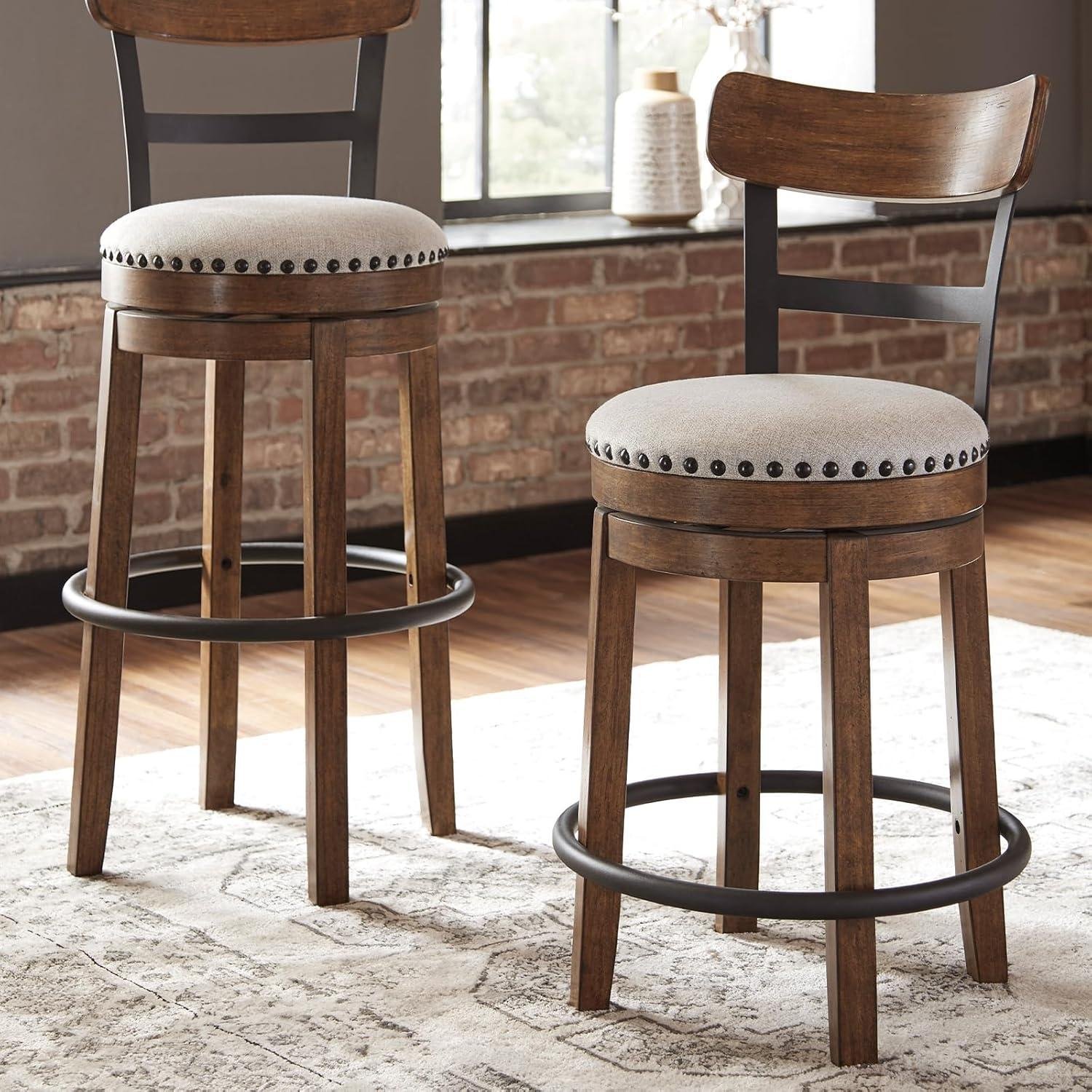
From a shop standpoint,the Valebeck is beginner-friendly as the build is straightforward and forgiving if we follow the same sequencing we’d use on a base cabinet: dry-fit,keep fasteners loose,then square and tighten. Multiple customer reviews echo that assembly is “simple” and “went together easily,” with one reviewer timing it at about 20 minutes per stool and noting there are 17 screws total. The stool’s footprint—19.5″ W x 19.5″ D x 43″ H—gives us enough room to flip and support parts on a padded bench without fighting the layout, and the packaging is often described as well packed with hardware sorted and labeled. As woodworkers,we also appreciate the included Allen key,but several buyers mention speeding things up with a socket/bit driver—just remember the common pro tip from reviews: don’t fully tighten the leg bolts until the metal foot ring is in place,or it can feel like the ring “doesn’t fit” until everything is aligned.
In daily use, the features are more “furniture-functional” than “shop-tool,” but they still matter in a workspace or maker kitchen where stools get constant movement: the 360-degree swivel reduces the need to scoot or drag legs (less wear on floors, fewer racked joints over time), and reviewers repeatedly call the stool heavy, very sturdy, and wobble-free when assembled correctly. The mixed construction—wood, engineered wood, and metal—also matches what we see in durable shop fixtures: metal does the bracing, while wood carries the look and tactile feel. A few owners note the finish can be intentionally rustic, mentioning slightly distressed wood with occasional areas that feel a little rough as though it wasn’t completely sanded, which is worth knowing if we’re picky about touch surfaces or plan to add a speedy hand-sanding and wax. One practical “pro” note from customer experience: if our counter height is unusual, some users have even cut the legs down on a miter saw for clearance—effective, but we’d measure carefully, cut consistently, and seal end grain to keep the modification clean and stable.
See Full Specifications & Customer Photos on Amazon
Customer Reviews Analysis

What Woodworkers Are Saying (Review Analysis)
1. Overall sentiment from woodworking customers
Several woodworkers mentioned these stools feel like a solid,well-built furniture piece for the price,with most praise focused on sturdiness,attractive farmhouse finish,and straightforward assembly. Common praise includes good packaging/shipping and a “doesn’t look cheap” impression once assembled. A smaller set of comments point to minor QC inconsistencies (leg length variance,a few rough/unsanded spots).
2. Performance feedback (accuracy,power,results)
While this isn’t a power tool,reviewers still evaluated it using woodworker-style performance standards—fit,alignment,and functional results:
- Precision/fit-up: Multiple reviews highlight that bolt holes lined up perfectly and assembly hardware was well organized and labeled.
- Functional performance: Customers reported the stools end up wobble-free (when assembled correctly) and that they swivel smoothly.
- Real-world “accuracy” use case: One user needed a custom height and cut 2 inches off each leg on a miter saw to match a 36 1/2″ counter setup—suggesting the design tolerates careful modification.
Small cautionary notes came up around assembly technique affecting results: keeping bolts loose until the ring is installed helps everything align.
3. Build quality and durability observations
Common praise includes a heavy, sturdy feel with solid wood + metal construction that reads as “good quality” versus similarly styled store options.
What reviewers noticed from a build/finish standpoint:
- Materials & structure: “Very sturdy and a bit heavy,” “well engineered,” and “solid wood and metal construction.”
- Finish character: One review notes a distressed look and that some areas are “a little rough as though it wasn’t completely sanded”—framed as acceptable (even desirable) for farmhouse styling, but still a finish detail woodworkers would clock.
- Hardware quality: Several woodworkers mentioned high-quality bolts and good packaging.
- Durability still unproven: Multiple reviews highlight that it seems durable, but long-term wear is largely unknown because some buyers had only just assembled them.
4. Ease of use for different skill levels
Beginners and DIYers seemed comfortable here. Reviewers with basic tool familiarity found the assembly process approachable and repeatable.
- Beginner-friendly assembly: Several woodworkers mentioned clear instructions, sorted hardware, and fast build times (about 20 minutes per stool, or four stools in ~1.5 hours including unpacking). One buyer even assembled with help from a child.
- experienced DIY tips: More hands-on reviewers recommended using a 4mm Allen socket + ratchet instead of the included wrench to speed assembly, and stressed proper tightening order.
- Avoidable pitfalls: Some users reported challenges with over-tightening, which can “warp and/or crack” support blocks, and tightening too early can make the foot ring seem mis-sized.
5. Common project types and success stories
These aren’t shop projects, but reviewers describe “installed use” outcomes that matter to woodworkers outfitting kitchens and eating areas:
- Kitchen islands / counter-height seating: Customers successfully used this for counter-height islands and kitchen counter eating areas.
- Décor matching wins: Several reviewers mentioned the stools pair well with granite countertops,oil-rubbed bronze fixtures,and farmhouse/traditional interiors—good results for cohesive built-in/kitchen refresh projects.
- Customization success: One DIYer modified the stool height by cutting the legs for clearance—an example of a practical woodworking adjustment to fit a specific space.
6. Issues or limitations reported
A few consistent “shop-floor reality” drawbacks show up:
- Leg length inconsistency (QC): One user reported one leg ~1/8″ shorter, resolved with an extra floor pad, but they expected factory consistency.
- Finish roughness: One reviewer noted spots that felt not fully sanded. Not catastrophic, but it’s a tangible finishing limitation if you expect a smoother, furniture-grade sanded surface.
- Assembly sensitivity: Some users reported challenges with tightening sequence—over-tightening or locking bolts too early can create alignment issues or stress components.
- Uncertain long-term durability: Several comments imply “sturdy so far,” but time-in-service feedback is limited.
Review Theme Summary Table
| Aspect | Common feedback |
|---|---|
| Performance (functional) | Swivels smoothly; stable and wobble-free when assembled correctly |
| Precision / Fit-up | bolt holes align well; keep bolts loose until final tightening for best alignment |
| Build Quality | Heavy, sturdy feel; solid wood/metal; hardware praised |
| finish / Results | Distressed look appreciated; some reported slightly rough/unsanded areas |
| Ease of Use | Clear instructions; quick assembly; technique matters (avoid over-tightening) |
| Issues / Limitations | Occasional QC variance (short leg); durability mostly “so far” |
Pros & Cons

Pros & Cons
After sizing the Valebeck up for the kind of daily traffic our shop sees—quick coffees, linger-long chats, and the occasional “can we pull up a stool?”—we found it lands in a sweet spot: stylish enough to look intentional, sturdy enough to feel dependable. Still, it’s not a one-size-fits-all perch.
| At a Glance | What It Means for Us |
|---|---|
| 360° swivel | Easy turn-and-talk seating without scraping floors or shuffling legs. |
| Pub-height (30″) | Great for taller islands/counters—less forgiving for standard-height setups. |
| Rustic-industrial mix | Farmhouse warmth with a metal edge; pairs well with many interiors. |
| Upholstered cushion | Softer landing for longer sits, but fabric needs basic care. |
Pros
- Swivel that actually earns its keep. We like how the 360-degree turn makes conversations feel natural—guests can pivot without dragging the stool or bumping knees into the island.
- Comfort-forward seat for everyday use. The linen-colored cushion reads inviting (not overly formal), and the backrest helps it feel like a “real seat,” not just a quick perch.
-
design versatility. The wood + metal frame hits that rustic-industrial note that can blend with farmhouse, modern, or lightly industrial spaces—useful when our styling changes seasonally.
- Nailhead trim adds polish. It’s a small detail, but it nudges the stool from “basic utility” toward “intentional decor,” especially around an island focal point.
-
Sturdy mixed-material build. The combination of wood/engineered wood and metal feels made for regular comings-and-goings—better suited to repeat use than flimsier all-wood options.
- Manageable footprint. At about 19.5″ wide/deep, it doesn’t read bulky, which helps if we’re trying to line up multiple stools without crowding the walkway.
Cons
-
Pub-height can be a dealbreaker. At 30″ seat height, it’s ideal for pub-height counters and many islands, but it may feel too tall for standard counter setups—measuring first is non-negotiable.
-
Light upholstery shows real life faster. The linen-colored polyester looks airy, but in a busy space, we’d expect more visible smudges and would plan for spot-cleaning.
-
Assembly is “easy,” but still assembly. It’s described as quick to put together, yet it’s not plug-and-play—if we’re ordering multiples, we’re setting aside build time.
-
Swivel means movement. The swivel is great for social flow, but if we prefer locked-in, stationary seating (especially in tighter aisles), the constant turning might feel a bit lively.
-
Style has a strong point of view. That rustic-industrial look is versatile, but it’s still a look—if our space leans ultra-minimal or very sleek, it may read too “farmhouse workshop.”
Q&A

What “wood types” is this stool actually made from—solid wood or engineered?
Per the product description, the Valebeck uses a mix of wood, engineered wood, and metal. In practical shop terms,expect some components (like structural blocks or panels) to be engineered wood (common in production furniture for consistency),with other visible parts being solid wood or wood veneers. Reviews back this up—owners describe a stained/distressed wood look and note some areas feel a bit rough/differently finished, which aligns with a rustic treatment rather than furniture-grade hand planing. If you’re planning to modify it (cut legs, drill for glides, etc.), treat unknown “wood” parts like they could be hardwood, softwood, or composite and pre-drill accordingly.
Is it sturdy enough for “hard use” like a busy kitchen, or is it more of a light-duty accent stool?
The design is aimed at everyday use: it has a metal + wood frame, a 360° swivel, and reviewers repeatedly call it heavy, very sturdy, and wobble-free once assembled correctly. That said,it’s still flat-pack style furniture assembled with bolts,so long-term durability depends on keeping hardware tight and not overstressing joints. For “production kitchen” use (kids climbing, frequent swiveling), plan on a periodic bolt check and consider adding threadlocker to non-moving fasteners if you want it to stay tight longer (avoid threadlocker on any fasteners that you may need to remove routinely).
How challenging is assembly, and is it true you shouldn’t tighten everything right away?
Assembly is generally reported as straightforward. multiple owners mention about 17 screws/bolts and around 20 minutes per stool (one reviewer even assembled with help from a child). A key tip from reviews: leave leg hardware loose until the base and foot ring are all started, then square everything up and tighten at the end. If you fully torque the legs early, the metal foot ring can feel like it “doesn’t fit” until the parts are allowed to self-align.
What adjustments are available—can I level it or deal with an uneven floor?
The stool itself doesn’t list built-in leveling feet in the provided specs. Real-world experience: one reviewer received a stool with one leg about 1/8″ shorter and solved it using an extra floor pad. If your shop instincts say “levelers,” you’re not wrong—felt pads, stick-on rubber feet, or add-on threaded levelers (if you’re willing to drill/install) are the usual fixes. Also, proper assembly matters: several users noted that careful tightening order and alignment prevented wobble.
can I modify it like a woodworking project—cut the legs down for counter height or custom clearance?
Yes, within reason. One customer with a ~36 1/2″ counter reported cutting 2 inches off each leg on a miter saw to get proper clearance. If you do this, measure twice and cut all legs to exactly the same length (a stop block helps), then re-check that the foot ring still lands correctly and doesn’t introduce twist. Because the frame mixes wood/engineered wood/metal, expect the finish to chip if you rush—use painter’s tape at the cut line and plan to touch up stain/paint. any structural modification can void warranty and may affect swivel alignment, so proceed like you would on any furniture refit: test fit, then commit.
does it work with “standard accessories” like floor protectors, different upholstery, or replacement hardware?
For common add-ons: felt pads and rubber floor protectors are easy wins, especially since reviewers mention solving minor leg-length issues with pads. Upholstery is listed as linen-colored 100% polyester,so it’s not meant to be swapped like a removable seat cover,but a slipcover or reupholstery is doable if you’re comfortable pulling staples and working around the nailhead trim. Hardware-wise, the assembly uses common Allen/Phillips fasteners (reviews mention an included Allen key and Phillips screws for the back), but exact bolt sizing isn’t provided—if you’re the type to keep spares, measure a bolt first before buying replacements.
Will this fit my space—what height/footprint should I plan around for an island?
The listed overall size is 19.5″ W x 19.5″ D x 43″ H. It’s a pub-height stool (the title calls out 30″),so it’s typically better suited to taller eating surfaces than standard 36″ counters,unless you’ve measured and know you want that height. Woodworkers tend to think in clearances: account for the swivel (people rotate without scooting the base), and leave enough elbow room between stools. If you’re unsure,mock the 19.5″ square footprint with tape on the floor and sit-test spacing before buying multiples.
What maintenance should I expect—anything to keep the swivel smooth and the stool solid over time?
Think “furniture maintenance,” not tool maintenance. The swivel is described as smooth 360°; to keep it that way, avoid letting grit build up around the swivel mechanism and periodically check fasteners (especially after the first few weeks of use when parts settle). Reviews suggest the stool feels solid when assembled correctly, but like most bolt-together builds, a quick re-torque schedule (after week one, then every few months) helps prevent loosening. For the upholstered seat (polyester), regular vacuuming and quick spot cleaning will extend the look, especially in a kitchen setting.
Ignite Your Passion

Tool Summary: The Signature Design by Ashley Valebeck 30″ pub-height swivel barstool is built with a wood/engineered-wood/metal frame, a smooth 360° swivel, and a cushioned linen-colored polyester seat with nailhead trim. At roughly 19.5″ W x 19.5″ D x 43″ H, it’s sized for most kitchen islands, and customer feedback commonly highlights sturdy, heavy construction, comfortable seating, and straightforward assembly (often around 20 minutes). A few reports mention minor finishing roughness or small leg-length variances, so expect a slightly rustic, not “fine furniture,” fit and finish.
best For: Ideal for hobby woodworkers outfitting a shop island or finishing area, cabinet makers wanting durable seating for layout/assembly tasks, and beginners learning comfort-focused, farmhouse-style builds to reference.
Consider Alternatives If: You need perfectly consistent machining, ultra-compact stools, or a premium hardwood/hand-finished surface.
Final Assessment: The valebeck is a solid mid-range seating option with practical comfort and dependable stability, with minor QC/finish tradeoffs.
Want to see current pricing and customer photos? View on Amazon & Read More Reviews →