

Blog
SEDY Transfer Pump Review: Right Tool for Our Shop?


Ever had a project stalled because the shop’s out of fuel for the small engine, or you need to drain murky water from a tool stand without spilling it across your clean assembly area? In a workspace where precision and cleanliness matter as much as tight joinery, messy liquid transfers can feel like an avoidable risk—especially in tight shops where one knock can ruin a finish or soak a stack of sheet goods.
That’s where the SEDY Electric Hand Pump comes in. It’s a portable,battery-powered transfer pump designed to siphon and move liquids like gasoline,diesel,kerosene,water,and other household or shop chemicals,using a 1-inch suction tube,a 3-foot hose,and a locking clip intended to keep the nozzle secured for more hands-free pours. SEDY also lists a 2.2 GPM transfer rate and the option to run it on 2 D batteries or 6 AA batteries (not included).
In this review,we’ll look at its feature set,build-quality cues,ease of use for beginners,and what customers commonly report—so we can decide if it’s a smart,budget-conscious shop add-on or just another gadget.
Tool Overview and Build Quality in a Woodshop Setting
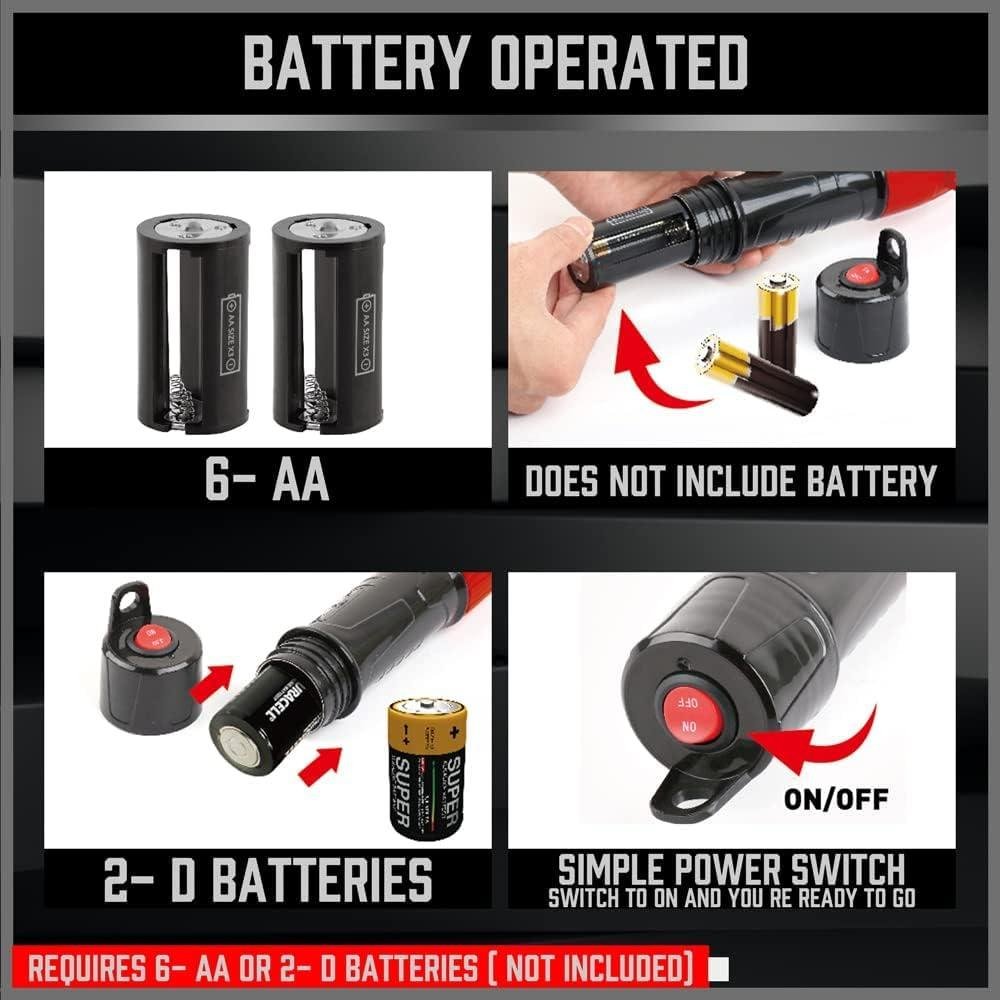
In our woodshop,the SEDY Electric Hand Pump reads more like a “cleanup and transfer” tool than a woodworking machine—but it’s the kind of gadget we end up reaching for when we’re trying to keep finishes,water,or shop chemicals from becoming a floor problem. The key spec is its claimed 2.2 GPM flow rate, which lines up with customer comments like “quite efficient” and “worked like a champ,” including one report of pumping 3 gallons in about 1:30 and another draining a 5-gallon can in a couple minutes. The kit centers around a 1-inch diameter suction tube that “fits most fuel containers,” and we like that the tube length is commonly called “long enough to reach the bottom of a 5 gallon can,” which matters when we’re pulling liquid out of tall jugs without tipping. It’s also built for convenience: the pump runs on either 2 D batteries or 6 AA batteries via an included conversion device (batteries not included), and the 3-foot hose is a practical reach for bench-to-bucket transfers without dragging a cord through the shop.
Build-quality feedback is mixed in a way that’s familiar to us with lightweight, plastic-bodied shop helpers: many reviewers praise the pump as compact and light, a “handy size,” and strong value, but several flag durability and safety limitations that matter in a woodworking habitat.A repeated theme is the flimsy tubing—including reports of the tubing cracking after light use or arriving with a pinhole leak—so we’d treat the hose like a consumable and inspect it before every use (especially around solvents). We do appreciate the built-in inlet screen/mesh, which reviewers note helps keep small debris from entering and clogging the impeller—useful if we’re draining a murky utility sink or a finish-wash bucket. That said, one detailed review points out no anti-reflux valve (residual liquid stays in the hose), no auto shut-off, and concerns like no spark arrester and no static-proofing; for us, that frames this pump as best suited to light-duty, non-flammable transfers in the shop, and we’d be cautious using it for gasoline despite the marketing. Good technique is simple but important: keep the outlet secured with the included locking clip, plan for drips when you shut off (because of reflux), and store it empty so liquids don’t sit in the tube and harden seals or weaken plastic.
- Battery conversion device (use 2 D or 6 AA batteries; batteries not included)
- 3-foot hose
- 1-inch suction tube
- Built-in locking clip for hands-free securing
- Inlet screen/mesh to help block debris
- Spare/upgrade tubing (recommended due to “flimsy tubing” review theme)
- Hose clamps (better sealing at connections)
- dedicated labeled transfer jugs for water/cleaners vs. finishes (avoid cross-contamination)
- drip tray and absorbent pads (managing reflux/drain-back)
- Draining a clogged utility sink or catch basin before clearing it
- Emptying outdoor fountains/humidifiers or shop water containers for winterizing
- Transferring non-flammable shop liquids (soap/detergent solutions, weak cleaners) into smaller bottles
- Controlled transfer where pouring would spill (tight openings, awkward angles)
- Not applicable / not reported (this is a liquid transfer tool; customer reviews don’t test wood species)
| Spec / Feature | What it is indeed (Per listing/Reviews) | Why It Matters in a Woodshop |
|---|---|---|
| Flow rate | 2.2 GPM claimed | Faster bucket/jug transfers; reduces time holding hoses over a container. |
| Power | 2 D or 6 AA batteries (adapter included) | No cords around liquids; easy to store in a finishing cabinet or service tote. |
| Hose length | 3 ft | Enough reach for bench-to-floor bucket setups; limited for distant drains. |
| Suction tube diameter | 1 inch | Fits many cans; might potentially be snug in some container necks per reviews. |
| Debris protection | Inlet screen/mesh | Helps prevent clogs when pumping dirty water or small debris-laden liquid. |
| Accessory | Compatibility | Purpose |
|---|---|---|
| Replacement tubing | Generally compatible (match diameter) | Addresses “cracked/flimsy tubing” complaints; improves reliability. |
| Hose clamps | Universal (size to tube) | Reduces seepage at connections; useful for thin liquids. |
| Drip tray/pads | Universal | Manages residual liquid due to “no anti-reflux valve” behavior. |
| Capacity / Claim | Recommended Expectation | What Reviews Suggest |
|---|---|---|
| Speed / throughput | Plan around 2.2 GPM for water-thin liquids | Reports of 3 gallons in ~1:30 and 5 gallons in a few minutes. |
| Duty / durability | Light-duty; inspect hose and avoid abuse | Mixed: “champ” for frequent use, but also “doesn’t last that long,” early failures, and leaks. |
| Flammable liquids | Use caution; consider a purpose-built fuel-rated pump | One review warns of no spark arrester, no static-proofing, and no auto shut-off. |
See Full Specifications & Customer Photos
Real World Performance for Draining Fuel Water and Finishing Fluids Around Our Shop

In day-to-day shop life, we don’t “need” a transfer pump until we really do—like when a gas can gets water in it, a mower tank needs draining before winter, or we’ve got finishing fluids that are too messy to pour.The SEDY pump’s headline spec is its 2.2 GPM flow rate, and in practice that kind of speed is what keeps a cleanup from turning into a full afternoon. Multiple reviewers echo that it’s “quite efficient” and “operates at a good speed”, with one noting it took about 1:30 minutes to move 3 gallons. We also like the basic usability touches: the 1-inch diameter suction tube fits most containers we keep around, the 3-foot hose reaches into typical cans and jugs, and the built-in locking clip can make transfers more hands-free—handy when our other hand is busy stabilizing a container or protecting a benchtop. Several reviews mention the inlet mesh/screen, which is a real woodworking-adjacent benefit when we’re draining “mystery water” from a bucket or catching debris that would or else clog the pump.
That said, we treat it like a light-duty shop helper, not an industrial fluid rig. The pump’s flexibility is a plus—per specs it can be powered by 2 D batteries or 6 AA batteries using the included adapter (batteries not included), which makes it easy to dedicate to a finishing cart or take outside without hunting for an outlet. Review themes are split on durability: many call it “good value” and a “handy size”, but others report issues like flimsy tubing, cracked hose over time, and even a unit that wouldn’t power on after limited use—so we’d avoid building it into any must-not-fail workflow. For woodworkers, the biggest education point is safety: one detailed review warns there’s no anti-reflux valve, no auto shutoff, and raises concerns about static and the lack of a spark arrester when moving flammable liquids. Our takeaway is simple: it’s most comfortable for water and non-flammable cleanup-type transfers around the shop, and if we were moving gasoline regularly, we’d want a purpose-built, safety-rated fuel transfer solution and very disciplined ventilation and grounding practices.
- Included accessories
- 3-foot transfer hose
- Battery conversion device (use 2 D or 6 AA batteries; batteries not included)
- Suction tube with 1-inch diameter
- Built-in locking clip for hands-free positioning
- Inlet screen/mesh (noted by reviewers)
- Compatible attachments/accessories
- Alkaline or rechargeable AA batteries (x6)
- Alkaline D batteries (x2)
- Spare/aftermarket replacement hose (helpful given “flimsy tubing” feedback)
- Shop funnels and labeled containers for safer decanting of finish-related liquids
- Ideal project types
- Draining water-contaminated fuel cans (into a proper disposal container)
- Removing standing water from buckets, clogged basins, or outdoor fixtures
- Transferring non-flammable finishing-related liquids where controlled flow reduces spills
- general “shop triage” tasks where pouring would splash or overflow
- Wood types tested by customers
- Not applicable (customers discuss liquid transfer tasks rather than wood species)
| Spec / Feature | What the listing/reviews say | What it means in a woodworking shop |
|---|---|---|
| Flow rate | 2.2 GPM (spec) | Fast enough to empty small containers without a long “babysitting” session. |
| Suction tube size | 1-inch diameter (spec) | Fits many fuel/water containers; check restrictive spouts/filters on modern gas cans. |
| Hose length | 3-foot hose (spec); “long enough to reach bottom of a 5-gallon can” (review theme) | Helps reach into jugs/cans while keeping the pump body out of the mess. |
| Power | 2 D or 6 AA batteries with included adapter (spec) | Convenient for a finishing cart or outdoor drain tasks; keep spare batteries on hand. |
| Inlet protection | Mesh/screen mentioned in reviews | Useful for catching small debris that might otherwise jam the pump during cleanup transfers. |
| Accessory / Add-on | Compatibility | Why we’d use it |
|---|---|---|
| Rechargeable AA batteries | Yes (per spec: 6 AA option) | Lower operating cost if the pump becomes a regular cleanup tool. |
| Spare transfer hose | Likely (match diameter/fit) | Addresses “flimsy tubing” and cracked-hose complaints from some owners. |
| Sealable waste container + labels | Universal | Safer handling and disposal when draining contaminated fluids around the shop. |
| Scenario | Recommended (best practice) | What this pump is realistically suited for |
|---|---|---|
| Draining water from buckets/basins | Small transfer pump with debris screen | Good fit (many reviewers cite excellent suction for household water tasks) |
| Moving finish-related, non-flammable liquids carefully | Controlled transfer + proper containers | Potentially useful for spill reduction (use caution and test compatibility) |
| Routine gasoline/diesel transfer | Fuel-rated pump with anti-static/spark protections and shutoff | Mixed (some reviewers love it; another flags safety feature gaps) |
See Full Specifications & Customer Photos
Key Features Woodworkers Will Appreciate for Maintenance Cleanup and Shop safety

For shop maintenance and cleanup, we like that the SEDY transfer pump is purpose-built for messy liquids that don’t belong near our machines.Its advertised 2.2 GPM flow rate (with customers echoing that it can move about 3 gallons in ~1:30 and drain a 5-gallon can in a few minutes) makes it practical for quick jobs like emptying a benchtop water tray, pulling stagnant water out of a mop bucket, or reclaiming usable mineral spirits from a settling container—without the “sloshing and spilling” that can lead to slippery floors and sawdust paste. Setup is as simple as dropping the 1-inch diameter suction tube into the source container and routing the 3-foot hose to a receiving jug; several reviewers call it compact, light, handy-sized, and a good value. We also appreciate the built-in inlet screen/mesh that reviewers mention as a real-world safeguard for catching small debris (think chips,grit,or finish skin) before it can jam the impeller—still,we’d pre-filter anything with heavy sludge because this is a light-duty extractor,not a sump pump.
For shop safety, our takeaway is: it can be a helpful liquid-handling tool, but we need to respect its limitations—especially around flammables. The pump is battery powered and includes a conversion option for 2 D batteries or 6 AA batteries (batteries not included), which is convenient when we’re dealing with a spill away from outlets, but customer feedback is mixed on durability (reports range from “worked like a champ” to “wouldn’t turn on after the second use,” plus complaints about flimsy tubing, occasional leaks, and tubing cracking over time). One detailed review also flags safety omissions—no spark arrester, no static-proof tubing, and no auto shutoff—so in a woodworking context we’d steer it toward non-flammable fluids (water, detergents) and treat fuel transfer—despite the product’s advertised use for gasoline/diesel—as higher risk than many shops should accept.Technique matters: we’d always clamp or secure the hose (the unit includes a locking clip for hands-free positioning), keep the discharge end controlled, and plan for residual liquid because reviewers note there’s no anti-reflux valve—meaning some liquid stays in the hose and needs careful lift-and-stop handling to avoid drips back into the source. Used thoughtfully, it can reduce spills, reduce slips, and keep our cleanup controlled.
- Included accessories
- Battery conversion device (supports 2 D or 6 AA batteries; batteries not included)
- 3-foot hose
- Locking clip for securing the nozzle hands-free
- Inlet screen/mesh for debris filtering (noted in reviews)
- Compatible attachments/accessories
- Extra/replacement tubing (helpful given reviewer concerns about flimsy/cracking hoses)
- funnel and capped transfer jugs for safe decanting of water/cleaners
- Inline pre-filter (for murky water or finish sediment)
- Rechargeable AA or D batteries (where appropriate) for frequent shop use
- Ideal project types
- Shop cleanup: draining buckets, trays, fountains, or utility sinks (similar to customer use cases)
- Controlled liquid transfer for non-flammable fluids (water, cleaners, diluted detergents)
- Emergency “save the floor” tasks when a container tips or a tub needs emptying
- Wood types tested by customers
- N/A — customer reviews focus on liquid transfer (gas/water) rather than woodworking materials or species.
| Spec / Feature | What the Product Lists | Why We Care in a Wood Shop |
|---|---|---|
| Transfer rate | 2.2 GPM (advertised) | Faster drain/transfer reduces spill time and floor hazards. |
| Suction tube diameter | 1 inch | Fits many common containers; reviewers say it reaches the bottom of a 5-gallon can. |
| Hose length | 3 feet | Enough reach for buckets/jugs, but plan routing to avoid kinks and drips. |
| Power | 2 D or 6 AA batteries (adapter included) | Portable for cleanup away from outlets; keep spare batteries on hand. |
| Debris protection | Inlet screen/mesh | helps avoid clogs from chips/grit; still not meant for heavy sludge. |
| Accessory | Compatibility | Shop Benefit |
|---|---|---|
| Replacement hose/tubing | Likely useful (reviews mention fragile/flimsy tubing) | Reduces downtime after cracks/pinhole leaks. |
| Inline mesh filter | Use with the discharge line | Captures fines before they reach the receiving container. |
| Sealed transfer jugs | Universal | Safer storage/handling of dirty water and cleaners. |
| Use Case | Recommended Capacity / Duty | What Reviews Suggest in Practice |
|---|---|---|
| Draining containers (3–5 gallons) | Good fit for occasional shop cleanup | Frequently enough reported as quick and efficient (minutes for a 5-gallon can). |
| Frequent daily use | proceed cautiously | Some users run it frequently enough with success; others report early failure (won’t turn on or hose issues). |
| Flammable liquid transfer | Not our default recommendation for most woodworking shops | A review flags missing safety features (no spark arrester/static proofing/auto shutoff). |
See Full Specifications & Customer Photos
Ease of Use and Storage for beginners and Experienced Woodworkers

In our shop, “ease of use” matters most when we’re juggling glue-ups, machines, and cleanup—and the SEDY pump keeps the learning curve pretty gentle.Setup is straightforward: slide the 1-inch diameter suction tube into the source container, drop the discharge hose into the receiving jug, and use the built-in locking clip to keep the nozzle positioned for a hands-free transfer. That hands-free detail is more useful than it sounds when we’re trying not to drip coolant-water mix near extension cords or freshly milled boards. Multiple customers echo the same theme—“handy size,” “functions well,” and “quite efficient”—with real-world timing like pumping about 3 gallons in ~1:30 or draining a 5-gallon can in a few minutes. For beginners, that means less fussing with manual siphon starts and fewer spill-prone “tip and pour” moments; for experienced woodworkers, it’s simply a fast way to move nuisance liquids (like water in a clogged utility sink or outdoor fountain) so we can get back to joinery rather of mopping.
Storage is also beginner-friendly as it’s a portable battery-powered unit—no cord management, no hunting for an outlet—and it runs on either 2 D batteries or 6 AA batteries using the included conversion device (batteries not included). The 3-foot hose is long enough for most shop containers, and reviewers mention it can reach the bottom of a 5-gallon can, which is exactly the kind of practical detail we care about in a workshop. That said, the same reviews flag a few “experienced-user” realities: several people call the tubing “flimsy” or report it cracked with light use, and at least one person had a unit that wouldn’t turn on after a second use—so we’d store it loosely (no tight kinks), keep it out of UV/heat, and test-run it before relying on it. There’s also educational value in understanding its limits: one reviewer notes no anti-reflux valve (residual liquid can sit in the hose), and another raises safety concerns for flammables (no spark arrester, no auto shutoff). In woodworking terms, we’d treat it as a convenient utility-transfer tool best suited for water and non-flammable shop liquids, and we’d store it in a dedicated bin away from sawdust—as clean storage is what keeps “easy to use” from turning into “hard to trust.”
- Included accessories
- Battery conversion device (2 D or 6 AA configuration)
- 3-foot hose
- Built-in locking clip for hands-free positioning
- Inlet screen/mesh (reviewers mention it helps block small debris)
- Compatible attachments/accessories
- Alkaline or rechargeable AA batteries (6 required)
- Alkaline D batteries (2 required)
- Small storage tote or wall hook for kink-free hose storage
- Drip tray/absorbent pads for residual hose drainage (helpful due to no anti-reflux valve)
- Ideal project types
- Draining standing water from a clogged shop sink or utility basin
- Emptying water features or buckets before moving them near lumber storage
- Transferring water from containers for wet-sanding cleanup and general shop maintenance
- Emergency transfer tasks where a cordless, quick setup tool saves time
- Wood types tested by customers
- Not applicable—customer reviews discuss liquid transfer (gas/water), not wood species.
| Spec / Feature | What it is (per listing/reviews) | What it means for our shop use |
|---|---|---|
| flow rate | 2.2 GPM (advertised) | Fast enough for small cleanup transfers; reviewers report moving 3–5 gallons in a few minutes. |
| Suction tube diameter | 1 inch | fits many common fuel/water containers; easier for beginners to position without fiddly adapters. |
| Hose length | 3 feet | Generally reaches into 5-gallon cans and typical jugs; store carefully to avoid kinks/cracking. |
| Power | Battery powered: 2 D or 6 AA (adapter included) | No cords to trip over around benches; good “grab-and-go” tool for quick shop chores. |
| Hands-free feature | Locking clip | Reduces spills while we hold a jug steady or manage a catch basin. |
| Accessory | Compatible? | Why we’d use it |
|---|---|---|
| AA batteries (6) / D batteries (2) | Yes | Choose AA for convenience or D for longer runtime in a shop “emergency kit.” |
| Absorbent pads / drip tray | Yes (shop add-on) | Helps manage residual liquid in the hose (no anti-reflux valve mentioned by reviewers). |
| Storage bin with gasketed lid | Yes (shop add-on) | Keeps dust off the tube and reduces hose damage during storage. |
| Capacity / Use Case | Recommended (practical) | Actual (reported by customers) |
|---|---|---|
| Typical transfer volume | Small containers (1–5 gallons) for shop chores | Customers report 3 gallons in ~1:30 and 5 gallons in a few minutes. |
| Fluid type for safest shop fit | non-flammable liquids (water and similar) | Works for water in reviews; at least one reviewer questions safety for gasoline/diesel due to missing safety features. |
See Full Specifications & Customer Photos
Customer Reviews Analysis

What Woodworkers Are Saying (Review Analysis)
Even tho this is a liquid transfer tool (not a cutting/sanding machine), several woodworkers and shop-minded DIYers evaluate it the same way they would any “grab-and-go” shop helper: speed, reliability, and whether it reduces mess in the middle of a project.
| Aspect | Common Feedback |
|---|---|
| Overall Sentiment | Generally positive on value and convenience, mixed on longevity and fuel-safety confidence |
| Performance | Often praised for fast flow and strong suction; inconsistent reliability reported after repeat use |
| Build Quality | Lightweight and compact, but tubing is frequently described as flimsy or prone to cracking/leaks |
| Ease of Use | Simple “push-button” operation; managing hose placement and leftover fluid in the tube can be fiddly |
| Versatility | Used for gas cans, boats, small engines, fountains, clogged sinks—handy for odd jobs |
| limitations | No anti-reflux valve; some reviews raise concerns about static/spark protection for fuel transfer |
1. Overall sentiment from woodworking customers
Multiple reviews highlight strong value-for-money and “handy to have around” utility—similar to how many woodworkers talk about a small shop accessory that saves time and prevents mess. Common praise includes being compact, lightweight, and efficient for quick transfers.
That said, sentiment turns mixed when reviewers talk about durability and whether they trust it for repeated fuel handling over time.
2. Performance feedback (accuracy, power, results)
Several woodworkers mentioned (in practical, jobsite-style terms) that the pump delivers good suction and remarkable flow for a battery tool.
- Customers successfully used this for transferring 3 gallons in ~1:30 and 5 gallons in a couple minutes, with others estimating a 5-gallon can in ~4 minutes.
- Reviewers liked not having to do awkward lifts/tilts with modern fuel cans—“press the power button” convenience is a recurring theme.
- Results-wise, users often describe it as working “like a champ” or “works good,” especially for occasional transfers where spill control matters.
However, some users reported challenges with repeat-use reliability, including a unit that wouldn’t turn on after the second use even with fresh batteries.
3.Build quality and durability observations
Build feedback is the most divided.
Positive observations
- Several reviewers describe it as compact and light, which woodworkers frequently enough appreciate for quick shop carry and storage.
- Multiple reviews highlight the inlet mesh/screen, praised for helping keep debris from entering and potentially protecting the internal mechanism.
Negative observations
- Some users reported challenges with tubing quality: “flimsy tubing,” a hose that cracked after about two years (light use, climate-controlled garage), and one report of a pinhole leak out of the box that leaked petrol.
- A short, blunt durability complaint appears as well: “Se rompió al segundo uso” (“it broke on the second use.”)
Overall: the motor/pumping action earns praise, while the hose/tubing is a frequent weak point.
4. Ease of use for different skill levels
Beginners and casual DIYers appreciated the straightforward operation: insert hoses, press the button, transfer fluid. Several reviews frame it as a “go-to tool” for unexpected household/shop needs.
But some users reported challenges with handling details that matter in real use:
- Keeping the tube positioned (especially because it’s described as flimsy).
- Managing residual liquid in the hose as there’s no anti-reflux valve, which can make shutoff timing and hose handling “tricky and annoying” until you learn the routine.
This reads like a low learning curve with a few “gotchas” that experienced hands will adapt to faster.
5. Common project types and success stories
While not woodworking-project-specific (e.g., “cabinet doors”), reviewers consistently describe the kind of tasks that overlap with a woodworker’s shop and property maintenance:
- Refueling small engines/yard equipment/side-by-side where the filler neck is awkward (one review specifically calls that out as the main win).
- Boat fueling to reduce spills (one reviewer bought it primarily to avoid spilling fuel into the water—though they later reported failure on use #2).
- Draining nuisance water: outdoor water fountain, clogged sink.
- General “miscellaneous projects around the house,” which is exactly how many woodworkers describe tools that earn permanent space in the shop.
6. Issues or limitations reported
Some users reported challenges that are important if you’re considering it for shop fuel handling:
- Longevity/reliability: reports of failure after the second use and other comments suggesting it “doesn’t last that long.”
- Tubing problems: pinhole leaks, cracking, and the need to carefully manage the hose so it stays put.
- No anti-reflux valve: residual liquid remains in the tube; users have to coordinate hose movement and shutoff to prevent backflow.
- Fuel safety concerns raised by reviewers: one detailed review notes no spark arrester, no static-proofing, and no auto shutoff—and explicitly questions whether it’s appropriate for gasoline/diesel as advertised.
- Fitment/clearance: one user noted it’s “a bit bulky” and “just fitted into the neck” of fuel containers.
- Compatibility quirk: one reviewer mentioned having to remove an internal spout filter from a can to make it work—though they also noted the pump has its own inlet screen.
Net takeaway from the reviews: woodworkers who want a fast, convenient transfer tool often like the performance and price, but the most consistent cautions are hose durability, lack of backflow control, and (for fuels) safety-feature concerns.
Pros & Cons

Pros & Cons
| What We Liked | What We Didn’t |
|---|---|
| Fast transfer rate (rated around 2.2 GPM) for quick “get-it-done” fuel and water moves. | Batteries aren’t included, so it’s not truly “ready out of the box.” |
| Hands-free potential thanks to the built-in locking clip—nice when we’re juggling cans and funnels. | Battery dependency: when the cells are weak, performance can drop right when we need it. |
| 1-inch suction tube that fits most common fuel container openings we run into. | The 3-foot hose is convenient for emergencies, but can feel limiting if our setup needs extra reach. |
| Flexible power options: we can run it on 2 D batteries or 6 AA batteries depending on what we have on hand. | Since it’s designed for many liquids (including chemicals), we have to be extra disciplined about labeling/avoiding cross-contamination. |
| Multi-use versatility—from gasoline and diesel to water and mild chemicals—makes it a solid “grab-and-go” shop tool. | As a portable pump, it’s great for transfers, but it’s not a precision metering tool when we need exact volumes. |
Pros
- Quick transfers: The claimed ~2.2 GPM speed is the kind of pace we appreciate during roadside or driveway “why is this happening” moments.
- Practical, hands-free design: The locking clip helps keep the discharge nozzle where we want it, so we’re not playing a balancing act mid-transfer.
- Fits common containers: The 1-inch suction tube is sized to work with many typical gas cans and containers we already have.
- Battery flexibility: Being able to choose 2 D or 6 AA batteries is handy—especially when our shop drawer has plenty of one type but not the other.
- Broad liquid compatibility: Useful for fuel, water, light oils, and other transfer jobs that pop up unexpectedly.
Cons
- No batteries included: We need to budget for batteries (and ideally keep spares) to avoid a dead-on-arrival situation.
- Limited hose length for some setups: The 3-foot hose works for most quick jobs,but isn’t always enough when containers are awkwardly positioned.
- Performance tied to battery health: If the batteries are fading, the pump won’t feel as “lightning-fast” as advertised.
- Multi-liquid use requires care: If we use it for pesticides/chemicals and then for water, we’d need dedicated hoses/pumps or thorough cleaning—or else it’s a contamination risk.
- Not for precise dispensing: Great for moving liquids; less ideal when we need exact measurements rather than “transfer from A to B.”
Q&A

can I use this to move common woodworking fluids like water-based finishes, mineral spirits, or denatured alcohol?
It’s designed as a transfer/siphon pump and the listing calls out a wide range of liquids (water, detergents/soaps, weak acids, antifreeze, diesel/kerosene, etc.). For woodworking, it can be handy for moving non-flammable shop liquids (water from a clogged sink, fountains, etc.—things reviewers specifically mentioned). For finishes/solvents: use caution and verify compatibility first—this product is marketed for “various corrosive liquids and fuels,” but it doesn’t provide a detailed chemical compatibility chart, and some reviewers raise safety concerns about fuel use. If you’re moving any solvent or finish, test with a small amount and don’t assume long-term hose/material compatibility.
Is it safe to use around sawdust—and is it actually a good idea for gasoline in a shop?
This is where limitations matter. A detailed review notes no spark arrester, no static-proof tubing, and no auto shutoff when the source runs dry—features that are common on more purpose-built fuel transfer systems. In a woodworking shop (dust, ignition sources, enclosed spaces), that’s a red flag. While the product is advertised for gasoline/diesel, several buyers recommend treating it as best suited for light-duty, non-flammable transfer (like water). If you must transfer fuel, do it outdoors, away from ignition sources, and consider a pump specifically rated for fuel transfer with anti-static and spark-protection features.
How fast is it in real use—will it save time versus pouring?
Specs claim up to 2.2 GPM. Real-world reviews line up pretty well: one user reported about 1:30 to pump 3 gallons, and others describe draining a 5-gallon can in just a few minutes. It may be slightly slower than pouring from a can, but the advantage is cleaner, controlled transfer—useful when you’re filling awkward targets (generators, small engines, boat/ATV tanks) where spills are a bigger problem than speed.
Is setup beginner-friendly, and how do I keep it from slipping out mid-transfer?
Setup is straightforward: insert the 1-inch suction tube into the source container, route the 3-foot hose to the receiving container, and power it on. The built-in locking clip is a big help for hands-free use, especially if you’re also holding a container steady. that said, at least one reviewer calls the tubing “flimsy” and says it takes attention to keep the hose opening positioned—so beginners should plan to babysit the first few transfers until you learn how the hose behaves and how to secure it.
Will it fit standard containers woodworkers actually have (5-gallon cans, jugs, buckets)?
The pump uses a 1-inch diameter suction tube and multiple reviewers mention it reaching the bottom of a 5-gallon can. One user noted their gas can had an internal spout filter that needed to be removed to fit, which can happen with newer “safety” cans. The pump does include an inlet screen/mesh that reviewers liked for catching small debris, but it won’t solve a container neck that physically blocks the tube—so check your can opening diameter and any internal restrictions.
How does it power up in a shop—do I need an outlet or special batteries?
No outlet needed. it runs on either 2 D batteries or 6 AA batteries using an included conversion adapter (batteries not included). Reviewers like the flexibility and the fact that AA/D cells are easy to source. For shop use, many people keep a dedicated set of batteries with it so it’s actually ready during cleanup/emergencies (like draining a sink trap bucket or moving water out of equipment).
What maintenance should I expect,and what tends to fail first?
Maintenance is mostly “keep it clean and dry”: run a small amount of clean water (for water-safe uses) to flush,then drain and store so liquid isn’t sitting in the hose. Durability feedback is mixed: some owners say it’s been a “champ” with frequent use, but others report early failures—one review says it stopped turning on after the second use, and another got about two years before the tubing cracked even with light, climate-controlled storage. Practically speaking, treat the hose gently, avoid tight kinks, and don’t store it with sharp bends.
Is it worth it versus cheaper manual siphons or spending more on a “real” transfer pump?
If your woodworking use-case is occasional, light-duty transfer (shop water cleanup, draining small basins, moving non-flammable liquids), reviewers frequently call it a good value and appreciate the speed and convenience versus manual pumping. If your primary use is fuel, especially in scenarios where safety and reliability matter (long trips, marine use, or working near ignition sources), multiple reviews suggest saving up for a more established fuel-rated pump with anti-static/spark protection and better hose quality. In short: good budget convenience tool for general transfer; not the best “buy once, cry once” option for fuel-critical use.
Experience Innovation
The SEDY Electric Hand Pump is a portable, battery-powered transfer pump rated around 2.2 GPM, using either 2 D batteries or 6 AA batteries (not included). It features a 1-inch suction tube, a 3-foot hose, a locking clip for hands-free use, and an inlet screen to help catch debris. Customer feedback commonly praises its quick transfer speed, handy size, and convenience for draining 5-gallon containers, while recurring complaints mention occasional early failures, flimsy tubing, and the lack of anti-reflux and auto shutoff features.
Best for: hobby woodworkers with small to medium projects who want an easy way to drain coolant buckets, water-based finishes, or shop fluids without lifting and spilling—especially beginners learning safe, tidy shop routines.
Consider alternatives if: you need daily, professional durability, stronger hoses, or you’re transferring flammable liquids and want added safety features.
Final assessment: a solid, budget-friendly convenience tool for light-duty shop transfers, but reliability and safety limitations keep it from being a “pro” solution.
Want to see current pricing and customer photos? View on Amazon & Read More Reviews →