
Blog
Cooltop Hot Wire Cutter Review: Right for Our Shop?

Ever tried dialing in a jig, template, or router setup—only to realize your foam mock-up looks like it was chewed apart by a dull handsaw? In a small shop, we often lean on foam board and EPS patterns to test joinery layouts, dust-collection hoods, or packaging for finished pieces, and clean, accurate cuts matter just as much as they do in hardwood.
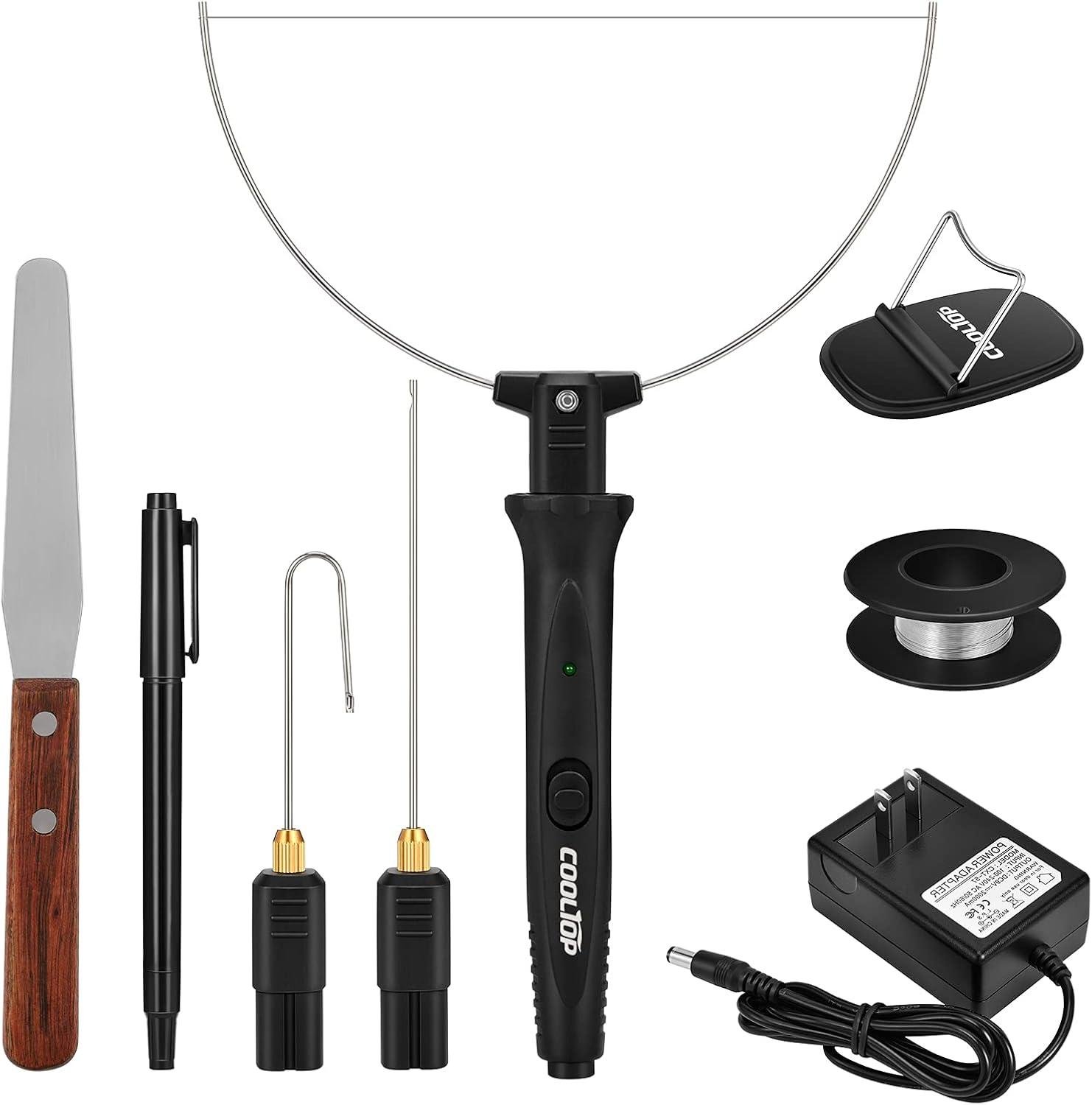
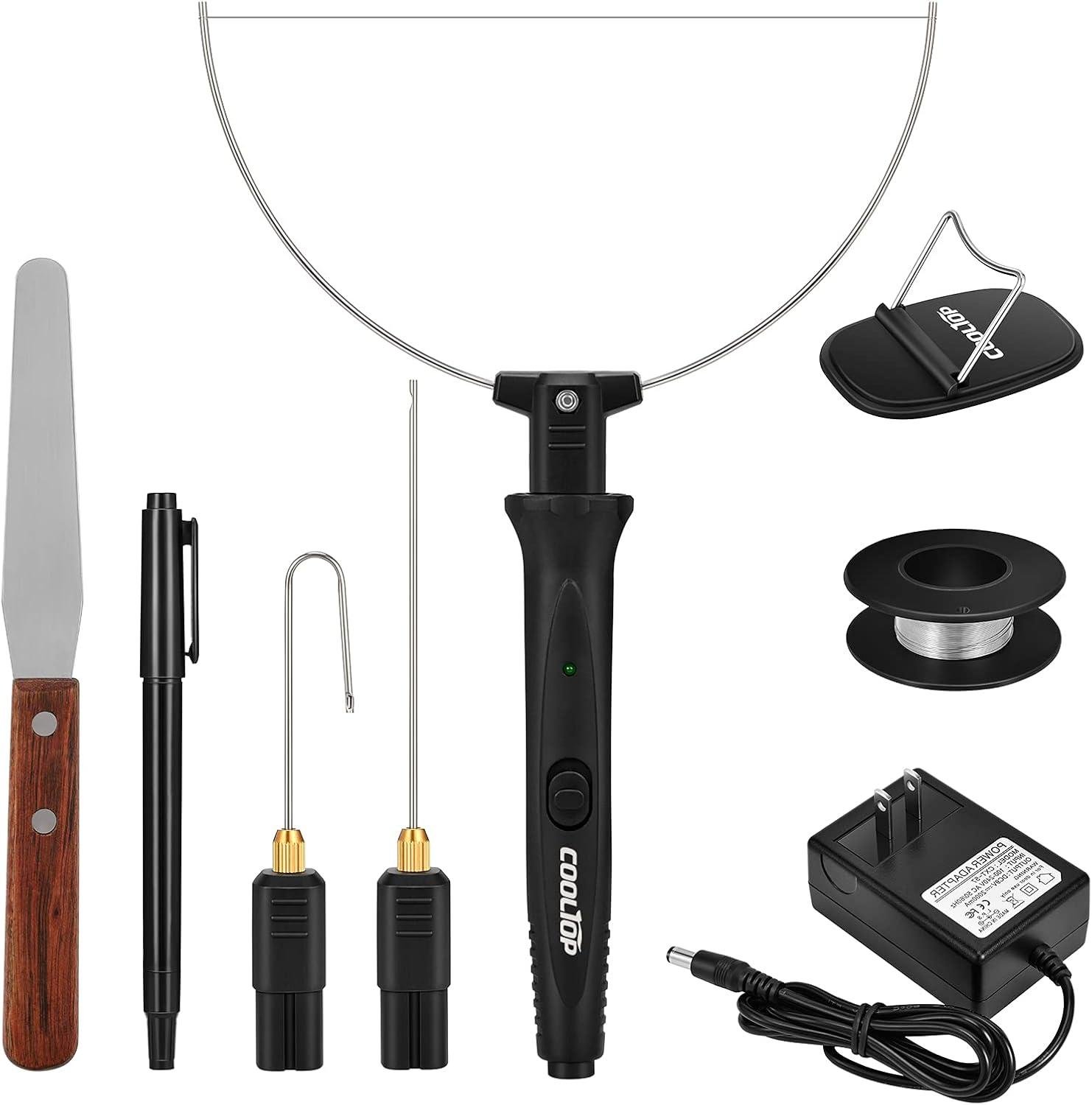
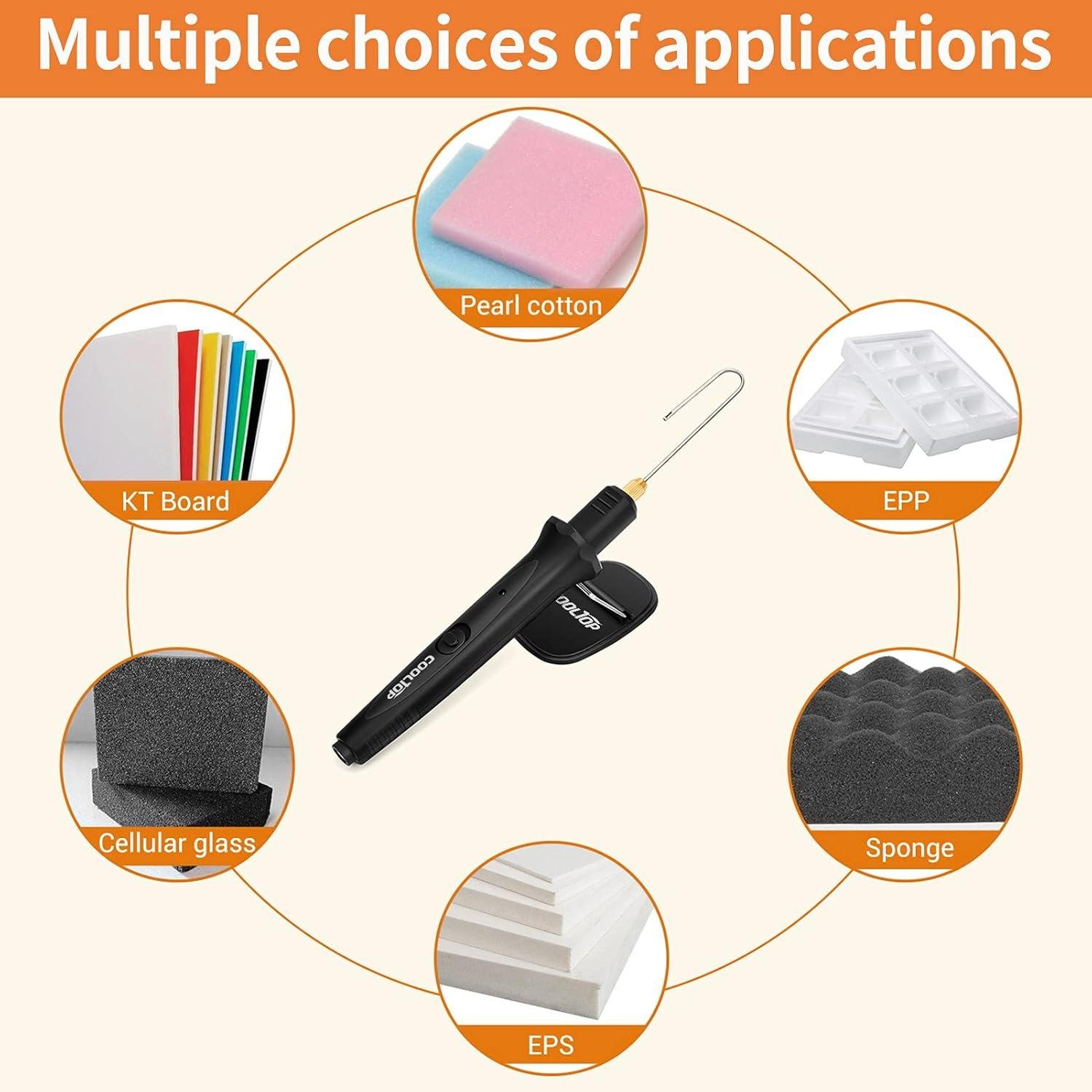
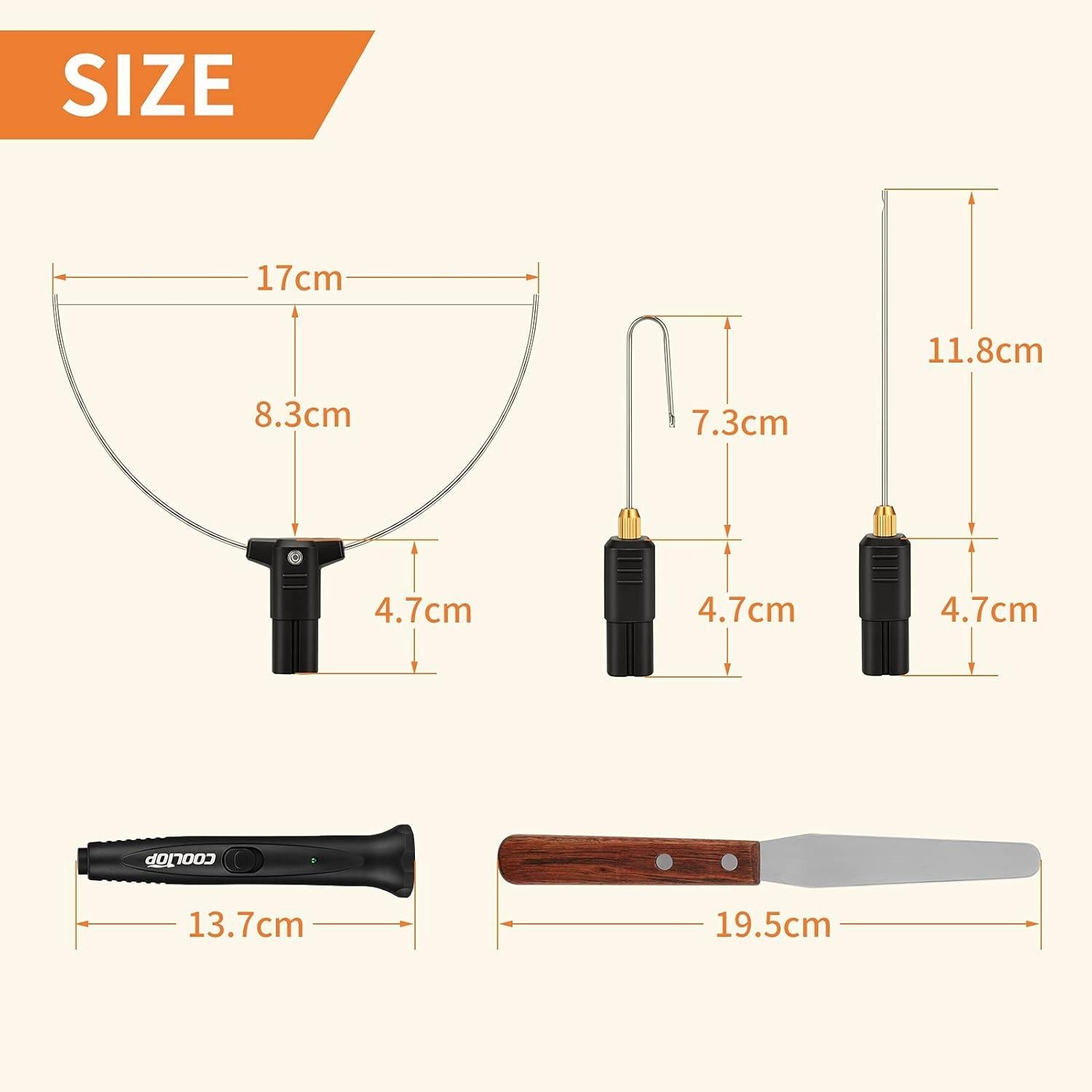
That’s where the Cooltop Hot Wire Foam Cutter kit (18W) comes in. It’s a heated foam carving “pen” built for low-density foams (foam board, pearl cotton, EPP, KT board, EPS) and includes three interchangeable tips—a hot wire tip, holing tip, and engraver tip—plus an ON/OFF switch, LED indicator, overheat protection, and a cleaning pen. Cooltop also claims it reaches about 100°C within 10 seconds, aiming for smooth, efficient cutting.
In this review, we’ll look at the feature set, ease of tip changes, space-and-budget practicality, and what customers report: many praise the “cuts like butter” convenience and value, while others note durability concerns, overheating, and even plastic housing melt. We’ve built enough jigs and shop aids to know the difference between a clever helper and a short-lived gadget—and we’ll weigh this one accordingly.
Tool Overview and Shop Fit for Foam and Template Work
In our woodworking shop, a hot-wire cutter like the Cooltop kit isn’t a “wood tool” so much as a template-and-fixture tool—the kind we reach for when we’re shaping foam for routing patterns, cradle blocks for odd parts, or sacrificial cauls that need to match a curve. This pen-style unit is rated at 18W and is designed to bring the tip up to about 100°C in ~10 seconds (per the product description), which lines up with what reviewers repeatedly mention: it heats up fast and “cuts like butter” on low-density foams like EPS and foam insulation board. The kit’s 3‑in‑1 tip system (hot wire, holing tip, engraver) makes it easier for us to go from roughing a profile to poking clean wire channels or relief holes without walking back to the bandsaw or grabbing a serrated knife. Having mentioned that, customer feedback also flags a real shop-fit limitation: functionality and quality are mixed, with multiple reviewers reporting the cutter stops working after a few cuts or that the handle/attachments can overheat and melt plastic housing. For us, that places it more in the “handy and inexpensive specialty cutter” category than a daily-production tool.
For foam-and-template work, the big educational takeaway is that hot-wire tools reward a controlled feed rate: too fast and you’ll drag and chatter the kerf; too slow and you’ll create the “goopy” melt build-up some reviewers describe—especially on denser foams where the tool is specifically not recommended for very high-density hard material. We treat it like trimming edge banding with a sharp chisel: steady hands,light pressure,and a consistent pace. Also, because melting foam can produce noxious fumes (a common review theme), we only use this under active ventilation—garage door open, fan running, and a respirator if the foam type is unknown. the maker suggests resting the tool after ~30 minutes and letting it cool before swapping tips, which is sensible both for safety and for reducing heat-soak that could contribute to the reported melt resistance issues. If our main goal is fast, repeatable foam templates and packing blocks—not long endurance cuts—this kit can fit nicely, as long as we respect its heat and keep expectations realistic.
- Included accessories
- 3-in-1 cutting pen with Hot Wire Tip, Holing Tip, and Engraver Tip
- Cleaning pen for tip cleanup
- ON/OFF switch with LED reminder light (per description)
- Compatible attachments/accessories (shop add-ons we’d pair with it)
- Metal stand or ceramic tile rest (heat-safe parking base)
- shop fan / fume extraction setup (ventilation)
- N95/OV respirator depending on foam type (safety)
- Steel straightedge and MDF guides for straighter template cuts
- Ideal project types
- Foam routing patterns/templates for curved parts
- Custom cradle blocks for glue-ups and clamping cauls
- Foam packaging inserts for finished pieces and tool storage
- Mock-ups for joinery layout and clearance checks
- Wood types tested by customers
- None (this tool is intended for foam materials like EPS/EPP/KT board/pearl cotton, not wood)
| Spec / Feature | Cooltop Hot Wire Cutter Kit (from listing) | What it means in a woodworking shop |
|---|---|---|
| Power | 18W | Best suited to low-density foam shaping, not heavy-duty continuous cutting. |
| Heat-up time | ~10s to 100°C | Fast starts for layout-to-cut workflow; still requires controlled feed to avoid melt/goop. |
| Tip system | Hot wire + holing + engraver | Useful for templates, relief holes, and detail carving without changing tools. |
| Use guidance | Rest after ~30 minutes; cool before changing tips | Plan cuts in batches; reduces risk of overheating and heat-soak in the handle. |
| Accessory / Tip | Included? | Primary use |
|---|---|---|
| Hot Wire Tip | Yes | Slicing and profiling foam templates and blocks |
| Holing Tip | yes | Creating pass-throughs for wires/dowels or weight-relief holes in foam jigs |
| Engraver Tip | yes | Detail grooves, layout lines, shallow recesses in foam |
| Cleaning pen | Yes | Removing residue to keep cuts cleaner and reduce drag |
| Capacity Consideration | Recommended (realistic) | Actual/Reported Experience (reviews) |
|---|---|---|
| Material type | Low-density foam (EPS/EPP/foam board) | Many report clean cuts; some report gooping on certain foams or with slow/fast technique. |
| Duty cycle | Short sessions with breaks (follow ~30 min rest guidance) | Mixed: some love it; others say it burned out or stopped working after limited use. |
| Heat management | Keep the handle oriented to avoid heat soak; park on a heat-safe stand | Notable concern: reports of plastic melting around the collar/attachments. |
See Full Specifications & Customer Photos
Real World Cutting Performance on Foam Boards and Layout Jigs
In our shop,foam boards and layout jigs show up more than folks think—full-size template mockups,story sticks,router patterns,and quick “try it before we cut hardwood” assemblies. The Cooltop kit is rated at 18W and claims it can reach 100°C within 10 seconds, and that quick heat-up matters when we’re bouncing between marking a curve and cutting it. Used as intended on low-density foam (EPS/KT board/foam board), the hot wire tip can give the kind of edges reviewers describe as “cuts like butter” and “clean results”—especially when we let the heat do the work instead of pushing like a knife. For woodworking-style accuracy, we got the best results treating it like a marking tool: lay a straightedge, keep a consistent feed rate, and pause briefly at starts/stops so the wire doesn’t gouge. Several customers also highlight that it heats up instantly and cools down quickly, which is helpful when we’re doing repeated small cuts for jig parts and don’t want a hot tool sitting on the bench for long.
That said, real-world performance is tied to technique and heat management. Reviews are clear that results vary: some users report smooth, fast cuts, while others mention the foam “gooped up on the wire” and left jagged edges untill they slowed down, cleaned the tip, and practiced. the kit includes a cleaning pen, and we’d consider it part of the workflow—residue on the wire changes the effective temperature and drags the cut off-line. Durability and safety notes from customers matter in a woodshop environment too: multiple reviewers mention the tool can stop working after a few cuts,and there are repeated complaints about heat level leading to the plastic housing melting if the hot end is oriented poorly or left heating too long. We’d follow the manufacturer’s guidance to rest after 30 minutes, keep the hot section pointed “up” when possible, and always cut with ventilation—because, as reviewers bluntly put it, melting foam can produce noxious fumes. For woodworkers, this is a handy, skill-friendly tool for mockups and jig components, but it’s not a substitute for durable template materials when you need repeatable, long-run production accuracy.
| Task | Foam Board / Layout Jig Use | What We’d Watch For (from specs & review themes) |
|---|---|---|
| Template mockups (curves, profiles) | Quick shaping before committing to plywood/MDF | 100°C in 10s can cut fast; keep steady feed to avoid goop/jagged edges |
| Jig spacers & fit-check parts | Make disposable test parts for joinery/layout | Multiple reviewers note heats up quick, cools quick; don’t force the cut |
| Long straight cuts | Breaking down insulation foam panels | Some say “not made for long endurance cuts”; follow the 30-min rest tip |
- included accessories: Hot wire tip, holing tip, engraver tip, cleaning pen (per product description)
- Compatible attachments/accessories: Replacement wires/tips of the same style (users commonly replace wires as consumables); straightedges, circle guides, and sacrificial cutting mats (shop add-ons we’d pair with it)
- Ideal project types: Foam mockups for furniture profiles, router-template prototypes, packaging inserts for tool storage, scenic/prop-style forms that inform woodworking builds
- Wood types tested by customers: None reported (this kit is intended for foam materials, not wood)
| Spec / Feature | Cooltop Kit (as listed) | Why It Matters for Jigs & Templates |
|---|---|---|
| Power | 18W | Enough heat for low-density foams; not intended for high-density hard materials |
| Heat-up | Up to 100°C within 10s | Fast iteration while laying out shapes and cutting test pieces |
| Tips | 3-in-1: hot wire, holing, engraver | Wire for cuts, holing for pass-throughs, engraver for layout marks and recesses |
| Duty guidance | Rest after 30 minutes (manufacturer tip) | Helps limit overheating issues reviewers mention (excess heat, melting plastic) |
| Recommended vs. Actual Capacity | Recommended (per description) | What Reviews suggest in Practice |
|---|---|---|
| Materials | Low-density foam: foam board, pearl cotton, EPP, KT board, EPS | Best results on lighter foams; some users report dense foam clogs/goops and cuts rough |
| Run time | 30 min then rest | Several users note it can feel like a small-project tool; some report burnout or failure after limited use |
See Full Specifications & Customer Photos
Key Features Woodworkers Will Appreciate for Clean Shaping and Detailing

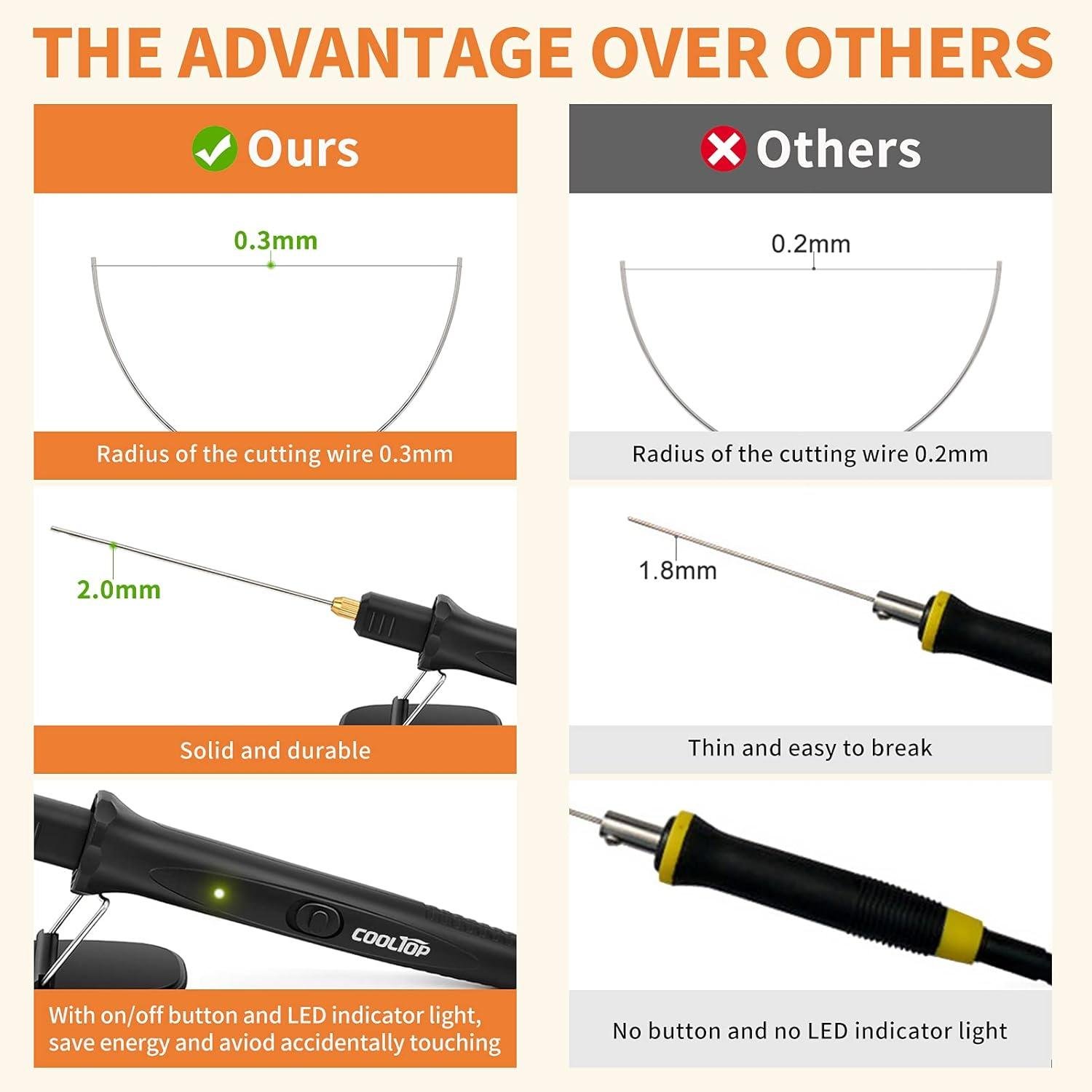
In our shop, the Cooltop kit earns its keep when we’re shaping foam templates, mock-ups, and packing inserts—not cutting wood. At 18W, it’s not a brute-force tool, but it’s fast where it counts: the manufacturer states the tips reach 100°C within 10 seconds, and that quick heat-up/quick cool-down behavior shows up constantly in customer themes (“heats up instantly,” “quick to heat up and cool down”). For layout work, that means we can rough a curve, refine it, and get back to the bandsaw or router without waiting around. Reviewers repeatedly describe it “cuts through foam like butter” and produces “smoothest edges,” which aligns with how hot-wire tools actually work: they melt a kerf instead of tearing it like a serrated knife, so you’re less likely to crush edges on EPS/insulation board when you’re tracing furniture parts, carving cauls, or building jigs that need clean reference faces.
Where woodworkers will appreciate the kit is its 3‑in‑1 interchangeable tips—a hot wire tip for straight/curved slicing, a holing tip for recesses and channels, and an engraver tip for lettering and shallow detailing. We also like that it includes a cleaning pen,because foam residue on a hot element is what turns crisp cuts into draggy,uneven passes. Technique matters: multiple reviews mention the cutter “forces you to cut slow and true,” and another notes that going too slow can make foam “goopy” and require frequent wiping—classic signs of excess dwell time and not enough forward feed. We’d also treat the handle/attachments with respect: a big review theme is concern about heat level and melt resistance, with some users reporting the plastic housing melts or the tool stops working after a few cuts.Practically, we’d use it in short sessions (the brand suggests resting after 30 minutes), keep it oriented to avoid heat soaking the collar, and always cut with ventilation—many reviewers mention noxious fumes from melting styrofoam, which is real shop-safety territory.
- Included accessories
- Hot wire tip
- Holing tip
- Engraver tip
- Cleaning pen
- Compatible attachments/accessories (as supported by the kit)
- Interchangeable Cooltop tips (wire / holing / engraver)
- Ideal project types
- Full-size foam templates for chair parts, arches, and curved aprons
- Routing/bandsaw mock-ups to verify ergonomics before committing hardwood
- Foam packing and tool drawer inserts for storage organization
- Jig and fixture prototypes (test clearances, stop locations, handholds)
- Wood types tested by customers
- None reported (customers discuss foam board, EPS, EPP, KT board, pearl cotton; this tool is not intended for wood.)
| Spec / Behavior | What the listing/reviews indicate | Why woodworkers care |
|---|---|---|
| Power | 18W | Best for foam shaping/details, not heavy continuous cutting |
| Heat-up time | 100°C in ~10s (stated) | Quick start/stop fits template work between woodworking steps |
| Duty cycle guidance | Rest after ~30 min (stated) | Plan short sessions to reduce overheating/melting risk |
| Cut feel | “Cuts like butter,” but can “force you to cut slow and true” (reviews) | Teaches proper feed rate for clean edges and less residue |
| Accessory/Tip | best use in a woodworking-adjacent workflow | Notes from customer themes |
|---|---|---|
| Hot wire tip | Smooth slicing for templates and curves | Often called the easiest/cleanest; “wire is the best top to use” |
| Holing tip | Recesses/channels in foam for storage inserts | Some users hadn’t tried it yet; performance can vary by foam density |
| Engraver tip | Layout marks, lettering, shallow details on mock-ups | Best with light pressure; overheating can increase “goop” |
| Capacity Category | Recommended (based on specs) | What reviewers report |
|---|---|---|
| Material density | Low-density foam (EPP, EPS, foam board, KT board) | Strong results on typical styrofoam; mixed results on denser foam |
| Session length | Up to ~30 minutes, then rest (brand guidance) | Some mention burnouts or failures; others use it successfully for projects |
| Detail level | Fine shaping/engraving with appropriate tip | Clean edges praised; some report jagged cuts until they adjusted speed/technique |
See Full Specifications & Customer Photos
Ease of use for Beginners and Precision Control for Experienced Makers
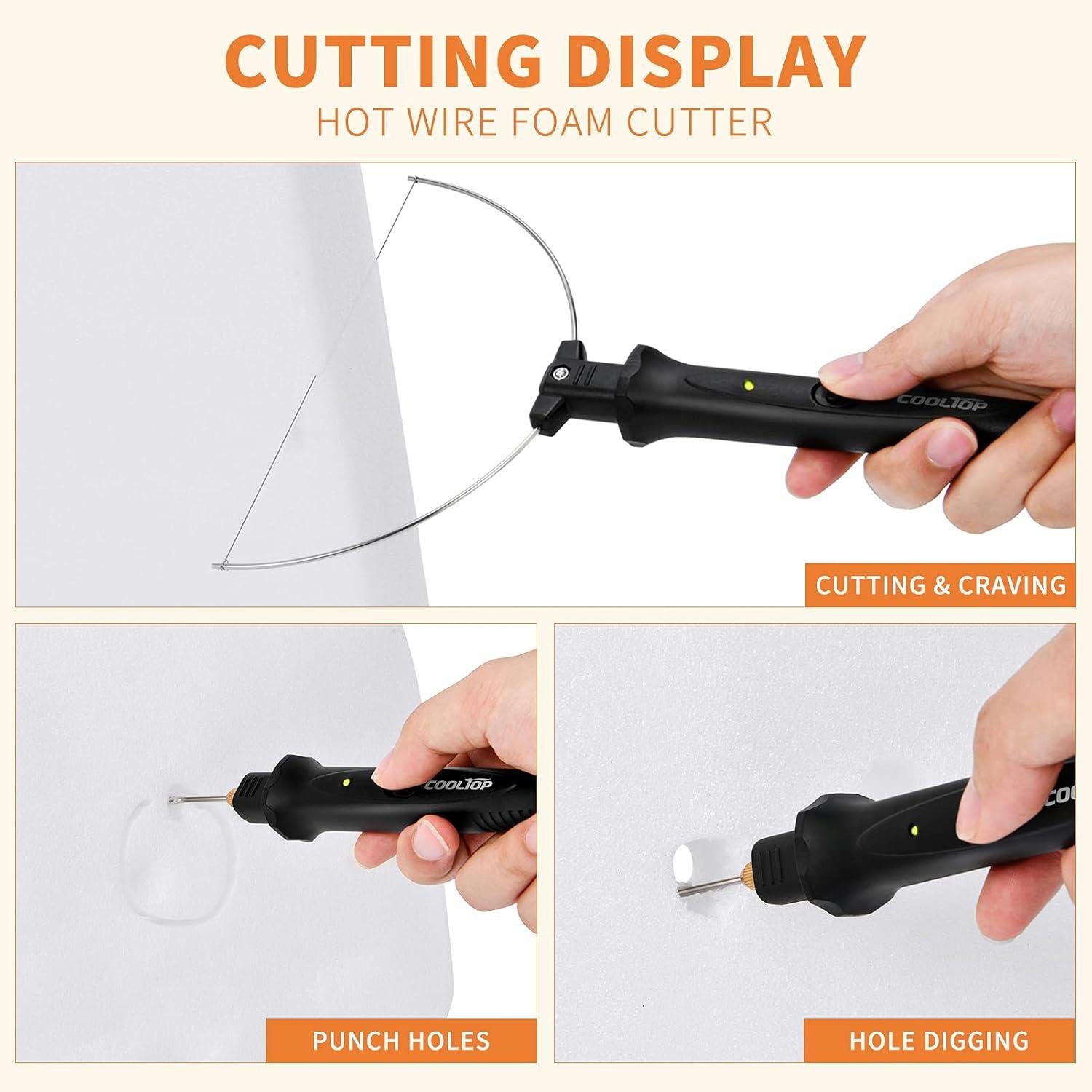
In our shop,a hot-wire foam cutter like the Cooltop kit feels a lot like a specialty marking-and-fitting tool: it’s not for lumber, but it can make template work, mock-ups, and packaging inserts dramatically cleaner than a utility knife.Setup is beginner-friendly because it’s basically plug in, click the ON/OFF button, watch the LED reminder light, and wait for the tip to get to temp—Cooltop claims the tips reach 100°C in about 10 seconds and the kit is rated at 18W. That quick heat-up lines up with customer themes that it “heats up instantly” and “slices through foam like butter,” especially on low-density materials like foam board, EPS, EPP, KT board, and pearl cotton. From a beginner’s perspective,the big learning curve isn’t assembly—it’s feed rate. More than one reviewer implied that early cuts can look “jagged” or “goopy” until we learn to move “slow and true,” which is the same kind of hand-skill we develop when paring end grain with a chisel: let the heat do the work rather of forcing the tool.
For experienced makers,the “precision control” comes from tip choice and disciplined technique rather than a dialed-in temperature knob (reviews are mixed on heat level,with some saying it gets too hot). The 3-in-1 pen approach—Hot Wire Tip for long kerfs and curves, Holing Tip for clean pass-throughs, and an Engraver Tip for grooves—gives us the kind of control we want when shaping negative space for jigs, router templates, or curved cauls.Customers particularly praise the clean edges and even mention not needing sandpaper on some foam insulation board shapes, but we also need to be realistic: durability and consistency get mixed marks, including reports that the cutter “stops working after a few cuts,” and recurring complaints about plastic housing melting near the heated collar if it’s run too long or positioned poorly (one reviewer even noted “heat rises” when hung upside down). Practically, we’d treat this like a light-duty specialty tool: work in shorter sessions (the brand suggests a rest after 30 minutes), keep the tip moving, ventilate well as reviewers call out “noxious fumes,” and use the included cleaning pen to keep the wire from accumulating melted residue that can wreck accuracy.
- Included accessories: Hot Wire Tip, Holing Tip, Engraver Tip, Cleaning Pen
- Compatible attachments/accessories: Replacement hot-wire tips/loops and spare holing/engraver tips (matched to this Cooltop handle)
- Ideal project types: Foam mock-ups for furniture/prototypes, router-template patterns, protective case inserts, shop-made sanding blocks/forms, theater/prop-style layout models
- Wood types tested by customers: None reported (this tool is intended for foam materials, not wood)
| Spec / Feature | What the Cooltop Kit Provides | Why It Matters in a Wood shop |
|---|---|---|
| Power | 18W | Enough for low-density foam shaping; think “detail tool,” not production cutter. |
| Heat-up time | ~10s to 100°C (claimed) | Fast starts help with quick template edits and fit checks. |
| Tip styles | 3-in-1: hot wire, holing, engraver | Swap tips to match operations—kerfing, piercing, or detailing. |
| Duty cycle guidance | Rest after 30 minutes (recommended) | Helps reduce overheating and the melt-related complaints noted in reviews. |
| Accessory / Tip | Primary Use | Best Fit for |
|---|---|---|
| Hot Wire Tip | Slicing and contour cutting | Template blanks, curved foam forms, quick straight cuts with a fence |
| Holing Tip | Melting holes/slots | Wire pass-throughs, alignment holes, dowel-simulation in mock-ups |
| Engraver Tip | Grooves and surface detailing | Index lines, shallow channels, lettering/layout marks |
| Cleaning Pen | Residue removal | Keeping cuts clean and preventing “goop” buildup mentioned by reviewers |
| Capability | Recommended | What Reviews Suggest in Practice |
|---|---|---|
| Material density | Low-density foam (per product guidance) | Many report it cuts “like butter” on styrofoam/insulation foam; some report struggles on denser foam. |
| Session length | Rest after ~30 min | mixed durability; several reports of overheating/melting parts or performance dropping if pushed hard. |
See Full Specifications & Customer Photos
Customer Reviews Analysis
What Woodworkers Are Saying (Review Analysis)
Even though this is primarily a foam-cutting tool (not a customary woodworking cutter), several themes in the reviews—precision, finish quality, durability, and ease of control—line up with what woodworkers typically care about when shaping templates, mockups, insulation, or scenery pieces.
| Aspect | Common Feedback |
|---|---|
| overall Sentiment | Mostly positive for smooth cutting and quick heat-up, with a notable minority reporting messy cuts or early tip failure |
| Performance | Frequently enough praised for slicing smoothly and cleanly; best results reported when cutting slow and steady |
| Precision / Finish | Some users reported “smoothest edges” and no sanding; others got jagged cuts and wire buildup without dialed-in technique |
| Durability | Mixed—one report of a straight wand “burnt out quick,” plus comments about a looser plug/connection |
| Ease of Use | Many found it straightforward and satisfying; beginners may need practice to match “video-perfect” cuts |
| Use Cases | Foam insulation boards, art/classroom use, theater props, party backdrops, general foam shaping |
1. Overall sentiment from woodworking customers
Multiple reviews highlight strong satisfaction with how quickly the tool heats up and how easily it moves through foam. Common praise includes “works great” and “slices smoothly.” That said, some users reported challenges with getting consistently neat cuts—especially on a first attempt—suggesting results can depend heavily on technique and pace.
2. Performance feedback (accuracy, power, results)
Several woodworkers/crafters mentioned fast heat-up and fast cool-down, which helps with workflow and stopping between cuts. Reviewers also noted it “forces you to cut slow and true,” implying that pushing too fast can reduce cut quality. When used within its comfort zone,customers successfully used this for smooth,clean edges—one reviewer even emphasized they didn’t need sanding after cutting foam insulation board.
A few reviewers described excellent cutting feel—e.g., “slices through styrofoam like buttah!”—but performance isn’t universally foolproof: one user reported the foam “gooped up on the wire,” leading to jagged, uneven cuts and frequent cleaning pauses.
3. Build quality and durability observations
Durability feedback is mixed. Some owners were impressed enough to buy again, including one reviewer who said they were buying a second time after about a year of use. On the other hand, one of the more concrete negatives was a report that the “straight wand burnt out quick and could not repair,” plus comments that the wand “could be stiffer” and that the “plug to wand” connection could be tighter. For woodworkers used to robust shop tools, these notes may signal “light-duty” construction in some components.
4.Ease of use for different skill levels
Beginners and DIYers often appreciated the straightforward setup and the satisfying feel of the wire tip in particular. However, one first-time user described a learning curve: moving too quickly caused rough cuts, while moving too slowly increased melting/goop buildup and required frequent wiping. in other words, reviewers with less experience found that technique (speed, steadiness, and cleaning habits) strongly affects results.
There are also safety/handling reminders embedded in the feedback—“be super careful because it is hot hot hot!”—which matters for classrooms, shared workshops, or busy garages.
5. Common project types and success stories
Customers report using this for:
- foam insulation board shaping (including party backdrops and large shapes)
- Theater props (“cutting a lot of foam” for productions)
- Art room/class projects (good results, but requires supervision due to heat)
- General foam crafting and foam board work
Several reviewers mentioned successful outcomes like smooth edges and quick shaping of custom forms—exactly the kind of benefit woodworkers might want when building prototypes, templates, jigs, or display pieces from foam.
6. Issues or limitations reported
Some users reported challenges with:
- Messy cuts / jagged edges when speed isn’t dialed in,especially for first-time users
- Wire buildup (“goop”) that can require frequent cleaning mid-cut
- Possible component weakness (looser connection,wand stiffness)
- Early failure risk for at least one tip/wand (“burnt out quick”)
- Fumes—one reviewer noted “noxious fumes,” which is a practical shop limitation (ventilation becomes important)
A practical limitation also came up: for fast rough cuts,at least one user sometimes preferred a simple bread knife,using the hot wire tool more for fine detail work where clean shaping matters.
Pros & Cons
Pros & Cons: Cooltop Hot Wire Cutter Kit
When we bring a foam cutter into our shop, we’re not just buying a “hot knife”—we’re buying time, cleaner edges, and fewer cleanup headaches. the Cooltop 18W kit delivers some real wins, but it also comes with a couple of “treat it gently” caveats we can’t ignore.
| Where It Shines | Where It Struggles | What It Means for our Shop |
|---|---|---|
| Fast heat-up (about 10 seconds) | Heat can get too aggressive | Great for quick bursts; we need discipline to avoid lingering and melting parts. |
| Smooth cuts on low-density foams | Mixed results on denser materials | Ideal for EPS/foam board props; not our “one tool for every foam” solution. |
| 3-in-1 tips for cutting/holing/engraving | Attachments can be inconsistent | Versatile on paper, but we should test each tip before a deadline run. |
| Includes a cleaning pen | Some users report goopy buildup mid-cut | We’ll still plan for periodic wipe-downs during long sessions. |
pros
- Slices through low-density foam “like butter.” For foam board, EPS, KT board, and similar materials, we can get clean edges and satisfying control—especially compared to serrated knives.
- Heats up quickly and cools down fast. That quick on/off behavior is helpful in a busy workspace where we’re hopping between steps.
- Versatility from the included tips. The 3-in-1 approach (hot wire tip, holing tip, engraver tip) lets us go from cutting shapes to carving details without switching tools entirely.
- Good value for the price. Many buyers feel it delivers strong capability for the cost, which matters if we’re adding multiple tools to the bench.
- Beginner-friendly controls. The ON/OFF button and LED indicator keep it straightforward—less fiddling, more making.
- Convenient maintenance. The included cleaning pen is a nice touch for keeping tips usable between cuts.
Cons
- Durability and reliability are hit-or-miss. Some reports mention the cutter stopping after only a few cuts or burning out early, which is the kind of surprise our shop schedule does not enjoy.
- Melt risk is a real concern. Multiple users mention the plastic housing/attachments melting during use. That’s a safety issue and a longevity issue—especially if we set it down carelessly or run it too long.
- Heat control can be tricky. While quick heat is a pro, it can also mean overheating, which can increase foam “goop,” rough edges, or tip buildup if we cut too slowly (or too fast).
- Not built for marathon cutting sessions. Even the product guidance suggests resting after ~30 minutes. For big prop runs or batch work, we’ll need breaks (or a heavier-duty cutter on standby).
- Fumes are part of the deal. Cutting/melting foam can produce noxious fumes; we’ll want ventilation (garage,exhaust fan,and/or respirator practices depending on material and volume).
Q&A

Can this handle hardwoods like oak or maple?
No—this is a foam-cutting tool, not a woodworking cutter. The 18W hot wire/knife tips are designed to melt and separate low-density foams (EPS, EPP, KT board, pearl cotton). It will not cut wood, plywood, veneers, MDF, or laminates, and trying to use it on wood can damage the tips and create unsafe heat buildup.
What materials does it cut best for woodworking-adjacent shop tasks (templates, mockups, packaging)?
It’s best on low-density foams used in shops for patterns, prototypes, and packing—EPS/Styrofoam, foam board, KT board, pearl cotton, and some EPP. Reviews frequently mention it “cuts like butter” and produces clean edges on insulation-style boards and craft foam. It’s not intended for very high-density, hard materials, and several reviewers noted performance drops or clogging/gooping if the foam is too dense or the feed rate is off.
Is it powerful enough for thicker foam,or is this more of a hobby tool?
Think hobby/light shop use rather than production. It heats up quickly (the listing notes up to ~100°C within ~10 seconds), and many users like it for quick shapes and smooth edges. That said, multiple reviews mention mixed functionality and durability—some units stop working after a few cuts or burn out—so it’s better for occasional template work, cosplay/prop-style shaping, or cutting a few foam inserts than all-day, high-volume work.
How tough is the initial setup,and what adjustments are available?
Setup is straightforward: plug in,switch on,wait a few seconds for heat,and begin cutting. The kit is “3-in-1” (hot wire tip, holing tip, engraver tip), so your main “adjustment” is choosing the right tip for the job—straight cuts (wire), holes/channels (holing tip), and details/grooves (engraver). There isn’t a true precision temperature dial mentioned; controlling cut quality is mostly about technique—steady speed and light pressure.
How easy are tip changes, and does it work with standard hot-wire accessories?
Tip changes are designed to be quick, but you must power off and let it cool before swapping (the product tips specifically call this out). As for global accessories: don’t assume compatibility with other brands’ tips/wires—kits like this often use thier own fittings. If you expect to use specialty jigs or third-party bows/tables, you’ll want a dedicated hot-wire foam station instead of a handheld pen-style cutter.
What does it need in a small woodworking shop—bench mounting,power,and dust collection?
This is handheld and compact,so it fits easily in a small shop and doesn’t require bench mounting. Power is standard household electricity (it’s an 18W electric tool). The bigger “shop integration” issue isn’t dust—it’s fumes. Melting foam can produce noxious fumes; reviewers specifically recommend using it in a garage or with ventilation. Use active ventilation (fan to outside) and avoid breathing the smoke; this is not a job for your normal dust collector.
Is it beginner-friendly, or does it take practice to get clean edges?
Beginner-friendly but there is a learning curve for cut quality. Many customers call it easy to use and like the clean results,but at least one detailed review described “gooping” on the wire and jagged cuts until they adjusted speed/technique. The practical trick is to let the heat do the work: move steadily without forcing it. Too fast can snag and tear; too slow can over-melt and leave beads/residue.
Any durability/heat concerns I should know about before buying?
Yes—this is the most common caution in reviews. While the tool includes overheat protection and an LED indicator, customers report mixed quality: some say it works great, others say the cutting head stops working, and a significant number mention the plastic housing/handle melting from heat. Practical advice: don’t run it continuously (the listing suggests resting after ~30 minutes),avoid leaving it energized while stationary,keep the hot end away from the handle/collar area,and let it cool fully before setting it down or swapping tips.
Experience Innovation
The Cooltop Hot Wire Foam Cutter Kit is an 18W,pen-style foam knife designed for clean shaping of low-density materials like EPS,EPP,KT board,pearl cotton,and foam board. It heats to working temperature (about 100°C) in roughly 10 seconds, includes interchangeable hot wire/holing/engraver tips, an on/off switch with LED, plus a cleaning pen. Customer feedback consistently praises ease of use, quick heat-up, and “cuts like butter” results, but reviews are mixed on long-term reliability and heat management—some users report tip failure or the plastic housing softening/melting with extended use.
Best for hobby woodworkers with small to medium projects—jigs, router templates, packing inserts, mock-ups, and prop-style shaping where precision on foam matters.
Consider alternatives if you need daily, production-level durability, plan long continuous cuts, or work with high-density foams/hard materials.
it’s a solid budget-friendly foam cutter with strong cutting performance, provided you respect cooldown breaks and ventilation.
Want to see current pricing and customer photos? View on Amazon & Read More Reviews →