

Blog
Art3d Wood Slat Panels Review: Right for Our Shop?


Ever start a “quick” shop upgrade—like a cleaner backdrop for project photos or a quieter corner for sanding—and realize yoru biggest obstacle isn’t the build, it’s precision? Keeping long panels straight, aligning slats evenly, and fitting around outlets in a cramped workspace can turn a simple wall project into a measuring-and-recutting marathon.
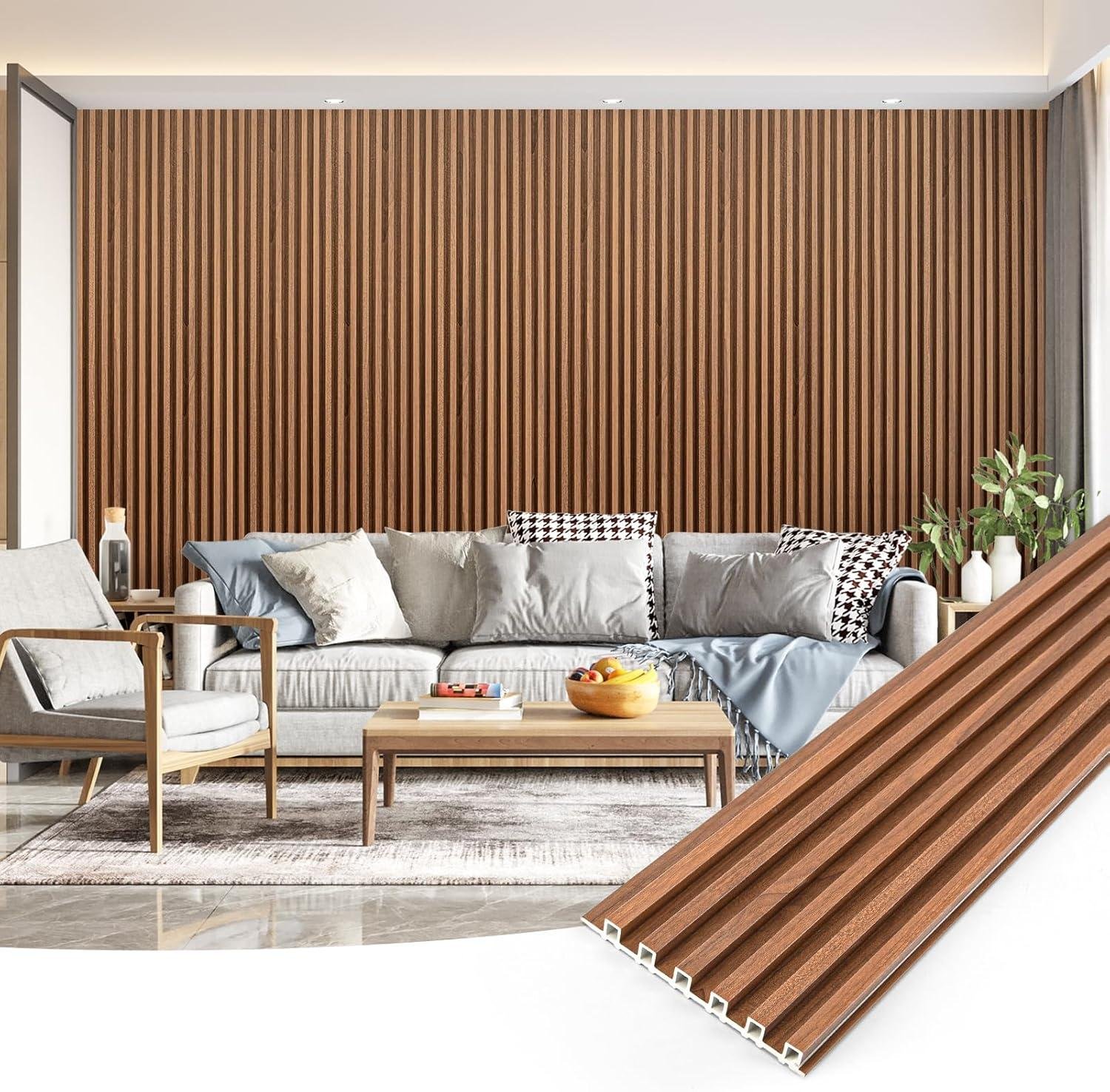
That’s where the Art3dwallpanels Wood Slat Wall Paneling comes in: an 8-pack of 3D fluted WPC panels (104″ x 6.7″) designed to deliver a warm teak look with a more forgiving, DIY-amiable install. These panels are built to snap together, then secure with screws using included accessories, and the manufacturer notes they can be cut with any power saw—a big deal when accuracy matters and walls rarely run perfectly square.
In this review, we’ll cover specs, installation realities, space and tool requirements, durability claims (fire-resistant, waterproof, formaldehyde-free), and what customers report about finish quality and sound-dampening. We’ve built enough shop fixtures and wall treatments to know where budget-friendly systems shine—and where the learning curve can bite.
Tool Overview and First Impressions in the Shop

In our shop, we treated the Art3dwallpanels Wood Slat Wall Paneling as more of a *sheet-good option* than a “tool,” and the first thing we noticed was the scale: each panel is a full 104″ x 6.7″ (about 8’8″ tall), sold as an 8-pack with a fluted, 3D slat profile in a Teak look. That extra height matters in real installs—several customers specifically praise the “taller height” becuase it reaches high ceilings without stacking shorter sections, which reduces visible seams and speeds layout. Material-wise, these are WPC (wood-plastic composite): the brand states they’re made from recyclable plastic and wood fiber with a PVC laminate, and highlights properties like fire-resistant, waterproof, weather-resistant, formaldehyde-free, and soundproof. For woodworkers, that tells us two things: (1) we’re not dealing with “true” hardwood movement and finishing, and (2) we should treat cuts and fastening more like a composite trim job than cabinetry plywood—measure carefully, protect the face, and plan for clean terminations.Setup impressions line up with the DIY messaging: the product description says to “snap together and secure with screws using the included accessories,” and customer themes consistently mention straightforward installation and “easy to cut if needed.” In workshop terms, this is a layout-and-install product where your saw setup and fastening control matter more than joinery. One reviewer notes it “cuts very well on a miter saw,” which matches what we’d expect from WPC, but they also warn that brad nails can “blow right through” unless we dial in the nailer depth—good reminder to test on an offcut and sneak up on the setting. On the finish side, customer feedback is split: many say the color is “rich, warm, and consistent,” while at least one reports it’s “more red and darker than advertised,” so we’d advise checking in-shop lighting and ordering with that risk in mind. Another practical tip from reviews: if you paint, don’t paint the left and right edges where panels snap together, or you can make assembly harder—touch up after install instead.
- Included accessories (per product description): screws and snap-together mounting accessories
- Compatible attachments/accessories (shop-proven categories from reviews/specs): miter saw or power saw for trimming; brad nailer (with depth adjustment); drill/driver for screws
- Ideal project types: accent walls,shop office/studio treatments,client-facing showroom walls,quick “high-end” visual upgrades where full-length panels reduce seams
- Wood types tested by customers: not applicable—this product is WPC (wood-plastic composite),not solid wood species
| Spec / Feature | Art3dwallpanels Slat Panels (Teak) | Why It Matters in the Shop |
|---|---|---|
| Panel size | 104″ x 6.7″ each | Fewer seams on tall walls; plan transport/handling like long trim stock. |
| Pack count | 8 panels | Helps estimate coverage and fastener count before committing to an install day. |
| material | WPC (plastic + wood fiber) with PVC laminate | Cut/fasten like composite; avoid aggressive nailing and protect the face from scuffs. |
| Claimed properties | Soundproof, waterproof, fire-resistant, formaldehyde-free | Useful for studios/offices; “soundproof” claims vary by wall assembly—treat as echo reduction, not a full isolation system. |
| Accessory | Compatible? | Notes for Use |
|---|---|---|
| Miter saw | Yes (customer-reported) | Support the long panel to prevent chatter; use a fine-tooth blade for a cleaner edge. |
| Brad nailer | Yes (customer-reported) | Test depth—reviewers warn nails can blow through if not dialed in. |
| Drill/driver + screws | yes (per description) | Good choice when you want predictable hold without overdriving fasteners. |
| Capacity Topic | Recommended (Practical) | Actual (From Specs/Reviews) |
|---|---|---|
| Wall height coverage | Measure ceiling height before purchase | 104″ panels praised for tall ceilings (customer reported fit on ~9 ft wall). |
| fastening method | Screws for consistent clamp-up; brads only after testing | “Snap together + screws” per description; brad nailer works but needs depth adjustment per reviews. |
see full Specifications & Customer Photos
Real World Performance for Accent Walls and Sound Dampening

In real-world shop use, we treat these Art3dwallpanels slats less like “finish carpentry wood” and more like a trim-grade cladding system that still benefits from woodworking discipline. Each panel in the kit measures 104″ x 6.7″ (8-pack) and the taller length is a legitimate workflow advantage: multiple reviewers mention it “went all the way to the ceiling,” which means fewer seam lines, less layout time, and a more professional-looking accent wall without stacking shorter sections. When we’re fitting around outlets, door casings, or cabinet runs, the manufacturer’s note that it can be cut with “any power saw” matches customer feedback—one reviewer specifically says it “cuts very well on a miter saw.” In our experience with WPC-style products (wood fiber + plastic), clean cuts come from a fine-tooth blade and stable support to prevent chatter; if we’re using a brad nailer, we also take the warning seriously that it can “blow right through,” so dialing in depth and testing on an offcut is the difference between a crisp install and crushed edges.
For sound dampening, we keep expectations realistic: these are marketed as soundproof 3D wall panels, and the strongest consistent theme in reviews is that they reduce echo and make the room feel more “cozy and refined,” not that they entirely isolate sound like a true studio build-up. Practically, the fluted/slat geometry can definitely help break up reflections, which is useful in workshops that double as content spaces, small studios, or office corners where hard walls make everything ringy. Installation method matters for results—customers report easy setup using the included hardware, with at least one reviewer skipping glue and using “screws and brackets” successfully; tighter connections generally mean fewer rattles, while leaving air gaps or floating sections can change how the wall responds acoustically. We’d also plan handling carefully: one theme is they “damage pretty easily” during install, and another is color can vary (some found it “more red and darker” than pictured), so we’d dry-fit, protect edges on the bench, and confirm the teak tone under our actual lighting before committing to a whole-room order.
See Full Specifications & Customer Photos
Key Features Woodworkers Will Appreciate in WPC Slat Paneling

From a woodworker’s point of view,the standout “feature” hear is simply the format: each panel is a full-height 104” x 6.7” fluted slat, and you get an 8-pack. Multiple customers praise the taller height because it reaches high ceilings without stacking shorter sections—one reviewer with a 9 ft wall said the height was “perfect,” and others noted it made the finished wall look more seamless and professional. In the shop, that translates into fewer alignment headaches, fewer horizontal seams to hide, and faster layout time. The manufacturer’s “snap together and secure with screws” approach lines up with review themes that the panels are straightforward to install and “doable,” even for DIYers, and at least one reviewer reported they skipped glue and used screws and brackets for a sturdy result. The WPC build—wood fiber plus plastic with a PVC laminate—also matters to us for interior work: it’s marketed as formaldehyde-free, plus soundproof, which reviewers echoed as helping reduce echoes and making the room feel cozier.
Where woodworkers will really appreciate these panels is how they behave with common shop tools. Reviews specifically mention they cut well on a miter saw, and the product description notes they can be cut with “any power saw,” which is realistic as long as we treat it more like cutting a composite than solid teak. For clean cuts, we’d use a sharp, fine-tooth blade (and support the profile to prevent chatter), then sneak up on final length with stop blocks—especially useful when you’re trimming multiple 104” pieces to match a ceiling line. Fastening needs a bit of tool discipline too: one customer warned it “takes a little dialing of the brad nailer” and that it can blow right through if depth isn’t adjusted—good advice for anyone used to 18ga nails on pine. A final practical note from reviewers: while many called the color “rich, warm, and consistent,” at least one reported it was redder/darker than advertised, so in a pro workflow we’d dry-fit under the room’s lighting before committing and avoid painting the interlocking edges (another reviewer noted paint buildup can make snapping tough). these are best suited to woodworkers who want a fast, modern accent wall using familiar cutting and fastening tools—just with composite-aware technique.
- Included accessories: Included mounting accessories (per product description: “All you need for installation is in one package”)
- compatible attachments/accessories (shop-tested concepts based on reviews/spec use): Fine-tooth miter saw blade, depth-adjustable brad nailer, screws + brackets, stop blocks, painter’s tape for cut lines
- Ideal project types: Full-height accent walls, office/studio echo reduction walls, theater/media rooms, entry feature walls
- Wood types tested by customers: Not applicable (WPC composite); reviewers reference cutting on a miter saw rather than specific wood species
| Spec / Feature | Art3dwallpanels WPC Slat Paneling | Why Woodworkers Care |
|---|---|---|
| Panel size | 104” x 6.7” (each) | Fewer seams; easier to hit tall ceilings with consistent slat spacing |
| Pack quantity | 8 panels | Plan wall coverage and batch-cutting strategy (stop blocks, repeatable lengths) |
| Material | WPC (wood fiber + plastic) with PVC laminate | Use composite-friendly blades/feeds; avoid blowout and overdriving fasteners |
| claimed properties | Soundproof, fire-resistant, waterproof, formaldehyde-free | Useful for studios/offices; consider fastening method for best real-world performance |
| Accessory / Tool | Compatibility | Notes from Reviews / Best Practice |
|---|---|---|
| Miter saw | Yes | Reviewer: “Cuts very well on a miter saw.” Use a sharp, fine-tooth blade for cleaner edges. |
| Brad nailer | Yes (with care) | Reviewer: adjust depth—fasteners can “blow right through.” Test on an offcut. |
| Screws + brackets | Yes | Reviewer reported using screws/brackets rather of glue for a sturdy install. |
| Capacity / Expectation | Recommended (Best Practice) | Actual (What Reviews Suggest) |
|---|---|---|
| Handling during install | Support profiles; avoid flexing corners | Reviewer noted panels can damage easily if handled carelessly during installation |
| Finish/color match | Dry-fit under room lighting before final fastening | Mixed reports: some say exact as shown,one says redder/darker than advertised |
See Full Specifications & customer Photos
Ease of Use for Beginners and Pros Including Cutting Mounting and Finishing
For beginners, the big win with Art3dwallpanels is that they’re sized to reduce layout headaches: each panel is 104” x 6.7”, and the set comes as an 8-pack, so we can often run floor-to-ceiling on many rooms without stacking shorter sections. In the shop, that translates to fewer seams to align and fewer chances to “walk” off plumb as we work across a wall. The manufacturer positions these as easy DIY with a snap-together connection and screw-down install, and customer feedback largely matches that—multiple reviewers describe them as “straightforward to install,” “doable,” and even completing a wall in about “1 hour” when the layout is simple. We do want to set expectations: review themes also mention mixed color accuracy (one user reported the teak looked “more red and darker than advertised”), so for a pro-level finish we’d recommend unboxing all pieces and dry-laying them under the jobsite lighting before committing to a full wall.
Cutting, mounting, and finishing are where these panels feel more like a trim-and-install material than a customary “woodworking” component, but the workflow is familiar. The product description notes they can be cut with any power saw, and a reviewer specifically reports they “cut very well on a miter saw”—in our experience, that usually means using a fine-tooth blade, supporting the profile to prevent chatter, and sneaking up on length for tight ceiling/floor fits. For mounting, customers report good results with screws and brackets (even skipping glue), but we should be cautious with nailers: one reviewer warns a brad nailer needs depth adjustment because it can “blow right through it”. If we plan to paint, a helpful tip from reviews is to avoid painting both mating edges because it can make the snap fit tight—touch-up after install instead. Handle them carefully during install too; another review theme is they can damage pretty easily while handling, though once mounted they’re generally protected and stable.
- Included accessories: mounting hardware “included accessories” (as stated by the manufacturer); specific pieces aren’t itemized in the listing excerpt
- Compatible attachments/accessories: miter saw or circular saw with fine-tooth blade; brad nailer (with careful depth control); driver for screws; layout tools (level/laser)
- Ideal project types: full-height accent walls, ceiling-height slat features, office/studio sound-dampening decor, renter-friendly makeovers (review theme)
- Wood types tested by customers: not specified in reviews—these are WPC (wood-plastic composite) panels with PVC laminate rather than solid wood species
| Spec / Feature | What It Means in the Shop |
|---|---|
| Panel size: 104” x 6.7” | Fewer seams; easier to achieve a “single-run” floor-to-ceiling look on many walls |
| Pack size: 8 panels | Useful for planning coverage and batching cuts/installs in a repeatable workflow |
| Material: WPC + PVC laminate | Cut like a composite; prioritize sharp blades and careful handling to avoid edge damage |
| Snap-together + screw mount | Beginner-friendly alignment; pros still benefit from dry-fitting and consistent reveal spacing |
| compatible Tool/Accessory | Use Case | Setup Tip |
|---|---|---|
| Miter saw (fine-tooth blade) | Crosscuts to height; trimming ends for outlets/returns | Support the profile and cut face-up if it reduces chipping on your blade |
| Brad nailer | Fast tacking (if you choose to) | dial back depth; reviewers note it can “blow right through” |
| Screws/driver + level/laser | Primary fastening and straight layout | Establish a dead-straight baseline and check plumb every few panels |
| Capacity Topic | Recommended (Best Practice) | Actual (From specs/Reviews) |
|---|---|---|
| Wall height planning | Choose panels that minimize stacking seams | 104” height frequently praised for high ceilings; reviewers mention fitting ~9 ft walls well |
| Finishing/painting | keep joints clean for snap fit; touch up after | Review tip: don’t paint both mating edges or snapping becomes difficult |
See Full Specifications & Customer photos
Customer reviews Analysis

What Woodworkers Are Saying (Review Analysis)
1. Overall sentiment from woodworking customers
Multiple reviews highlight high satisfaction—especially with the modern “high-end” look, taller panel height (reducing seams), and a straightforward install that delivers a clean, professional finish. common praise includes “transformed our space,” “quality exceeded expectations,” and “well worth the investment.”
2. Performance feedback (accuracy, power, results)
While this isn’t a power tool, woodworkers and DIY installers still commented on workability and results:
- Cutting performance: Several woodworkers mentioned the panels cut cleanly on a miter saw (“Cuts very well on a miter saw.”). That’s a strong signal the WPC material behaves predictably during trim cuts.
- fast wall coverage / consistent results: Multiple reviews highlight the 104″ height as a performance advantage—less stacking, fewer alignment points, and a more seamless appearance. One reviewer reported finishing a whole wall in about an hour.
- Finish outcome: Reviewers consistently mention a sleek, modern, fluted look, with some calling the color “rich, warm, and consistent,” and noting the wall looks “professional” once installed.
- sound dampening: Several users called the soundproofing/echo reduction a “great bonus,” improving room acoustics.
3.Build quality and durability observations
Common feedback suggests good overall quality, but with handling caveats:
- quality impressions: “Very, very pleased with the quality,” “quality exceeded my expectations,” and “sturdy as could be” were recurring themes.
- Durability during install: Some users reported challenges with surface damage if handled roughly during installation. One reviewer noted they “damaged pretty easily if you’re not handling them careful,” though they also emphasized that once mounted, they’re unlikely to get damaged under normal conditions.
- Fit/finish consistency: Several reviews highlight consistent color across pieces, but this isn’t global (see limitations).
4. Ease of use for different skill levels
- Beginners / DIYers: Multiple DIY-oriented reviews describe the system as easy and “doable,” with “directions easier to follow” and “super easy to install.”
- More experienced / tool-using installers: Users integrating shop tools had a few practical notes:
- Brad nailer use can require tuning—one reviewer cautioned it takes “a little dialing of the brad nailer” and warned it can “blow right through,” recommending depth adjustment.
- Painting tip from an installer: “If you paint… do not paint at both the left and right sides, as it makes snapping into place difficult,” suggesting tolerances can be affected by paint buildup.
5. Common project types and success stories
Customers successfully used this for:
- full-height accent walls, especially in rooms with high ceilings (9 ft referenced), where the extra length avoided piecing shorter panels together.
- Renter-friendly upgrades,with one reviewer calling it a “great renter friendly design.”
- Home office / living space acoustic improvement, with multiple reviews pointing to reduced echo and a cozier feel.
- Quick one-day room transformations, including a “whole wall” install completed in roughly an hour (per one reviewer).
6. Issues or limitations reported
Some users reported challenges with:
- Color accuracy vs. listing photos: One reviewer gave 4 stars because the color was “a lot more red and darker than what’s advertised,” even though they still praised quality and shipping.
- Install-related fragility: The panels may mar/dent/scratch if mishandled before fastening.
- Fastener tool sensitivity: Using a brad nailer without adjusting depth can cause nails to punch through the material.
- Paint affecting fit: Painting the joining edges can make snap-fit assembly harder (as one reviewer warned).
| Aspect | Common Feedback |
|---|---|
| Performance / Results | Clean, modern finish; tall panels reduce seams; cuts well on a miter saw; noticeable echo reduction |
| Build Quality / Durability | Feels high quality and sturdy once installed; can be easy to damage if handled roughly during install |
| Ease of Use | Generally straightforward; brad nailer depth may need dialing in; avoid painting mating edges to keep snap-fit smooth |
| Value | Several reviewers call it affordable / a good investment for the visual impact |
| Limitations | Some color mismatch vs. photos; careful handling recommended pre-install |
Pros & Cons
Pros & cons
we tested the Art3dwallpanels Wood Slat Wall Paneling with one big question in mind: can it give our shop walls that polished, modern “built-in” vibe without turning into a full renovation? these panels feel like a design shortcut that leans practical—especially if we’re balancing looks, durability, and time.
| What We Liked | What We Didn’t |
|---|---|
| Warm teak look that reads “wood” from normal viewing distance | Up close, it’s still a laminate finish—less organic than real wood grain |
| DIY-friendly: snap together, screw in, and we’re moving | Cutting to fit requires a power saw and careful measuring to keep seams clean |
| WPC build feels tough: waterproof, weather-resistant, and durable | Not the lightest material—installing solo can feel awkward on taller walls |
| Sound-dampening benefits help tame shop echo and “hard wall” bounce | Soundproofing expectations need to stay realistic (it reduces reflections, not miracles) |
| Safety-forward claims: formaldehyde-free and made without harsh chemicals | For full peace of mind, we still prefer verifying certifications if air-quality is a priority |
Pros
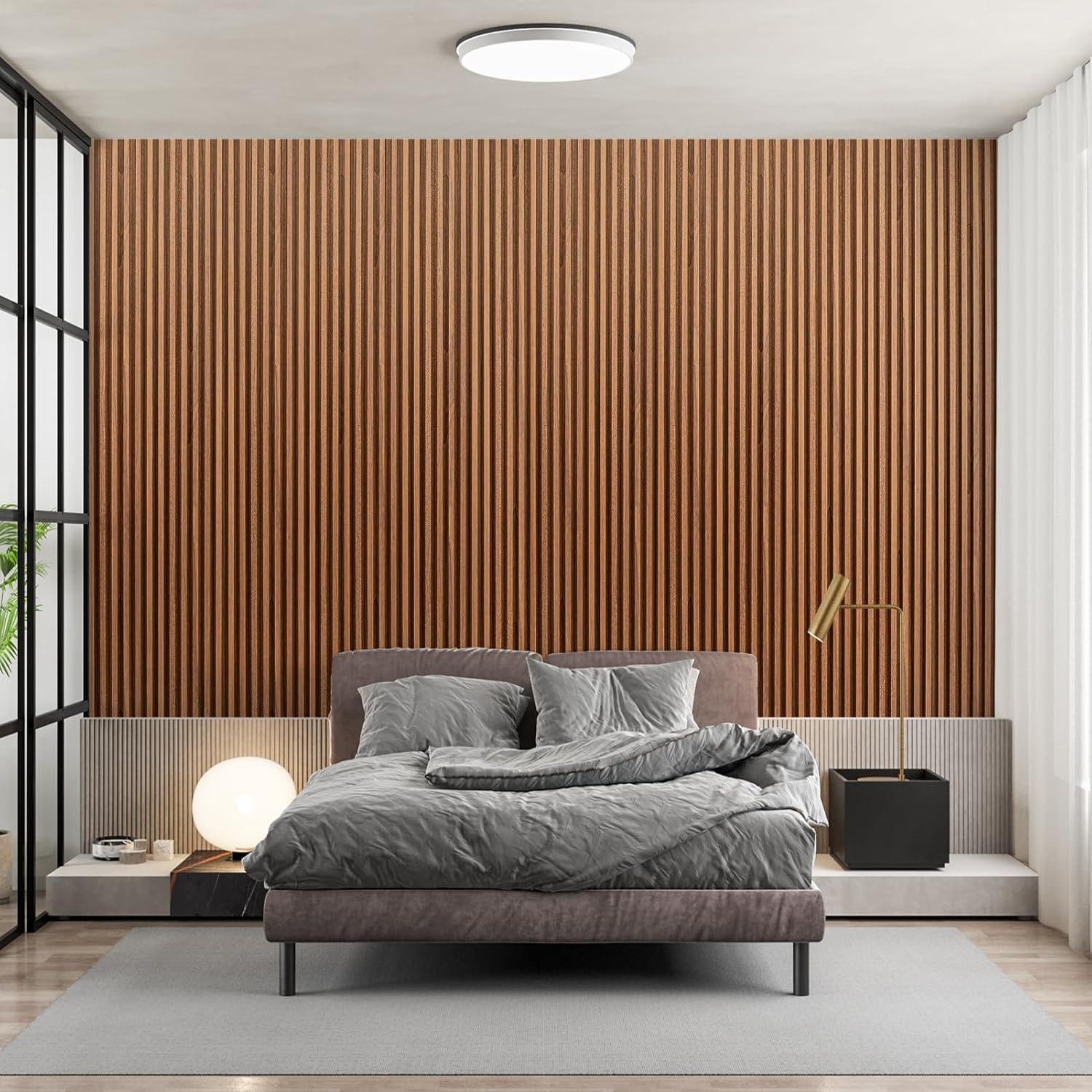
- Instant architectural upgrade. the fluted 3D texture adds depth fast, making our wall look more intentional—less “blank shop drywall,” more “designed retail backdrop.”
- DIY installation that feels approachable. The snap-together design plus included accessories keeps the project from spiraling into a tool-and-hardware scavenger hunt.
- Durable WPC construction. With waterproof and weather-resistant properties, these panels feel like they can handle real-life shop conditions (humidity swings, scuffs, cleaning).
- Helps with room acoustics. The slat profile can reduce harsh reflections, which is useful if our shop doubles as a content space or a place where customers and staff talk all day.
- wide-use adaptability. The “works in many rooms” vibe is real—studio wall, feature wall, checkout area, small office corner, even some semi-outdoor applications.
Cons
- Wood-look, not wood. The teak finish is attractive, but if our goal is authentic, tactile wood character up close, this can feel a bit “too perfect.”
- Planning matters. To avoid awkward slivers at the edges, we need to map panel layout first—especially around outlets, corners, trim, and signage mounting points.
- Cutting is part of the deal. Most real installs require trimming. A power saw makes it doable, but it adds noise, dust, and precision work.
- Soundproofing has limits. It may help soften echo, but it won’t replace insulation, resilient channels, or acoustic panels if we’re trying to block loud noises.
- Weight/handling can slow us down. Long panels look seamless, but they’re easier to align with two people—especially if we’re installing high or keeping lines perfectly straight.
Q&A
What material are these slat panels made from—real wood or something I can treat like wood?
These are WPC (wood-plastic composite): wood fiber + recyclable plastic with a natural wood-look PVC laminate. they look “wood-like,” but they don’t behave like solid wood—no staining like oak, no traditional sanding/refinishing, and edges will show a composite core once cut. Think of them like a durable trim/panel product that installs like woodworking, but finishes like a laminated composite.
What tools cut these cleanly, and do they splinter or melt?
They’re designed to be cut with “any power saw,” and reviewers report clean results on a miter saw. For the best cut quality, use a fine-tooth carbide blade (like you would for PVC/laminate trim) and support the work to prevent chatter. Because there’s plastic content and a PVC laminate, too-slow feed or a dull blade can leave heat marks; a sharp blade and steady feed typically avoids melting or ragged edges.
Is the install truly DIY, and what’s the most foolproof fastening method?
These are intended to snap together and then be secured with screws using the included accessories. Multiple customers say the install is straightforward and fast (one wall in about an hour), and several preferred mechanical fastening (screws/brackets) rather than relying on glue alone. If you’re a woodworker used to paneling: treat this like a prefinished system—dry-fit first, keep your layout plumb, then fasten consistently so the snap joints stay aligned.
Can I use a brad nailer rather of screws, and what settings matter?
You can, but dial it in first. A reviewer noted it “takes a little dialing” as the brads can blow right through the panel if your depth is set too deep. If you go the nailer route, test on an offcut, reduce driving depth, and aim nails where they’ll have solid backing. For the most predictable hold long-term—especially in high-traffic areas—screws/brackets are the safer, more controllable option.
Will this fit a small shop workflow—do I need dust collection or special power?
No special power requirements beyond the tools you already use to cut and fasten. Dust collection isn’t “required,” but it’s smart: cutting WPC/PVC-laminated products can create fine chips and plastic-y dust, so a shop vac on the miter saw and a mask are good practice. Storage-wise,the big workshop consideration is length—each piece is 104 inches,so you’ll want enough infeed/outfeed space to crosscut safely.
Is this beginner-friendly, or does the snap system have a learning curve?
Beginner-friendly overall. The system is built for DIY: snap together, fasten, and you’re done. The main “learning curve” is handling and alignment—several users said install was easy, but also mentioned the panels can damage fairly easily during handling/installation.Dry-fit, keep corners protected, and don’t force the snap joint if something is slightly out of square.
How consistent is the teak color in real life, and can I paint these?
Expect good piece-to-piece consistency, but be aware the overall color may read darker/redder than some photos. One reviewer specifically said the color was “a lot more red and darker” than advertised, while others said it matched what they needed. Painting is absolutely possible, but one practical tip from a customer: don’t paint both left and right edges where the panels snap together—paint buildup can make the snap-fit difficult. if you paint, keep the mating edges clean and touch up after installation.
Do these actually help with sound, and are they durable enough for commercial use?
They’re marketed as soundproof and several customers noticed a real reduction in echo, especially helpful in offices/media rooms. Just keep expectations realistic: slat-style panels typically reduce reflections more than they “soundproof” between rooms unless your wall assembly is also built for isolation. Durability is a strong point on paper—fire-resistant, waterproof, weather-resistant, formaldehyde-free, and designed for wide residential/commercial use—but the face can be dinged during install, so careful handling matters most before they’re on the wall.
Achieve New Heights
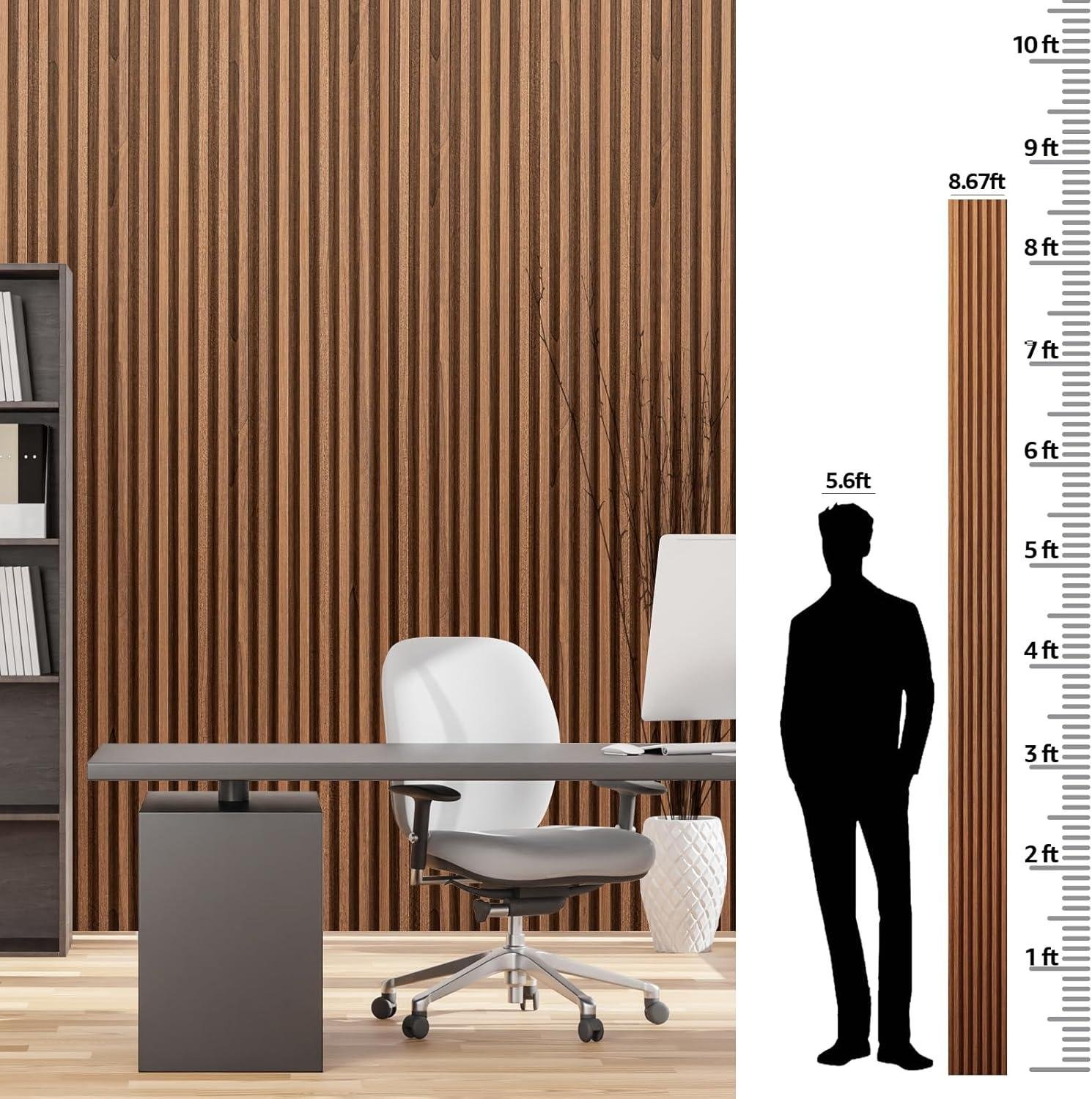
The Art3dwallpanels Wood Slat Wall Paneling kit includes 8 fluted WPC panels in a teak finish, each measuring 104″ x 6.7″, designed to snap together and fasten with the included accessories. Made from plastic/wood fiber with a PVC laminate, they’re marketed as formaldehyde-free, waterproof, fire-resistant, and sound-dampening. Customer feedback consistently highlights the extra-tall height (great for high ceilings), quick installation, clean modern look, and easy cutting on a miter saw—though some note color can skew red/darker than photos and the material can dent if mishandled.
Best for hobby woodworkers, DIY remodelers, and shop owners wanting a fast accent wall, studio backdrop, or echo reduction without milling real slats.
Consider alternatives if you need true hardwood authenticity, exact color matching, or ultra-impact resistance in high-traffic areas.
it’s a solid, time-saving decorative panel system with strong DIY usability—just plan for careful handling and possible color variation.
Want to see current pricing and customer photos? View on Amazon & Read More reviews →