

Blog
Art3d Acoustic Wall Panels Review: Right for Our Shop?

Ever tried to dress up a shop office or listening nook, only to realize your “simple” wall upgrade turns into a precision project—finding studs, keeping slats dead-straight, and making clean cuts without fuzzing veneer or tearing felt? When space is tight and time is tighter, we need materials that behave predictably and install without a steep learning curve.
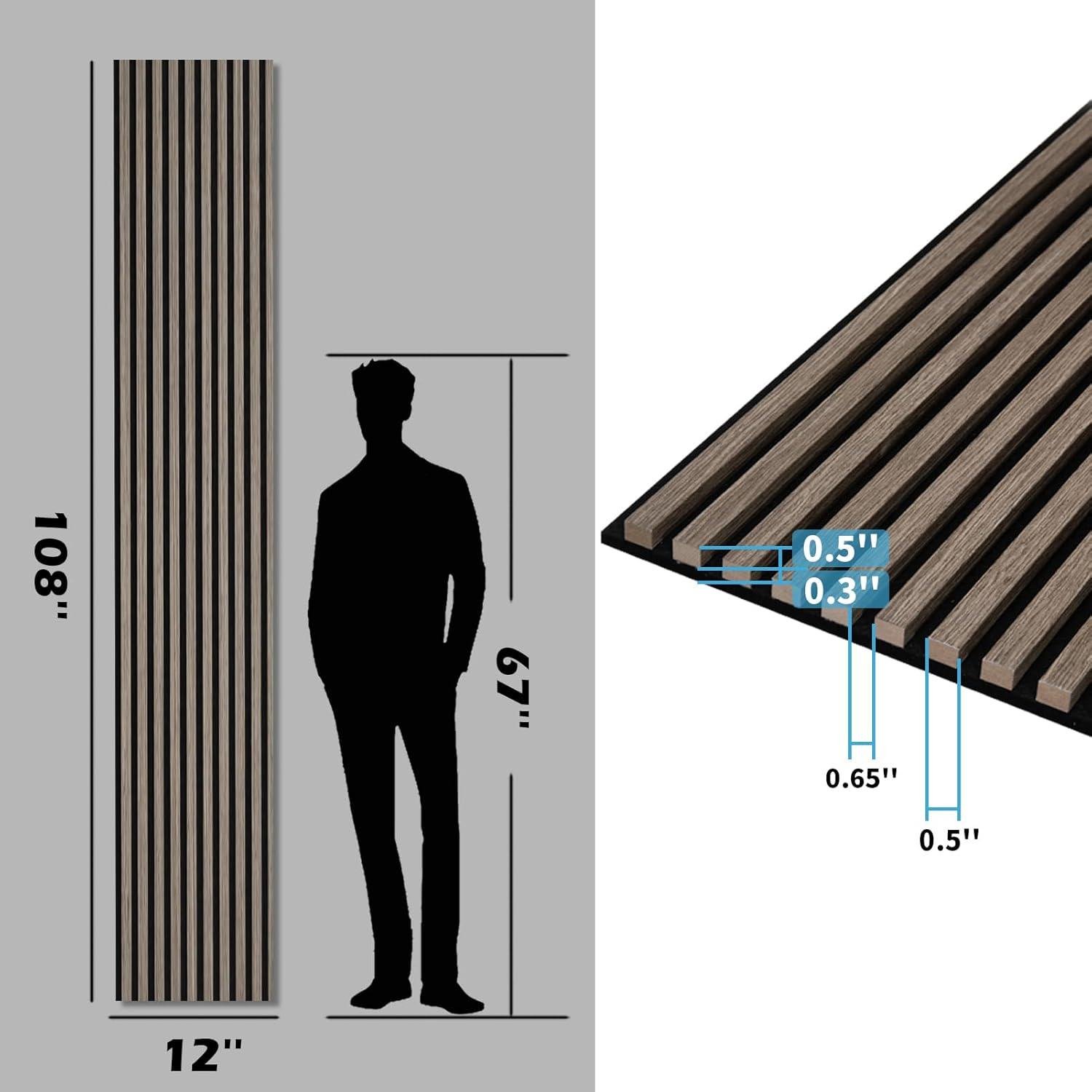
The Art3d 2‑Pack 108″ x 12″ Acoustic Wood Panels (Walnut) are long, 3D fluted wood-slat panels designed for wall or ceiling use, built with a laminated wood veneer over an MDF structure and backed with high-density polyester fiber for sound absorption. Each box includes two panels and covers about 18 sq. ft., with mounting via glue or screws.
In this review, we’ll break down specs, cutability and layout considerations, install options, durability signals, and whether the price matches the build quality—plus what customers consistently report (professional look, easy installation, clean jig-saw cuts, and mixed feelings on value, color consistency, and occasional damage in transit).
We approach products like this as woodworkers who care about accuracy,clean finishing details,and getting the most quality per dollar.
first Impressions and Build Quality of the Walnut Slat Panels
Out of the box, these Art3d walnut slat panels read more like a finish material we’d bring into the shop for a built-in than a flimsy “decor” product. Each box includes 2 panels at 108″ x 12″ (about 18 sq. ft. total coverage), and the construction is the familiar acoustic sandwich: a wood veneer face over an MDF core bonded to a high-density polyester fiber felt backing. In hand, that layered build explains why customer feedback swings between “pretty heavy” and “lightweight”—thay’re rigid enough to stay flat and feel “solid,” but the felt keeps them from being dead weight like full hardwood planks. Visually, the walnut version also lines up with the most common review theme: “looks more expensive than it is” and delivers a sleek, professional accent-wall vibe that can make a shop office, studio corner, or client-facing entry look intentional without us milling a whole wall of slats from scratch.
From a woodworker’s build-quality lens, the key first-impression details are the bond lines and slat alignment—as those determine how confidently we can cut, scribe, and seam panels on-site. Multiple reviewers note the panels are easy to install and even say they “come with everything needed,” with at least one mentioning an adequate number of black screws; that’s helpful when we’re doing a quick turnaround and don’t want to hunt for matching fasteners. Cut quality is another big tell: customers report they cut cleanly with a jig saw using a “clean wood” blade, and that matches what we’d expect from veneer/MDF—clean blades, painter’s tape on the cut line, and face-up orientation (or a test cut) will reduce chipping. We do want to echo a couple of consistent cautions from reviews: some buyers mention shipping damage (broken pieces) and occasional slats arriving loose, and color consistency can be mixed—so for any install where grain and tone continuity matters, we’d inspect panels instantly, dry-lay them under the actual room lighting, and consider ordering a sample first to confirm the walnut reads right against existing casework.
see Full Specifications & Customer Photos
Real World Acoustic Performance and Wall Finish Results
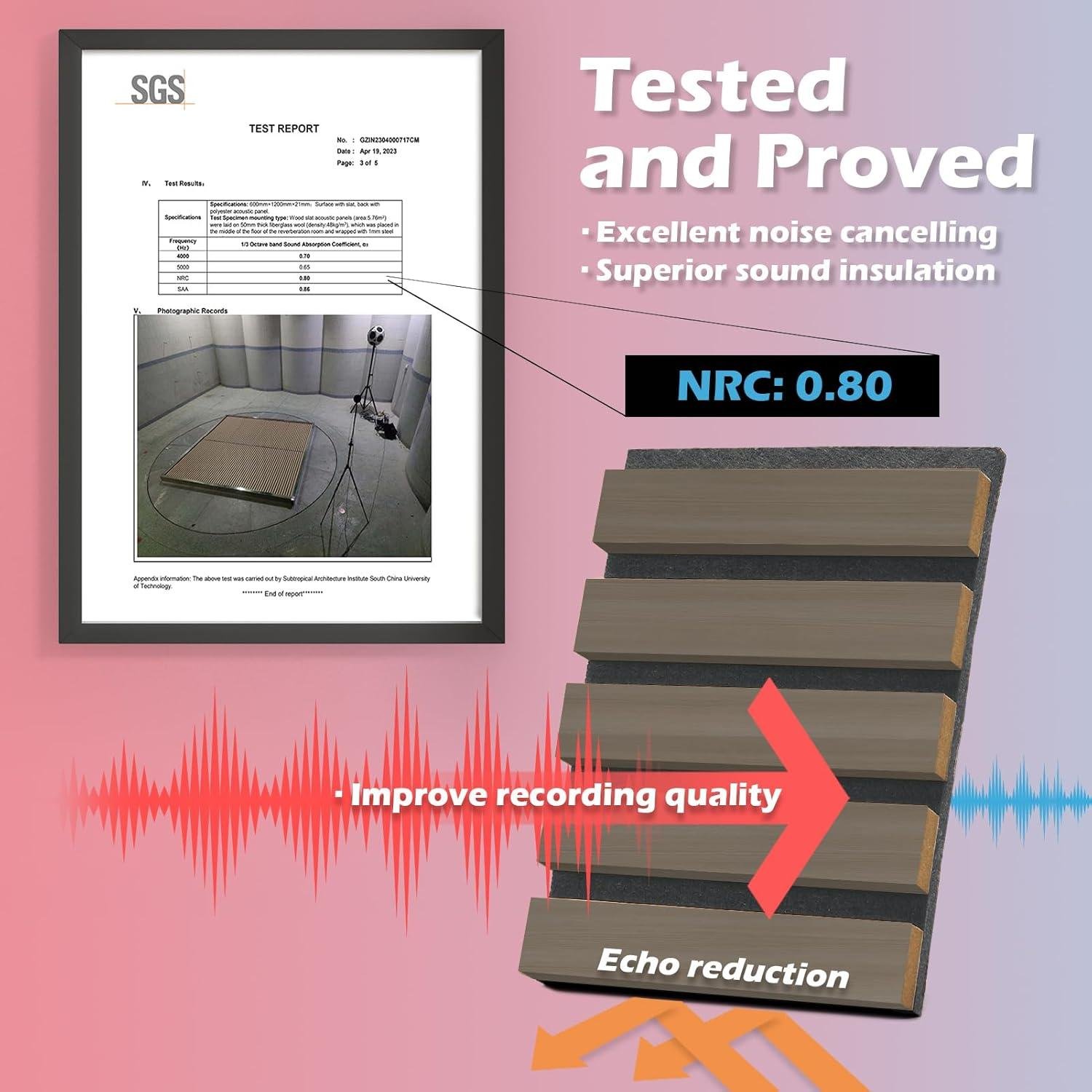
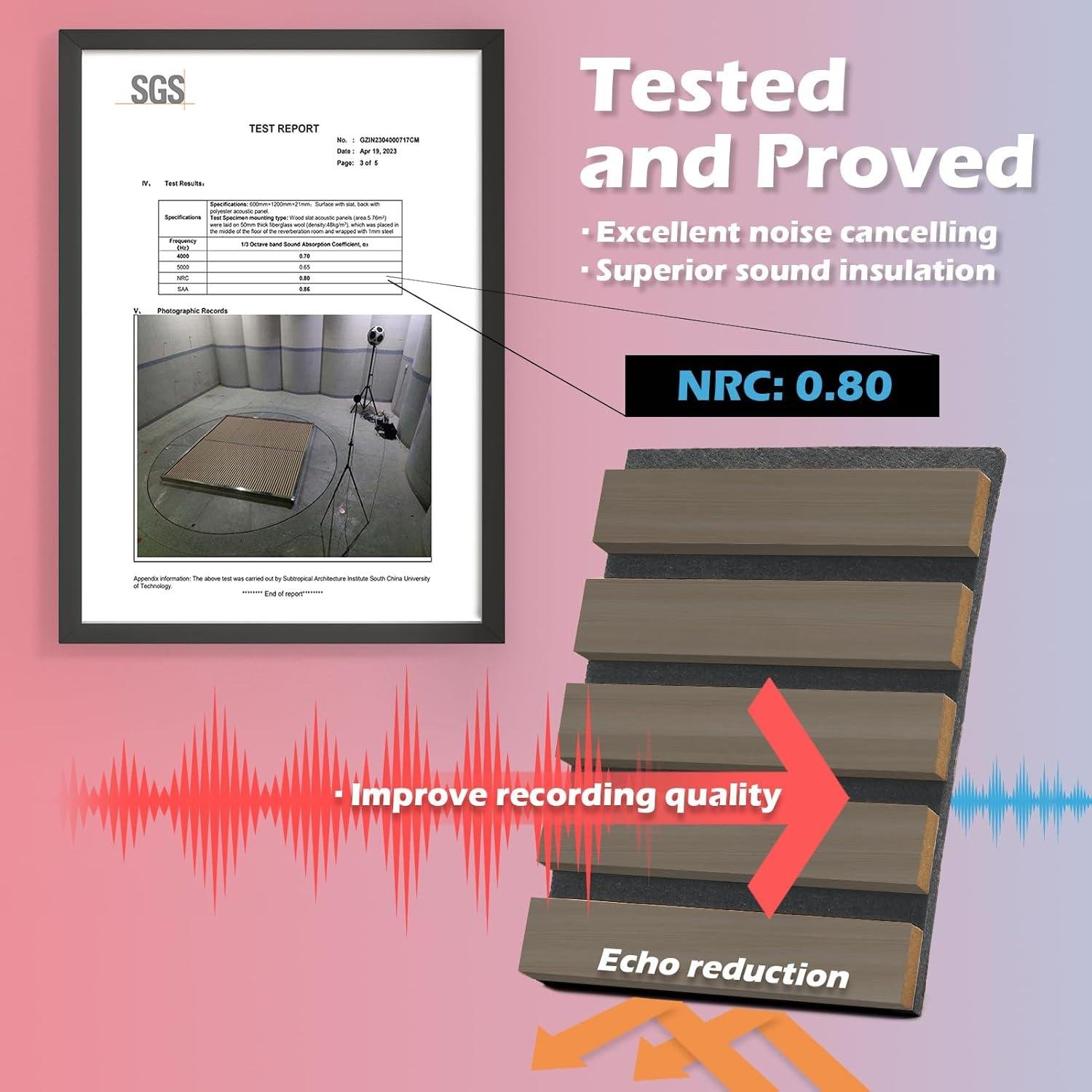
In real-world shop terms, these aren’t “soundproofing” in the way a double-stud wall with insulation and mass-loaded vinyl is—but the format does help tame a space.Each pack includes two panels sized 108″ x 12″ (about 18 sq. ft. coverage total), built with a laminated wood veneer over an MDF structure and a high-density polyester fiber felt backing that’s designed to absorb reflections. That construction is why reviewers commonly report that the panels “noticeably cut down on echoes” and “really helped cut down on sound issues while recording,” wich is exactly the kind of improvement we care about in a garage shop or basement studio corner—less slap-back,clearer speech on camera,and a less fatiguing room when machines are running. We also noticed a consistent theme that the felt backing makes handling easier (“the felt backing makes handling a breeze”), but plan your layout like a woodworking job: once these are on the wall, they’re not a quick “move it 1/8 inch” adjustment, especially if you use construction adhesive.
On wall finish, the 3D fluted/slat look is the big win—customers repeatedly say the panels look “sleek, professional,” “modern, high-end,” and even “more expensive than they are,” which tracks with how wood-slat walls tend to read in finished interiors. For woodworkers, the practical note is cut quality and color consistency: multiple reviewers say they’re relatively easy to cut and can “cut very clean with a jig saw” using a clean-wood blade, while at least one person found them “not really easy to cut straight line”—so we’d treat them like veneer/MDF sheet goods: use a straightedge guide, fresh fine-tooth blade, and support the panel to prevent vibration.finish-wise, color feedback is mixed (some say “walnut color is fantastic,” others report panels “not the same color”), so for any client-facing accent wall we’d advise ordering a sample pack first and staging it under the actual lighting, then opening and inspecting every panel before install (a few reviews mention shipping damage or loose slats). If the goal is a clean, modern wall that also helps reduce reflections in a small shop, editing bay, or listening/recording nook, these panels fit that use case well—just approach them with the same measuring, sequencing, and blade-selection discipline we’d use on cabinet sheet stock.
See Full Specifications & Customer Photos
key Features Woodworkers Will Appreciate for Interior Installations
For interior installs, we appreciate that each panel comes in a long, layout-kind format—108″ x 12″ per panel, with 2 panels per box covering about 18 sq.ft. That size matters in the shop because it reduces seam planning and keeps our slat pattern more consistent across studs or ceiling joists. The build—laminated wood veneer over an MDF structure with a high-density polyester fiber felt backing—also behaves more like a “system” than raw lumber: the felt gives us a little forgiveness against minor wall waves,and reviewers repeatedly mention the finished look as “sleek,” “professional,” and “looks more expensive than it is”. On the practical side, multiple customers report these are easy to install with glue or screws, and one review notes the package arrived with an adequate number of black screws—a small detail, but it saves us a hardware run when we’re trying to keep an interior accent job moving.
From a woodworking workflow viewpoint, the panels sound manageable to size and scribe, but they reward careful measuring. Several buyers say they’re relatively easy to cut, including one who says they “cut very clean with a jig saw” using a clean-wood blade; another mentions trimming length and doing outlet/switch cutouts is doable, just a bit more fiddly. That lines up with how we’d approach it: tape the cut line to reduce veneer chipping, use a fine-tooth blade (or a track saw/circular saw with a high-ATB finish blade if we can support the full 108″ length), and always cut from the “show” face based on the tool’s cutting action. Reviews are mixed on weight—some call them “pretty heavy,” others “lightweight”—so we’d plan for a second set of hands or a temporary ledger when ceiling mounting, and we’d pre-plan fastening so we’re not fighting gravity while aligning slats. Customers also note mixed color consistency in a few cases, so for woodworkers who care about grain and tone matching, ordering a sample pack first (as the brand recommends) and dry-laying panels before final fastening is a smart, shop-proven step.
- 2-pack acoustic wood slat wall panels
- black screws (noted by reviewers as included/adequate)
- Construction adhesive (many installs use glue; choose a panel-safe formula)
- Finish blades (fine-tooth jigsaw blades; high-ATB circular/track saw blades)
- laser level/chalk line (keeps slats plumb over 108″)
- Spacers/ledger board (helps set the first course and maintain reveals)
- Accent walls (living rooms, powder rooms, bedrooms)
- Ceiling feature strips (requires careful support/alignment)
- Small studio/podcast corners (reviewers mention echo reduction/recording use)
- Pantry or hallway upgrades (reviewers mention pantry installs)
- MDF core with laminated wood veneer (per product description)
- Polyester fiber felt backing (per product description)
| Spec | What We Get (Per Listing) | Why Woodworkers Care |
|---|---|---|
| Panel size | 108″ x 12″ (each) | Fewer seams; easier to keep slat layout consistent across studs/joists. |
| Pack size / coverage | 2 panels / about 18 sq.ft. | Helps estimate material and fastening/adhesive needs per wall section. |
| Construction | Wood veneer + MDF with polyester felt backing | Cutting strategy differs from solid wood; manage veneer chip-out and support the felt. |
| Install method | Glue or screws | Lets us choose renter-friendly/removable approaches vs permanent fastening. |
| Accessory Type | Compatible Option | use Case |
|---|---|---|
| Cutting | Fine-tooth jigsaw “clean wood” blade (reviewer-reported) | Length trims and notches when a full-size saw setup isn’t practical. |
| Fastening | Construction adhesive (reviewer-reported) | Clean look with fewer visible fasteners; good for walls where allowed. |
| Layout | Laser level / chalk line | Keeps the first panel true—everything telegraphs off that 108″ run. |
| Capacity Question | Recommended (Practical) | Actual (From Reviews/Specs) |
|---|---|---|
| Cutting accuracy | Use a straightedge/track for long rips; tape the cut line | Some say cuts clean with a jigsaw; others say not easy to cut a straight line |
| Handling/install | Have 2-person handling or a temporary ledger for ceilings | Weight feedback is mixed (“heavy” vs “lightweight”) |
| Finish matching | Dry-lay panels; consider ordering a sample pack | Color feedback is mixed; some report mismatched panels |
See full Specifications & Customer Photos
Ease of Use for Beginners and Experienced Woodworkers During Layout and Mounting
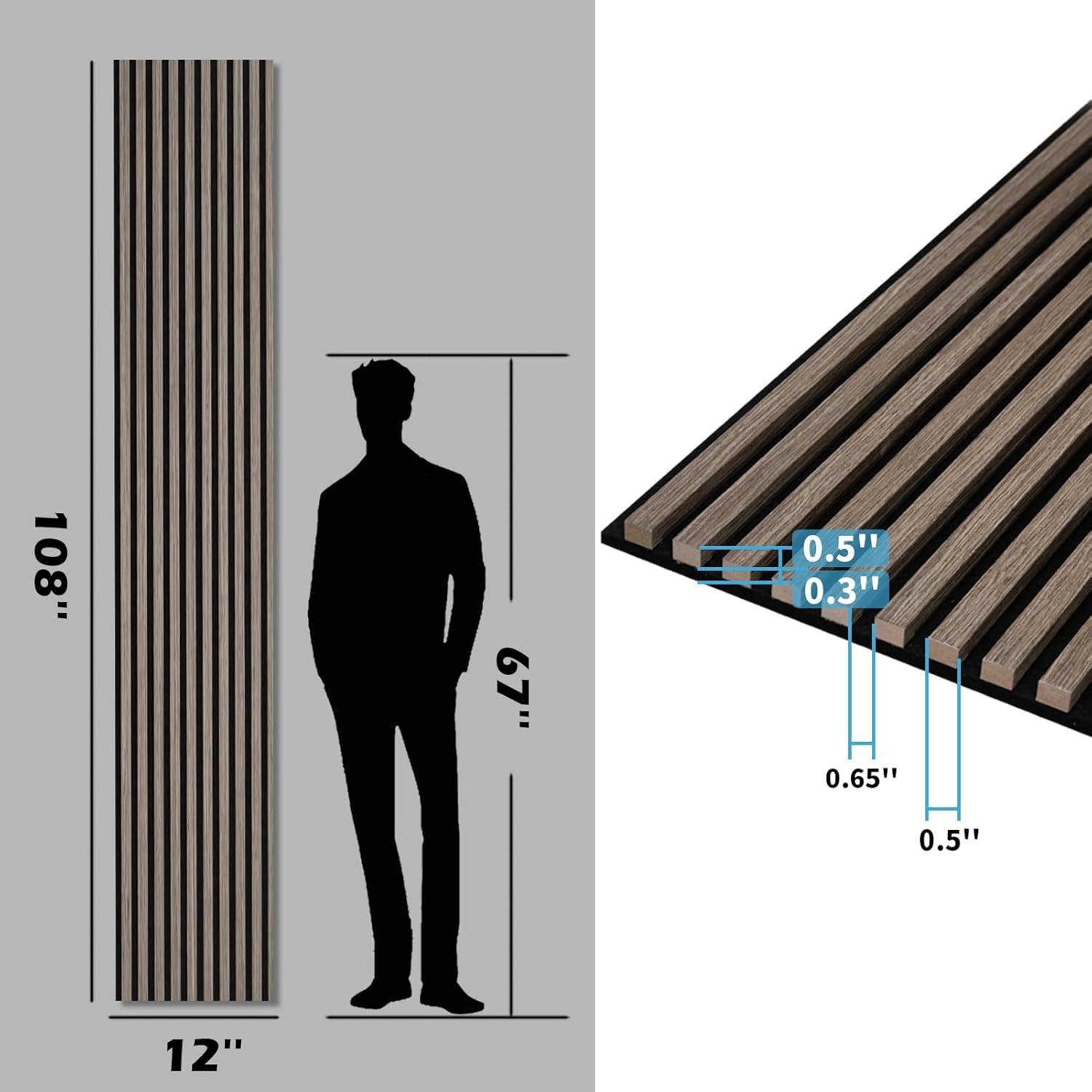
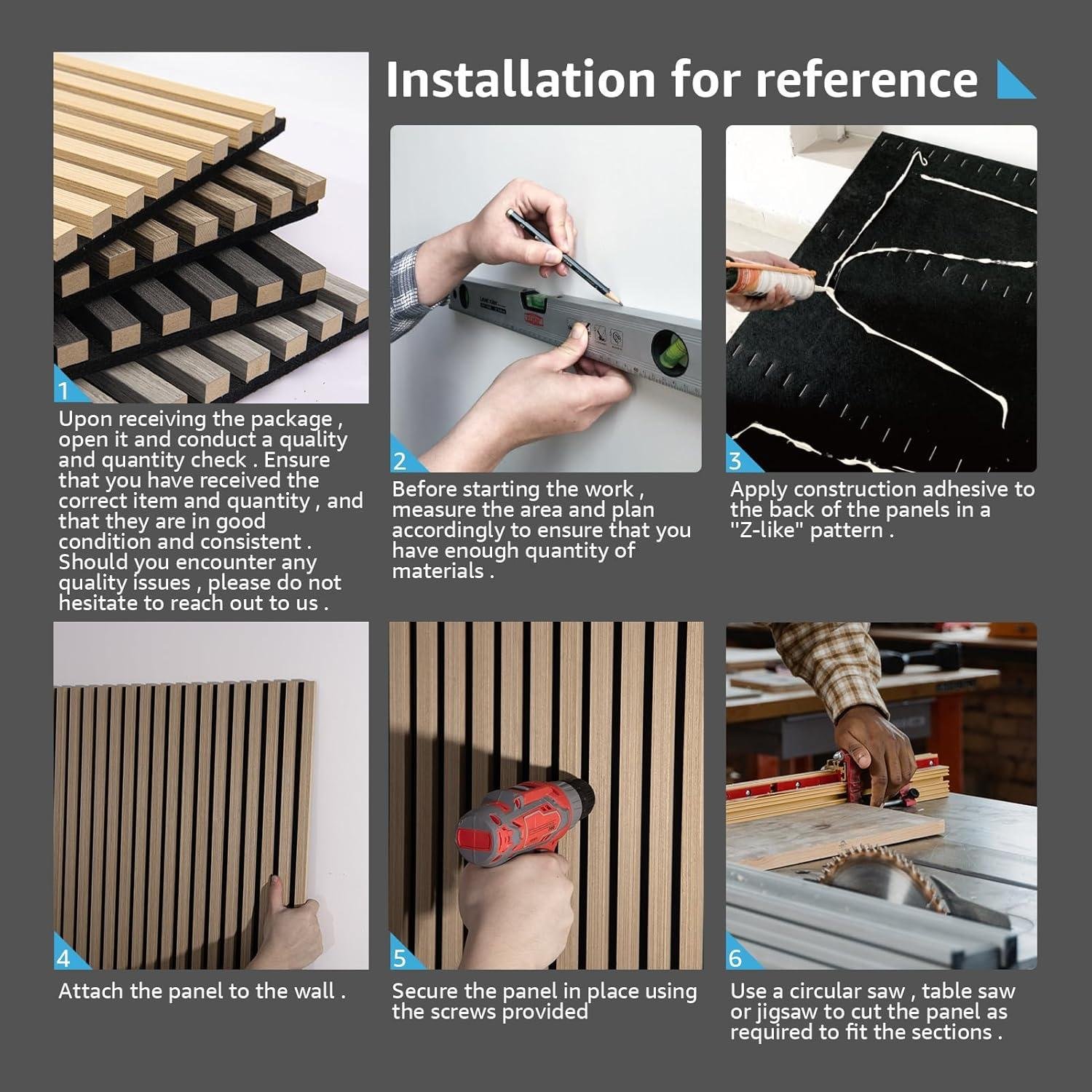
For layout and mounting, these Art3d slat panels are beginner-friendly because the format does a lot of the “joinery” work for us: each box includes two panels at 108″ x 12″ (about 18 sq.ft. total coverage), so we’re mostly aligning long, straight edges rather than juggling individual slats.In reviews, customers repeatedly call them “super easy to install” and mention the panels “come with everything needed for wall assembly,” which lines up with the common experience of panels arriving with black screws and being mountable with either glue or screws per the product description. In our shop mindset, we’d approach the layout like cabinet scribing: snap a level reference line, test-fit one full 108″ length to see where the ceiling/floor is out, then decide whether to hide any taper at the top or bury it behind base/trim. The modest 12″ width also helps experienced woodworkers keep reveals consistent—run a story stick for stud locations or fastener spacing, and we can keep the slat rhythm looking intentional instead of “installed.”
Where skill level shows up more is in cutting and obstacle work. Multiple reviewers say the panels are relatively easy to cut, with one noting they “cut very clean with a jig saw” using a clean-wood blade, but a couple also warn they’re “not really easy to cut straight line.” That matches what we’d expect from a long, narrow panel: it’s easy to wander with a jigsaw if we don’t support the offcut and use a straightedge. For beginners, we’d recommend clamping a guide and using a fine-tooth blade, then cleaning the edge with a block plane or sanding block (and pre-planning the cut so factory edges land where they’ll be seen). For experienced woodworkers doing outlets/switches, reviewers note cutouts are “a little harder but not much”—a good reminder to mark from known reference points, drill starter holes, and sneak up on the line.One more practical note from reviews: some describe the panels as “pretty heavy” while others call them lightweight; either way, handling a 108″ piece overhead is awkward, so we’d treat ceiling installs like sheet goods—use a temporary ledger, an extra set of hands, and don’t rely on adhesive alone until everything is aligned and fastened.
See Full Specifications & Customer Photos
Customer Reviews Analysis
What Woodworkers Are Saying (Review Analysis)
| Aspect | Common Feedback |
|---|---|
| Overall Sentiment | Strongly positive on aesthetics and “high-end” look; value feedback is mixed due to price comparisons. |
| Performance | Praised for sound dampening in small studios/recording setups and as decorative wall/ceiling treatment. |
| Build Quality | Commonly described as “solid,” well-made, and well-packaged; lightweight but not flimsy. |
| Ease of Use | Multiple reviews highlight easy installation and easy handling (felt backing helps). |
| Best Uses | Accent walls, powder rooms, living rooms, pantries, and basement “mini studio” projects. |
| Limitations | Biggest downside reported: pricing/value vs. similar panels found elsewhere; minor wish for better sample storage. |
1. Overall sentiment from woodworking customers
Several woodworkers and DIY-minded reviewers described the panels as a fast way to get a modern slat-wall look without the time investment of milling, spacing, and finishing individual slats. Common praise includes “sleek,” “professional,” and “looks way more expensive than it is indeed,” especially for small-space upgrades like a powder room or accent wall.
The main hesitation wasn’t the look—it was value.One reviewer specifically flagged a large price gap after finding similar-sized panels at a big-box retailer for much less,advising others to shop around before buying.
2. Performance feedback (accuracy, power, results)
Because these are pre-made wall panels (not a power tool or raw lumber), reviewers focused on results rather than “power under load” or machining precision. Multiple reviews highlight:
- Immediate visual impact: “elevated…instantly” and “stunning accent piece.”
- Sound-related performance: Some users reported challenges with sound issues before installation and said these helped cut down sound while recording, suggesting noticeable absorption in small studio scenarios.
One reviewer summarized the outcome as both functional and decorative: “They actually look really good too.”
3. Build quality and durability observations
Common praise includes the panels feeling solid and well-made despite being lightweight. Customers also mentioned:
- Good packaging on arrival
- Included hardware: one review called out an “adequate number of black screws”
- Finish and color matching expectations: “colors same as in the pic.”
A Japanese-language review adds a useful product-line nuance: a buyer who liked a different model first (“116”) bought another color for a different room and noted this version has thinner slats and a stronger wood smell (which could be a pro or con depending on sensitivity).
4. Ease of use for different skill levels
Reviewers with DIY/home-improvement experience found these straightforward:
- Multiple reviews highlight easy installation
- The felt backing was repeatedly called out as making handling easier
Beginners appreciated the “easy to install” nature and quick conversion. Experienced woodworkers will likely view the system as a time-saver versus building slat panels from scratch—especially for long, consistent runs (108″) where alignment and spacing typically eat up time.
5. Common project types and success stories
Customers successfully used this for:
- Powder room accent walls (instant modernization)
- Living room feature walls (more “high-end” look)
- Pantry upgrades
- Basement mini studio / recording spaces (sound reduction + aesthetics)
One common theme: these panels shine in projects where the goal is a clean architectural finish with minimal fabrication and finishing steps.
6. Issues or limitations reported
some users reported challenges with:
- Price/value variance by retailer: One reviewer found similar panels elsewhere for dramatically less,turning this into the most significant negative theme. The takeaway in multiple reviews is effectively: great product, but verify pricing before committing to a full-room order.
- Samples management: A reviewer who bought/used finish samples loved the labeled variety but wished for a simple organizer (ring/holder) to keep them together.
- Product variation across models/colors: At least one buyer noted differences in slat thickness and wood odor between versions, which matters if you’re trying to match an existing installation.
If you want, I can rewrite this section with a stronger “woodworker voice” (more shop-talk about trimming, fastening choices, and edge finishing) while staying faithful to the review content provided.
Pros & Cons
Pros & Cons
When we picture these Art3d walnut slat panels in our shop, we see two jobs happening at once: a cleaner, more “designed” backdrop and a calmer, less echo-prone space. Here’s where they shine—and where we’d pause before ordering a wall’s worth.
| What We Notice | Why It Matters in Our Shop |
|---|---|
| Modern, “priced-higher-than-it-is” look | Makes the space feel intentional—great for client-facing walls and video backgrounds. |
| Standard 108″ x 12″ format (2-pack) | Easy to plan around, but coverage adds up fast—layout math matters. |
| Felt-backed slats with sound-dampening intent | Helps tame shop chatter/echo (not a magic mute button, but noticeable for many). |
| Cuttable for fit | Trimmable around edges, but outlets/switch cutouts can slow us down. |
Pros
- Polished, architectural vibe. The 3D fluted/slat look reads “studio” and “boutique” more than “basic wall fix,” and many buyers say it looks more expensive than it is indeed.
- Relatively easy install options. reviews commonly mention straightforward mounting with glue and/or screws, and that the kit typically includes what’s needed to get panels on the wall.
- Noticeable echo reduction for everyday spaces. Multiple reviewers mention improved acoustics—useful for a shop where hard surfaces can make every conversation bounce.
- Clean cuts with the right tools. Several customers report the panels cut cleanly with a jigsaw, which makes custom lengths and tight edges more achievable.
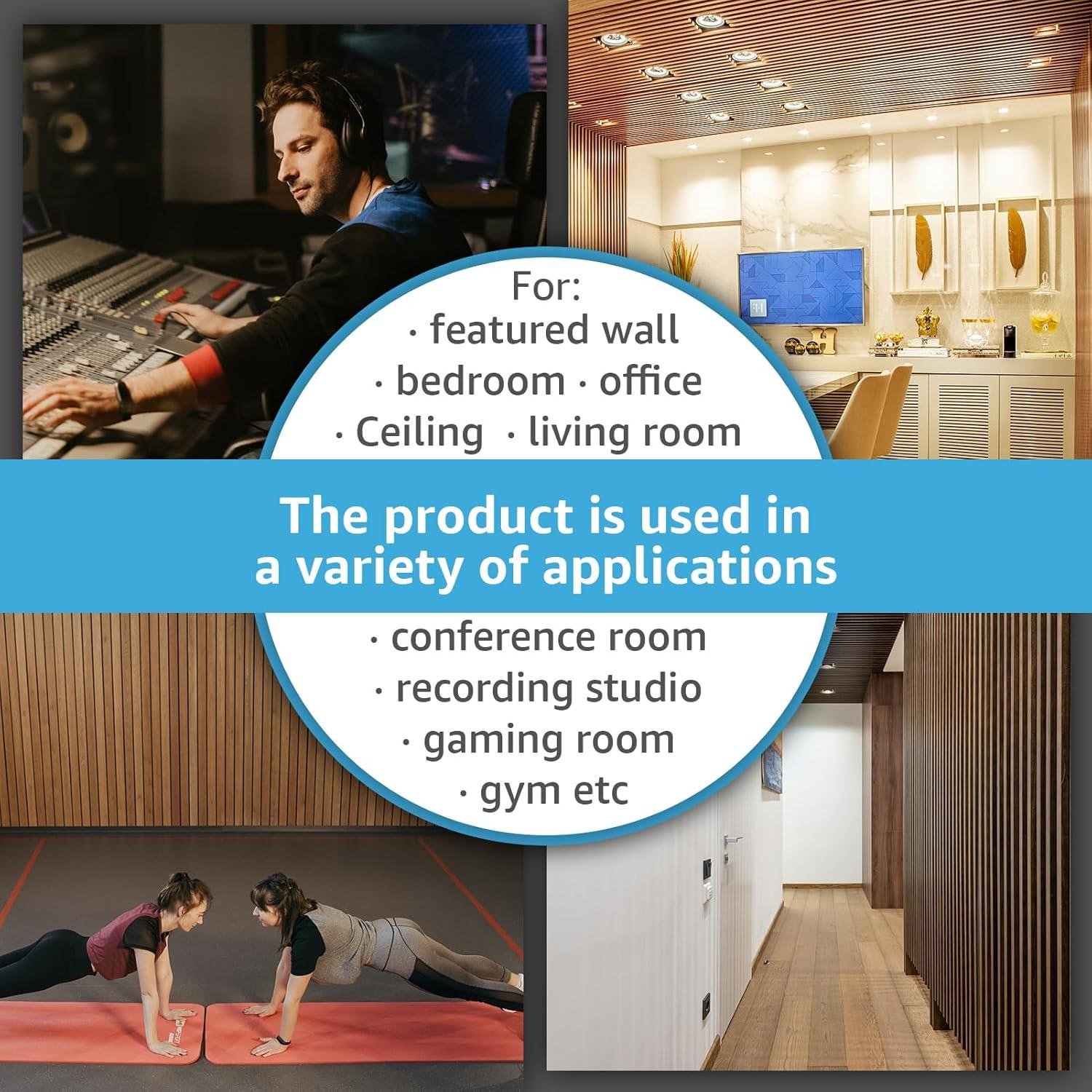
- Versatile as decor. These aren’t just for studios—buyers use them for accent walls, small upgrades, and even utility spaces (which tells us they’re flexible for shop zones too).
Cons
- Price can feel steep. Some customers call them a great value, others call them pricey—especially when comparing to big-box alternatives. For a full wall,the budget can balloon.
- Potential shipping/handling damage. at least some buyers report broken pieces or loose slats on arrival. for a project with tight timelines, that’s a real risk.
- Color consistency & variety are mixed. Walnut is often praised, but there are complaints about panels not matching perfectly. If we’re doing a large continuous install, slight mismatches could stand out.
- “Soundproof” expectations need a reality check. These are primarily sound-absorbing/dampening panels, not true soundproofing. They can reduce echo, but they won’t fully block loud noise traveling through walls.
- Weight can be a factor. Some reviewers describe them as heavy. That affects how we mount them (and whether we’d trust adhesive alone on certain surfaces).
- Detail cuts take patience. Straight length cuts sound doable; cutting around outlets/switches (or shop fixtures) can be fiddly and may require careful measuring and cleanup.
Our takeaway: If we want a fast visual upgrade with some acoustic help, these panels look like a strong candidate. If we’re covering a large area—or we’re extremely picky about matching walnut tones—we’d plan on ordering extra, checking for damage immediately, and considering a sample pack first.
Q&A
What “wood” is this actually made from—can I treat it like solid walnut?
These are acoustic slat panels built as a layered product: a walnut-look (walnut color) laminated wood veneer over an MDF slat structure, mounted to a high-density polyester felt backer (per the product description). In practice, they cut and handle more like veneered MDF with a fabric backing than solid hardwood. You’ll get the modern “walnut slat” look, but don’t expect to plane/joint them like lumber, or refinish them aggressively like solid walnut.
Is it easy to cut cleanly, and what blades work best?
Reviews frequently mention that the panels are “relatively easy to cut,” with at least one customer saying they cut “very clean” using a jigsaw with a clean-wood blade. For the straightest edges,most woodworkers will get better results using a track saw or circular saw with a fine-tooth plywood/laminate blade and painter’s tape over the cut line. If you use a jigsaw, clamp a straightedge guide and use a fine, down-cut/laminate-friendly blade to reduce veneer chipping. Outlet/switch cutouts are doable, but several users note they take more time than simple length cuts.
Can this handle “production work,” or is it more of a weekend accent-wall product?
These panels are sold as ready-to-install décor/acoustic treatment (2 panels, 108″ x 12″, ~18 sq. ft. coverage per box). They’re well-suited for small-to-medium projects—accent walls, a single room, a recording corner—where you want a fast, consistent look. For true production/whole-house volume, cost becomes the limiter: reviews are mixed on value, and at least one customer reported finding similar panels locally for much less, suggesting it’s smart to price-compare before scaling up.
How tough is the setup/installation—do I need special tools?
Installation is widely described as easy.The listing notes you can use glue or screws, and one review mentions the panels arrived with an adequate number of black screws; another notes they “come with everything needed for wall assembly.” Typical woodshop prep is just layout,level lines,and trimming to length.Many users add construction adhesive plus screws for a more secure hold—especially on ceilings or walls that aren’t perfectly flat.
Will this work with standard shop accessories (brad nailer, finish nails, adhesives), and how do I keep it from rattling?
Yes—standard construction adhesive works (customers specifically mention using construction glue), and screws are commonly used. Brad nails can work for positioning, but woodworkers often prefer adhesive + mechanical fasteners to prevent buzz/rattle over time, especially if the wall has minor waves. Pre-plan your fastener placement so it lands behind slats or aligns cleanly, and keep pressure uniform while the adhesive cures.
Do I need dust collection or a special power setup?
No special power requirements—these are passive panels, not a powered tool. For cutting, treat it like MDF/veneered sheet goods: it makes fine dust. Use a shop vac connected to your saw where possible, and wear a respirator when trimming multiple panels. A quick pass with a vacuum after installing helps keep felt fibers and MDF dust from lingering in the room.
Are these beginner-friendly, or do you need pro-level finishing and trim skills?
they’re generally beginner-friendly because the “finish” is already done and the job is mostly measure/level/cut/install. Reviews consistently call them easy to install and praise the professional look. The biggest skill jump is getting clean layout around corners, ceilings, and outlets—measure twice, use a template for electrical cutouts, and plan where you’ll terminate edges (inside corner, outside corner trim, or a clean end cap).
How durable are they, and what should I watch for with shipping/consistency?
Customers frequently enough describe them as good quality and “pretty heavy,” which generally helps them feel substantial on the wall. That said,there are occasional reports of shipping damage (broken pieces/loose slats),and color consistency gets mixed feedback—some love the walnut tone,while others were disappointed by panels not matching. Practical advice from reviewers: if you’re doing a larger wall, consider ordering a sample first (the brand recommends this) and inspect each box immediately on arrival so any damaged panels can be exchanged before you’re mid-install.
Discover the Power
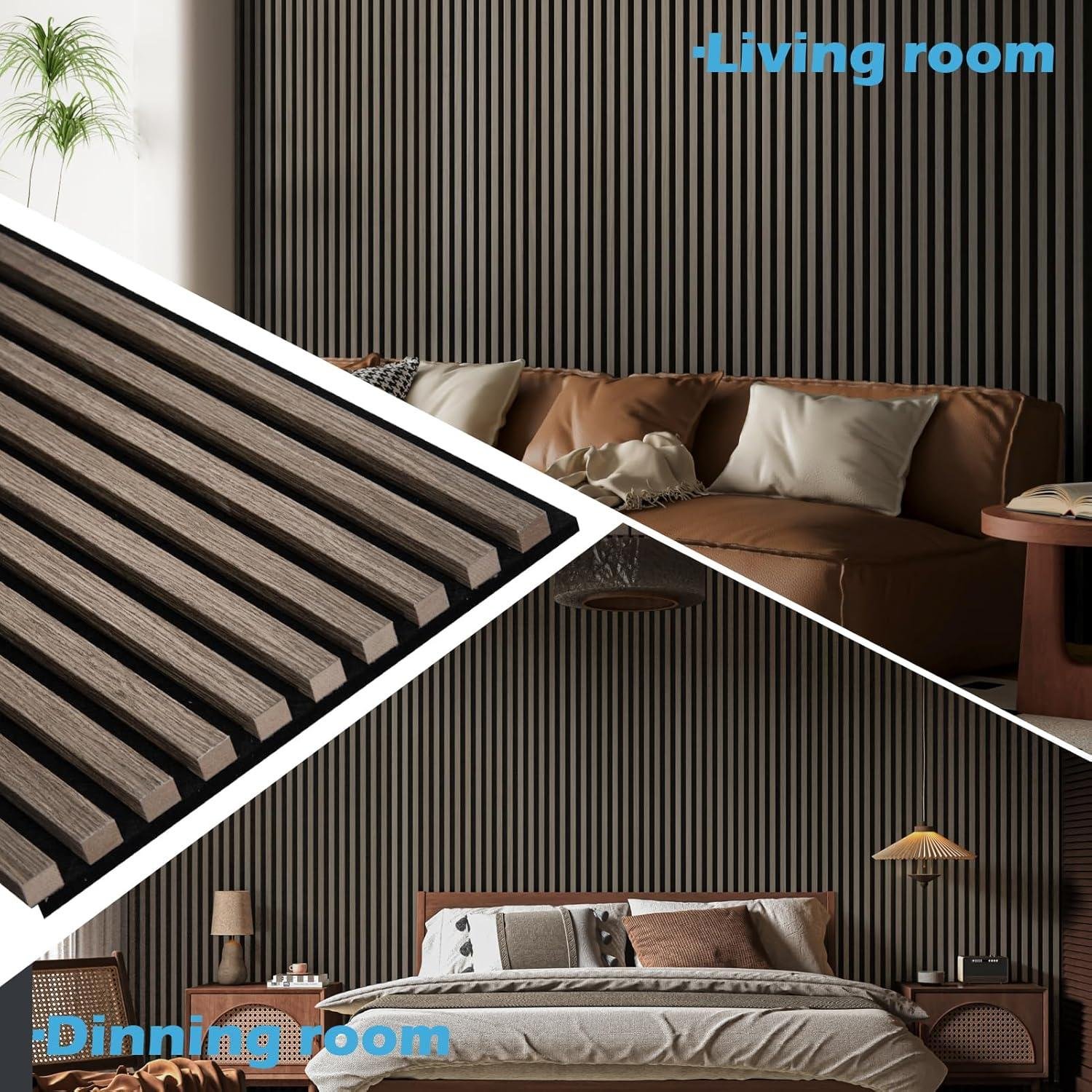
The Art3d 2‑Pack 108″ x 12″ Acoustic Wood Panels (Walnut) includes two long slat panels that cover about 18 sq. ft., built with a laminated wood veneer over an MDF core and high-density polyester felt backing for sound dampening. In reviews, customers consistently praise the modern, “high-end” look, solid perceived quality, and straightforward installation using glue and/or screws; many also note they cut cleanly with a jigsaw. Common drawbacks are mixed opinions on value, occasional shipping damage, and some inconsistency in color/appearance between panels.
Best for: hobby woodworkers and DIYers building accent walls, closet/studio upgrades, media rooms, or ceiling features—especially anyone wanting a polished slat-wall aesthetic without milling their own strips.
Consider alternatives if: you need true soundproofing, require perfectly matched color/veneer, want lighter panels, or are price-shopping (similar options may cost less locally).
Final assessment: a solid,design-forward option that installs fast and looks professional,with the main risks being finish consistency and cost.
Want to see current pricing and customer photos? View on Amazon & Read More Reviews →