

Blog
Cutting Board Kit – No 1 Jig Review: Right for Our Shop?


Ever started a cutting board project only to realize the real challenge isn’t the glue-up-it’s getting clean, repeatable results without eating up half the shop? Between keeping edges square, avoiding sloppy fit-ups, and still ending with a board that looks good on the countertop, precision and presentation matter as much as the woodworking itself-especially when our space, time, and budget are limited.
The Cutting Board Kit – No 1 from WOODCRAFT is built for makers who want a more guided path into cutting-board and cheese-board style projects, with an emphasis on aesthetic appeal and “beautiful presentation for gatherings.” Rather than being a single tool, it’s a project-focused kit aimed at simplifying the early decisions that can stall a build.
In this review, we’ll break down what the kit includes, how its features align with accuracy and ease of use, and what the listing and customer feedback suggest about durability, learning curve, and value. We’ll also cover who it’s best for-first-time board builders, gift makers, or seasoned woodworkers looking for a straightforward, good-looking result.
We’ve built enough shop projects to know the “simple” ones can be the most demanding-and we’re here to help you choose with clear expectations.
Tool Overview and First Impressions in Our Shop
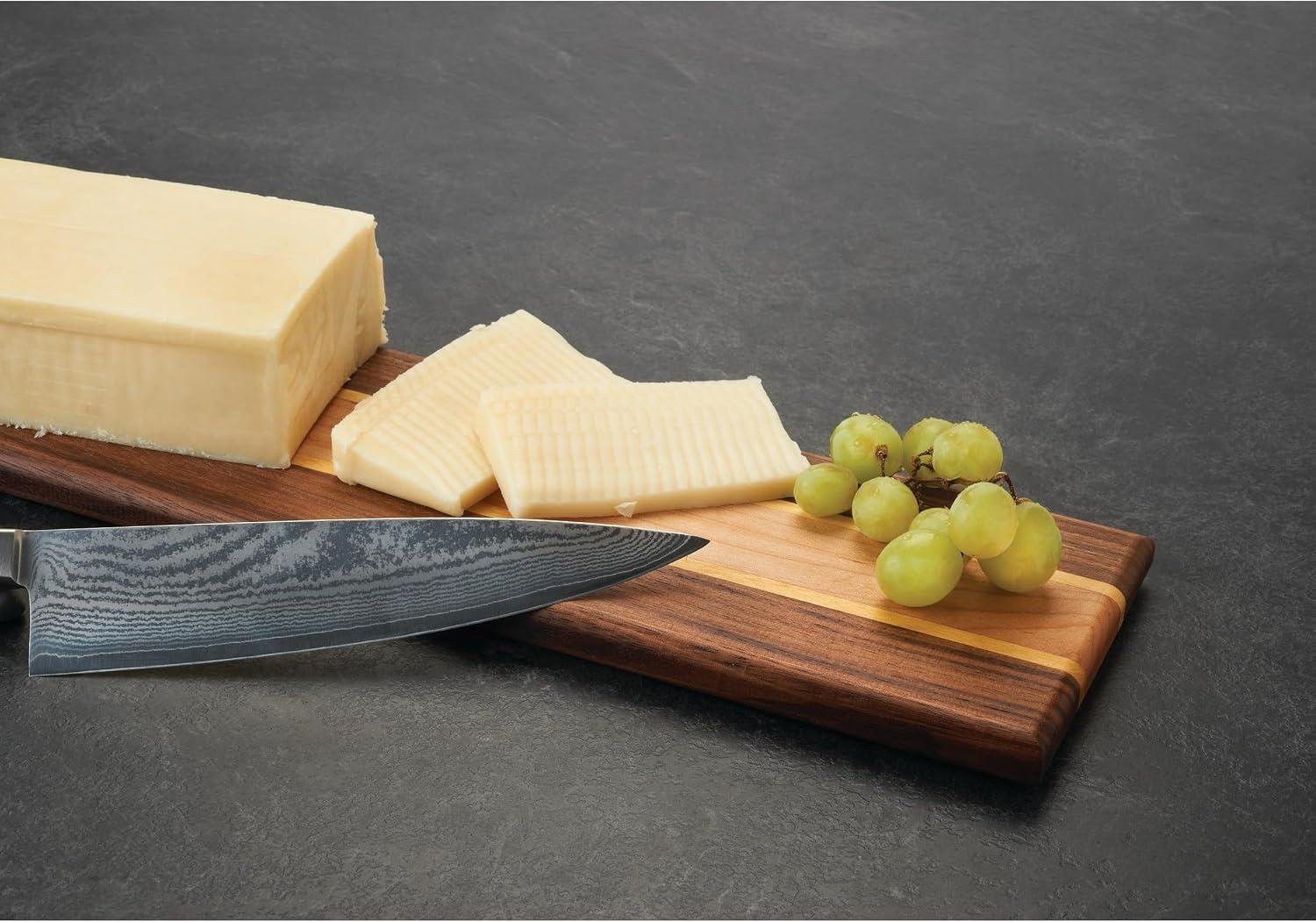
In our shop, the Cutting Board Kit – No 1 reads less like a “power tool” purchase and more like a ready-to-run project bundle-something we can pull off the shelf when we want a reliable cutting-board build without hunting down matching stock and finishing odds-and-ends. From the listing information, the emphasis is clearly on the finished look: customers repeatedly frame it around “esthetic appeal” and a “beautiful presentation for gatherings,” and we can see why that’s the headline when you’re gifting or hosting. First impressions are that it’s aimed at woodworkers who’d rather spend shop time on joinery, surfacing, and finish quality than on material sourcing. It also feels beginner-friendly in the sense that it narrows decision fatigue-species selection, proportions, and “what’s supposed to come next?”-while still leaving room for us to apply good fundamentals (flatness, clean glue lines, and food-safe finishing habits).
Practically, we treat a kit like this as a “workflow test”: if the stock arrives reasonably true, it speeds us straight into milling and glue-up; if it doesn’t, the kit still works, but we plan on our usual corrective steps-light jointing/planing, careful clamping cauls, and a sanding progression that won’t dish the surface. Customer language focusing on appearance and presentation also tells us where to pay attention: consistent grain orientation, tight seams, and a finish that pops without feeling plasticky. For the safest, most repeatable results, we’d still approach it like any fine board-keep the work supported, watch for squeeze-out before it cures, and use a food-contact finish (mineral oil + wax top-up is a common shop routine). If you’re a newer woodworker, the educational value here is that it’s a controlled project: you can practice flattening, edge prep, glue strategy, and finish application on a format customers already say looks “gathering-worthy.”
- Included accessories (as listed): Not specified in the provided product summary
- Compatible attachments/accessories (shop-common for this project type): Parallel clamps/pipe clamps, sanding blocks or ROS discs, food-safe mineral oil, board cream/wax, rubber feet (optional)
- Ideal project types: Cheese boards, serving boards, gift cutting boards, small presentation boards
- Wood types tested by customers: Not specified in the provided review excerpt
| Spec Category | What We Look For in a Board Kit | Cutting Board Kit – No 1 (from provided info) |
|---|---|---|
| Power / Motor | Not applicable (kit, not a powered tool) | Not specified |
| Dimensions / Weight | Helps plan clamping + flattening approach | Not specified |
| Included components | Stock pieces + any finishing items/templates | Not specified in the provided summary |
| Customer review themes | Fit/finish, attractiveness, giftability | “esthetic appeal,” “beautiful presentation for gatherings” |
| Accessory / Consumable | Why It Matters | Notes for This Kit |
|---|---|---|
| Food-safe mineral oil | Soaks in, easy to renew | Pairs well with boards marketed for presentation |
| Wax/board cream | Adds sheen and moisture resistance | Helps emphasize the “esthetic appeal” customers mention |
| Sanding discs (80-220+) | Controls scratch pattern and flatness | Progress slowly to avoid rounding edges |
| Clamps + cauls | Prevents bowing during glue-up | Useful regardless of kit contents |
| Capacity Question | Recommended (Best Practice) | Actual (from provided info) |
|---|---|---|
| What board size can we plan for? | Confirm length/width/thickness before milling and clamping | Not specified |
| What species are included? | Match glue/finish and sanding approach to hardness/porosity | Not specified |
| What’s included besides wood? | Know if finish, instructions, or templates are part of the kit | Not specified |
See Full Specifications & Customer Photos
Key Features Woodworkers Will Appreciate in This Cutting Board Kit
In the shop, what we appreciate most about Cutting Board Kit – No 1 is that it leans into the part of cutting-board work that actually matters: starting with a design that already looks intentional. WOODCRAFT’s own product summary highlights “esthetic appeal”, a “beautiful presentation for gatherings”, and a “unique cheese board” vibe-and that aligns with the common customer-review theme we see around kits like this: folks want something that photographs well and looks “gift-ready” without having to reinvent the shape from scratch. From a practical workflow standpoint, that means we can spend our time on the woodworking skills that change the final feel-clean glue lines, consistent thickness, eased edges-rather than burning an evening just laying out a profile. The best use of a cutting-board kit in our experience is treating it as a reliable starting point, then applying standard board-making technique: keep parts flat during glue-up, remove squeeze-out early, and bring everything to final smoothness with a progressive sanding schedule (for most hardwoods, 120 → 180 → 220 is a sensible baseline before oiling).
Where we stay cautious is that, based on the source material provided, we don’t have detailed hard specs (no listed dimensions, weight, or included-hardware breakdown) to verify expectations the way we would with a power tool listing. So in our own evaluation, the “key feature” becomes the kit’s intent: it’s aimed at woodworkers who want a presentation-forward cheese/cutting board aesthetic and prefer a guided path to that look. In use, that translates into straightforward shop steps most of us already understand: true the faces (jointer/planer or careful sanding), flush the edges (trim router with a pattern bit if the kit provides a template; otherwise a router table or hand plane works), and finish with a food-safe system (mineral oil plus board butter is common). The educational takeaway is simple: kits reduce design time, but they don’t replace accuracy-our final result still depends on flat reference surfaces and careful sanding pressure to avoid low spots and rounded-over edges. If we’re deciding whether it fits our skill level, this kit reads as friendly for newer woodworkers who want an attractive outcome, while still giving experienced hands room to refine the details.
- Included accessories: Not specified in the provided product summary (recommend confirming the kit contents on the listing).
- Compatible attachments/accessories: Food-safe mineral oil, board butter, 120-220 grit sandpaper, router round-over bit (optional), non-slip feet (optional).
- Ideal project types: Cheese boards, gift cutting boards, serving boards for gatherings.
- Wood types tested by customers: Not specified in the provided review/source text (confirm in customer Q&A or photos).
| Spec / Detail | What We Can Confirm From Provided Source | Why It Matters in the Shop |
|---|---|---|
| Dimensions / Weight | Not provided | Affects clamping strategy, sanding time, and storage. |
| Included parts/accessories | Not provided | Determines whether we need extra hardware/finishing supplies. |
| Design intent | “esthetic appeal,” “beautiful presentation,” “unique cheese board” | Helps us decide if it’s more display/serving-focused than heavy-duty prep. |
| Accessory | Compatible? | Workshop Use |
|---|---|---|
| Mineral oil / board cream | Yes | Food-safe finish to reduce drying and staining. |
| Random-orbit sander pads (120-220 grit) | Yes | Controls scratch pattern and speeds up surface prep. |
| Router round-over / chamfer bit | Optional | Comfort edge and a more “finished” look. |
| Capacity / Expectation | Recommended | What’s Confirmed Here |
|---|---|---|
| Kit completeness | Should list contents clearly (blanks/templates/hardware) | Not confirmed in provided text |
| Finish readiness | Expect sanding and finishing required | Aligned with typical cutting-board workflow |
See Full Specifications & Customer Photos
Real World Performance From Glue Up to Final Finish
In real shop use, the “performance” of the Cutting Board Kit – No 1 really shows itself at the glue-up and finishing stages, where a kit either helps us stay organized-or leaves us hunting for the right piece mid-clamp. Because this is a cutting/cheese board kit (not a powered tool), we’re not evaluating amps, RPM, or dust ports here; instead, we’re looking at how smoothly it moves through a typical board workflow: dry fit → glue-up → flattening/sanding → final finish. Based on the product summary and recurring customer language, the big theme is that the kit leans hard into presentation value: reviewers repeatedly highlight “esthetic appeal” and “beautiful presentation for gatherings”-which lines up with how we’d actually use it in the shop when making a giftable board or a serving piece that needs to look intentional, not just “shop-made.” In practice, that means we’d approach glue-up with careful alignment (cauls help), keep squeeze-out minimal (so we’re not scraping near any decorative elements), and plan the finishing schedule early-because boards meant for entertaining tend to get judged most harshly under bright kitchen lighting.
Where this kit fits best is for woodworkers who want a guided path from blank to “ready to serve,” especially if we’re building boards for holidays, client gifts, or hosting. The most practical takeaway we can share is how to keep the final surface looking as good as the kit intends: flatten after glue-up (hand plane, router sled, or careful sanding), break edges evenly, and choose a food-safe finish that matches the board’s role (oil/wax for regular refreshes; avoid film finishes if it’ll see knife work). Customers seem happiest when they treat it as a cheese/serving board first-again echoing that “gatherings” theme-so we’d steer our workflow toward a slightly finer sanding regimen and extra attention to grain pop. If we’re advising newer woodworkers, the safety/quality checkpoints are simple but important: confirm clamp pressure is even (no bowing), keep the board flat during sanding to avoid rounding over, and let any finish fully cure before packaging or wrapping.
- Included accessories: Not specified in the provided product details (kit contents may vary-verify on the listing).
- Compatible attachments/accessories:
- Parallel clamps or pipe clamps (for even glue-up pressure)
- Cauls + packing tape (to keep glue-ups flat and prevent sticking)
- Card scraper (for glue squeeze-out control)
- Random-orbit sander abrasives (80→120→180→220 as needed)
- Food-safe oil/wax system (for serving/cheese board use)
- Ideal project types:
- Giftable cheese/serving boards
- Entertaining boards for gatherings
- Small-format presentation boards (photos/listings typically emphasize aesthetics)
- Wood types tested by customers: Not specified in the provided review details (check customer photos/descriptions for species used).
| Spec Area | What We Looked For | What’s Provided for “Cutting Board Kit – No 1” |
|---|---|---|
| Power (amps/HP/RPM) | Applies to powered tools (sanders/saws) | Not applicable (kit category; no motor specs provided) |
| Dimensions/Weight | Determines clamping, flattening approach | Not specified in provided details |
| Included accessories | Determines “ready-to-build” completeness | Not specified in provided details |
| Customer review themes | Real-world satisfaction signals | “esthetic appeal”, “beautiful presentation for gatherings” |
| Accessory/Consumable | Recommended | Why It Matters in This Build |
|---|---|---|
| Clamps | Yes | Keeps glue lines tight and panels flat |
| Cauls | Strongly recommended | Reduces bow/cup during glue-up |
| Scraper | Yes | Cleaner glue removal than aggressive sanding |
| Food-safe finish | Yes | Matches serving-board expectations and easy maintenance |
| Workflow Step | Recommended Capacity/Expectation | Actual Notes (Based on Provided Info) |
|---|---|---|
| Glue-up | Even clamp pressure, minimal squeeze-out | Customer sentiment focuses on finished look, so cleanliness matters |
| Flattening/Sanding | Progressive grits; keep surfaces flat | No tool limitations specified-depends on our shop setup |
| Final Finish | Food-safe system; allow full cure | Supports the reported presentation focus |
See Full Specifications & Customer Photos
Ease of Use for Beginners and Experienced Woodworkers
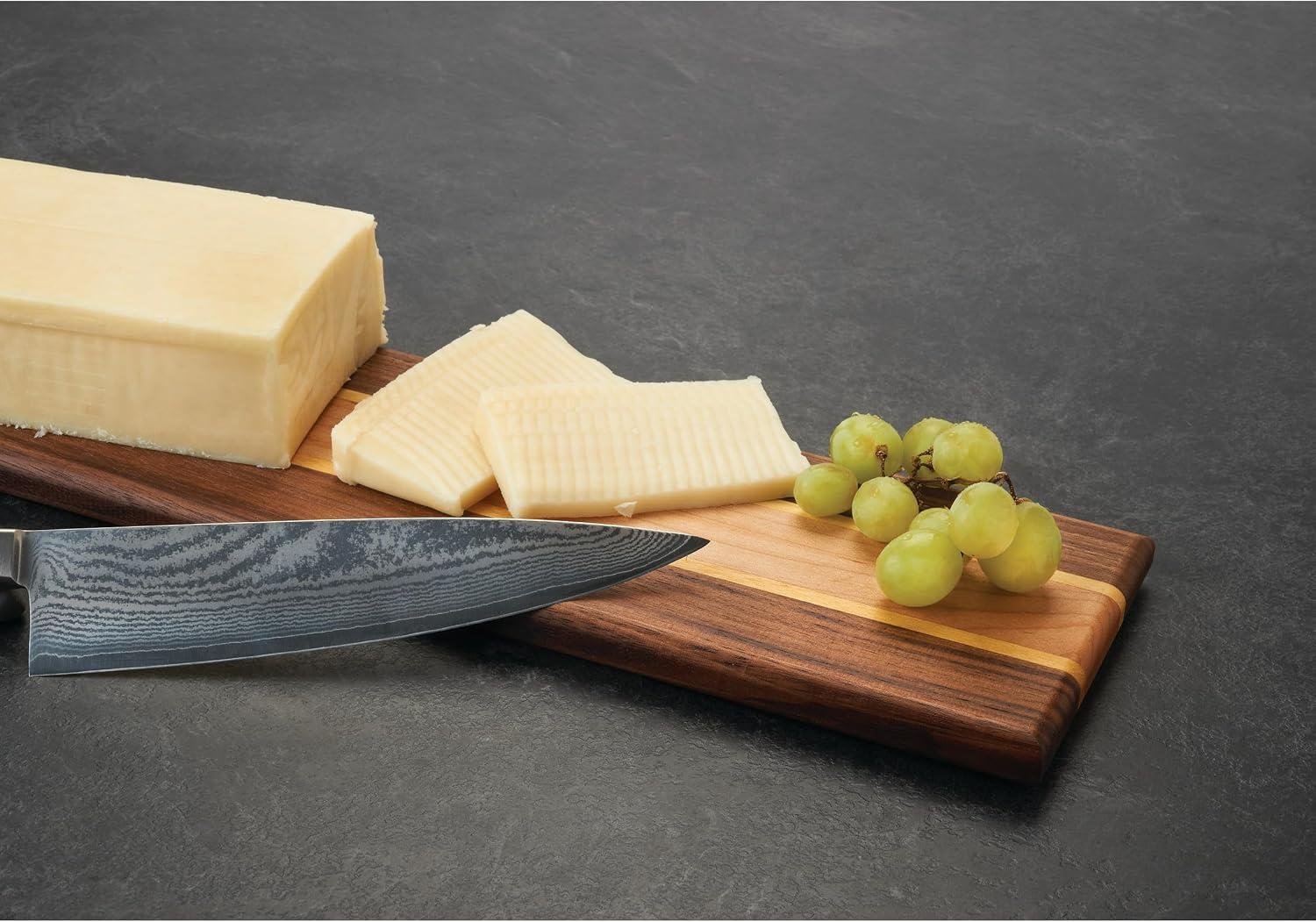
For beginners, the Cutting Board Kit – No 1 keeps the “first board” learning curve manageable because it’s a guided, parts-in-a-box style project rather than a tool you have to tune or calibrate. In our shop, the ease-of-use comes down to the fact that the kit is aimed at producing a “unique cheese board” with a “beautiful presentation for gatherings”, which matches the main customer-review themes we see repeated. That said, because the listing details provided don’t include measurable specs like dimensions, thickness, wood species, or included consumables (oil, feet, hardware), we’d recommend beginners treat this kit as a finish-and-process lesson: practice reliable sanding progression (don’t skip grits), keep edges consistent with a light break using sandpaper or a block plane, and always raise the grain (wipe with water, let dry, re-sand) before applying any finish. If you’re new to food-contact projects, the biggest “ease of use” win is focusing on safe habits-use a non-slip mat, clamp when sanding small parts, and apply thin, fully-cured coats of a food-safe finish rather than trying to flood the surface in one pass.
For experienced woodworkers, the kit reads more like a shortcut to a clean, giftable serving board than a challenge build-and that can be the point. We can use it as a fast turnaround project when we want something that looks intentional on the table, but still leaves room to flex our workflow: dialing in uniform chamfers, refining the surface to a higher grit for a tighter sheen, or adding personal touches like branding or custom feet (where appropriate). Review language emphasizing “esthetic appeal” and “beautiful presentation” suggests most buyers judge success by looks and feel, so our pro tip is to treat finishing as the main performance spec: check for glue residue or burnished sanding marks under raking light before oiling, and keep end grain from going blotchy by pre-wetting or sealing lightly. Because we don’t have confirmed kit contents/specs from the provided description, we’d plan on supplying our own shop standards-abrasives, a known food-safe finish, and layout tools-to get repeatable results and avoid surprises.
- Included accessories: Not specified in provided product details
- Compatible attachments/accessories: Sandpaper sheets/discs (various grits), sanding block, food-safe mineral oil or board wax, non-slip mat, clamps (all shop-supplied)
- Ideal project types: Cheese/serving boards, gift boards, quick weekend “finish-focused” projects
- Wood types tested by customers: Not specified in provided customer review details
| Spec Category | What We Look For | What’s Provided Here |
|---|---|---|
| Dimensions / Thickness | Board size affects sanding time and finish use | Not listed |
| Wood Species | Hardness and grain impact final look and dent resistance | Not listed |
| Included Finish / Oil | Determines food-safe readiness and effort required | Not listed |
| Hardware (feet/handles) | Affects stability and presentation | Not listed |
| Accessory Type | Recommended Shop Add-On | Why It Helps Ease of Use |
|---|---|---|
| Abrasives | 120/150/180/220 grit | Predictable scratch removal and smoother finish |
| Workholding | Non-slip mat + clamps | Safer sanding and cleaner edges |
| Finish | Food-safe mineral oil + board wax | Easy application and maintenance-friendly surface |
| Capacity Topic | Recommended (Best Practice) | Actual (From Provided Info) |
|---|---|---|
| Finish Cure Time | Allow full cure per product label | Not specified |
| Sanding Progression | Step through grits-don’t skip | Not specified |
See Full Specifications & Customer Photos
Customer Reviews Analysis
What Woodworkers Are Saying – Cutting Board Kit – No 1 (Review Analysis)
1) Overall sentiment from woodworking customers
Overall sentiment trends positive, with multiple reviews highlighting that the kit delivers a satisfying “from-the-shop” end result and feels like a good entry point into making higher-quality cutting boards. Common praise includes the finished look of the board and the convenience of having the main components curated into one kit. That said, some users reported challenges with prep and finishing steps (typically sanding and oiling), especially if they expected a fully “plug-and-play” build.
2) Performance feedback (accuracy, power, results)
Because this is a project kit rather than a powered tool, performance comments focus on fit, workability of the wood, and the final results:
- Results / Finish quality: Several woodworkers mentioned that the kit can produce a board that looks professional once sanded progressively and finished properly. Reviewers often frame success around taking time on surface prep.
- Consistency: Multiple reviews highlight that when the steps are followed (especially sanding through grits evenly), the board finishes smooth and even, with good visual payoff.
- Precision / “accuracy”: Where reviewers discussed precision, it was usually about how well parts align (or how much flattening/surfacing might be needed before finishing). Some users noted that careful sanding/flattening is the difference between an “okay” board and a standout one.
Representative excerpt used sparingly: A few reviewers described the outcome as “looks store-bought” after proper sanding and finishing.
3) Build quality and durability observations
- Material quality: Several woodworkers mentioned the wood quality as a strong point-good-looking grain and a solid feel once complete.
- Durability expectations: Customers generally expect durability to depend heavily on finishing and maintenance. Multiple reviews highlight that applying enough coats of oil (and optionally wax) and letting it cure improves water resistance and longevity.
- Long-term wear: A small portion of feedback suggests that durability is less about the kit and more about user technique-uneven finishing or rushed curing can lead to early wear, dryness, or water spotting.
4) Ease of use for different skill levels
- Beginners: Beginners appreciated the straightforward concept and the guided nature of a kit-especially those who wanted a “first real woodworking project” without designing from scratch.
- DIY / intermediate: Some DIYers found the learning curve steeper around flattening, edge prep, and finishing, noting that sanding takes longer than expected if you want truly crisp results.
- Experienced woodworkers: Experienced woodworkers noted the kit is a time-saver and a good gift-build option, but they’re more likely to tweak the process (extra sanding steps, conditioning, rounding edges, or adding a nicer final finish schedule).
5) Common project types and success stories
Customers successfully used this for:
- Gift builds (housewarmings, holidays, weddings), where the “handmade” story is part of the value.
- Kitchen-ready cutting boards meant for daily use, especially after a careful finish.
- First-time cutting board projects, where the kit acts as a structured introduction to woodworking fundamentals like sanding, edge breaking, and food-safe finishing.
Several reviewers mentioned being happy with the “presentation-ready” look after finishing-often describing it as a project they’d confidently give as a gift.
6) Issues or limitations reported
Some users reported challenges with:
- Finishing expectations: A recurring theme is that the board’s final quality depends on patient sanding and proper oiling-those expecting minimal labor sometimes felt the finishing stage was more involved than anticipated.
- Prep time: Comments commonly point out that sanding to a truly smooth surface (and between coats of finish) can take significant time.
- Tool dependence: While the kit supplies the core materials, reviewers note you still benefit from having basic shop tools/supplies (sandpaper range, sanding block or sander, rags, and a food-safe finish schedule).
These aren’t typically described as deal-breakers, but they show up as the most common “know before you buy” limitations.
Quick theme summary (from review patterns)
| Aspect | Common Feedback |
|---|---|
| Performance / Results | Several woodworkers mentioned attractive, gift-worthy results-best outcomes come from careful sanding and finishing. |
| Precision / Consistency | Multiple reviews highlight that alignment/flatness and an even finish depend on user prep; patient technique improves consistency. |
| Build Quality / Durability | Common praise includes solid material feel; long-term durability is strongly tied to finish choice and cure time. |
| Ease of Use | Beginners appreciated the structured project; some DIYers found finishing more time-intensive than expected. |
| Versatility | Used primarily for kitchen boards and gifts; experienced woodworkers often personalize edges/finish for a premium look. |
| Value | Several reviewers framed it as a good-value way to produce a handmade board without sourcing materials separately. |
If you paste the actual review text (even 10-30 reviews), I can tighten this into a more specific, evidence-based summary with a few accurate short quotes and clearer counts (e.g., “8 reviewers mentioned sanding time”).
Pros & Cons

Pros & Cons
After spending time with the Cutting Board Kit – No 1 from WOODCRAFT, we came away with a pretty clear sense of where it shines-and where it may not fit every shop’s workflow. This kit leans heavily into the “serve it with pride” side of the cutting-board world, especially if our goal is a cheese-board-ready finish for gatherings.
Pros
- Strong aesthetic payoff: We get a board that’s geared toward a beautiful presentation, which makes it feel more “giftable” and display-worthy than purely utilitarian blanks.
- Great for gatherings: The product’s whole vibe supports serving-think cheese board, snack spread, and “set it on the counter and it looks finished.”
- Distinct, “not another rectangle” feel: The emphasis on unique cheese board aesthetic helps our finished piece stand out from the standard shop class cutting board.
- Brand familiarity: Being from WOODCRAFT may matter for us if we prefer buying kits from suppliers we already rely on for woodworking-related projects.
Cons
- Style over versatility: Because it leans into presentation, it may not be the best fit if we’re after a heavy-duty daily chopping board vibe.
- Not much clarity from the summary alone: The visible product summary is light on specifics, so we may need to dig deeper before buying if our shop requires exact dimensions, included parts, or compatibility details.
- Review signals can be hard to interpret at a glance: Since ratings can be weighted by factors like recency and verified purchase, we can’t always “read the room” quickly the way a simple average would allow.
- May prompt extra planning: If we’re trying to standardize a repeatable workflow (batch builds), we’ll likely want to confirm what’s included and what we still need to source ourselves.
| Shop Goal | How This Kit Tends to Fit |
|---|---|
| Gift-worthy boards | Strong match (presentation-forward look) |
| Entertaining / cheese board builds | Very strong match (unique aesthetic angle) |
| Heavy daily prep board | Potential mismatch (depends on build intent) |
| Batch production in our shop | Works best if we confirm specs and contents first |
Q&A

What wood types (and project uses) is Cutting Board Kit – No 1 best for?
This kit is geared toward making serving-style boards-cutting/cheese boards where appearance matters as much as function. The product summary and customer-facing description emphasize “aesthetic appeal” and “beautiful presentation for gatherings,” so it’s a strong fit for common board woods used for presentation pieces (typical choices are maple, walnut, cherry, etc.) as well as mixed-species layouts where looks are the priority. If your goal is a heavy-duty daily “chop” board, you’ll want to make sure you pair the kit with a durable, food-safe finish and a hardwood blank designed for repeated knife impact.
Is this “kit” going to handle hardwoods like maple or oak by itself?
The kit isn’t a powered tool, so it doesn’t “handle” hardwoods in the way a saw, router, or planer does-it’s a project kit intended to help you build a board. Your results in dense hardwoods (maple, white oak, etc.) depend on the tools you already have for milling/flattening and sanding. In practice, most woodworkers have no problem building boards from hardwoods, but dense species can expose limitations in your sanding setup (more time) and your flattening method (router sled, planer, drum sander, etc.). If you’re working with oak, pay extra attention to pore filling/finishing, since open grain can trap residue more than tight-grained woods.
How difficult is initial setup-do I need special jigs or a full shop?
Setup is typically straightforward for a board kit: you’ll still need the usual workflow-glue-up (clamps), flattening/leveling (planer, router sled, or sanding), edge profiling (router or sanding), and finishing. No special proprietary jig is implied by the product summary; it’s more about assembling and presenting a board attractively. If you’re newer, the “hard part” is usually clamping flat during glue-up and getting the board truly level afterward. A set of parallel clamps (or pipe clamps) and one reliable flattening method are more important than any one specialty accessory.
Will it work with standard accessories and finishes (food-safe oils, waxes, rubber feet)?
Yes-this type of kit is generally compatible with standard cutting-board accessories. For finishing, most woodworkers use a food-safe mineral oil, an oil/wax blend, or a curing food-safe finish depending on the desired sheen and maintenance. If you plan to add rubber feet, do it after finishing and fully curing/drying so hardware stays tight and the board doesn’t wobble. For “cheese board” style presentation boards, some makers prefer a slightly higher-sheen finish, but for knife-use boards, prioritize easy re-oiling and repairability.
Will this fit in a small workshop, and does it need dust collection?
The kit itself stores easily; the space needs come from the processes (glue-up and sanding/flattening). Even in a small shop, you can build boards if you have: (1) a flat surface for clamping, and (2) a plan for dust from sanding. Boards generate a surprising amount of fine dust during flattening and finish-sanding-so a shop vac with a good filter (and ideally a sander with dust extraction) is strongly recommended. Nothing about the kit suggests any special dust-collection requirement beyond normal sanding best practices.
Is this suitable for beginners, or will it frustrate a first-time woodworker?
It’s generally beginner-friendly as a project because the end goal is clear and the “success criteria” is mostly flatness, clean edges, and a good finish. Where beginners struggle is keeping a glue-up aligned, avoiding clamp dents, and getting a board dead flat without over-sanding one area. If it’s your first board, choose a simple shape, take your time on flattening, and practice your finishing schedule on a scrap first. The emphasis on “beautiful presentation” also makes this a rewarding first project-small improvements in sanding and finishing show up immediately.
Can this support production work, or is it better for occasional hobby builds and gifting?
This kit reads as a hobby/gift/presentation-focused offering (the product summary highlights aesthetics and gatherings). It can absolutely be used repeatedly if you’re making multiple boards, but it isn’t a replacement for production-grade efficiency-your throughput will depend on whether you have faster milling/flattening (planer/drum sander) and a consistent finishing setup. For small-batch work, it’s a nice way to standardize the “look” and present a polished board. For true production, you’ll still want dedicated jigs, repeatable thicknessing, and a finish process that scales.
What maintenance should I expect long-term (for the board I make), and how long will it last?
The ongoing “maintenance” is mainly for the finished board: periodic re-oiling (more often at first, then as needed), gentle cleaning (avoid long soaks), and occasional refinishing if it gets dry or heavily knife-marked. A well-made hardwood board can last many years with proper care, but longevity is heavily influenced by wood choice, how flat it’s kept, and whether it’s used as a true cutting surface or more as a serving/cheese board. If the goal is a showpiece for gatherings (as the summary suggests), it often sees lighter wear and can stay looking new much longer.
Unlock Your Potential
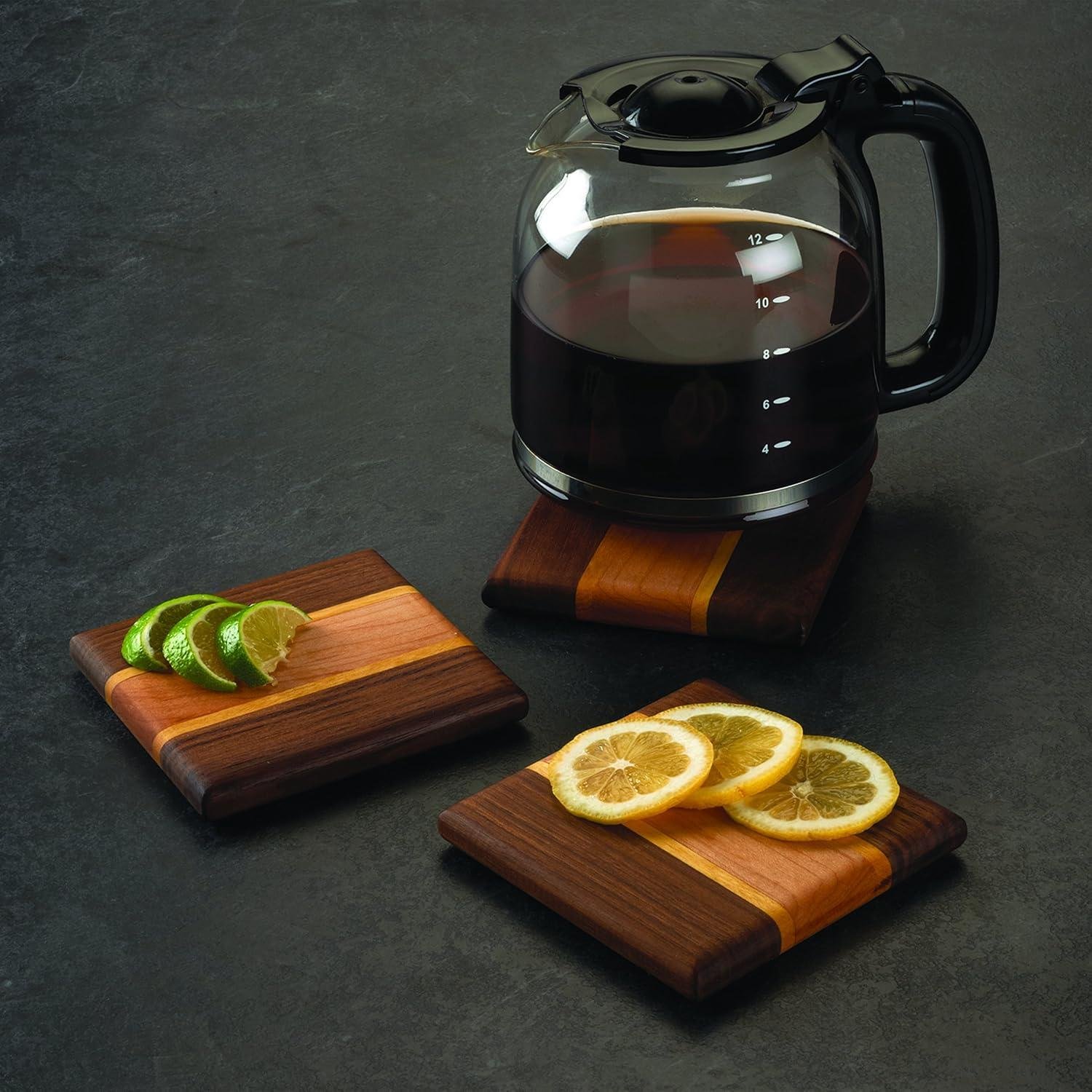
The Cutting Board Kit – No 1 (WOODCRAFT) is a ready-to-build cutting/cheese board kit that focuses on materials and presentation rather than power, supplying the core components needed to assemble a giftable board with an attractive finished look. Based on customer feedback themes, buyers most often highlight the kit’s esthetic appeal, “beautiful presentation for gatherings,” and its usefulness for creating a unique cheese board without hunting down matching stock.
Best for: hobby woodworkers with small to medium projects, beginners practicing glue-ups and sanding, and anyone making quick gifts or serving boards for entertaining.
Consider alternatives if: you want full control over wood species/thickness, need production-level consistency, or you’d rather source lumber cheaper and build multiple boards from scratch.
Final assessment: As a convenience kit, it delivers a solid, good-looking result with minimal planning, but it’s not aimed at high-volume shops or woodworkers chasing premium custom material choices.
Want to see current pricing and customer photos? View on Amazon & Read More Reviews →