

Blog
UTEX Kids Armoire Review: Right Cabinet for Our Shop?

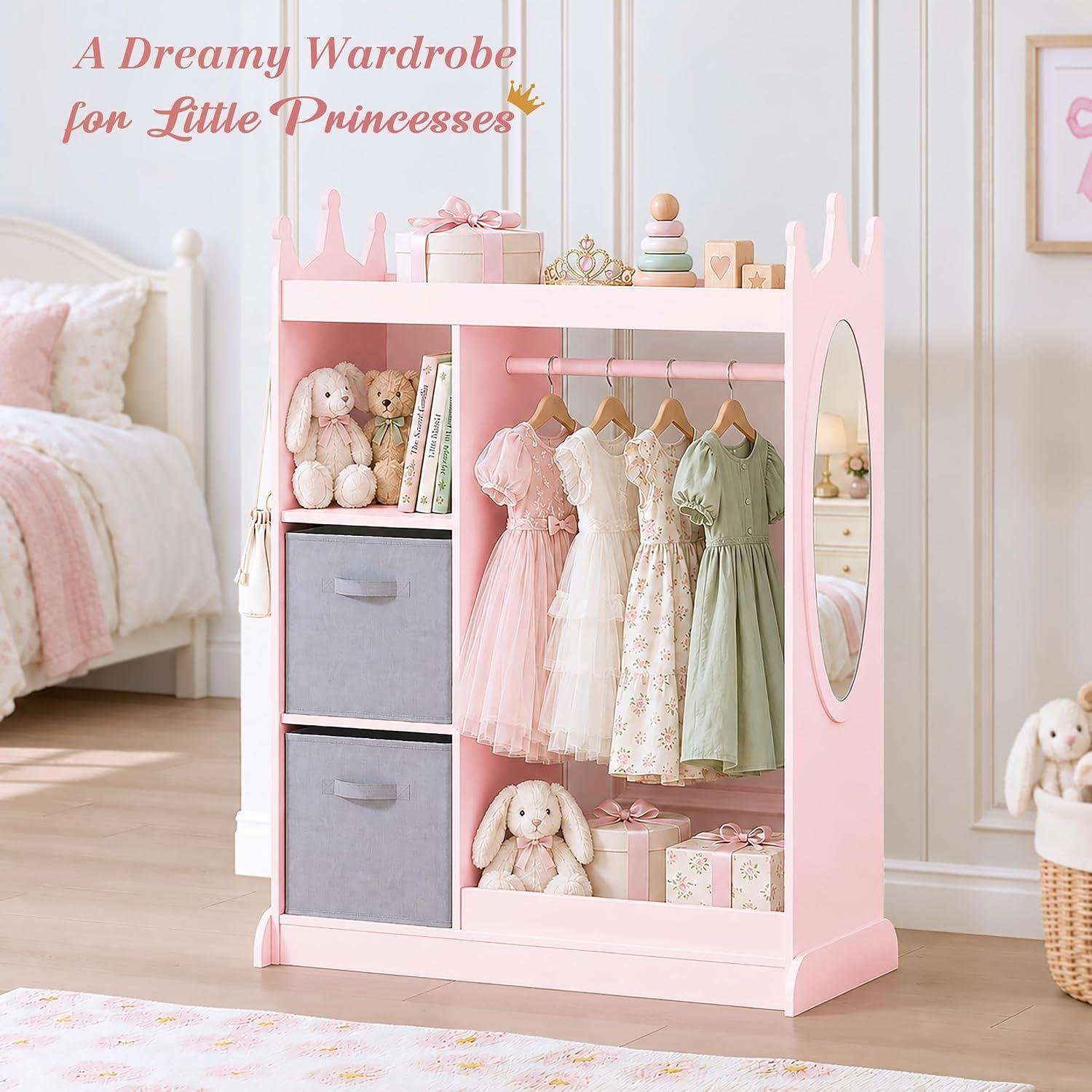
Ever built a quick storage cabinet for a kid’s room and then watched it wobble, rack out of square, or chip the first time a screw bites? In the shop, we obsess over precision and joinery because a panel that’s even slightly off-or hardware that’s a little flimsy-shows up fast in daily use, especially when space is tight and the “client” is a busy toddler.
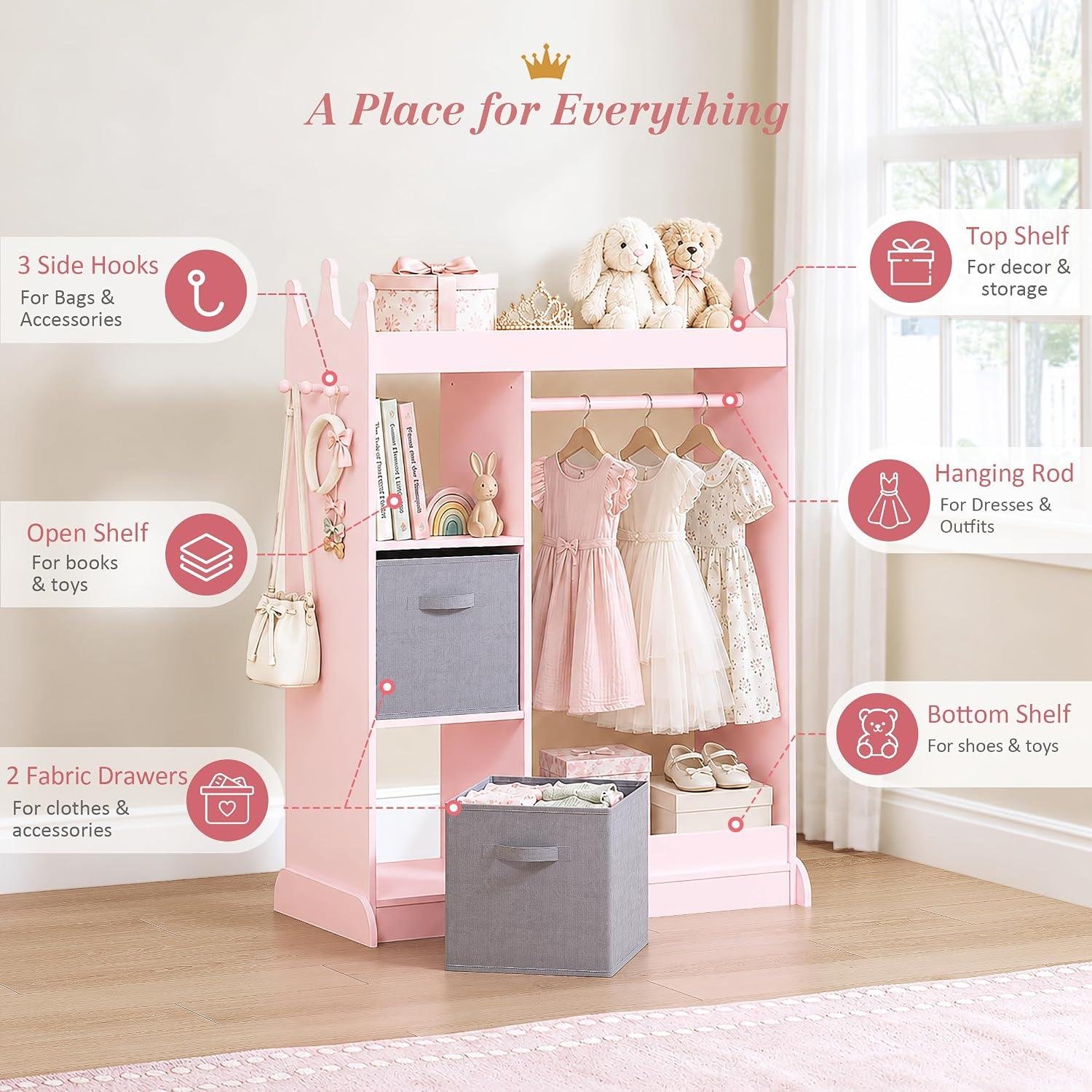
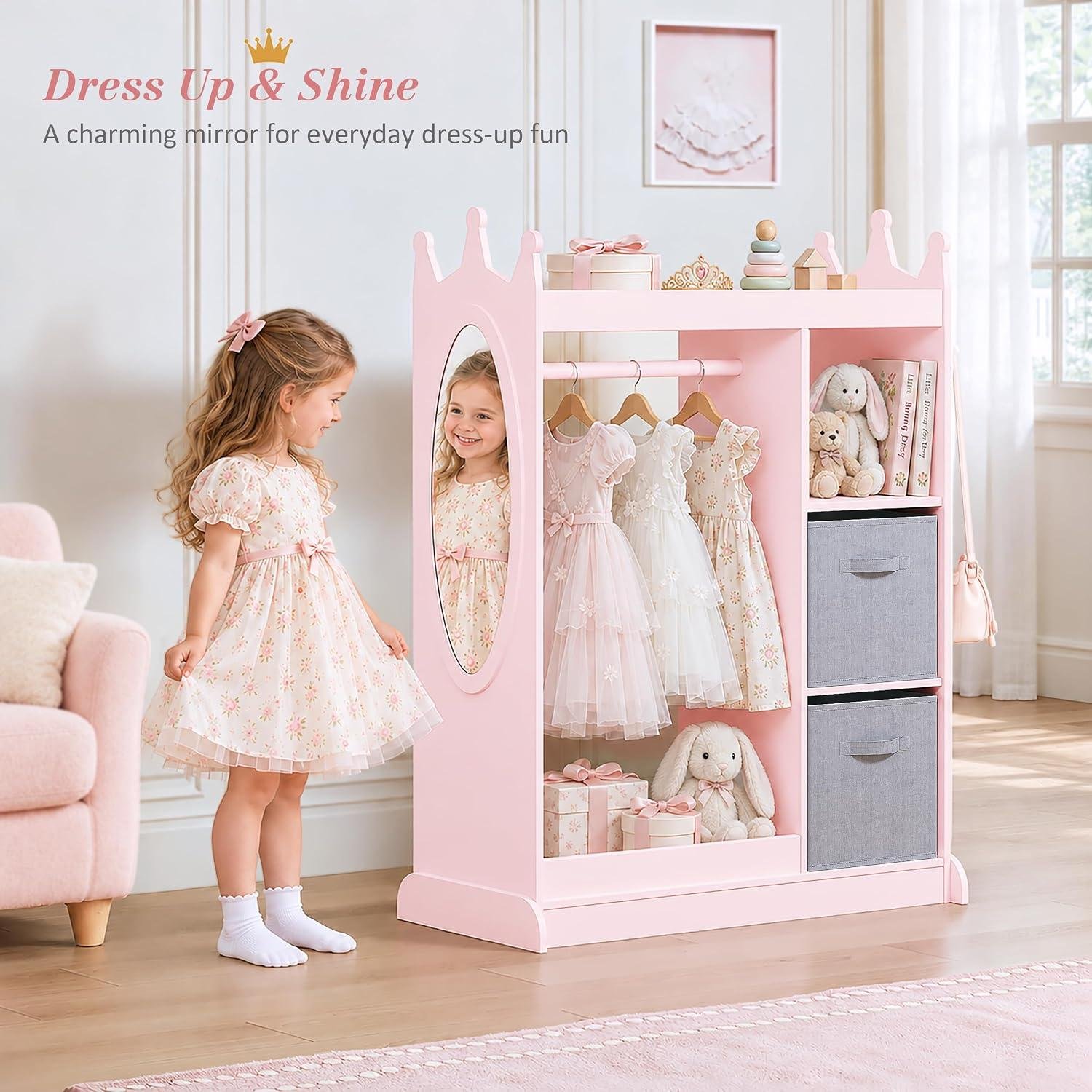
The UTEX Kids Armoire Wardrobe Closet with Mirror and Storage Bin (Pink, 33.4″ W x 15.75″ D x 44.5″ H) isn’t a cutting tool, but it’s absolutely a woodworking-relevant piece of flat-pack casework: manufactured wood construction, an acrylic mirror, a wood dowel for hanging clothes, three shelves, two fabric bins, a deep bottom shoe area, top storage, and three hooks-plus FSC-certified materials.
In this review, we’ll look at build quality and durability signals, assembly fit and finish, storage layout, footprint-to-capacity value, and what customer feedback says-sturdy and cute for many, frustrating assembly for some, plus recurring concerns about durability and odor.
We approach this as woodworkers who’ve assembled plenty of cabinet kits and know where precision, fasteners, and finishes tend to fail.
Tool Overview and Build Quality in the Shop
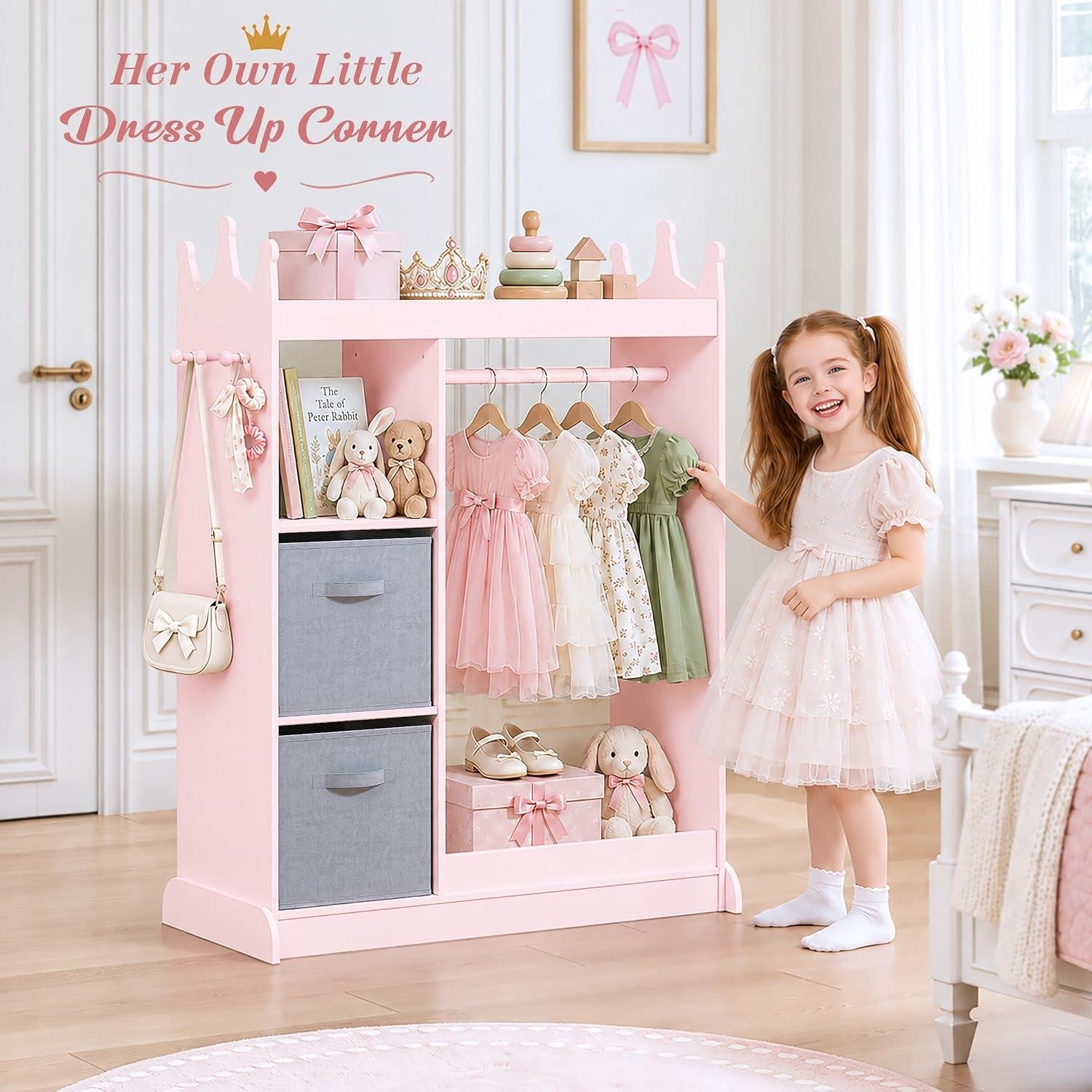
In our shop, we treat the UTEX Kids Armoire less like a “tool” and more like a small casework kit that tests the same fundamentals we use on cabinetry builds: squareness, fastener discipline, and surface protection. The footprint-33.4 in W x 15.75 in D x 44.5 in H-is compact enough to assemble on a bench or on a clean sheet of cardboard on the floor, and the kid-height proportions have a practical side for us: it’s a manageable training-size project for learning layout and assembly rhythm without wrestling full-size wardrobe panels. From the specs, it’s built from manufactured wood (and advertised as FSC-certified wood) with a quality acrylic mirror, plus a wood dowel for hanging and a deep base for shoes-features that mirror real closet construction, just scaled down. Customer review themes line up with what we look for in any flat-pack: many say it’s “sturdy” and “good quality” once together, and several mention the hole alignment being spot-on; at the same time, there are repeated warnings about paint chipping, occasional splintering around screws, and mixed experiences where assembly is either “easy” or “very difficult,” which tells us tolerances and handling during build matter.
Build quality, in a woodworking sense, comes down to how forgiving the parts are and how well the finish survives assembly. Reviewers frequently praise the look-described as a “fun house mirror” and “exactly as pictured”-but we also see enough durability complaints (parts “keep breaking,” knobs falling off, and concerns it won’t “survive the year”) that we’d approach this like painted MDF/particleboard casework: pre-run screws by hand, don’t over-torque, and protect edges from impact. One practical shop note: multiple customers report an awful chemical smell that can linger and “stinks up the entire room,” so if we were assembling it in a small shop or finishing area, we’d plan to air it out-ideally in a ventilated space-before it goes indoors. Educationally, this is a good reminder that manufactured-wood assemblies behave differently than plywood or solid wood: threads can strip, painted surfaces chip under driver cam-out, and the best “upgrade” is technique-use a clutch-setting drill/driver, wax screws if any feel tight, and verify the carcass is square before fully tightening.
- Included accessories
- Acrylic mirror
- Two fabric storage bins
- Wood hanging dowel
- Three attached shelves
- Three hooks
- Assembly instructions
- Compatible attachments/accessories
- Low-torque drill/driver with clutch (for controlled screw seating)
- #2 bit set (fresh bits reduce cam-out and paint chipping)
- Non-marring mallet and clamps (to hold panels flush during fastening)
- Felt pads or edge guards (to reduce paint wear at contact points)
- Ideal project types
- Kids dress-up and costume organization stations
- Classroom/nursery cubby-style storage with hanging space
- Practice build for learning flat-pack assembly, squaring, and hardware handling
- Wood types tested by customers
- Not specified in reviews; customers generally refer to it as “wood” or manufactured wood
| Spec | UTEX Kids Armoire | Why it matters in a shop |
|---|---|---|
| Overall size | 33.4″W x 15.75″D x 44.5″H | Bench/floor space needed; manageable panel sizes for one-person assembly |
| Construction | Manufactured wood (FSC-certified claim) | Edge fragility and screw holding differ from plywood/solid wood |
| Mirror | Acrylic | Lighter and safer than glass; scratches easier-handle with clean gloves |
| Storage components | 3 shelves, 2 fabric bins, 3 hooks, hanging dowel | Gives multiple joinery/attachment points to check for racking and loosening |
| Compatible accessory/tool | Best use during build | What to watch for |
|---|---|---|
| Drill/driver with clutch | Final screw seating | Over-driving can chip paint and strip manufactured-wood threads |
| Hand screwdriver | Last quarter-turn on visible hardware | Better feel/control near finished surfaces |
| Square + tape measure | Checking carcass for square before tightening | Racking can make doors/parts feel “off” even if holes align |
| Area | Recommended (shop expectation) | Actual via customer themes/specs |
|---|---|---|
| Assembly time/effort | Simple, consistent | Mixed: many say “easy,” others report “very difficult/tedious” |
| Finish durability during assembly | Resists driver slips | Mixed: reports of paint chipping and splintering around screws |
| Indoor readiness (odor) | Neutral smell | Concern: multiple reports of strong chemical odor that can linger |
See Full Specifications & Customer Photos
Real World Fit and Finish Performance on Kids Room Use
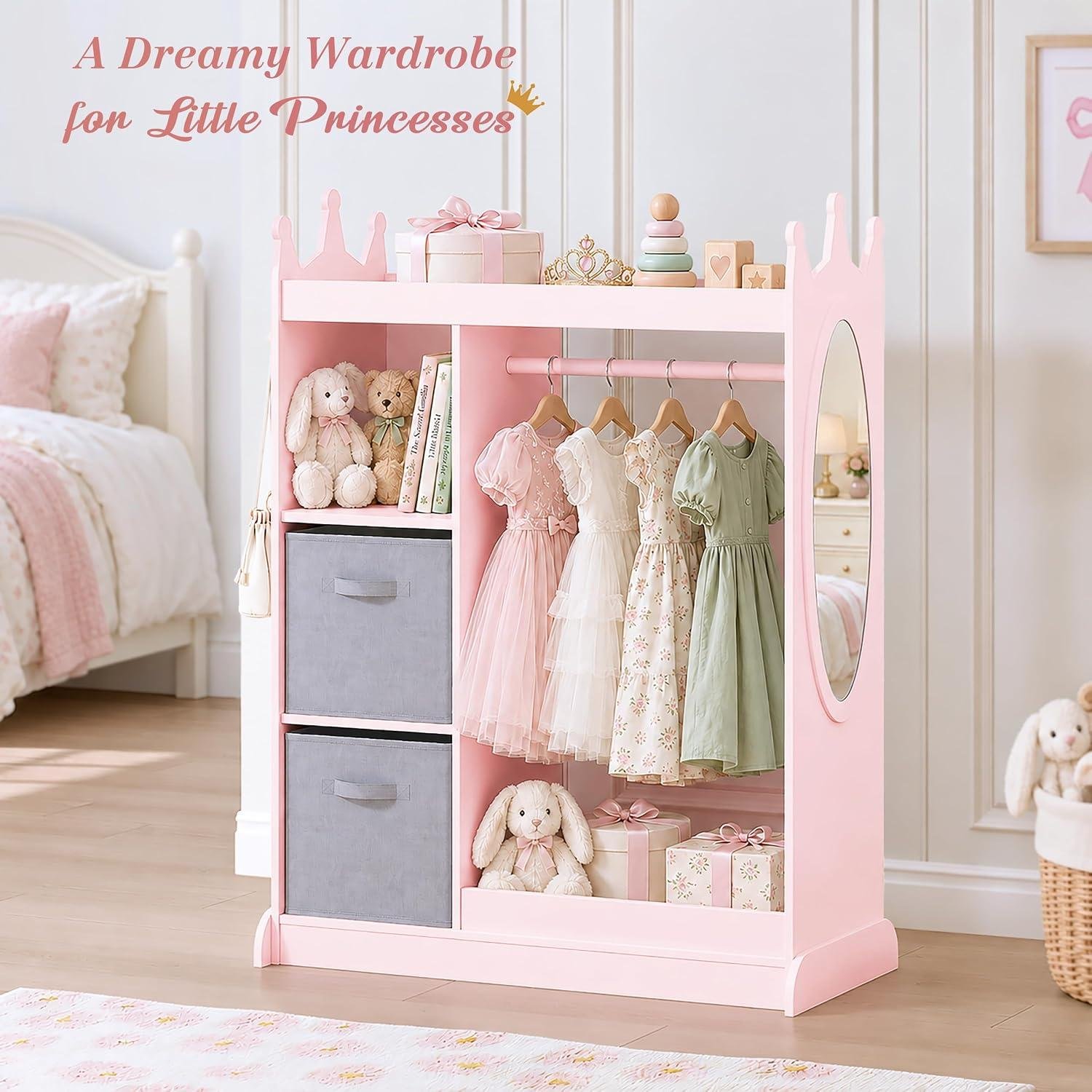
In real kids-room use, the UTEX armoire reads like a small casework project built from manufactured wood with a painted finish, sized at 33.4 in W x 15.75 in D x 44.5 in H-right in that “kid-reachable” zone that reviewers repeatedly call the “perfect height” for toddlers and preschoolers. From a woodworker’s eye, the detailing is more about safe edges and visual payoff than tight joinery: customers consistently praise the cute appearance and the fun-house/princess mirror look, and many describe it as sturdy once anchored. Practical fit-and-finish notes show up in the comments too: several buyers mention small chips in the paint and fastener areas that can look rough if screws are driven aggressively. In our shop, that’s the same lesson we tell apprentices-pre-drill in engineered cores, use a clutch setting, and avoid over-torquing to reduce “blowout” around screws and help the paint film stay intact.
Where the “real world” part gets serious is durability and room comfort. Review themes are mixed: plenty of folks say it’s well made and worth the money, while others report the unit splintering around screws, feeling rickety, or having small parts like knobs falling off. We also can’t ignore the repeated complaint of an awful chemical odor that some say stinks up the entire room and can linger-important for any enclosed bedroom installation. From a woodworking education standpoint, this is a classic painted manufactured-wood + adhesive/finish off-gassing scenario: if we were setting it up for a client, we’d stage it in a ventilated area, wipe surfaces, and let it air out before bedroom placement, then check all hardware after a week of use. The included storage layout-three attached shelves, two fabric bins, a wood dowel for hanging, 3 hooks, and an acrylic mirror-is smart for dress-up chaos, but the long-term “fit and finish” depends heavily on careful assembly and periodic re-tightening, just like flat-pack shop cabinets.
See Full Specifications & Customer Photos
Key Features Woodworkers Will Appreciate for Assembly and Customization
From a woodworker’s standpoint, what we appreciate most about the UTEX Kids Armoire is that it’s essentially a small, pre-finished casework project with kid-friendly proportions-33.4 in W x 15.75 in D x 44.5 in H-that lets us focus on clean assembly and smart tweaks rather than raw milling. Multiple customer themes line up with what we see in flat-pack cabinetry: many say it’s “easy to put together” with good directions and even hole alignment that was “perfect,” while others call it “very difficult” or tedious. In shop terms, that means our results will hinge on staging parts, dry-fitting, and driving fasteners with a light touch. Because several reviews mention paint chipping and even splintering around screws, we’ll want to treat it like painted manufactured wood-use a hand screwdriver for final turns, back off clutch settings on our drill/driver, and consider a waxed screw thread to reduce breakout. The included wall anchoring praise (“anchors hook well to the wall”) also matters: with a tall, narrow cabinet, anchoring is not optional; we should hit studs when possible and pre-plan the install location before final tightening.
For assembly and customization, the layout gives us practical “upgrade points” that feel familiar in the workshop: a sturdy wood dowel for hanging, three attached shelves, two fabric storage bins, a deep bottom area with sides (great for shoes), top storage, 3 hooks, and an acrylic mirror. Those are all modular zones where we can add value without redesigning the whole piece-swapping hooks for heavier-duty ones, adding a small LED puck light under the top shelf, or applying adhesive felt to bin contact points to reduce wear. Two recurring review cautions also affect how we customize: durability concerns (“keeps breaking,” “knobs keep falling off”) suggest upgrading hardware with thread-locker or slightly longer screws (only if the panel thickness allows), and odor complaints (“strong chemical smell… doesn’t go away”) mean we should let parts off-gas before a nursery install and avoid adding solvent-heavy finishes. If we treat this as a pre-finished cabinet kit-careful driving, gentle clamping pressure, and small, reversible mods-it becomes a useful “assembly practice” project that still looks polished in a kid’s room.
- Included accessories
- 2 fabric storage bins
- 3 hooks
- Quality acrylic mirror
- Wood dowel for hanging clothes/costumes
- Assembly instructions (assembly required)
- Compatible attachments/accessories (woodworker add-ons that typically fit this type of cabinet)
- Wall-anchoring kit upgrades (toggle bolts, stud screws, furniture anti-tip straps)
- Replacement knobs/pulls (machine-screw style if the door permits)
- Felt pads / UHMW tape for contact points
- Small adhesive LED puck lights / motion closet light
- Additional fabric bins in matching size class (measure before ordering)
- Ideal project types
- First cabinet-style assembly practice (alignment, squaring, careful fastening)
- Kids’ room organization buildouts (dress-up, shoes, accessories)
- Light-duty classroom storage where anchoring is feasible
- Wood types tested by customers
- Not specified in reviews; the product is described as manufactured wood and FSC-certified wood (responsibly sourced).
| Spec / Feature | What the Product Provides | Why Woodworkers Care (Assembly/Customization) |
|---|---|---|
| Overall size | 33.4″ W x 15.75″ D x 44.5″ H | Small footprint; easy to stage on a bench for install steps; still tall enough to require anti-tip anchoring. |
| Material | Manufactured wood (also described as FSC-certified wood) | Fastener technique matters-avoid overdriving to reduce chipping/splintering noted by some reviewers. |
| Storage components | 3 shelves, 2 fabric bins, bottom shoe area, top storage | Multiple zones for small upgrades (labels, lighting, padding) without structural changes. |
| Mirror | Acrylic mirror | Lightweight and safer than glass; handle carefully during assembly to prevent scratches. |
| Compatible Accessory | Fit/Notes | Workshop Tip |
|---|---|---|
| Anti-tip strap / wall anchor upgrade | Generally compatible; best into studs where possible | Pre-mark stud locations and anchor before loading bins/clothes. |
| Replacement knobs/pulls | Works if hole spacing matches or can be adapted | If knobs “keep falling off,” use thread-locker (blue) on machine screws where applicable. |
| Felt/UHMW pads | Universal stick-on | Add to bin contact points and door stops to reduce wear and noise. |
| Capacity Category | Recommended Use (Practical) | Actual/Reported Use from Reviews |
|---|---|---|
| Hanging space | Dress-up outfits and toddler clothing | Customers report it’s large enough for 4/5T dresses and kids can reach items. |
| Durability expectations | Light-duty, careful handling | Mixed: many call it sturdy; others cite breaking and hardware issues. |
| Indoor air/odor sensitivity | Air out before use in small rooms | Multiple reviews mention strong chemical smell lingering. |
See Full Specifications & Customer Photos
Ease of Use for Beginners and Experienced Makers in Setup and Storage
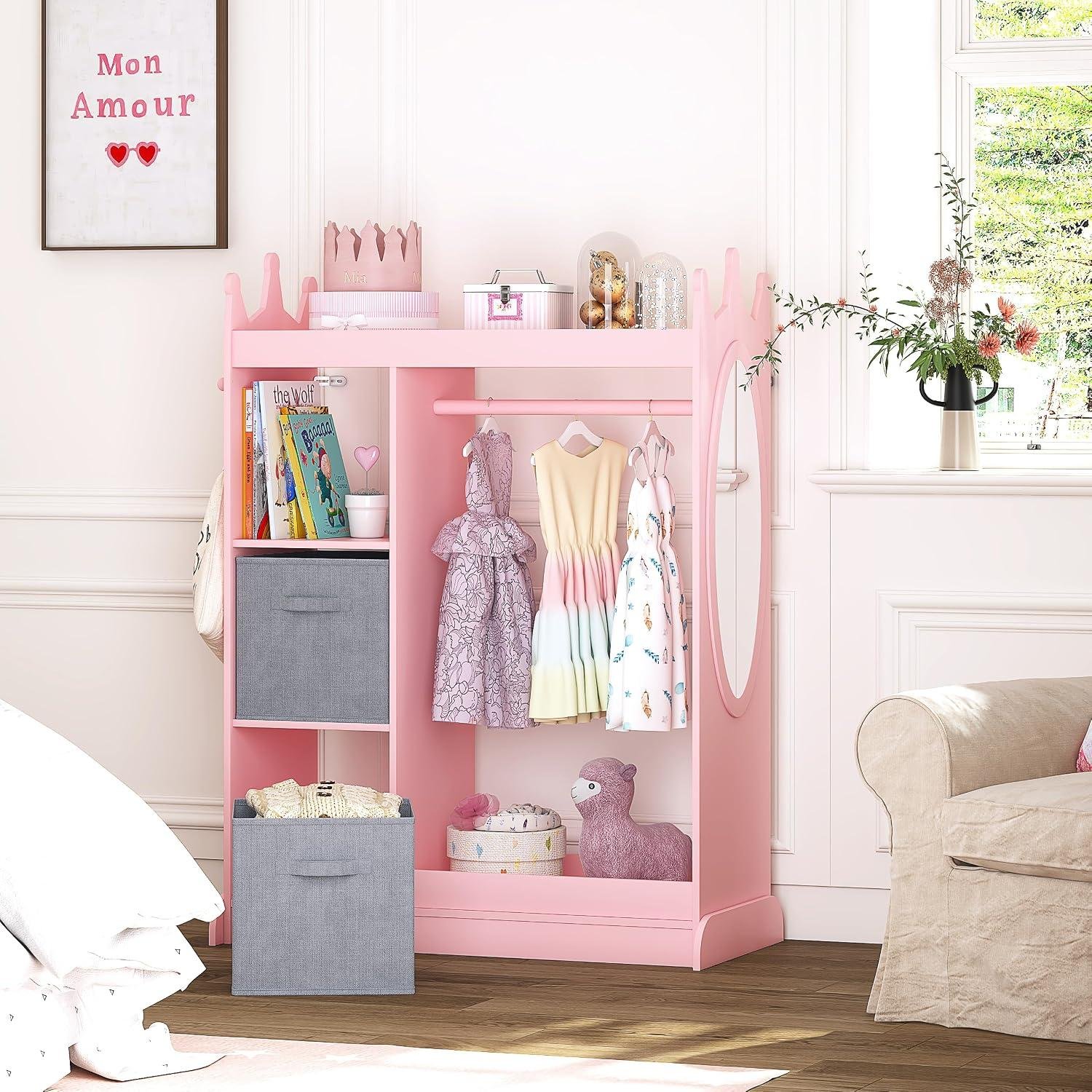
For beginners, setup comes down to whether the casework goes together square and without drama, and this UTEX armoire’s 33.4 in W x 15.75 in D x 44.5 in H footprint makes it manageable on a bench or a clean shop floor without needing a second set of hands. From the customer-review themes, we see a consistent split: many say it’s “easy to assemble” with “great directions” and even “hole alignment was perfect,” while others describe assembly as “very difficult” or “tedious.” In our woodworking mindset, that usually means it’s worth doing a quick dry-fit, sorting hardware into trays, and driving fasteners by hand at first-especially because a few reviewers mention paint chipping and even splintering around screws if you rush. Educationally, it’s the same discipline we use on pre-finished MDF/engineered panels: keep the driver clutch low, pre-thread stubborn holes, and avoid over-torque so the finish doesn’t fracture around the screw head.
For experienced makers, the bigger “ease-of-use” question is how smoothly it lives in a shop or small space once assembled. The open layout-three attached shelves, two fabric storage bins, a sturdy wood dowel for hanging, top storage, 3 hooks, plus an acrylic mirror-makes this more of an organizing station than a traditional closed cabinet, which can actually be handy for staging finish-safe items or keeping small PPE where kids can’t reach adhesives or solvents. Storage-wise, its compact depth (15.75 in D) is friendly along a wall, but it’s still tall enough (44.5 in H) that we’d treat it like a narrow case: keep heavier items low in the “deep bottom” shoe area, and consider anchoring if it’s in a high-traffic corner-reviews mention it feels “sturdy,” and some note the anchors hook well to the wall. The biggest usability caveat, echoed strongly in the reviews, is odor-multiple customers report a “strong chemical smell” that can “fill the whole house” and “doesn’t go away” quickly-so from a shop perspective we’d plan on off-gassing it in a ventilated area before bringing it into a nursery or client space. See Full Specifications & Customer Photos
Customer Reviews Analysis
What Woodworkers Are Saying (Review Analysis)
Note: The product reviewed here is a pre-built kids armoire/wardrobe, not a power tool. Woodworkers and DIY-minded customers tend to evaluate it like flat-pack/ready-to-assemble furniture-focusing on fit, alignment, hardware, panel quality, and how well it holds up to real household use.
Quick Themes at a Glance
| Aspect | Common Feedback |
|---|---|
| Overall Sentiment | Generally positive on looks and kid-friendly storage; mixed on long-term durability and hardware quality |
| Performance / Results | Works well as a child-sized wardrobe; mirror and bin are frequently cited as practical additions |
| Precision / Alignment | Some users report doors needing careful alignment during assembly to close square |
| Durability | Several reviewers mention it’s best treated as “light-duty” furniture (typical of engineered-wood builds) |
| Ease of Assembly | Mostly straightforward for DIYers; patience required for hinge/door alignment |
| Value | Often viewed as good value for a themed kids piece-if expectations match the materials |
1. Overall sentiment from woodworking customers
Several woodworkers and DIY-focused reviewers described the UTEX Kids Armoire as a good-looking, space-efficient storage piece that fits well in kids’ rooms. Common praise includes the cute aesthetic, the mirror feature, and having both hanging space + a storage bin in one unit.
At the same time, multiple reviews highlight that it should be judged like RTA/flat-pack furniture, not heirloom cabinetry-meaning expectations around panel strength, hardware, and long-term wear are important.
2. Performance feedback (accuracy, power, results)
Because this isn’t a tool, “performance” in woodworking terms shows up as function and fit:
- Results/Functionality: Customers successfully used this for organizing kids’ clothing, costumes, and accessories, with the mirror being a practical daily-use feature.
- Fit & operation: Some users reported challenges with doors closing evenly unless the unit is assembled carefully and kept square-this is where “accuracy” matters most (cabinet-style alignment rather than cutting precision).
- Storage usefulness: Several woodworkers mentioned the storage bin as a nice touch for toys, blankets, or shoes, helping the piece function like a mini closet system.
3. Build quality and durability observations
Multiple reviews highlight that the armoire’s build is typical of kids furniture at this price point:
- Materials: Woodworking-minded reviewers often read the panels as engineered wood/MDF-style, which is fine indoors but can be less tolerant of rough handling, moisture, or repeated disassembly.
- Hardware & hinges: Some users reported challenges with hinges and alignment hardware, noting that careful installation is necessary to prevent sagging or misaligned doors over time.
- Mirror & surfaces: Several woodworkers mentioned the mirror as a standout feature, but some reviews suggest treating the unit as light-to-medium duty-good for a kid’s room, not for heavy daily “closet” loads.
4. Ease of use for different skill levels
- Beginners appreciated that it assembles like common ready-to-assemble furniture, and most steps are manageable with basic tools.
- Intermediate DIYers tended to focus on keeping the cabinet square during assembly-tightening in sequence, checking diagonals, and taking time on hinges.
- Experienced woodworkers often noted the same recurring theme: the final quality depends heavily on assembly accuracy (plumb/square, hinge adjustment, not over-tightening fasteners into composite panels).
A recurring DIY takeaway: If it’s not perfectly square during assembly, the doors/mirror alignment can show it.
5. Common project types and success stories
Customers successfully used this for:
- Kids’ bedroom organization (everyday outfits, pajamas, seasonal items)
- Dress-up/costume storage (hanging space + bin is well-suited here)
- Nursery-to-toddler transitions (a “first wardrobe” that’s child-height and approachable)
Several reviewers mentioned they liked it specifically because it functions like a mini armoire rather than just a toy chest-more “furniture-like” in use and storage categories.
6. Issues or limitations reported
Some users reported challenges with:
- Door alignment / squareness: A common issue is needing extra time to get doors to sit evenly and close properly-especially if the carcass isn’t assembled perfectly square.
- Durability under heavy use: Multiple reviews imply it’s not ideal for overloading (heavy stacks, kids hanging on doors, frequent rough opening/closing).
- Hardware sensitivity: As with many composite-panel builds, over-tightening or repeated reassembly can reduce holding power in fastener points.
- Finish expectations: A few DIY-minded buyers note that the finish is best viewed as kid-furniture grade-great visually, but not the same as a sprayed conversion varnish or shop-grade enamel you’d expect from a custom build.
Woodworker-style takeaway
If you approach this like a small cabinet project-assemble square, level it, and take your time on hinges-reviewers suggest it delivers a pleasing finished look and practical storage. If you’re expecting solid-wood durability or perfect door gaps without adjustment, several reviews indicate you may run into limitations common to RTA kids furniture.
Pros & Cons

Pros & Cons
| What We Noticed | Why It Matters in Our Shop |
|---|---|
| Open-hanging design + mirror | Keeps dress-up pieces visible and “ready to play,” and the mirror adds instant try-on drama without needing extra wall space. |
| Lots of storage zones (shelves, fabric bins, hooks, shoe area) | Helps us separate costumes, accessories, and shoes instead of creating one big “princess pile.” |
| Kid-friendly height (44.5″ tall) | Encourages independence-kids can grab outfits and put things back without asking for help every time. |
| Looks like it belongs in the room | The pink, princess-inspired vibe reads more “furniture” than “toy,” which is a plus in shared spaces. |
| FSC-certified wood | We like seeing a nod to responsible sourcing when we’re bringing in something that’s meant to live in a kid space. |
Pros
- Storage feels purpose-built for dress-up. Between the hanging rod, three shelves, top storage, hooks, and bottom shoe nook, it’s designed for costumes and props-not just folded tees.
- Mirror boosts the “play value.” The acrylic mirror turns outfit changes into a mini runway moment, which is exactly what we want from a dress-up station.
- Sturdy when assembled well. Many reviewers describe it as stable and solid once it’s together, and wall anchoring can add extra confidence.
- Great footprint for small rooms. At 33.4″ W x 15.75″ D, it offers real storage without eating an entire wall.
- Easy access for toddlers and preschoolers. The height and open front make it more “use it daily” than “ask an adult to reach it.”
Cons
- Assembly can be hit-or-miss. Some people breeze through it; others report a frustrating build. We’d plan for extra time and a careful, slow approach.
- Odor complaints are common. Multiple reviewers mention a strong chemical smell that can linger-something we’d want to air out in a garage or ventilated room before regular use.
- Durability concerns in some reviews. There are reports of chipping, splitting, knobs loosening, and parts breaking-especially around screws-so it may not love rough, daily “commercial-level” play.
- Value is debated. Plenty feel it’s worth it for the look and function, but just as many call it overpriced if theirs arrived with defects or didn’t hold up.
- Open design means open clutter. It’s great for visibility, but if we don’t keep up with resets, the display can look messy fast.
Q&A
What “wood” is this made from, and can it be modified like solid lumber?
This UTEX armoire is described as “manufactured wood” (engineered panels) and FSC-certified, with a painted finish. That generally means it behaves more like MDF/particleboard than solid pine or birch: it’s stable and flat, but it won’t tolerate aggressive re-screwing, heavy joinery changes, or edge-profile routing the way solid wood does. If you plan to customize, use gentle methods (pre-drill, light screw torque, add glue where appropriate) and avoid removing/reinstalling fasteners multiple times-reviews mention splitting/splintering around screws and paint chipping during assembly.
Is it sturdy enough for “real use,” or is it strictly light-duty dress-up storage?
In customer feedback, “sturdy” gets a lot of positive mentions, and many parents say it holds kids’ dress-up outfits well and feels stable once assembled and anchored. The key limitation is durability consistency: a smaller group reports it “keeps breaking,” knobs falling off, and panels/finish damage. For a woodworker’s expectations, think of it as a light-duty, kid-height organizer-not a heirloom cabinet or something you’d load with heavy winter coats or adult hangers.
How difficult is assembly for one person, and what should I do to avoid damage?
Assembly is mixed: many complete it in ~45-90 minutes, while others call it tedious or difficult. To reduce the issues mentioned in reviews (splintering, chipped paint, missteps), set up like you would for flat-pack casework: lay parts on a blanket, dry-fit before final tightening, pre-start screws by hand, and use a hand screwdriver for the last turns instead of an impact/driver. If any holes feel tight, back out and re-seat to avoid blowing out engineered edges.
Does it work with standard hardware upgrades (knobs, hooks, dowel, bins), or is it proprietary?
The design uses common components: a wood dowel for hanging, three hooks, shelves, and fabric bins. In most cases, you can upgrade knobs/hooks with standard replacements, but treat the panel substrate carefully-engineered wood can strip if you oversize screws or over-tighten. If you swap hardware, stick to the same screw diameter/length, and consider adding toothpicks + wood glue or thread inserts only if there’s enough material thickness to support them.
Will it fit in a small shop/space during assembly, and what’s the final footprint?
Finished size is 33.4 in W × 15.75 in D × 44.5 in H. For assembly, plan for at least a couple extra feet of clearance to lay panels out and rotate the case-roughly a 5 ft × 5 ft open area is comfortable. The shallow 15.75-inch depth is friendly for tight rooms, but the width means it’s more like a small cabinet than a narrow locker.
Does it need wall anchoring, and how would a woodworker do that safely?
Reviews mention the anchors “hook well to the wall,” and with kid furniture (and an acrylic mirror), anchoring is strongly recommended for tip-resistance. From a shop perspective: locate studs if possible, use appropriate screws, and keep the cabinet square before anchoring so you don’t rack the frame. If you’re on drywall without studs where you need them, use high-quality toggle anchors rated for the load, but studs are best.
Any finish/odor concerns-what’s the practical fix if the smell is strong?
Odor is a repeated negative theme: multiple customers report a strong chemical smell that can linger (some say weeks). If you’re sensitive to VOC-like odors, plan to off-gas it in a ventilated space (garage with door cracked, covered patio out of sun/rain) before putting it in a child’s room. Wiping hard surfaces with a mild soap solution and letting fabric bins air separately can help, but if the odor persists and is a dealbreaker, several reviewers recommend returning rather than trying to “seal it in.”
Is it “worth it” versus building one from plywood, or buying a cheaper closet organizer?
Value-for-money reviews are split: many feel it’s worth it for the look, kid-friendly height, and included mirror/bins; others feel it’s overpriced given reported durability/finish issues. If you can build, a simple plywood carcass with edge banding and a real glass mirror can be tougher long-term, but it will cost shop time and likely more in materials. If you just want a ready-made, themed piece for light kid use, this one is often praised for appearance and organization-just go in expecting flat-pack engineered-wood durability, not cabinet-grade construction.
Ignite Your Passion
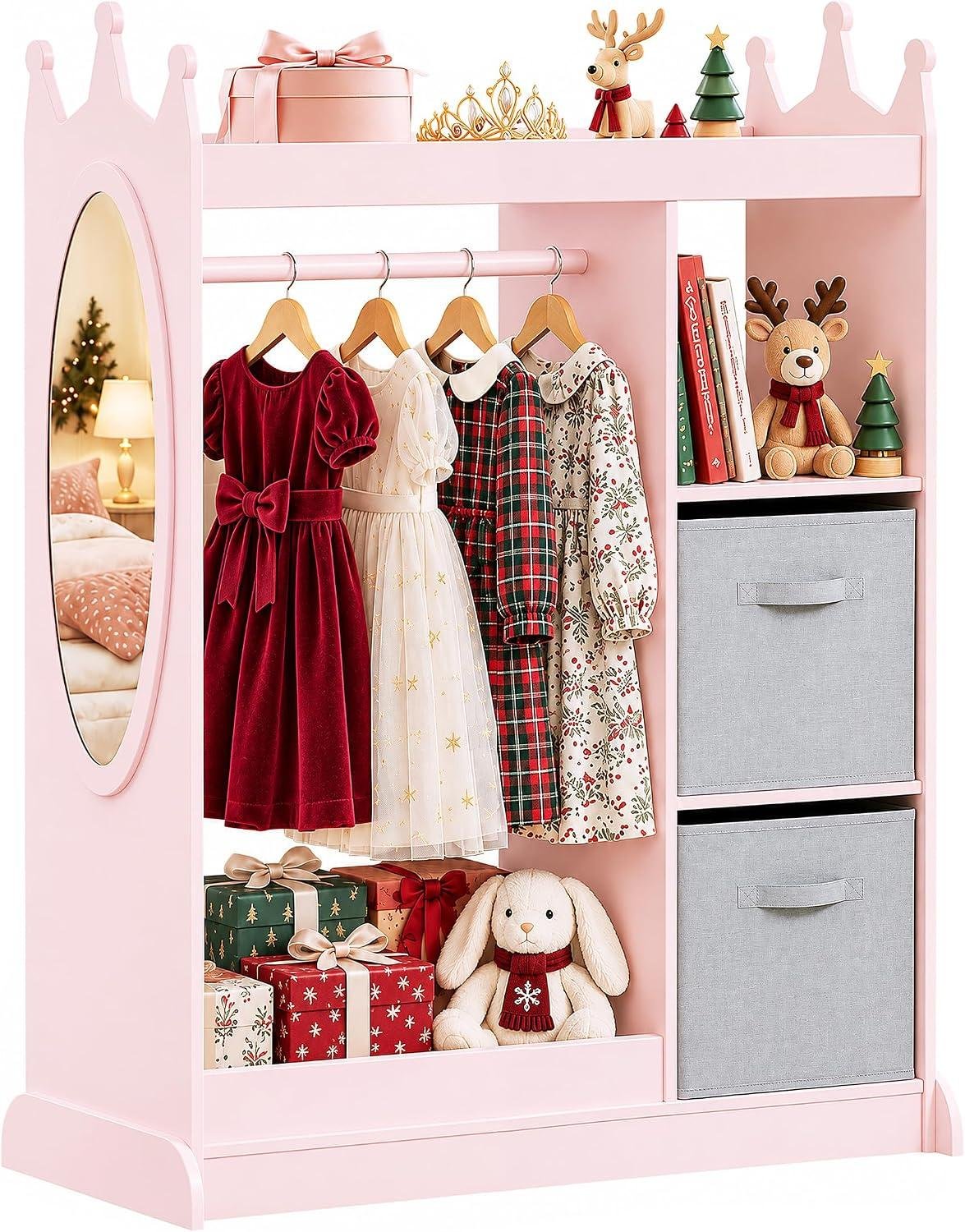
Tool Summary: The UTEX Kids Armoire Wardrobe Closet (33.4″ W x 15.75″ D x 44.5″ H) is an FSC-certified manufactured-wood storage build featuring an acrylic mirror, a dowel hanging rod, three shelves, two fabric bins, top cubby storage, three hooks, and a deep bottom bay for shoes. Customer feedback most often praises the cute appearance, kid-friendly sizing, and generally sturdy feel once assembled, while recurring complaints include difficult assembly for some, paint/chipping and breakage over time, mixed value perceptions, and a strong chemical odor.
Best For: Hobby woodworkers and DIY parents who want a ready-made organization solution for a child’s dress-up area-or as a reference for designing a similar small wardrobe with bins, hooks, and mirror features.
Consider Alternatives If: You need heirloom-grade joinery, daily-use durability, low-VOC/off-gassing, or faster, frustration-free assembly.
Final Assessment: It’s a functional, thoughtfully laid-out storage piece with standout kid-centric features, but durability and odor concerns keep it from being a universal recommendation for demanding shops.
Want to see current pricing and customer photos? View on Amazon & Read More Reviews →