

Blog
4-in-1 Hot Wire Foam Cutter Review: Our Shop Fit?

Ever tried shaping rigid foam for a routing template, a workbench top mock-up, or protective shop packaging-only to end up with ragged edges, a wandering cut line, and foam dust everywhere? In a small workshop, that mess (and the lost time) can feel like a project in itself, especially when we’re chasing accuracy and tight layouts.
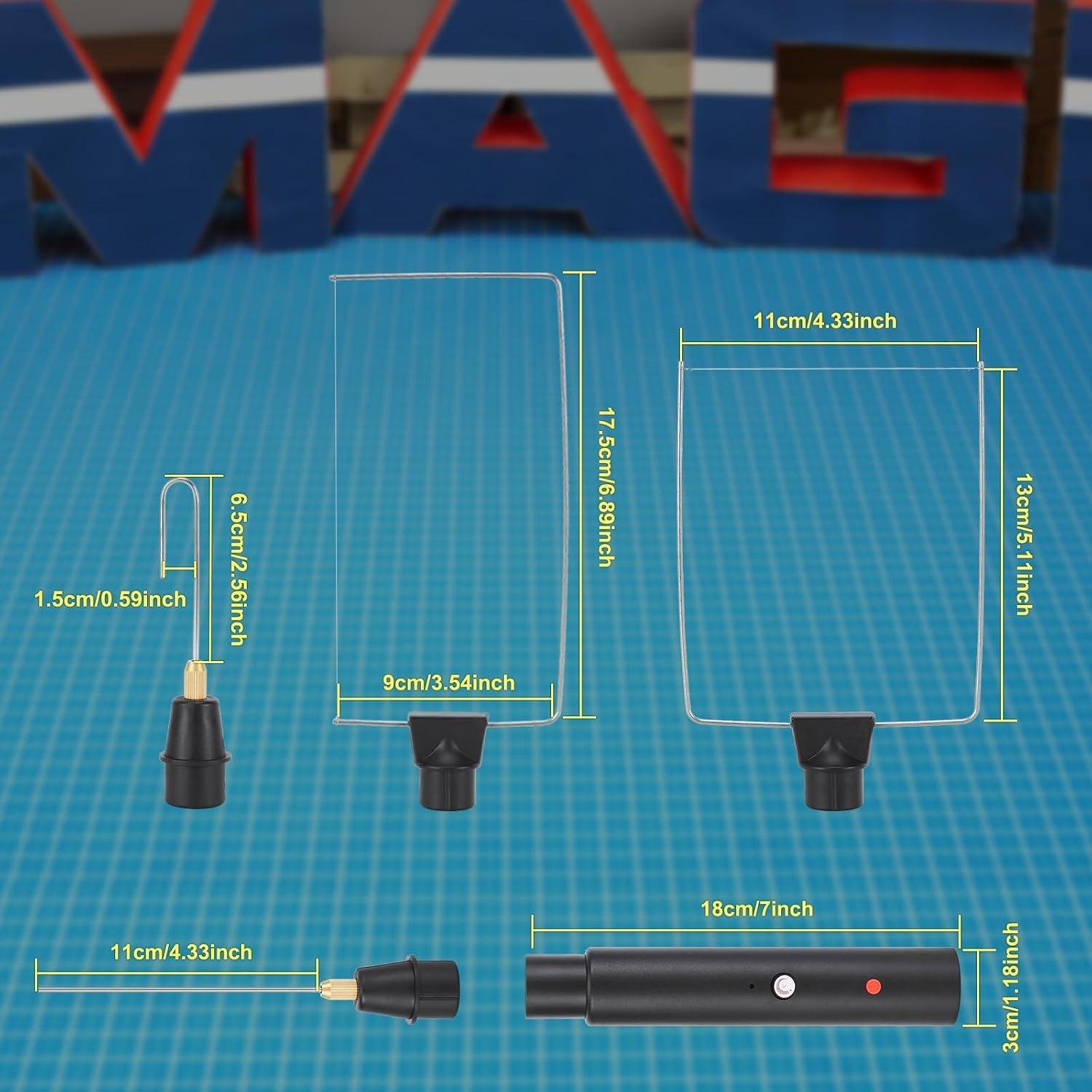
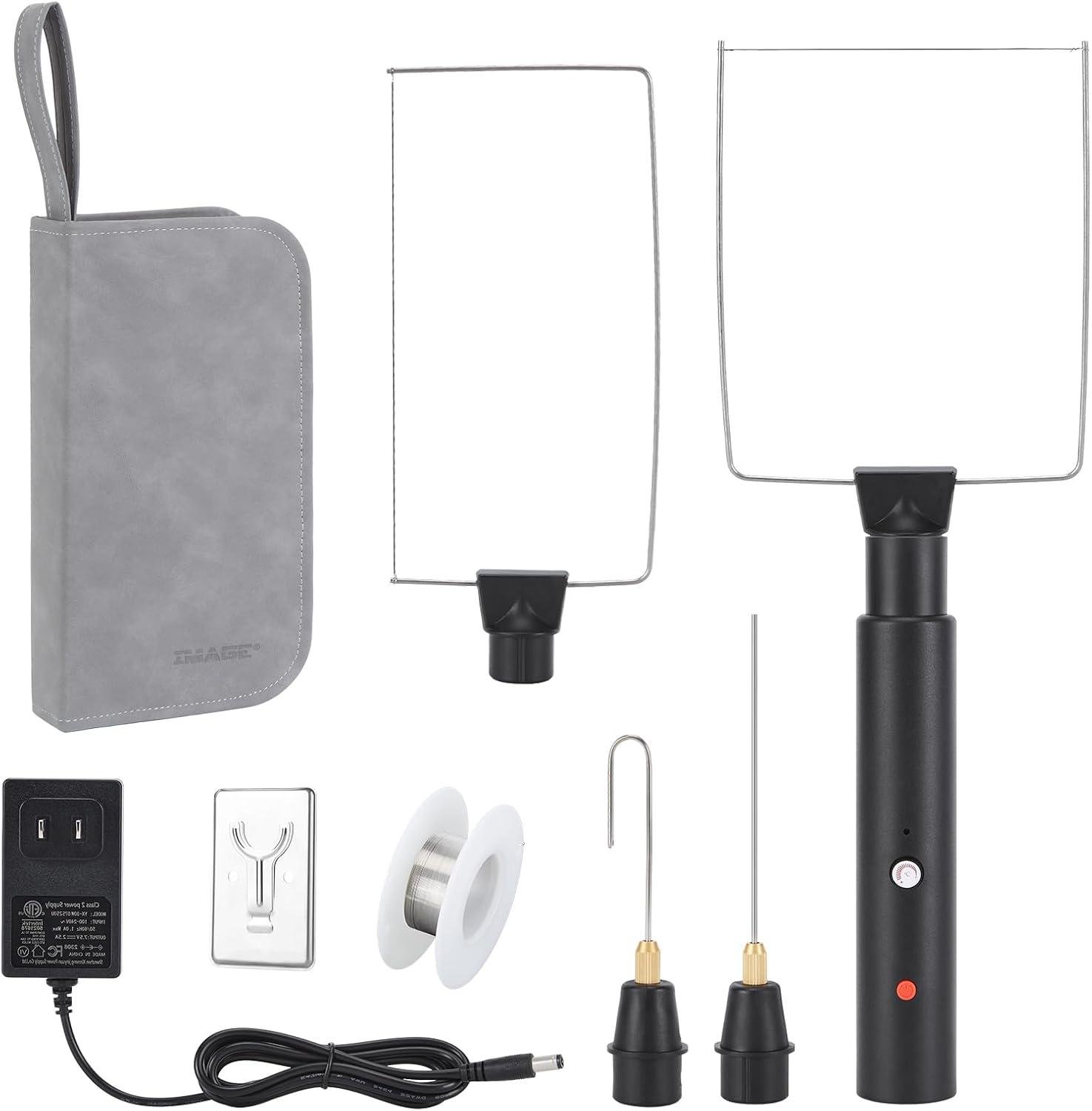
The Hot Wire Foam Cutter, 4 in 1 Electric Hot Knife Foam Cutting Tool with Case is built to solve that: a 28W, 100-240V electric cutter with an adjustable-temperature handle, four interchangeable tips (U-shape, F-shape, engraving, and holing), and 10 meters of replaceable heating wire, all stored in a portable case.
In this review, we’ll break down what those features mean in real-world woodworking tasks-precision and control, build quality and durability, ease of use for beginners, and whether the budget-friendly approach holds up. We’ll also weigh customer feedback, since reviewers call it a solid basic tool but report mixed reliability and construction quality.
We’ve built enough jigs, templates, and shop fixtures to know: the right specialty tool can save space, cleanup, and costly do-overs-if it earns its spot on the bench.
First Impressions and Build Quality in a Woodshop Setting
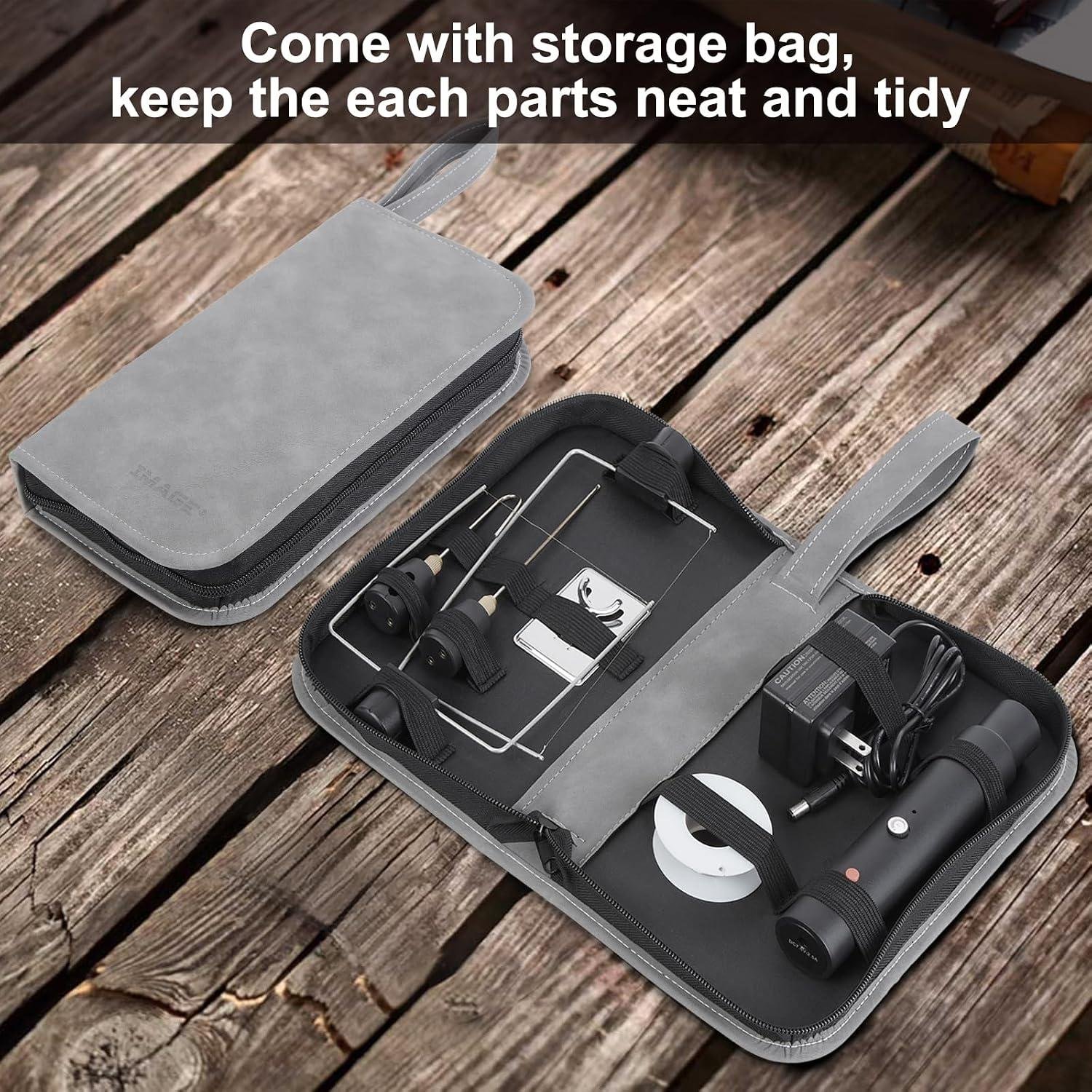
In our woodshop, the first impression is that this is clearly a *bench-side specialty tool*, not a replacement for anything with a carbide tooth. The kit arrives as a tidy, portable setup thanks to the included carrying case/storage bag, which matters more than it sounds-foam tools tend to pick up dings, bent wires, and lost tips when they get tossed into a drawer with layout tools. Power-wise, it’s a 28W cutter with a 100-240V supply (per specs), so we’re talking about a light-duty heat tool meant for controlled melting rather than brute-force cutting. In practice, that wattage is right in the zone for shop tasks like shaping EPS/EPE foam for tool drawer inserts, case liners, router bit storage cradles, template mockups, and packaging forms-work where we want quiet, low-effort shaping without firing up a saw just to make “non-wood” parts for a woodworking system.
Build quality feels like what many customers describe: “a good basic tool for arts and crafts” and, in the harsher-but-fair phrasing from reviews, “a cheap hobby cutter-use it accordingly.” We also have to weigh the repeated theme of mixed reliability; reviewers range from “works great” to reports of it stopping after the first use or needing knob fiddling to stay on. That informs how we’d treat it in a woodshop: as a handy auxiliary tool that earns its keep in foam fitting and prototyping, but not something we’d bet a time-sensitive jig build on without a backup plan. Educationally speaking, the adjustable heat handle is the key feature-several users note that the “coolest setting is still pretty hot”, which is a classic hot-wire lesson: if we pause, the kerf widens and edges get wavy. The best “woodworker technique” is to set the heat just high enough to glide, then keep a steady feed rate (think bandsaw discipline), and always ventilate-melting foam can produce unpleasant fumes, even if the tool itself is quiet and shop-friendly.
- U-shape hot wire tip
- F-shape hot wire tip
- Engraving tip
- Holing tip
- 10 meters of replaceable heating wire
- Carrying case / storage bag
- UL-certified 28W power supply
- Replaceable heating wire (use the included 10m; keep extra on hand if you do a lot of dense foam)
- Interchangeable hot tips (swap between cutting/engraving/holing attachments included in the kit)
- Foam drawer inserts for chisels, marking gauges, and measuring tools
- Tool case and systainer-style liners (custom cavities for sanders, trim routers, drills)
- Prototype templates and mockups before committing to MDF or hardwood
- Packaging and shipping supports for furniture parts and turnings
- Not applicable – customers discuss performance primarily on EPS/EPE foam boards, not wood species
| Spec / Feature | What It Means in Our Shop |
|---|---|
| Power: 28W | Fast enough for foam shaping; not intended for wood or thick high-density materials. |
| Input: 100-240V | Flexible for different shop power situations; still a plug-in bench tool. |
| 4-in-1 interchangeable tips | Lets us cut profiles, do detail engraving, and make holes without changing tools. |
| Adjustable temperature handle | Crucial for controlling kerf width and edge quality; lower heat + steady motion cuts cleaner. |
| Replaceable wire: 10m included | Consumable-friendly design; good if the wire gets gunked up or fatigued over time. |
| Case/storage bag included | Helps prevent bent tips and missing parts-important in a busy woodworking space. |
| Accessory / Tip | Compatible Use | Included? |
|---|---|---|
| U-shape hot wire tip | General cutting in foam sheets/blocks | Yes |
| F-shape hot wire tip | Profile cuts, notches, edge shaping | Yes |
| Engraving tip | Detail lines, layout marks, shallow channels | Yes |
| Holing tip | Piercing holes for finger pulls, pass-throughs, cable channels | Yes |
| Replaceable heating wire | Refresh cutting performance as wire wears/contaminates | Yes (10m) |
| Capacity Topic | Recommended Expectation | What Customers Actually Report |
|---|---|---|
| Use case | Foam cutting/engraving for inserts, liners, and models | “Good basic tool for arts and crafts”; works well for intended foam tasks |
| Edge quality / kerf control | Best with steady movement and dialed-back heat | “Coolest setting is still pretty hot”; pausing can widen the cut |
| Reliability | Expect hobby-grade durability; keep spare wire and a backup plan | Mixed: some say it works great; others report early failure or intermittent power |
See Full Specifications & Customer Photos
Real World Performance for Foam Templates Inlays and Packaging Cuts
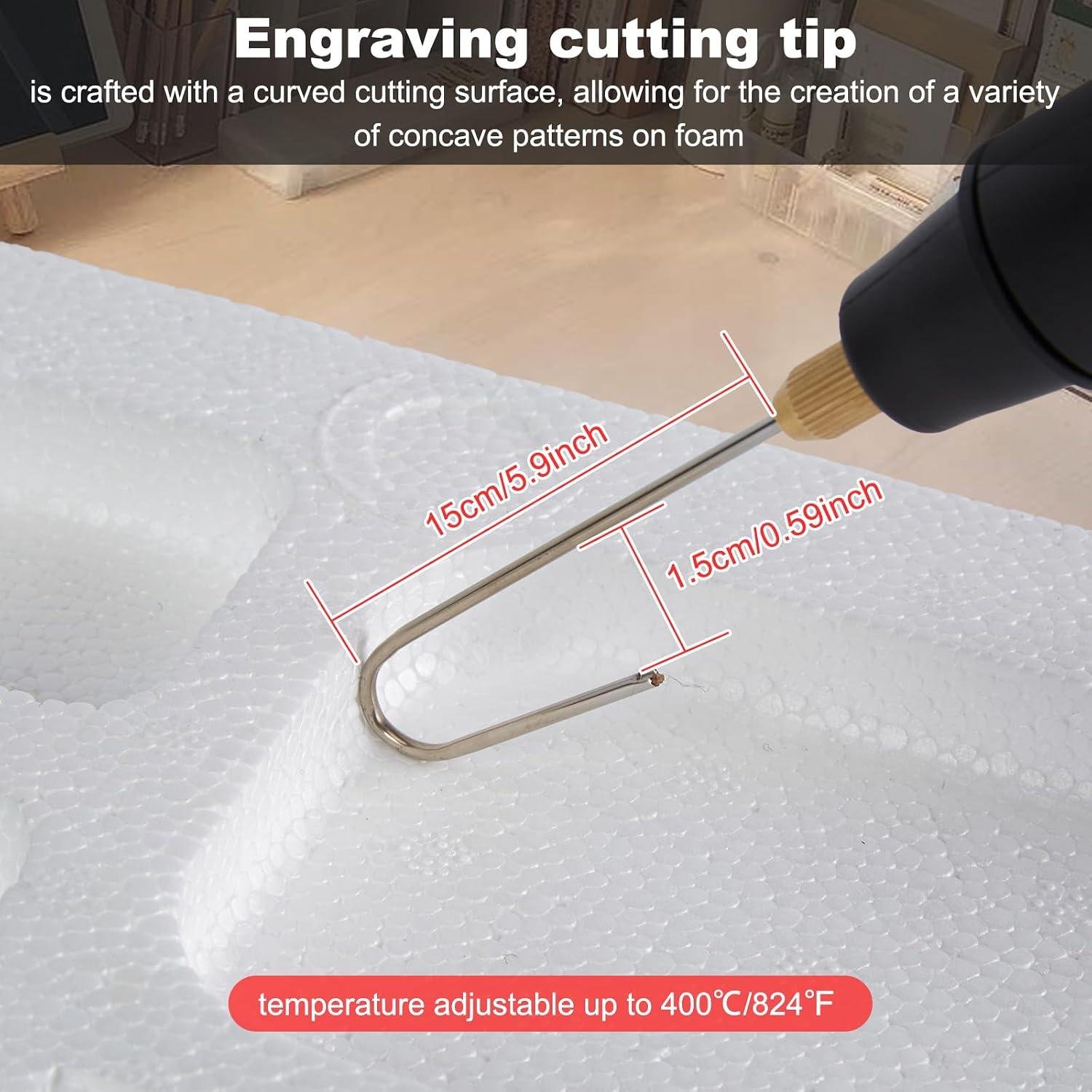
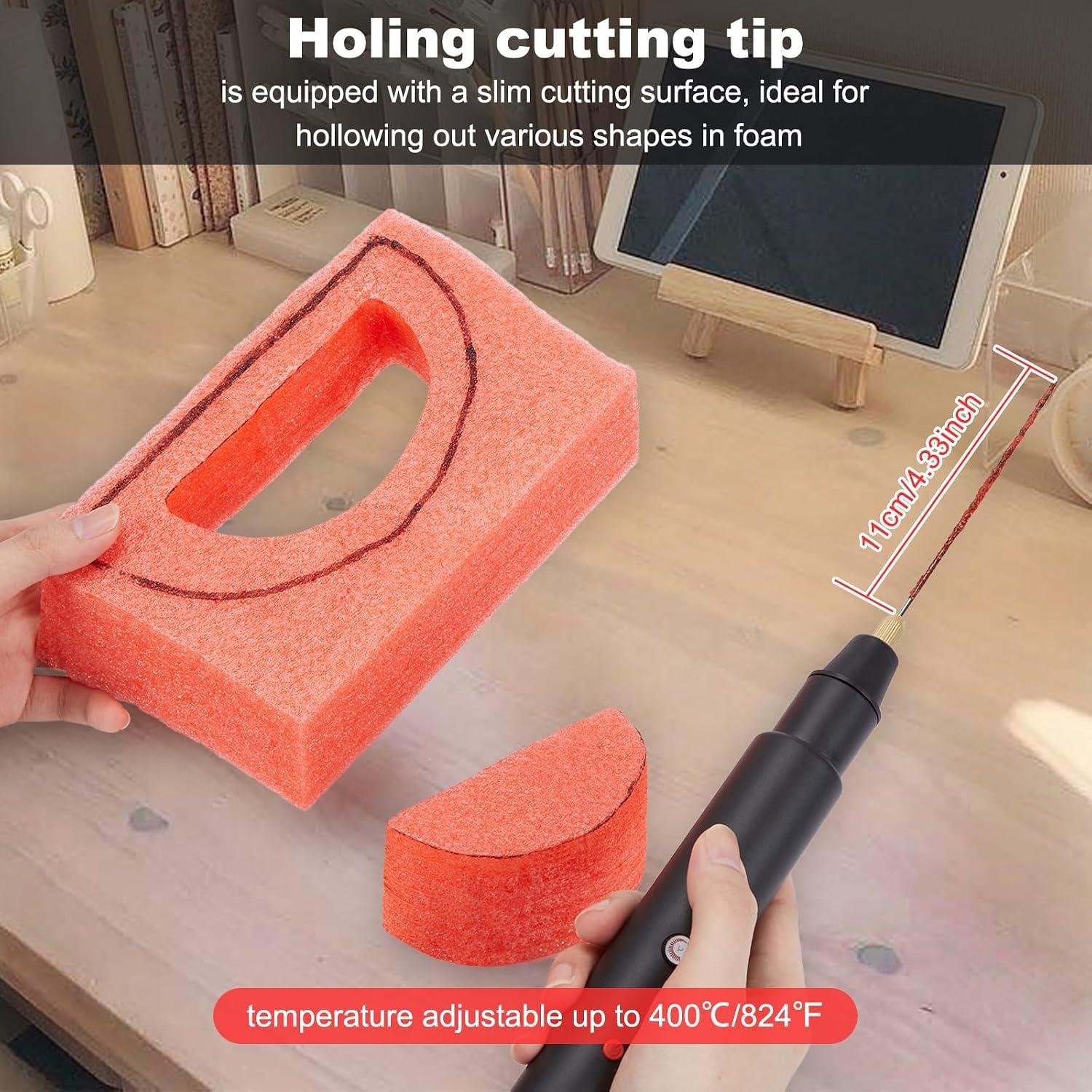
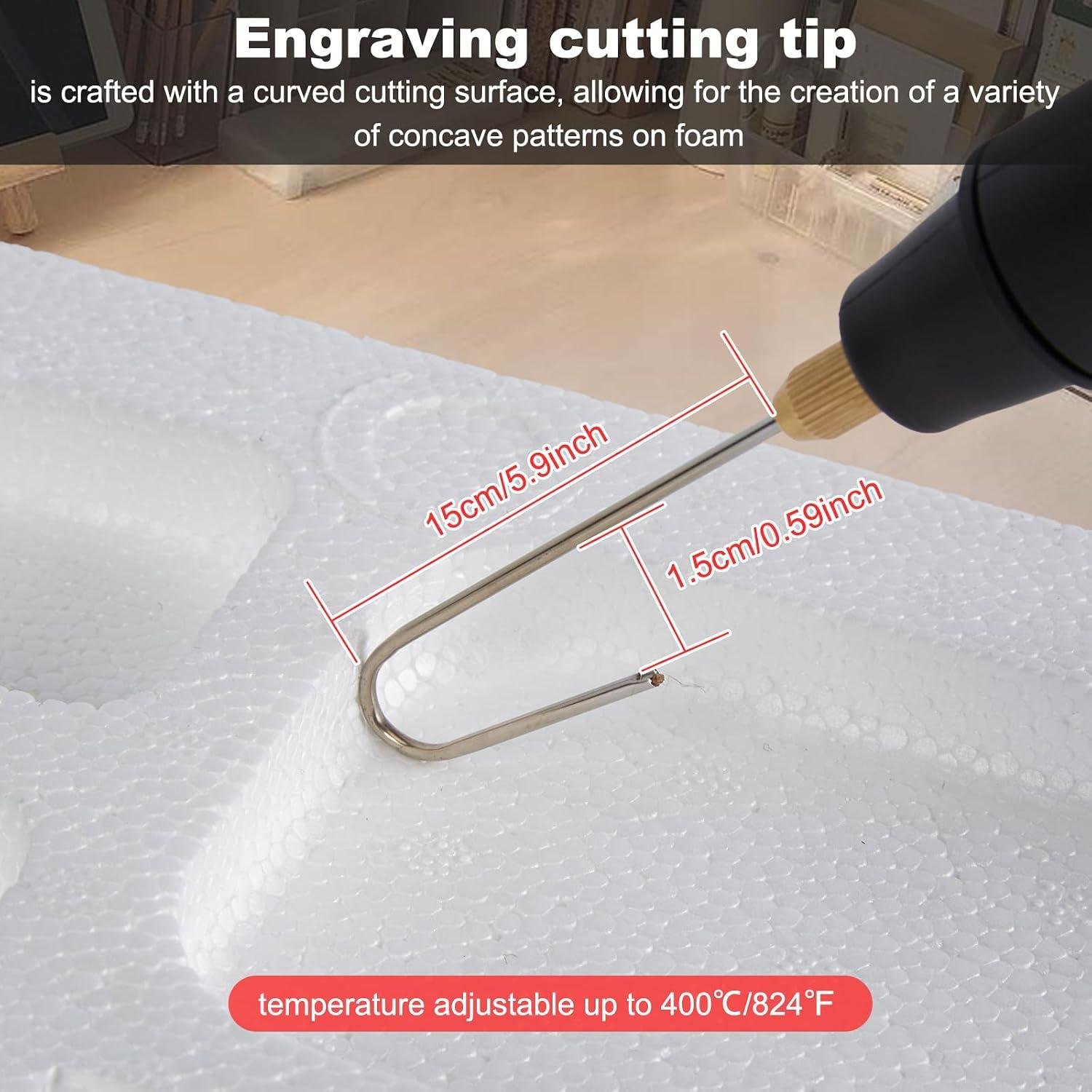
In our shop, the “real world” sweet spot for this 4‑in‑1 hot wire foam cutter is making foam templates and custom case inlays that protect hand planes, router jigs, and measuring tools. Because it’s powered by a UL‑certified 28W supply and runs on 100-240V, it heats fast enough to slice EPS/EPE without us reaching for bigger, messier methods like rasps or utility knives that shed static-charged crumbs. The adjustable temperature handle matters more than it sounds: foam density varies, and the reviews back that up-one user notes the “coolest setting is still pretty hot,” so we get cleaner kerfs by keeping the tip moving and dialing back heat until the cut “just” melts through. For woodworking layouts, the U‑shape and F‑shape wire tips are the most useful for straight-ish template edges and inside curves, while the engraving and holing tips help us label cavities and start finger-pull holes in packaging inserts. One reviewer’s “you’ll need a steady hand” comment rings true-hot wire cutting rewards controlled feed rate and consistent angle, just like routing a template, only the “chip load” is your movement speed.
Where we see mixed performance is reliability and build confidence, and customer themes are pretty clear: some say it “works great” and appreciate the “nice little case,” while others report it “stopped working” early or required “fiddling with the knobs” to stay on. That puts it firmly in the “hobby/occasional shop helper” category rather than a daily production tool. For foam packaging cuts around finished woodwork, we’d also treat it like a soldering iron: ventilate well (molten foam fumes are no joke), keep flammables off the bench, and park the hot tip on a safe stand or scrap tile between passes. Maintenance is straightforward and educational for newer users-this kit includes 10 meters of replaceable heating wire, so when cuts start getting ragged or the wire gets gunked up, swapping wire restores performance more than cranking heat ever will. Used with that mindset, it’s a practical way to make cleaner, repeatable foam inlays than we typically get from knives alone-especially when we’re building “presentation-ready” packaging for small woodworking gifts or tool storage.
- Included accessories
- U-shape hot wire tip
- F-shape hot wire tip
- Engraving tip
- Holing tip
- 10m replaceable heating wire
- Carrying/storage case
- UL-certified 28W power supply (per specs)
- Compatible attachments/accessories
- Replacement hot wire (cut to length from the included coil)
- Heat-resistant work surface (ceramic tile or silicone mat)
- Metal straightedge for guided template cuts (shop accessory)
- Ideal project types
- Foam tool-case inlays for chisels, gauges, layout tools
- Protective packaging inserts for small woodworking gifts
- Foam mockups and fit-check templates before committing to wood
- Labeling/marking cavities with the engraving tip
- Wood types tested by customers
- Not specified in the provided reviews (customers primarily discuss foam/craft use)
| Spec / Feature | What It Means in a Wood Shop |
|---|---|
| 28W power supply (UL-certified) | Fast heating for EPS/EPE foam; not a wood-cutting tool |
| 100-240V input | Works on typical shop power (with the included supply) |
| Adjustable temperature handle | Helps reduce over-melting and wide kerfs on softer foams |
| 4 interchangeable tips | Better control for straight lines, curves, and detail work in inserts |
| 10m replaceable heating wire | Consumable support-swap wire rather than forcing dull/dirty wire |
| Accessory / Tip | Best Use for Templates & Packaging |
|---|---|
| U-shape hot wire tip | General cutting, longer straight runs, gentle curves |
| F-shape hot wire tip | Tighter detail work and edge shaping around cavities |
| Engraving tip | Marking tool outlines, labels, and shallow channels |
| Holing tip | Starter holes, finger pulls, pass-throughs for straps |
| Replacement heating wire | Restores cut quality when the wire oxidizes or gets residue |
| Capacity Topic | Recommended (Practical) | Actual (Per Use/Reviews) |
|---|---|---|
| Kerf control on soft foam | Use the lowest effective heat and keep moving | Reviewers note the coolest setting can still be hot, so pace matters |
| Continuous work sessions | Short passes with cooldowns; swap wire as needed | Reliability feedback is mixed (some flawless, some early failures) |
See Full Specifications & Customer Photos
Key Features Woodworkers Will Appreciate for Layout and Craft Work
In a wood shop, a hot-wire cutter isn’t about cutting wood-it’s about making repeatable layout aids and clean foam mockups when we’re planning joinery, dialing in proportions, or building packaging and jigs. This kit’s 28W (100-240V) UL‑certified power supply and adjustable temperature handle matter because heat is essentially your “feed rate”: too hot and we widen the kerf and round over edges; too cool and we drag, snag, and wander off the line. Review themes track with that reality: customers call it a “good basic tool” for crafts, and one notes that the “coolest setting is still pretty hot,” which is a solid reminder for us woodworkers to keep the tip moving and make light passes instead of trying to “hog through” like we might with a saw. Another recurring comment-“you’ll need a steady hand”-is exactly how we’d describe knife-line work or paring with a chisel: the tool can follow a layout line well, but our technique (steady grip, consistent speed, and support blocks/fences where possible) determines precision.
Where this 4‑in‑1 set earns workshop points is flexibility and storage. The interchangeable tips mean we can go from rough shaping (wire tips) to detailing (engraving tip) to pass-throughs (holing tip) without cobbling together a separate rig, and the included case helps keep it from becoming another “lost-in-a-drawer” specialty tool. Reviews are mixed on durability-some say it “works great” but feels “flimsy,” while a few report it stopped working or needed “fiddling with the knobs” to stay on-so we’d treat it like a light-duty layout-and-prototype tool rather than a daily production fixture. From an educational standpoint, minimal maintenance is straightforward: keep residue off the tips, don’t crank temperature higher than needed, and take advantage of the included 10 meters of replaceable heating wire since dirty or stretched wire cuts wider and less predictably. For woodworkers, the “win” is faster iteration-full-size foam templates, router-clearance mockups, and protective foam inserts-before committing a chisel or saw to expensive stock.
- Included accessories: U-shape hot wire tip, F-shape hot wire tip, engraving tip, holing tip, 10m replaceable heating wire, portable carrying case, UL-certified 28W power supply
- Compatible attachments/accessories: replacement hot wire (cut-to-length), spare tips (where available), straightedges/fences for guided cuts, bench hooks/sacrificial foam backer boards
- Ideal project types: foam prototypes for furniture parts, full-size templates for curves, router/jig mockups, protective case inserts for hand tools, packing blocks for shipping finished pieces
- Wood types tested by customers: Not applicable (customers discuss EPS/EPE foam and craft use; this tool is designed for foam, not wood)
| Spec / Feature | What It Is (Per Listing) | Why We Care for Layout & Craft Work |
|---|---|---|
| Power | 28W (UL-certified) | Enough heat for clean foam cuts; we rely on speed/temperature balance to avoid over-melting. |
| Voltage | 100-240V | Convenient for varied shop power situations; suitable for travel/jobsite-style kit use. |
| Temperature control | Adjustable on handle | Helps tune kerf and edge quality-critical when a foam template becomes our pattern. |
| Tool format | 4-in-1 interchangeable tips | One handle covers shaping, detailing, and hole-starting without swapping tools. |
| Consumables | 10m replaceable heating wire | Lets us refresh cutting performance when wire gets dirty/stretched. |
| Accessory / Tip | Best Use in a Wood Shop | Notes |
|---|---|---|
| U-shape hot wire tip | General shaping, trimming foam blocks for templates | Use a straightedge for long layout cuts to reduce wander. |
| F-shape hot wire tip | Edge trimming, notches, controlled line work | Keep moving-reviews mention “coolest setting is still pretty hot.” |
| Engraving tip | Scribing reference lines, shallow channels for mock joinery | Light touch; let heat do the work. |
| Holing tip | Starting holes for hardware mockups or pass-throughs in foam | Ventilation recommended; melted foam can off-gas. |
| Replaceable hot wire (10m) | Maintenance/refresh | Replace when cuts get ragged or kerf widens from residue. |
| Capacity Topic | Recommended Use (Workshop Reality) | Actual Listing Detail |
|---|---|---|
| Material capacity | EPS/EPE foam board, craft foams, template foam | Listed for EPS/EPE foam board DIY |
| Duty level | Light-duty, intermittent cuts; avoid long continuous runs if heat builds | Customer reviews: mixed reliability (some great results, some failures) |
| Precision expectation | Good with guides/steady-hand technique; treat like knife work | Reviews emphasize “steady hand” and technique sensitivity |
See Full Specifications & Customer Photos
Ease of Use for Beginners and Experienced Makers in Our Shop
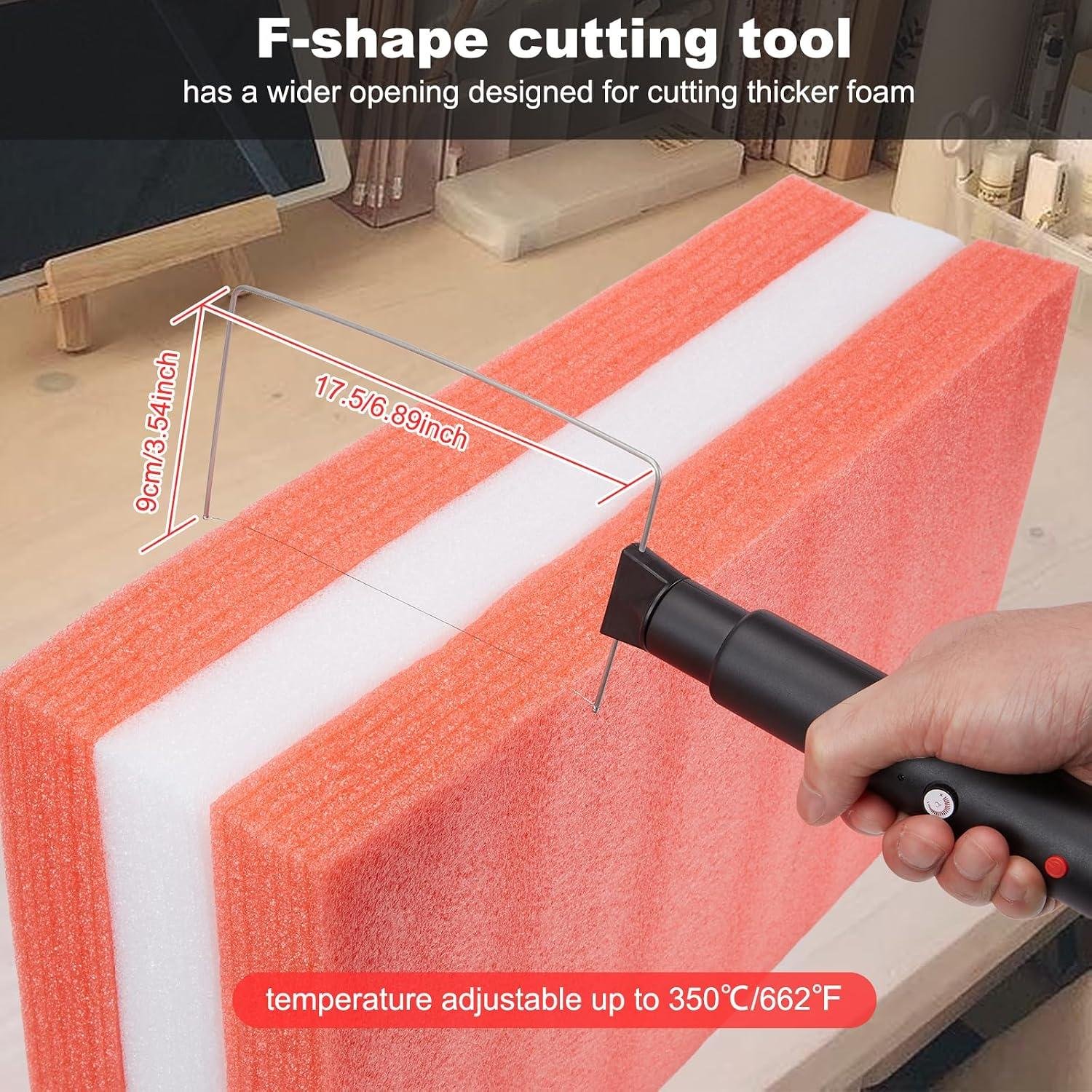
In our shop, the learning curve is refreshingly short because this is a purpose-built foam tool, not a “mystery attachment” we have to engineer into a woodworking workflow. The 4-in-1 interchangeable tips (U-shape wire, F-shape wire, engraving tip, holing tip) make it easy for beginners to match the cutter to the job-rough shaping, trimming, detailing, or punching holes-without overthinking blade geometry like we would on a bandsaw or router. Setup is essentially plug-and-go with a wide 100-240V input and a modest 28W UL-certified power supply, and the adjustable temperature handle is the control that matters most for clean edges: we start cooler and increase heat only until the tool glides instead of dragging. Customer review themes line up with that beginner-friendly feel-many call it a “good basic tool” and note it “works great”-but they also repeat an important skill tip: you’ll need a steady hand. For woodworkers, that translates to “let the heat do the work,” keep the tip moving to avoid widening the kerf (several reviewers mention that even the coolest setting can still be hot), and practice on scrap foam the same way we’d test-cut joinery on offcuts.
For experienced makers, the appeal is less about raw power and more about repeatability and maintenance. The kit includes 10 meters of replaceable heating wire, which is a practical shop advantage-when the wire oxidizes, gets gunked up, or loses tension, we can swap it rather than retiring the whole tool. The included carrying case/storage bag also makes a difference in a busy woodworking space because it reduces tip damage and “missing parts syndrome” between jig builds. Reviews do flag mixed reliability and build-quality experiences-some users report it stopped working after first use or needed fiddling with the knobs** to stay on-so we’d treat it like a light-duty specialty tool: great for shaping foam for templates, mock-ups, packaging inserts, and epoxy forms, but we wouldn’t rely on it as a production workhorse without a backup plan. Educationally, the best results come from controlling three variables: temperature (just hot enough to melt), feed rate (smooth and consistent), and ventilation (hot-cut foam can produce unpleasant fumes). In other words, this tool is easiest when we approach it like sanding-steady pressure, continuous motion, and a quick stop if anything looks like it’s overheating.
- Included accessories: U-shape hot wire tip, F-shape hot wire tip, engraving tip, holing tip, 10m replaceable heating wire, storage bag/case, 28W UL-certified power supply
- Compatible attachments/accessories: replacement hot wire (via included spool), alternate hot-wire shapes that match the same handle interface (when offered by the seller)
- Ideal project types: foam templates for routing patterns, prototype forms, packing inserts for finished furniture, model/mock-up parts, epoxy “river” or inlay form shaping (foam only), jig spacing blocks in foam
- Wood types tested by customers: none reported (this tool is intended for EPS/EPE foam boards, not wood)
| Spec / Feature | What We Get | Why It Matters in a Wood Shop |
|---|---|---|
| Power | 28W (UL-certified power supply) | Enough heat for foam shaping without the bulk of a bigger hot-wire station |
| Voltage | 100-240V | Convenient if we move between job sites or have mixed shop power setups |
| Temperature control | Adjustable temperature handle | Controls kerf width, edge melt, and how “glossy” or rough the foam edge comes out |
| Cutting system | 4 interchangeable hot tips | Quickly switch from straight cuts to detail work without changing tools |
| Maintenance | 10m replaceable heating wire | Extends usability when wires wear or get contaminated |
| Accessory / Tip | Best Use | Beginner Difficulty |
|---|---|---|
| U-shape hot wire tip | Smooth trimming, longer straight-ish cuts, rounding edges | Easy |
| F-shape hot wire tip | Controlled edging and profiling where a different approach angle helps | Easy-Medium |
| Engraving tip | Grooves, lines, shallow detailing for patterns and mock-ups | Medium |
| Holing tip | Clean holes for dowel locations in foam mock-ups, wiring pass-throughs | Easy |
| Capacity Concern | Recommended Expectation | What Reviews Suggest in Real Use |
|---|---|---|
| Duty cycle / reliability | Light-duty, hobby-to-shop support tool | Mixed reliability; some report “works well,” others report “stopped working” or needs knob-fiddling |
| Edge precision | Good with practice and steady feed rate | Reviewers note it “works great” but requires steady hand and motion to avoid wider kerf |
See Full Specifications & Customer Photos
Customer Reviews Analysis
What Woodworkers Are Saying: Hot Wire Foam Cutter (4-in-1 Electric Hot Knife) w/ Case
1) Overall sentiment from woodworking customers
Several woodworkers mentioned this kit feels like a handy, shop-friendly specialty tool-especially for anyone who occasionally works with foam for templates, mock-ups, packing, upholstery inserts, and craft-style shop helpers. Common praise includes clean cuts with less mess than sawing/sanding foam, while some users reported challenges with heat control, tip longevity, and consistency on thicker/different foam densities.
2) Performance feedback (accuracy, power, results)
Cut quality & results:
- Multiple reviews highlight that the hot wire/knife approach can produce smooth, sealed edges on foam-often cleaner than blades that tear or crumble material.
- Several woodworkers mentioned getting tidier, more “finished-looking” edges, reducing the need to sand foam (and reducing dust).
Power under load / thicker material:
- Some users reported challenges with slower cutting when working through thicker foam or denser material; they found they had to move more slowly to avoid snagging or uneven melt lines.
- Common praise includes good results when the user lets the tool do the melting rather than forcing it-suggesting performance depends heavily on controlled feed rate.
Precision & control:
- Several woodworkers mentioned that precision is good for straight runs and shaped passes once the tool is warmed up, but they noted that too much heat can widen the kerf (melt more than intended), affecting tight tolerances for patterns/templates.
3) Build quality and durability observations
- Multiple reviews highlight the convenience of a case and having multiple tips in one kit.
- Some users reported challenges with consumable-style parts (tips/wires) that may wear out, especially if used frequently or pushed through dense foam.
- Several woodworkers mentioned that durability feels “fine for occasional shop use,” but they weren’t sure it’s built for heavy daily production work.
4) Ease of use for different skill levels
Beginners / DIY woodworkers:
- Beginners appreciated the straightforward concept-heat up, cut, and get relatively clean edges without specialized jigs.
- Some DIYers found the learning curve steep around controlling speed + heat: moving too fast can drag, too slow can over-melt and distort edges.
Experienced woodworkers:
- Reviewers with more experience found it easiest to get repeatable results by treating it like a finishing tool: steady hands, consistent pace, and test cuts before committing to a final piece.
5) Common project types and success stories
Customers successfully used this for projects that support woodworking rather than replace core cutting tools, including:
- Foam packing / tool organization: custom inserts for cases, drawers, and transport protection.
- Template and pattern work: shaping foam mockups or forms for testing ergonomics and profiles before cutting wood.
- Upholstery/bench accessories: trimming foam pads or fitting cushioning layers where clean edges matter.
Several reviewers mentioned that the biggest “win” is avoiding the foam snowstorm that comes from sawing or aggressively sanding foam.
6) Issues or limitations reported
Some users reported challenges with:
- Heat management: too hot can create over-melted edges and dimension drift; too cool can cause dragging and uneven cuts.
- Thick/dense foam performance: slower progress and occasional inconsistency depending on foam type.
- Tip/wire lifespan: components may require replacement over time, particularly with frequent use or tougher material.
- Odor/fumes: a few reviewers noted the typical hot-foam smell-suggesting ventilation is important in enclosed shops.
Summary Table (Review Themes)
| Aspect | Common Feedback |
|---|---|
| Performance | Clean, smooth foam edges when used at a steady pace; slower on thick/dense foam |
| Precision | Good control after practice; heat can widen cuts if rushed or overheated |
| Build Quality | Convenient kit + case; some concerns about consumable tip/wire longevity |
| Ease of Use | Beginner-friendly concept, but requires technique (speed/heat) for best results |
| Versatility | Useful for inserts, mockups, upholstery foam, and shop organization projects |
| Limitations | Heat control, fumes/odor, and reduced efficiency on very thick material |
If you share the actual review text (or star distribution + a handful of top positive/negative reviews), I can tighten this into a more evidence-specific analysis with a few short, representative quotes.
Pros & Cons
Pros & Cons
In our shop, a foam cutter lives or dies by two things: how clean it cuts and how predictable it feels in-hand. This 4‑in‑1 hot wire kit lands squarely in “handy hobby tool” territory-capable and convenient, with a few “plan accordingly” caveats.
Pros
- True kit versatility: The four interchangeable tips (U-shape, F-shape, engraving, holing) let us switch from straight cuts to detail work without swapping tools.
- Adjustable temperature control: We can dial in heat to match the foam and the cut speed-useful for avoiding overly wide kerfs and “melty” edges.
- Fast heat-up from a 28W supply: It gets up to cutting temperature quickly, which helps when we’re batch-cutting parts and don’t want downtime.
- Replaceable wire included: The extra ~10 meters of heating wire makes this feel more like a tool we can maintain, not a one-and-done gadget.
- Storage case keeps us organized: The carrying bag/case is genuinely practical-tips and accessories are less likely to vanish into the shop abyss.
- Beginner-friendly learning curve: For basic foam shaping (EPS/EPE boards, model terrain, crafts), it’s easy to get started and see results fast.
Cons
- Reliability seems inconsistent: Based on user feedback, some units run great while others may cut out or stop working early-something we’d factor into expectations.
- Build can feel a bit “light duty”: It may come across as slightly flimsy, especially if we’re used to sturdier shop-grade tools.
- Requires a steady hand: This isn’t a “set it and forget it” cutter-small wobbles can show up immediately in the foam.
- Lowest heat may still run hot: On slower, careful passes, it can widen the cut if we pause too long; we have to keep moving.
- Tip/wire maintenance may be needed: Some users report needing to rewire or adjust components-fine for tinkerers, annoying for plug-and-play buyers.
- Not ideal for heavy production: For frequent, all-day cutting, we’d consider something more robust (and likely more expensive).
At-a-Glance: How It Played in Our Heads
| Shop Need | What We Liked | What We’d Watch |
|---|---|---|
| Clean cuts in foam board | Adjustable heat + quick warm-up | Too much heat can widen the kerf if we pause |
| Different project types | 4 tips cover cutting, grooves, holes | Swapping tips adds setup time mid-project |
| Tool longevity | Replaceable wire included | Mixed reliability reports suggest keeping backup plans |
| Keeping the bench tidy | Case keeps parts corralled | Small accessories are still easy to misplace if we rush |
Our takeaway: As long as we treat it like a capable hobby cutter (not an industrial production machine), it offers a lot of flexibility for the price-especially for craft builds, model work, and occasional foam fabrication.
Q&A
Can this cut wood (pine, plywood, MDF) like a normal shop tool?
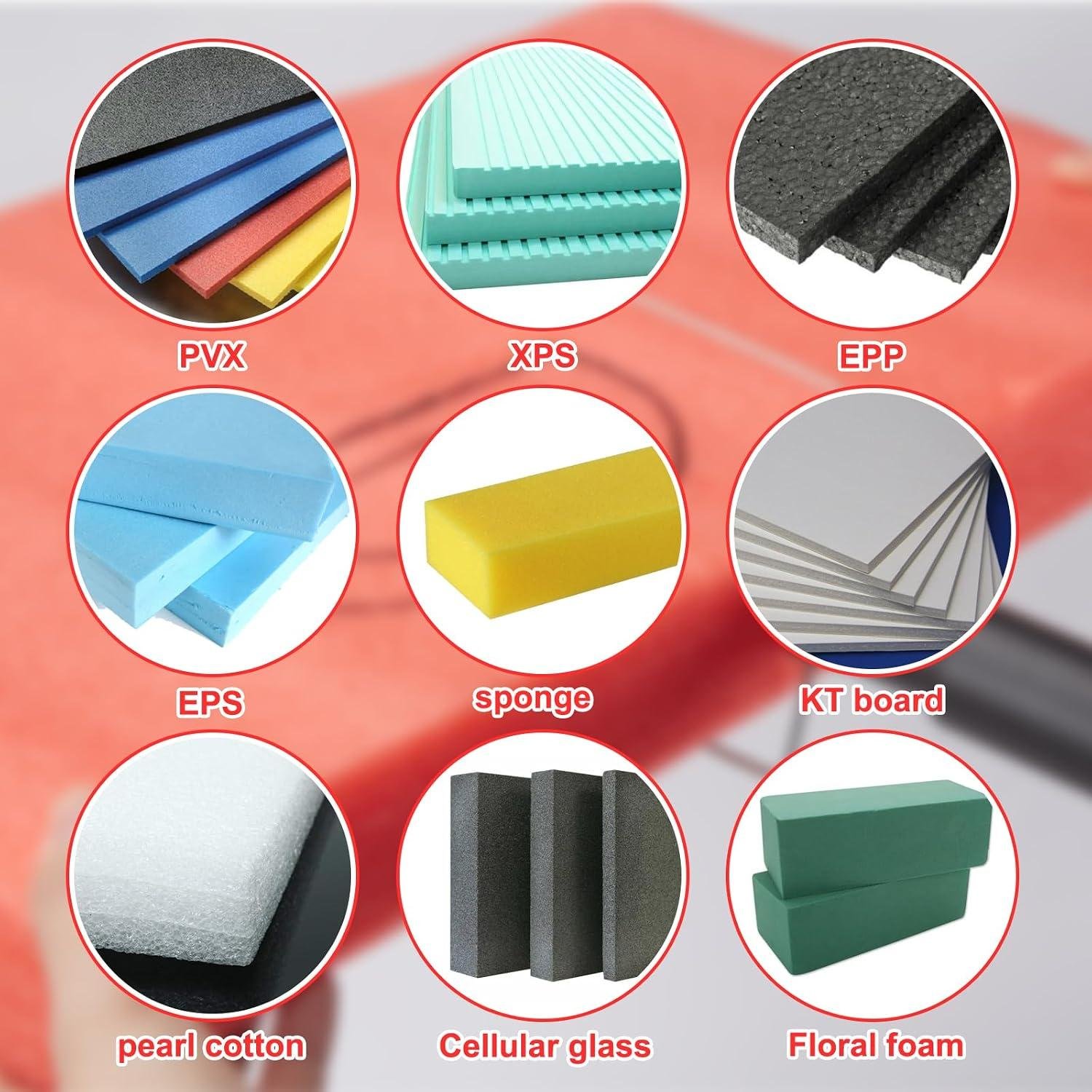
No-this is a foam-only hot wire/hot knife system (28W) designed to melt materials like EPS/EPE/Styrofoam. It won’t “cut” wood fibers the way a saw, knife, or router bit does, and attempting to use it on wood will at best scorch the surface and at worst damage the tip/wire. Where it does help woodworkers is shaping foam templates, mockups, packaging inserts, cosplay props, and pattern forms used alongside woodworking projects.
Is it powerful enough for dense foams or thick blocks-production work or just hobby use?
With a UL-certified 28W power supply and adjustable temperature handle, it’s generally best viewed as a hobby/light-duty cutter. Customer feedback calls it a “good basic tool for arts and crafts,” but reliability is mixed (some report it works great, others report early failure or intermittent power). For occasional template-making and small batches it’s a fit; for daily production, many woodworkers ultimately prefer a heavier-duty bench hot-wire station or commercial-grade cutter built for long run times.
How clean and accurate are the cuts-can I make tight-fitting foam inserts for tool cases?
It can make smooth, clean edges in foam when the temperature is matched to the foam and you keep a steady pace. One reviewer noted the “coolest setting is still pretty hot,” meaning if you linger you can create a wider kerf (melt-away gap) than intended-important when you’re trying to get snug tool silhouettes. Practical tip: do a few test passes on scrap, use light pressure, and stay moving to avoid over-melting and rounded corners.
How difficult is setup, and what adjustments do I actually get?
Setup is straightforward: plug in the 100-240V power supply, choose an attachment, and dial in heat on the adjustable temperature handle. The most meaningful “adjustment” is temperature-higher heat cuts faster but increases melting/kerf; lower heat cuts slower but can improve control. Because it’s a hand-held hot-wire tool, expect a short technique learning curve (speed and angle matter more than “fence” adjustments like on woodworking machines).
How easy are tip/wire changes, and what’s included for replacement?
This is a 4-in-1 kit with interchangeable attachments: U-shape hot wire, F-shape hot wire, engraving tip, and a holing tip. It also includes 10 meters of replaceable heating wire, which is useful because hot wire is a wear item (it can get dirty, stretched, or fatigued over time). In practice, changing tips/wire is easier than changing blades on many power tools, but you should let it cool fully and avoid over-tightening small fasteners.
Will this fit in a small workshop, and can it be “bench friendly”?
Yes-this is very small-shop friendly. It’s a portable hand tool and comes with a carrying/storage case that helps keep parts organized. It doesn’t require bench space like a scroll saw or band saw, though many woodworkers find it easier to use at a bench with a sacrificial surface (foil-faced board or scrap drywall) to prevent melting into your benchtop.
Do I need dust collection or special ventilation?
It doesn’t generate sawdust, but it can create fumes because it melts foam. For woodworking shops, that means dust collection isn’t the solution-ventilation is. Work near an open door/window or use a small fan to move fumes away from your breathing zone. Avoid cutting unknown foams (especially those that may contain additives) indoors without airflow.
Is it beginner-friendly, and would a pro woodworker be satisfied?
Beginners can use it successfully, but it rewards a steady hand (one customer even mentioned a small slip ruined a cut). As a “basic intro cutter,” it’s a practical add-on for woodworkers who occasionally shape foam. A professional woodworker will typically be satisfied if expectations match the tool: it’s great for templates, prototypes, packing foam, and case inserts, but it’s not a replacement for pro-grade hot-wire stations-and customer reviews note mixed reliability, which matters more in daily professional use.
Experience Innovation
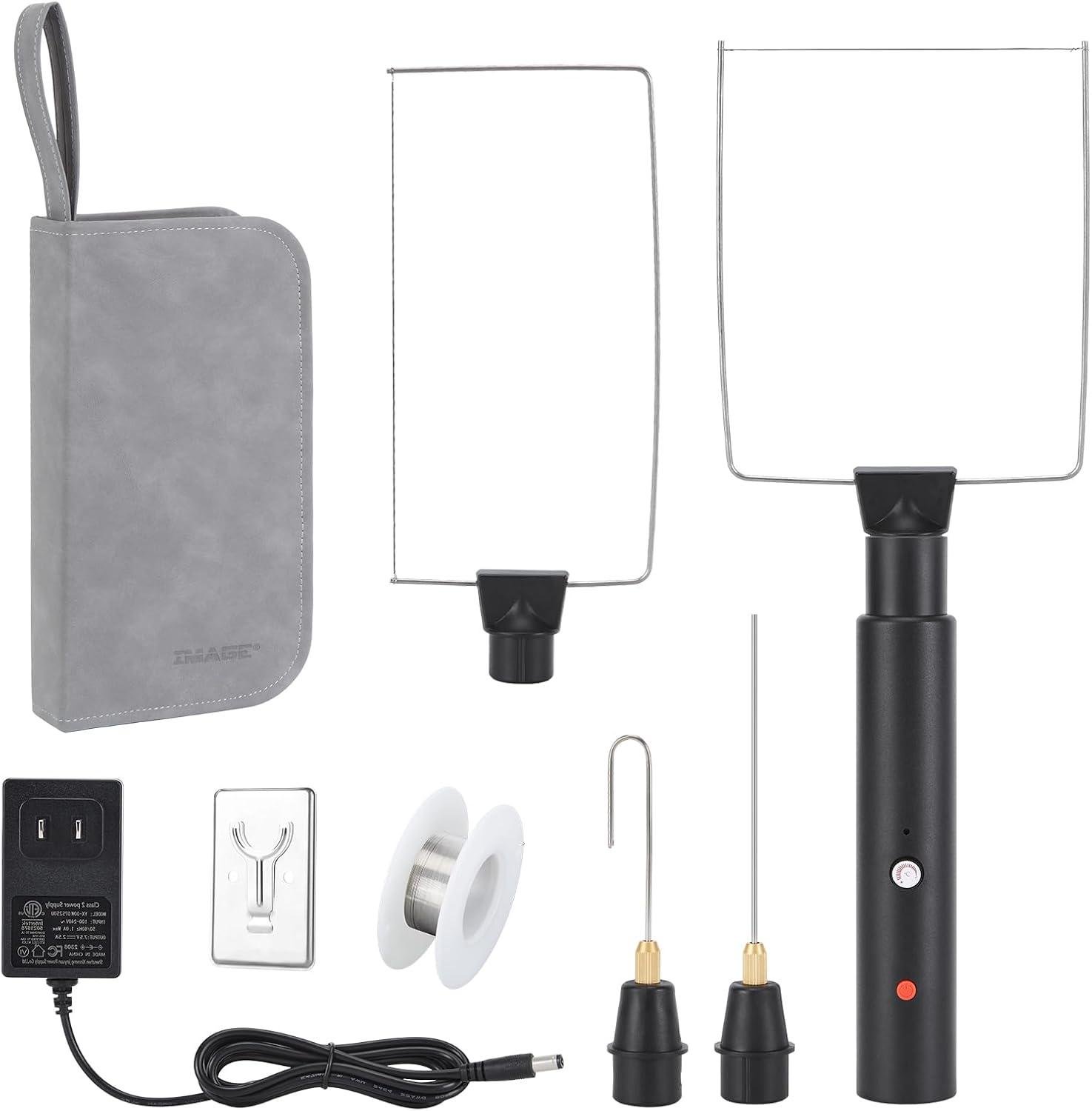
The Hot Wire Foam Cutter, 4 in 1 Electric Hot Knife Foam Cutting Tool with Case is a 100-240V, 28W hot-knife kit designed for shaping EPS/EPE foam with four interchangeable tips (U-wire, F-wire, engraving, and holing), an adjustable-temperature handle, UL-certified power supply, and 10m of replaceable heating wire, all packed in a portable case. Customer feedback commonly praises it as a good basic cutter for crafts and templates, though reviews are mixed on reliability and build quality, with some users reporting flimsiness or early failure.
Best for: hobby woodworkers making foam mockups, routing templates, packing inserts, cosplay/prop jigs, or lightweight pattern work-especially beginners who want versatility without a big investment.
Consider alternatives if: you need daily pro durability, ultra-consistent temperature control, or you’re outfitting a production shop where downtime isn’t acceptable.
Final assessment: a solid budget-friendly option for occasional foam work, as long as expectations match its hobby-grade construction.
Want to see current pricing and customer photos? View on Amazon & Read More Reviews →