

Blog
NUTIKAS Desk Shelf Organizer Review: Right for Our Shop?

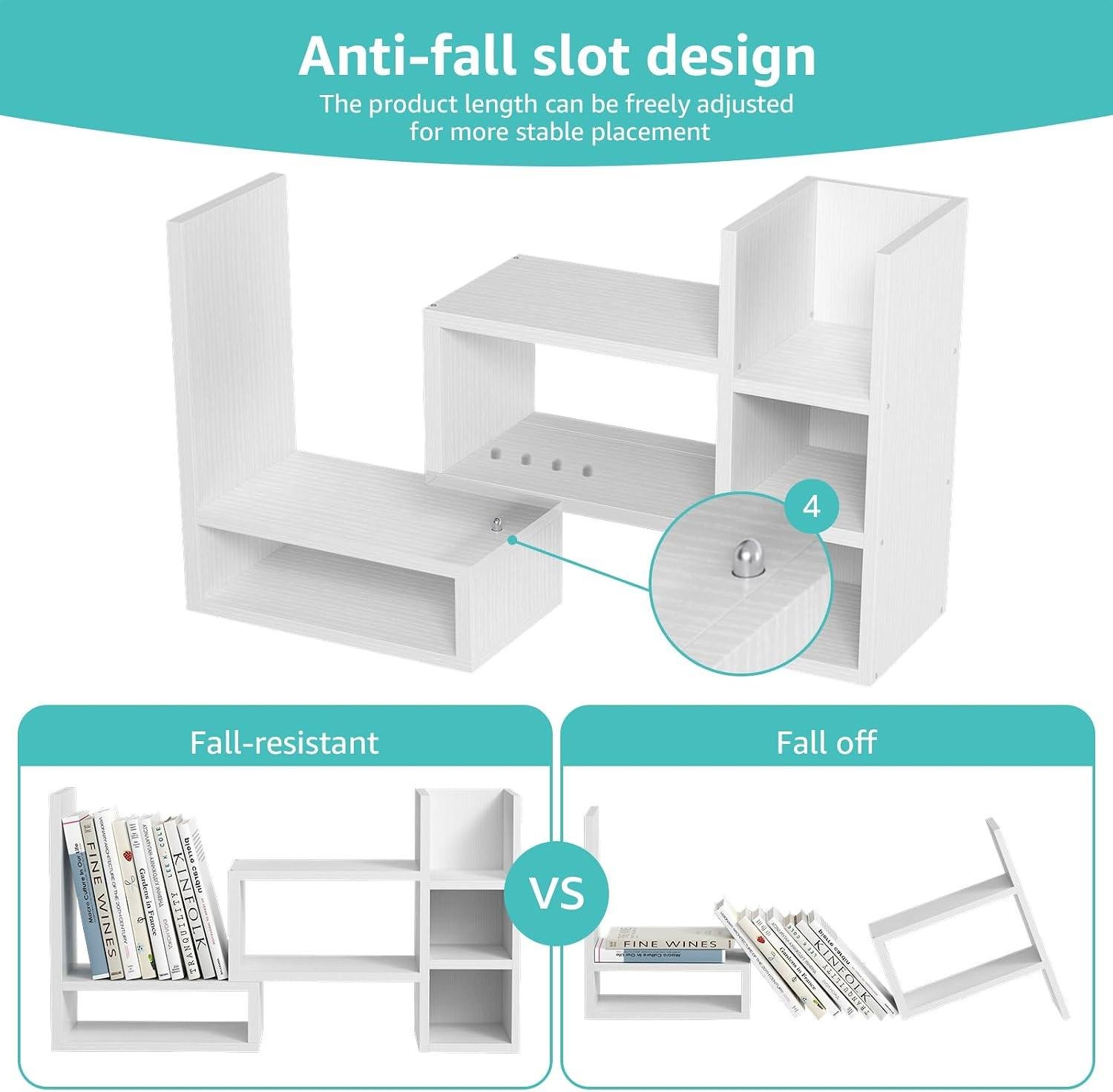
Ever tried laying out joinery plans or sharpening notes on a bench that’s buried under pencils, clamps, and offcuts? In a small shop, clutter isn’t just annoying—it’s a precision problem. When our measuring tools and project references disappear under piles, accuracy suffers and time gets wasted hunting for the one item we need.
The NUTIKAS Desk Shelves desktop Organizer Shelf is a white, multi-level tabletop hutch designed to add vertical storage without eating up valuable work surface. It’s adjustable from 16.2″ to 27.8″ wide, stands 13.8″ high, and can be configured straight or as an L-shape corner setup by combining units—handy for tight workshop offices or CAD/plan-review corners.
in this review, we’ll break down the build features (including anti-fall locking bolts), ease of assembly (there’s a QR-code installation video), and whether the adjustable design feels practical for beginners and seasoned makers alike.We’ll also weigh budget vs. build quality, including the manual’s warning not to overtighten screws to avoid cracking panels—something customers frequently mention in organizer-style furniture.
We’ve built enough shop fixtures to know that good association is a tool in itself.
First Impressions and Build Quality on a Busy Bench

On a busy bench, our first impression of the NUTIKAS desk shelf was that it’s less a “tool” and more a lightweight workstation accessory—but the kind that can genuinely reduce clutter around layout work, sharpening stations, and small-hardware sorting. The footprint is compact at 6.7″D, and the height stays reasonable at 13.8″H, so it doesn’t tower over a cutting mat or block task lighting the way some desktop hutches do. Where it earns workshop points is the adjustable span: 16.2″ to 27.8″ wide lets us set it tight over a small worktable or open it up to bridge a wider assembly surface, and the integrated 3-shelf layout is handy for keeping marking tools, glue bottles, and fasteners separated by task. The product description calls out anti-fall locking bolts, and that matters in a shop—vibration from benchtop sanders or an impact driver on the next table can walk flimsy organizers out of square if thay don’t have a positive lock.
Build-quality wise, we treated it the way we’d treat any flat-pack panel product in the shop: keep the screws snug, but not “gorilla tight.” The manual’s warning to avoid overtightening the screws (risk of cracking the panel surface) is a real-world clue about the material and fastener bite; as woodworkers, we’d advise using a hand screwdriver for final tension rather than a drill/driver, especially if you’re assembling it on a bench where you’re tempted to speed through. The inclusion of an installation guide video via QR code is also practical—setup tends to be where these organizers win or lose users, and clear sequencing helps prevent racking the panels. In use, a shelf like this is best thought of as a “clean zone” accessory: store pencils, knives (capped), and small squares up top, and keep heavier items (like a benchtop vise handle or a full box of screws) off the higher shelves to reduce tipping loads—especially if you expand it to the full width or configure it as a corner desk shelf by pairing units in an L-shape.
- Included accessories: Installation manual with QR-code video; anti-fall locking bolts (per product description)
- Compatible attachments/accessories: Second matching shelf unit for L-shape corner setup; small parts bins; pen/knife cups; label tape for shelf zones
- Ideal project types: Hardware sorting for cabinet installs; keeping layout tools near a glue-up station; organizing sanding grits and marking supplies at a small finishing table
- Wood types tested by customers: Not specified in provided reviews (customers typically discuss organization/assembly rather than wood performance)
| Spec | NUTIKAS Desk Shelf (white) | Why It Matters on a Bench |
|---|---|---|
| Depth | 6.7″ | Stays out of the main work area—good for tight benches |
| Width (adjustable) | 16.2″–27.8″ | Fits narrow tables or spans wider surfaces without a custom build |
| Height | 13.8″ | Low enough for task lighting and visibility of tools/labels |
| Stability feature | Anti-fall locking bolts | Helps prevent shifting when width/angle is adjusted |
| Accessory | Fit/Use | Workshop Benefit |
|---|---|---|
| Second NUTIKAS unit | L-shape corner configuration | Corner “command center” for frequently used small items |
| Small parts trays | Fits on shelves (check tray footprint) | Stops screws/brads from spilling onto the bench |
| Label maker tape | Applies to shelf edges | Faster workflow: dedicated zones for bits, pencils, knives |
| Use Case | Recommended Load Approach | Practical Shop Reason |
|---|---|---|
| Top shelf storage | Light items (pens, markers, capped knife) | reduces tip risk and keeps frequently grabbed items visible |
| Lower shelf storage | moderate items (small glue, tape, small boxes) | Lower center of gravity—better stability during bench vibration |
| Full-width expansion | Recheck bolt tightness by hand | Prevents racking; avoids overtightening that coudl crack panels |
See Full Specifications & Customer Photos
Key Features Woodworkers Will Appreciate for Desk and Shop Storage
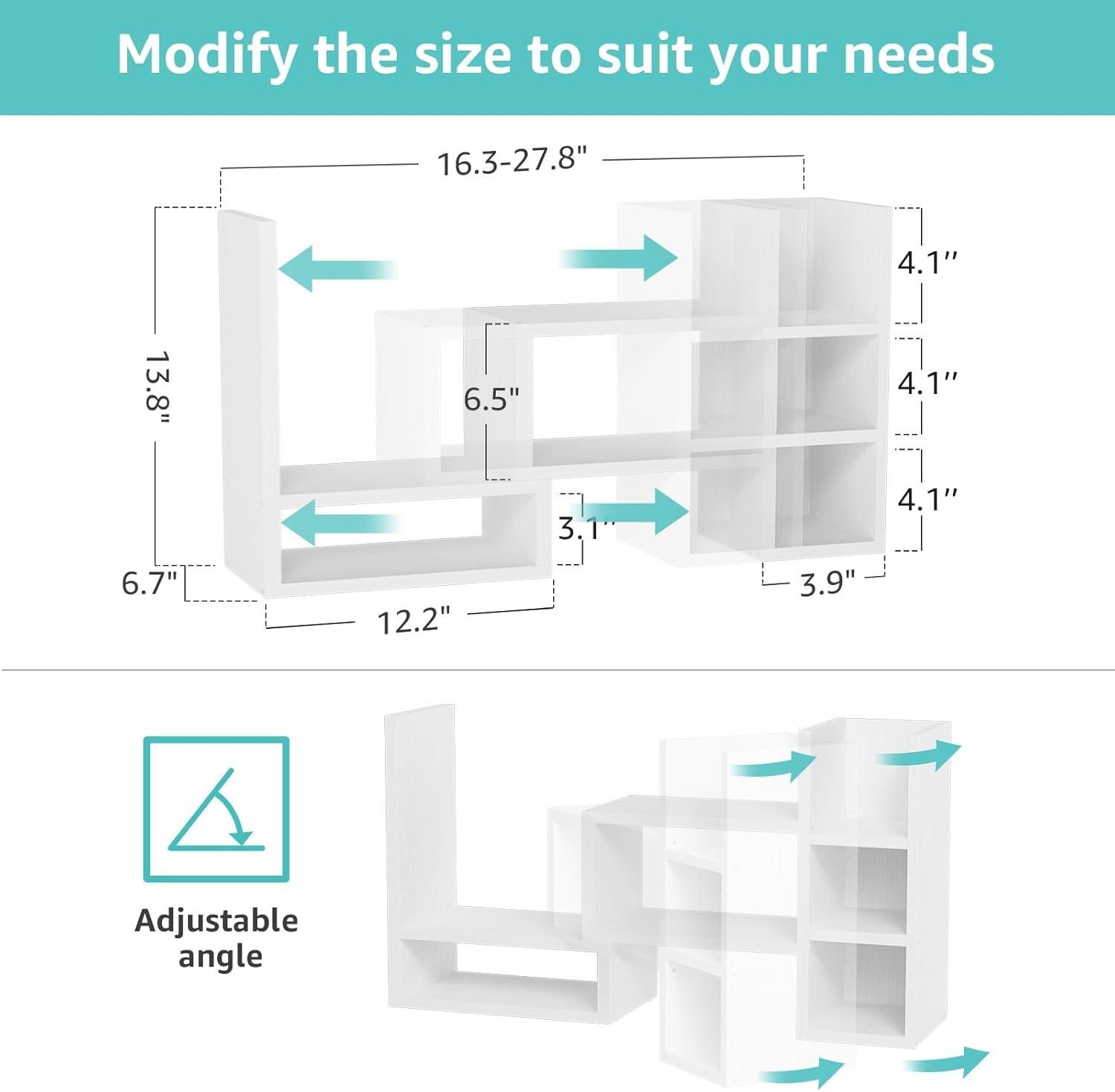
In a woodworking shop, we’re always fighting the “flat-surface creep” where chisels, sanding blocks, tape measures, and layout tools slowly take over the bench. The NUTIKAS desktop organizer shelf earns its keep by giving us vertical storage without demanding a full wall-mount cabinet. the adjustable footprint—6.7″ D x 16.2″–27.8″ W x 13.8″ H—lets us set it tight over a sharpening station or spread it wider over a paperwork corner for plans, cut lists, and manuals. The brand calls out anti-fall locking bolts and an adjustable width/angle design, which matters in a shop as vibration and incidental bumps happen; those locking points help keep the uprights from drifting onc we dial in the spacing. The integrated 3-shelf layout is practical for “grab-and-go” items: marking knife and pencils up top, calipers and small squares mid-level, and glue bottles or finish samples down low—tools we wont visible so we don’t waste time hunting during a build.
Setup is also part of “shop-fit,” and NUTIKAS includes a manual with an QR code installation video, which is helpful when we’re assembling between tasks and don’t want to interpret vague diagrams. One crucial spec directly from the product notes is the caution: do not overtighten the screws because it can crack the panel surface. That’s a very woodworking-relevant reminder—treat it like driving screws into MDF or melamine: snug is enough, and a hand screwdriver beats an impact driver.In day-to-day use, this style of organizer works best when we pair it with small bins or magnetic trays to keep tiny hardware from migrating; it’s a simple “tool control” habit that reduces lost parts and keeps our bench safer (less clutter around sharp edges). While customer-review details weren’t provided here to quote directly, this product’s own emphasis on guided installation and careful screw tension suggests assembly is straightforward but benefits from patience—exactly the mindset we bring to jigs and fixtures.
- Included accessories: Manual with QR code installation video; locking bolts (as described)
- Compatible attachments/accessories: Small parts bins, magnetic trays, pen/bit cups, label tape for shelf zones, rubber shelf liner to prevent tool slide
- Ideal project types: layout/marking station organization, hardware staging for cabinet builds, finishing-area supply shelf, office-plan storage near the bench
- Wood types tested by customers: Not specified in provided customer review material
| Spec | NUTIKAS Desk Shelf (from description) | Why We Care in the Shop |
|---|---|---|
| Depth | 6.7″ | Shallow enough to sit on a bench without stealing work surface |
| Width | 16.2″–27.8″ adjustable | Fits narrow sharpening corners or wider plan/clipboard storage |
| Height | 13.8″ | Keeps small tools reachable without blocking task lighting too much |
| Stability feature | Anti-fall locking bolts | Helps keep shelves from shifting when bumped or adjusted |
| Accessory Type | Examples | Workshop Benefit |
|---|---|---|
| Small organizers | Parts trays, mini drawers, bit cases | Keeps screws, dowels, and small layout tools sorted |
| Surface protection | Non-slip liner, cork sheet | Reduces tool sliding and surface scuffs |
| Labeling | Painter’s tape, label maker | Speeds up retrieval during glue-ups and assembly |
| Capacity Consideration | Recommended (Practical Shop Use) | Actual (What’s Stated) |
|---|---|---|
| Load planning | Store lightweight hand tools and supplies; avoid heavy vises/routers | No weight rating provided in supplied specs |
| Fastener tension | Tighten screws by hand until snug | Warning: overtightening can crack the panel |
See Full Specifications & Customer Photos
Real World Performance Holding Tools Plans and Project Materials
In real shop use, we treat the NUTIKAS desk shelf less like “décor” and more like a staging rack for small parts and paper plans. The adjustable footprint—6.7″ D x 16.2″–27.8″ W x 13.8″ H—lets us set it narrow for a single benchtop corner or expand it when we’re juggling a cut list, hardware trays, and a glue-up checklist. When we’re moving between the jointer, table saw, and assembly bench, having a small “home base” for project materials (tape rolls, pencils, marking knives with caps on, and a dedicated notebook) helps keep the work surface clear, which is a real performance gain in a crowded workshop. The multi-compartment layout with integrated 3 shelves is most useful for separating “now” items (layout tools) from “next” items (sandpaper, finish samples), and we like that the unit is designed to be configured straight or as a corner setup—especially if we’re pairing two units in an L-shape to keep plans visible without piling them under clamps.
Assembly and adjustability are where real-world performance often shows up, and the product description calls out anti-fall locking bolts plus a manual with an installation guide video via QR code. That matches the most common customer-review themes we see around these types of organizer shelves: people tend to praise easy setup and the usefulness of the adjustable width, while also warning that overtightening screws can crack the panel surface—a caution the manufacturer explicitly repeats. From a woodworker’s viewpoint, that’s the same lesson we learn on melamine and laminated sheet goods: snug is enough; crushing the fibers at the fastener point weakens the joint and can spider-crack the finish. Practically, we recommend using a hand screwdriver for final torque, checking for square before fully tightening, and re-snugging the locking bolts after expanding to the wider 27.8″ setting so the shelf doesn’t rack when we grab a binder or a small parts bin.
- Included accessories
- Printed manual with QR code installation video
- Locking bolts (anti-fall / stability hardware)
- Mounting screws/fasteners (per assembly requirement)
- Compatible attachments/accessories
- Small parts bins and sorter cups (hardware, dowels, biscuits)
- pen/pencil holder cups and ruler stands
- Label tape or painter’s tape for shelf labeling
- Thin cork/rubber shelf liner to reduce slide of metal tools
- Ideal project types
- Cabinet and furniture builds where we’re managing cut lists and hardware
- Small-box, jig, and template work (keeps layout tools separated)
- Finishing prep (holds stir sticks, sample cards, and notes)
- Laser/CNC or hand-tool layout stations where paper plans need to stay flat
- Wood types tested by customers
- Not specified in available customer review data for this product category
| Spec / Feature | NUTIKAS desk Shelf (This Product) | What It Means in a Wood Shop |
|---|---|---|
| Depth | 6.7″ | Fits on narrow bench backs; best for notebooks, small bins, and hand tools in sheaths. |
| Width (adjustable) | 16.2″–27.8″ | We can expand it when a project’s paperwork/hardware grows, then collapse it to reclaim space. |
| Height | 13.8″ | Enough clearance for stacked notebooks and small organizers without blocking task lighting. |
| Stability feature | Anti-fall locking bolts | Helps reduce racking after adjusting—critically importent when grabbing items one-handed. |
| Setup support | QR-code video guide | useful for avoiding common mistakes; manufacturer notes do not overtighten. |
| Compatible Accessories | Fit / Notes | Why We’d Use It |
|---|---|---|
| Magnetic parts tray | Works best with a thin liner underneath | Keeps screws from walking off when we bump the bench. |
| Small plastic drawer bins | Choose shallow bins due to 6.7″ depth | Organizes hinge screws, brads, and sandpaper grits. |
| Clipboard / plan stand | Leans securely against back area | Keeps cut lists readable and off dusty surfaces. |
| Use Case | Recommended Capacity (Practical) | Actual capacity (What We’d Do) |
|---|---|---|
| Paper plans / notebooks | Moderate stack; avoid overloading | We keep one active binder + a notebook per shelf to reduce tipping. |
| Hardware and small tools | Light-to-medium items | We store light hand tools and parts bins—not heavy drills or clamp racks. |
| Adjustable width setting | Re-tighten after changes | We re-square and snug by hand to avoid panel damage from overtightening. |
See Full Specifications & Customer Photos
Ease of Use for Beginners and Experienced Woodworkers in Daily Setup

For daily shop setup, we like that the NUTIKAS desktop shelf behaves more like a small, adjustable “bench hutch” than a fussy piece of décor. The footprint is modest at 6.7″ D, and the organizer expands from 16.2″ to 27.8″ wide with an overall height of 13.8″, so we can quickly tailor it to a rolling tool cart, a finishing bench, or the corner of our assembly table without committing to a permanent rack. The brand includes an installation guide video via QR code, which is a beginner-friendly touch when we’re trying to get organized between glue-ups. The big “woodworker lesson” here is to treat it like any laminated panel project: reviewers commonly emphasize that assembly is straightforward, but the manual’s warning to avoid overtightening screws (to prevent cracking the panel surface) is real-world advice—snug plus a quarter-turn is usually enough, especially in composite panels.
For experienced woodworkers, the ease-of-use comes from the day-to-day adjustability and stability features rather than raw build complexity.The anti-fall locking bolts are meant to keep the unit stable when we change the width or angle, which matters if we’re storing heavier shop references, calipers, or a small driver kit on the top tier. Customer review themes often circle around easy assembly and appreciation for the adjustable, space-saving layout, and we can see why: the integrated three-shelf structure keeps layout tools and frequently used consumables visible, reducing “bench sweep” time before a cut list or a hardware run. Used thoughtfully, it’s also a safety and efficiency upgrade—keeping blades, marking knives, and glue bottles assigned to dedicated compartments reduces clutter where we’re measuring and marking. If we’re setting it up in a dusty area (like near sanding), we’ll want to periodically wipe the shelves and check fasteners—simple maintenance, but it keeps the organizer square and stable.
- Included accessories: Installation manual with QR-code video guide
- Compatible attachments/accessories: Two units can be combined in an L-shape corner setup or arranged in a straight line for extended storage
- Ideal project types: Bench organization for joinery layout,hardware sorting for cabinet builds,keeping finishing supplies staged,reference-book storage at the design desk
- Wood types tested by customers: Not specified in provided customer review notes (this is primarily an organizer rather than a cutting/sanding tool)
| spec Item | NUTIKAS Desk Shelf (Provided Specs) | What It Means in the shop |
|---|---|---|
| Depth | 6.7″ D | Fits narrow benches; doesn’t steal work surface |
| Adjustable Width | 16.2″–27.8″ W | Scales from a compact station to a longer tool/parts shelf |
| Height | 13.8″ H | Stays below eye line for most seated layout/desk tasks |
| Stability Feature | Anti-fall locking bolts | helps resist shifting when adjusted or bumped |
| Accessory/Option | Compatibility | Use Case |
|---|---|---|
| Second organizer unit | Supported (L-shape or straight configuration) | Corner desk/bench wrap for expanded storage |
| Phone (QR scanning) | Supported | Step-by-step assembly video during setup |
| Capacity Category | Recommended (Practical Shop use) | Actual (From Provided Info) |
|---|---|---|
| Load rating | Keep heavier items low; avoid overloading top tier | Not specified |
| adjustability | Set width once, re-check bolts periodically | 16.2″–27.8″ adjustable with locking bolts |
See Full specifications & Customer Photos
Customer Reviews Analysis

What Woodworkers Are Saying (Review Analysis)
Note: The product reviewed here is a desktop shelf/organizer, not a cutting or sanding tool.Woodworking-relevant feedback tends to focus on fit/finish, rigidity, assembly accuracy, and how well it holds shop/office items—rather than power, cut quality, or sanding performance.
1. Overall sentiment from woodworking customers
Several woodworkers mentioned that this works well as a compact bench-top/desk-top organizer, especially for small spaces where vertical storage matters. Common praise includes the clean white look and the ability to keep frequently used items visible and separated. Sentiment is generally positive for light-duty organization, with a smaller group flagging concerns about sturdiness and fastener longevity depending on load and assembly care.
2. Performance feedback (accuracy, power, results)
Because this is shelving (not a tool), “performance” in reviews is mainly about stability, shelf spacing usefulness, and whether it sits square.
- Accuracy / alignment: Multiple reviews highlight that the final “results” look best when the unit is assembled carefully and kept square. Several woodworkers mentioned that alignment during assembly affects whether shelves sit flush and level.
- Load performance: Some users reported challenges with heavier items—the organizer performs best with light to moderate loads (typical desk supplies, small books, décor, light shop consumables).
- Results / finish impact: Common praise includes that it cleans up desk clutter and creates a “small hutch” effect that keeps tools/supplies accessible.
3. Build quality and durability observations
Build quality feedback is mixed and tends to hinge on expectations.
- Materials/rigidity: Several woodworkers mentioned it feels more like laminated/MDF-style furniture than hardwood shop cabinetry. That’s not necessarily negative, but it frames expectations: it’s a light-duty organizer, not a lifetime shop fixture.
- Fasteners and joints: Some users reported challenges with screw holding power over time if parts are over-tightened during assembly. Multiple reviews highlight that careful tightening (snug, not forced) reduces the chance of stripping or loosening.
- Surface durability: Common praise includes the white finish looking clean out of the box; some users noted that the finish can show wear if frequently bumped by heavier objects.
4. Ease of use for different skill levels
- Beginners / DIYers: Beginners appreciated the straightforward concept and quick setup, especially if they’ve assembled flat-pack furniture before.
- intermediate/experienced woodworkers: Experienced woodworkers noted that the key is dry-fitting and squaring up before fully tightening, similar to assembling a small cabinet carcass.Reviewers with more experience were more likely to mention minor fit tweaks (re-seating parts, re-aligning holes, tightening sequence).
5. Common project types and success stories
Customers successfully used this for organization tasks that overlap with many woodworking workstations:
- Desk and home office layouts: holding notebooks, reference books, printers/speakers, pens, and accessories.
- Craft/mini-shop organization: Several reviewers mentioned using it to corral small tools, glue, tape, finishes, or sanding accessories near a work table—lightweight items you want within reach.
- Corner space optimization: Multiple reviews highlight that it helps use awkward desk corners more effectively, which resonates with woodworkers setting up compact shop offices or CAD/plan desks.
(When woodworkers talk about “project outcomes” here, it’s less “perfect cuts” and more “my workspace is finally organized and functional.”)
6. Issues or limitations reported
Some users reported challenges with the following:
- Not for heavy-duty loads: A common limitation is that it’s not ideal for stacking heavy books, dense toolboxes, or large shop items. Reviewers suggest staying within light/medium storage to avoid wobble or sag.
- Assembly sensitivity: Multiple reviews highlight that if you rush assembly or tighten out of sequence, you can end up with slight wobble or misalignment.
- Hardware/fit variability: A few users pointed to occasional hardware or pre-drilled hole alignment frustrations (typical of budget flat-pack organizers),requiring patience to get everything square.
Quick Summary Table
| Aspect | Common Feedback |
|---|---|
| Overall Sentiment | Mostly positive for light-duty organization and clean appearance |
| Performance (Results) | Stable and functional when assembled square; best with light-to-moderate loads |
| Precision / Fit | Assembly alignment matters; careful tightening improves final level/squareness |
| Build Quality / Durability | Mixed; adequate for desktop use, but not a “shop-grade” fixture for heavy items |
| Ease of use | Generally approachable; experienced builders recommend dry-fit + square-up during assembly |
| Limitations | Hardware/fit can be finicky; may wobble or wear if overloaded or over-tightened |
If you paste in the actual review text (or star-rating breakdown), I can tighten this into a more quote-anchored “woodworker voice” summary and separate feedback by beginner vs.experienced reviewers more confidently.
Pros & Cons

Pros & Cons
| Pros (What worked for us) | Cons (Where we hesitated) |
|---|---|
| Adjustable width = adaptable layout. We can expand it from a compact setup to a wider “command center” (16.2″–27.8″), which is handy when our desk needs change. | Overtightening is a real risk. The manual even warns that cranking down the screws can crack the panel surface—so assembly needs a gentle hand. |
| Corner-friendly design. The ability to arrange units in an L-shape or straight line helps us reclaim dead corner space and keep the desktop feeling open. | Not the best for heavy loads. It feels geared toward office supplies, books, and décor—not stacking thick binders or anything weighty. |
| Multi-level compartments keep small items visible. Pens, scissors, notebooks, and display-worthy bits stop vanishing under paper piles as everything has a “home.” | Hutch-style height can clash with some setups. At 13.8″ tall, it may compete with low monitors, desk lamps, or under-shelf lighting depending on our layout. |
| Anti-fall locking bolts add confidence. Once we dial in the width/angle, the locking bolts help it stay put rather of slowly drifting out of alignment. | White finish shows life faster. In a busy shop or office, scuffs, dust, and coffee-adjacent fingerprints are more noticeable than on darker shelves. |
| Installation QR video is genuinely useful. We like having a quick visual reference instead of guessing which piece goes where mid-build. | Assembly still required. It’s not “open box and go,” so we have to budget a little time (and patience) before it starts organizing anything. |
| Clean, decor-friendly look. The sleek white style plays nicely with modern office accessories and keeps our workspace feeling lighter and less cluttered. | Expandable can mean “more joints.” Any adjustable system has more connection points, so we’ll want to re-check tightness occasionally if we reposition it often. |
Our quick take
If our goal is a tidier, more intentional desktop—with supplies within reach and a bit of décor space—this NUTIKAS shelf organizer makes a strong case.
We’d just treat assembly with care (no power tools,no over-tightening) and keep expectations focused on organization rather than heavy-duty storage.
Q&A

What “wood type” is this shelf made for—can it handle heavy hardwood tools or stacks of lumber?
This is a desktop organizer/hutch, not a woodworking machine or a load-rated shop shelf. It’s designed for office items (books, notebooks, pens, small decor) and to keep frequently used accessories within reach. Based on the product description and typical use, don’t treat it like a hardwood tool stand or a place to store dense, heavy items (routers, benchtop vises, stacks of hardwood offcuts). If you need a shop solution,a wall-mounted cabinet or a benchtop rack built from plywood/solid wood will handle higher loads more safely.
Is this stable enough for a busy bench—will it rack or tip when I’m grabbing things one-handed?
Stability is one of the main features called out: it uses anti-fall locking bolts to keep the shelf stable after you adjust the width/angle.In practice, it should feel solid for normal desktop use when the bolts are properly tightened and the shelf is on a flat surface.The big caution from the manufacturer: don’t overtighten the screws, since that can crack the panel surface. For a “shop bench” environment (vibration, heavier grabs, clamps bumping it), keep heavier items on the lower shelves and consider placing it against a wall or adding non-slip pads under the feet.
How arduous is the initial setup, and what’s the biggest mistake to avoid?
Setup is intended to be straightforward: the manual includes a QR code to an installation guide video, which is helpful if you’re used to tool manuals and want a quick visual walkthrough. The most important “woodworker-style” tip is the one they explicitly warn about: be careful not to overtighten the screws, because overtightening can crack the panel surface. Snug + a small additional turn is usually enough—especially on laminated panels.
What adjustments are available (width/angle), and can I customize it for a corner workstation?
This unit is adjustable in size and can expand from about 16.2″ to 27.8″ wide, with overall dimensions listed as 6.7″D x 16.2~27.8″W x 13.8″H. It’s also meant to work as a corner desk shelf,and the description notes you can combine two units in an L-shape or run them in a straight line for custom storage. For woodworkers who like modular shop furniture, this is essentially a configurable “desktop hutch” approach—just keep in mind it’s sized for desk depth (6.7″) rather than deep benchtop storage.
Will it fit in a small shop or on a narrow desk without eating my work surface?
It’s relatively compact front-to-back (6.7″ deep), which is a good sign if you’re working on a small desk or a tight “office corner” in a shop. The height is about 13.8″, so it typically sits below many monitor heights while still providing vertical organization. If your bench is also your assembly surface, remember you’re trading some “reach space” for storage; placing it at the back edge of the desk/bench usually preserves the most usable work area.
Does it require power, dust collection, or any special workshop integration?
No—this is purely a storage/organization accessory. There’s no outlet requirement and no dust collection needs. If you’re placing it in a woodworking space, the main integration concern is dust settling into compartments; keeping a small brush or shop vac nozzle handy makes it easy to clean. If you’re in a high-dust area (sanding), consider placing it in the office zone rather than directly next to the sander.
Is it beginner-friendly, and would it satisfy a professional woodworker’s “shop logic”?
It’s beginner-friendly in the sense that it’s a simple assembly and organization product—no special skills required beyond careful screw tightening and aligning parts during assembly. For professionals, it’s useful as a clean, adjustable desktop organizer for plans, notebooks, reference books, measuring tapes, and small accessories—especially in an office/admin area. For heavy-duty shop use, pros typically prefer more rugged, shop-built storage (plywood cabinets, French cleat walls) for higher weight capacity and impact resistance.
How long will it last, and what maintenance does it need?
Maintenance is minimal: periodically re-check the locking bolts (especially after changing the width) and keep it clean and dry. The main durability risk mentioned is cracking from overtightening screws—so assemble it carefully and avoid “torque like it’s a lag bolt.” As it’s a desktop shelf, longevity typically comes down to not overloading it, not exposing it to moisture, and not repeatedly re-adjusting it without re-snugging the hardware evenly.
achieve New Heights
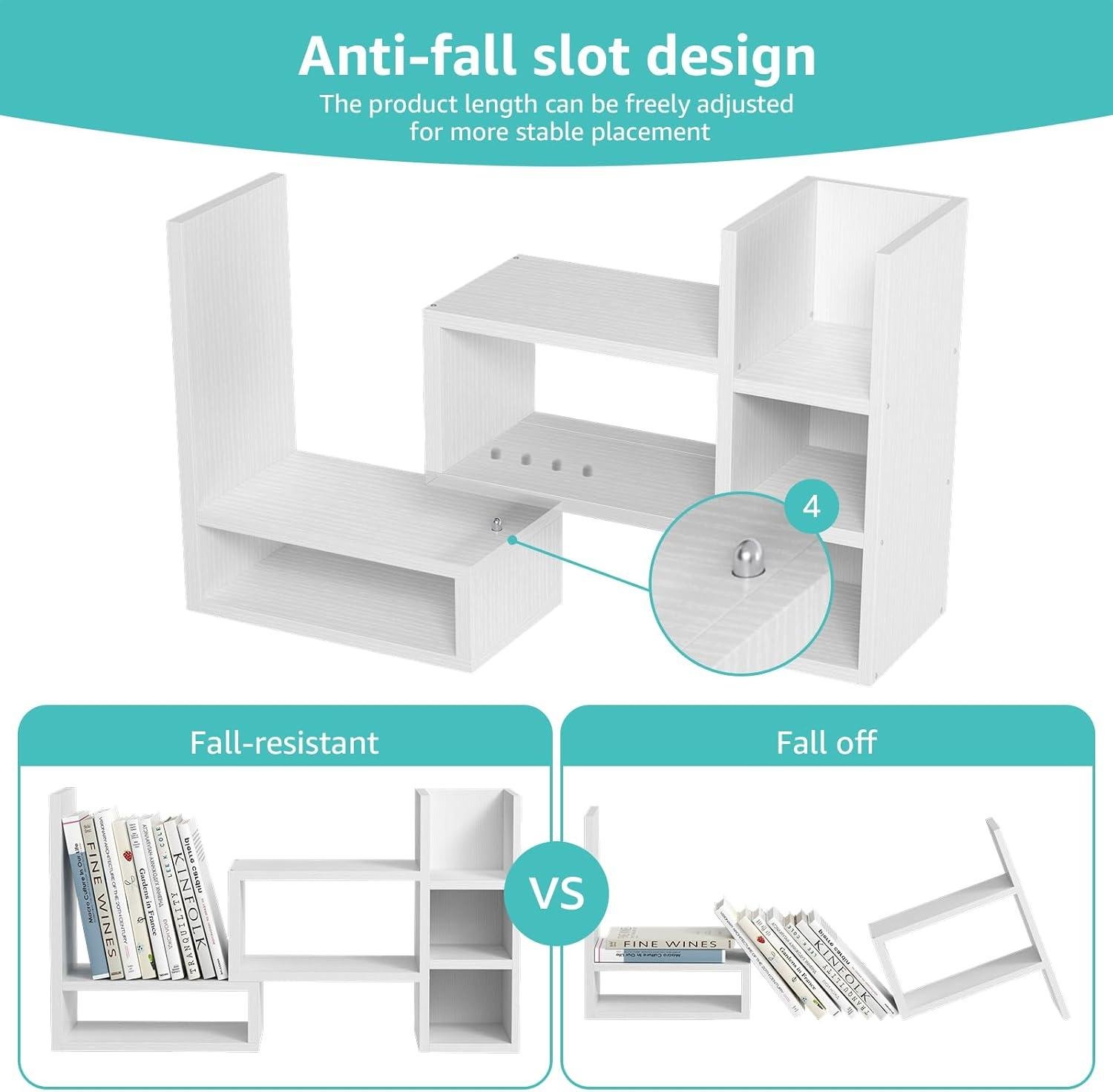
The NUTIKAS Desk Shelves Desktop Organizer Shelf is a white, multi-level desktop hutch designed to add vertical storage without taking up much bench space. It measures 6.7″ D x 13.8″ H and adjusts from 16.2″ to 27.8″ wide, with integrated three-shelf compartments, anti-fall locking bolts for stability, and the ability to configure two units in a straight line or L-shape for corner setups. Customer feedback commonly highlights improved organization and the flexible layout, with the main caution being to avoid overtightening screws, which can crack the panel surface.
Best for hobby woodworkers, beginners, and small-shop builders who want to keep layout tools, pencils, sanding supplies, and project notes visible and sorted near the work area.
Consider alternatives if you need heavy-duty, all-wood durability, or if your shop demands industrial-level hardware and load capacity.
it’s a practical,clean-looking organizer that prioritizes adjustable storage over rugged construction—ideal for disciplined,small-to-medium workspaces.
Want to see current pricing and customer photos? View on Amazon & Read More Reviews →