

Blog
Sabary Stencil Set Review: Right Tool for Our Shop?


Ever tried laying out a set of “Scrabble” tiles, a name sign, or shop labels—only to watch letters drift off-center, edges fuzz up, or marker ink bleed past a stencil? In small shops especially, we don’t always have room (or budget) for dedicated sign-making gear, so accuracy has to come from smart, simple aids.
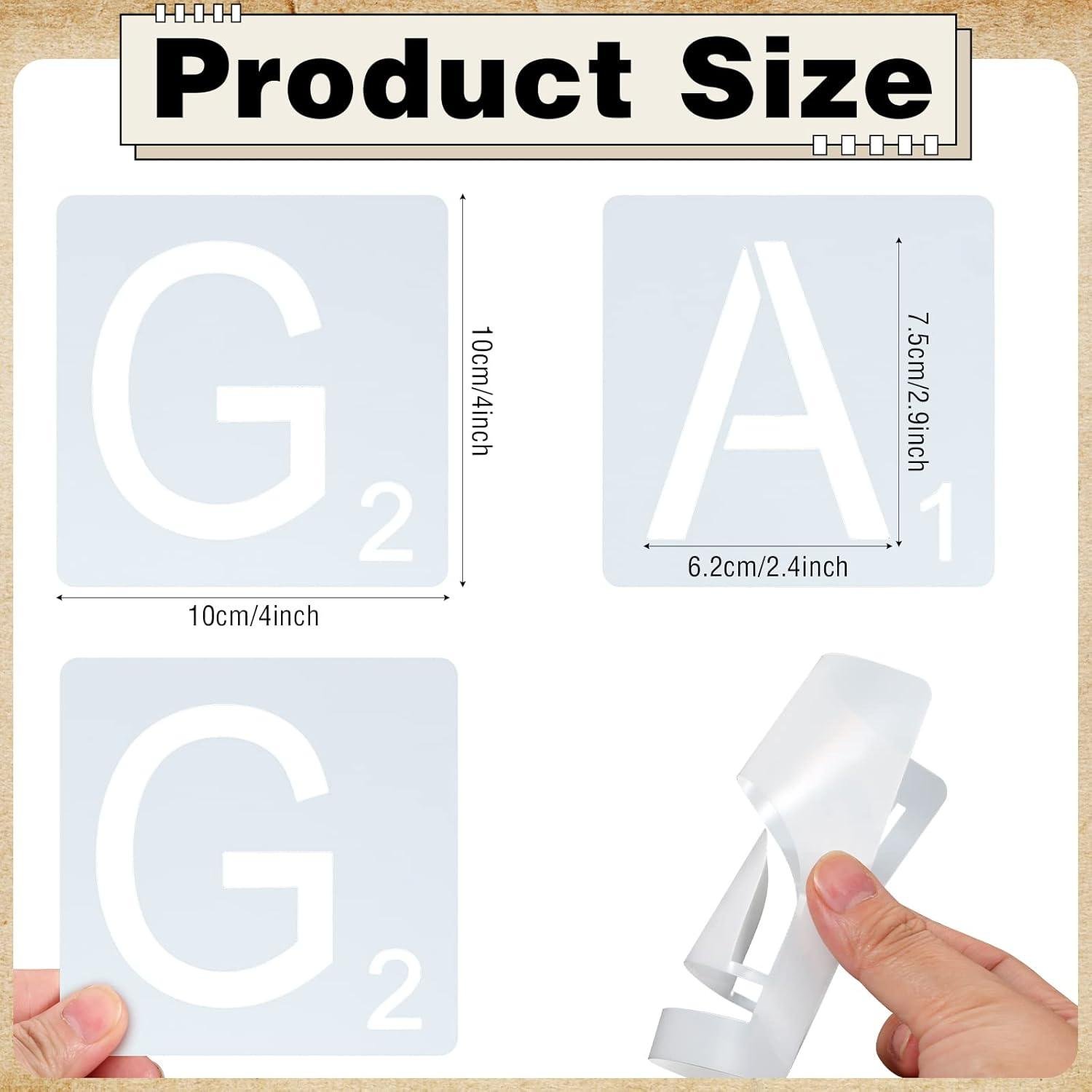
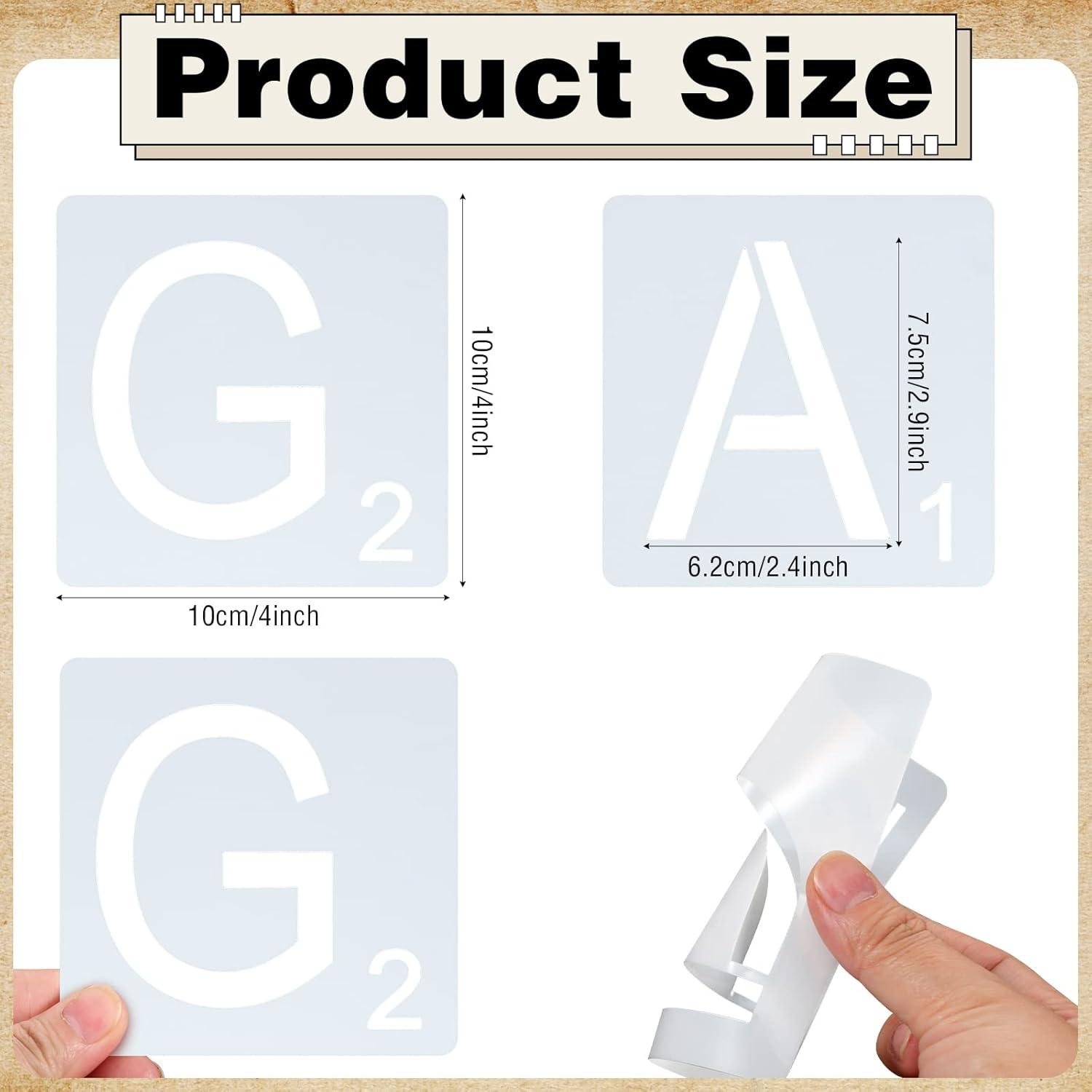
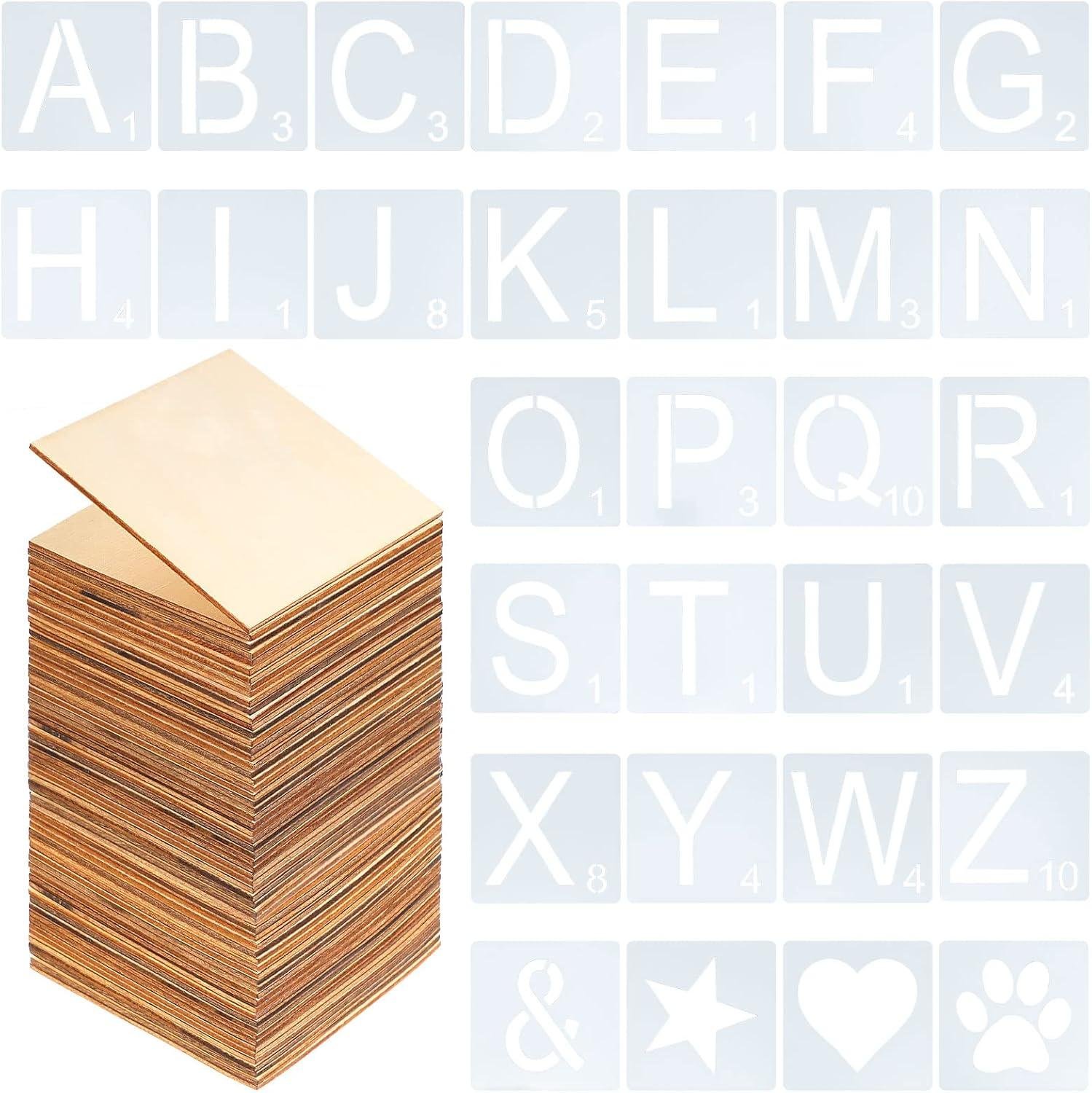
The Sabary 130-piece Letters and Symbol Stencils and Unfinished square Wood Set is built for exactly that kind of DIY lettering work: it includes 100 unfinished 4 x 4-inch poplar plywood squares plus 26 alphabet stencils and 4 symbol stencils made from washable, reusable PET. It’s designed to pair with common finishes and media—acrylic paint, chalk, sprays, inks, and more—so you can batch out consistent tiles without complicated jigs.
In this review, we’ll look at the kit’s sizing, material quality, stencil usability, and how it fits beginners versus experienced makers—plus what customers report, including praise for durability and ease of use and concerns about paint bleeding. From years around wood and shop-made templates,we know the little details decide whether lettering looks “handmade” or just messy.
Tool Overview and What We Get in the Box
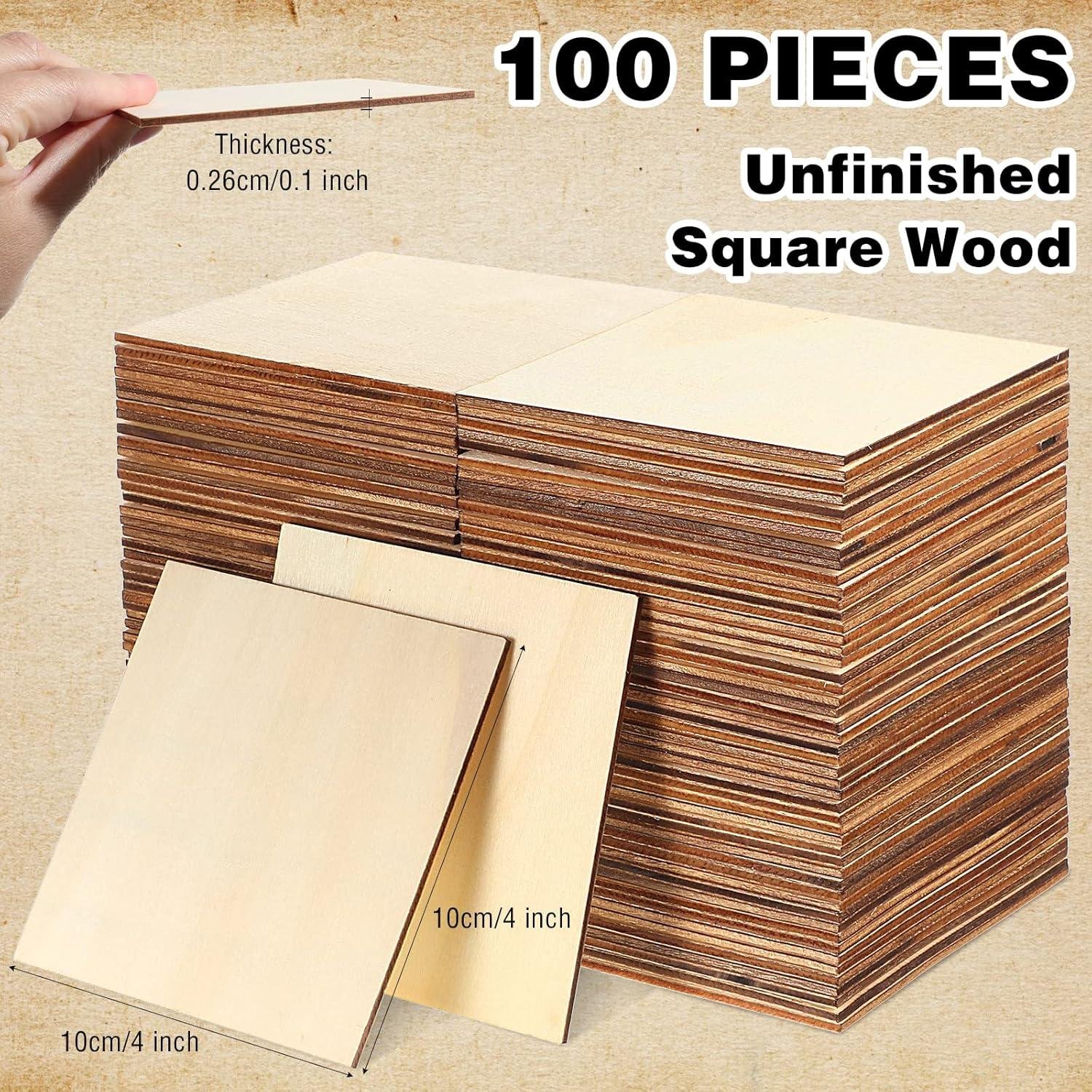
In our shop, the Sabary set is less of a “tool” with motors and more of a ready-to-run layout-and-finish kit for sign work, Scrabble-style name boards, and small plaque batches. The core spec is straightforward: everything in the set is sized at 4 x 4 inches, including the 100 unfinished poplar plywood squares and the stencils. Poplar ply is a practical choice for DIY décor because it’s lightweight and typically takes paint well, but in woodworking terms it’s still plywood—so grain direction, veneer thickness, and occasional voids can effect how cleanly paint edges land. That lines up with customer feedback: several reviewers call the tiles “light and durable” and “none came chipped or broken,” while at least one notes gaps at the edges that can make painting tricky (though “not noticeable when looking at them straight on”).We also saw a negative theme around paint/marker bleed through the stencil, which is usually more about technique and sealing than the stencil “not working,” but it’s a real outcome some buyers experienced.
- Included accessories: 26 alphabet stencils (A–Z), 4 symbol stencils, and 100 poplar plywood squares (4″ x 4″) — 130 pcs total
- Compatible attachments/accessories (shop add-ons we’d pair with it): low-tack painter’s tape, repositionable spray adhesive, foam pouncers/stencil brushes, mini rollers, craft squeegee, fine sanding sponge (220–320 grit), clear sealer (shellac or sanding sealer), water-based polycrylic, acrylic craft paint, chalk paint, texture paste
- Ideal project types: Scrabble-style family name boards, batch-made initials for kids’ rooms, wedding table décor tiles, small wall-art mosaics, painted coasters (sealed), photo props, banner letters
- Wood types tested by customers: poplar plywood (included tiles); reviewers specifically mention Scrabble-board style wall décor projects
| Spec / Feature | What It Is | What It Means in the Shop |
|---|---|---|
| Tile size | 4″ x 4″ poplar plywood squares | Standardized blanks speed up batching and layout; expect minor ply-edge variability |
| Stencil material | PET (washable/reusable) | Good for repeated runs; clean promptly to preserve crisp cut edges |
| Stencil count | 26 letters + 4 symbols | Covers most basic signage; symbol set helps with simple icons/marks |
| Bundle quantity | 100 blanks | Enough material for a full wall installation or multiple smaller gifts |
| Compatible Accessory | Use case | Why We’d Use It |
|---|---|---|
| Repositionable spray adhesive | Stencil hold-down | Reduces under-spray and edge bleed when brushing/rolling |
| shellac or sanding sealer | Pre-seal wood | Helps prevent paint wicking into end grain/ply edges, improving crispness |
| Stencil brush / foam pouncer | Paint request | “Dab, don’t drag” technique minimizes bleed (matches the bleed concerns in reviews) |
| 320-grit sanding sponge | Surface prep between coats | Quickly knocks down raised grain for smoother lettering |
| Recommended Capacity / Expectation | What We’d Plan For | What Reviews suggest |
|---|---|---|
| Edge quality on blanks | Mostly clean, some sanding and spot-filling | One reviewer reports edge gaps that make painting harder |
| Crisp painted letters | Achievable with sealing + proper stencil technique | Most praise “good quality for stenciling,” but one buyer reports bleed with multiple markers |
See Full Specifications & Customer Photos
Key Features Woodworkers Will Appreciate for Signmaking and Decor
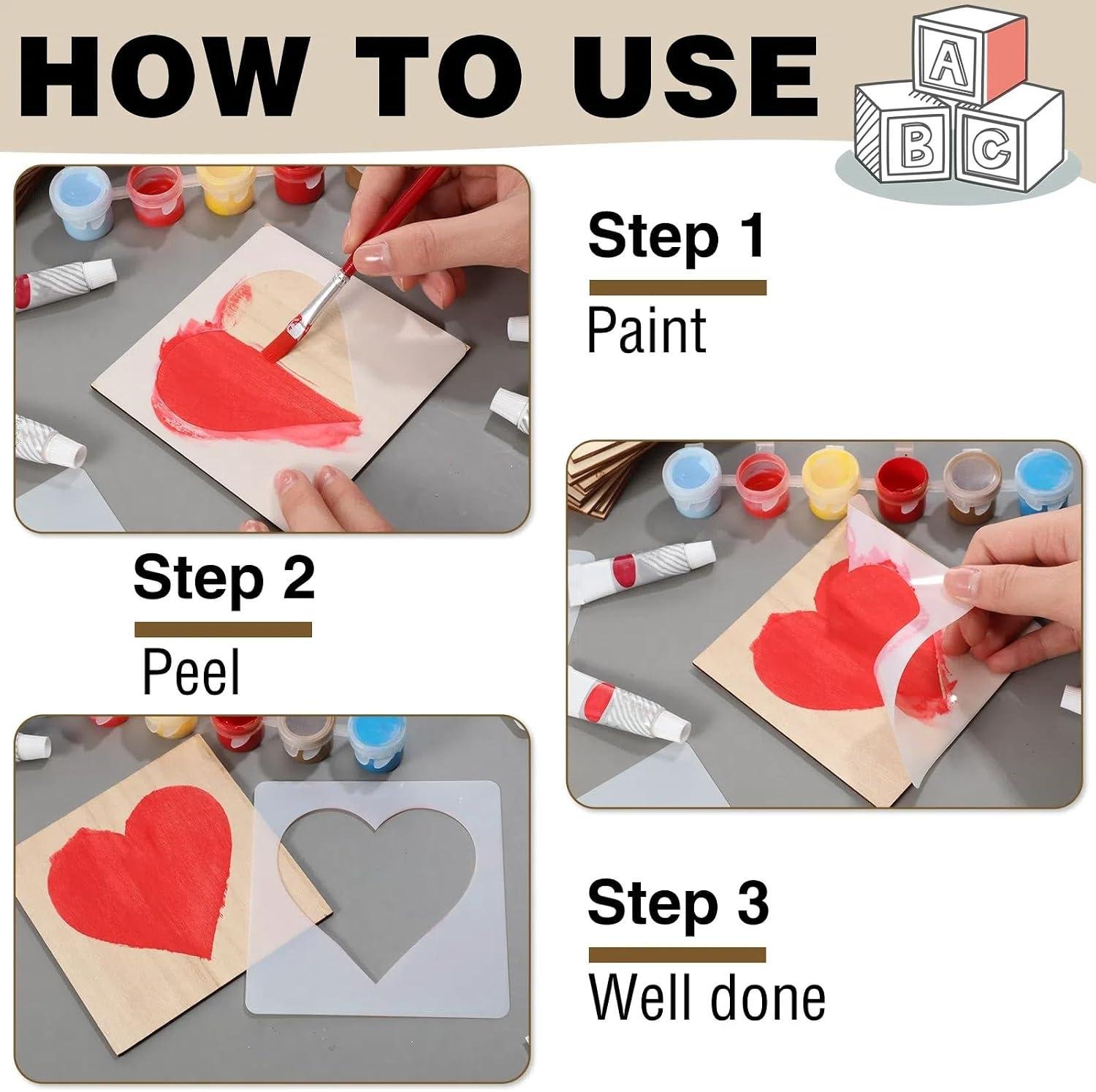
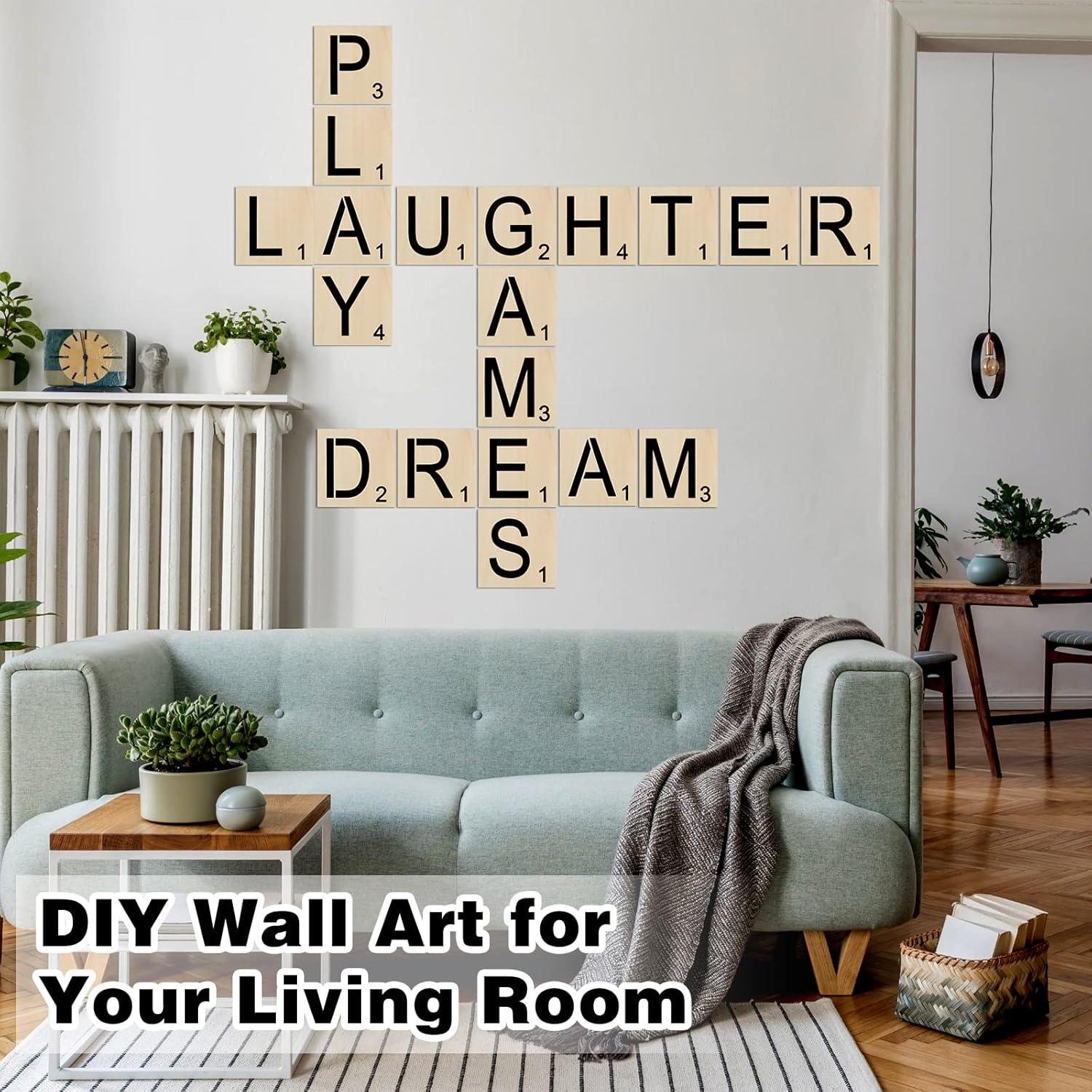
For shop-made signs and decor, we like that this kit is built around a consistent, easy-to-jig size: 4 x 4 inch tiles and matching stencils. the set includes 100 unfinished poplar plywood squares plus 26 alphabet stencils and 4 symbol stencils, which gives us enough repeats to batch out name plaques, holiday pieces, or “scrabble-style” wall layouts without constantly resetting a setup. In practical woodworking terms, poplar plywood is forgiving to sand and takes paint well, so we can quickly break the factory feel by easing the edges with a sanding block or a light roundover, then sealing before paint for crisper lines. Reviewers frequently echo that the pieces are “light and durable,” “good quality,” and “easy to use,” and one customer specifically mentioned making a Scrabble board with family names—exactly the kind of project this format supports in a small shop without specialty tooling.
we also appreciate that the stencils are made from PET plastic, which the product description calls washable and suitable for most common finishes (acrylic paint, sprays, inks, texture paste, chalk). In our experience, washable stencils matter because buildup is what ruins crisp edges over time; a quick rinse between batches helps maintain definition. Having mentioned that, customer feedback is mixed on bleed: while several reviewers praise the stencil quality and cleanability, at least one buyer reported that “everything bleed” when using markers and paint pens. In the shop,we’d treat this like any stencil job—reduce bleeding by sealing the wood first (clear coat or thinned base color),using a dry-brush or pouncing motion rather of wet strokes,and taping the stencil down tight (blue tape or repositionable spray adhesive). Another reviewer noted some tiles have gaps at the edges that can make painting harder—so we’d plan on a quick inspection and a fast touch-up sand/fill step if we’re chasing a furniture-grade finish rather than a rustic sign look.
- Included accessories: 26 alphabet stencils, 4 symbol stencils, 100 unfinished wood squares (total 130 pcs)
- Compatible attachments/accessories: painter’s tape, repositionable spray adhesive, sanding block (180–220 grit), clear sealer/topcoat, stencil brushes/foam pouncers, acrylic craft paint/texture paste
- Ideal project types: Scrabble-name wall art, kid/family craft builds, small sign plaques, wood banners, coasters, photo props, wedding ornaments
- Wood types tested by customers: poplar plywood tiles (included)
| Spec | Sabary Set (This Kit) | What It Means in the Shop |
|---|---|---|
| Tile size | 4 x 4 inches | Easy to batch, clamp, and lay out on a wall in grid patterns |
| Tile material | Poplar plywood (unfinished) | Sands quickly; benefits from sealing before stenciling for crisp edges |
| Stencil material | PET plastic (washable) | Reusable; cleaning helps prevent paint buildup and fuzzy letters |
| What’s included | 130 pieces total | Enough volume for multi-name wall art or party/wedding batches |
| Accessory | Compatible? | Why We’d Use It |
|---|---|---|
| Clear sealer (water-based poly/shellac) | Yes | Helps reduce marker/paint bleed through plywood grain |
| Stencil brush / foam pouncer | Yes | More control than markers; less chance of under-stencil seepage |
| Repositionable spray adhesive | Yes | Keeps stencil edges tight for sharper letters |
| Detail sander / sanding block | Yes | Quickly breaks edges and smooths faces before finishing |
| Capacity Question | Recommended for Best Results | Actual Kit Capacity |
|---|---|---|
| How many tiles for a large name layout? | plan letters + a few extras for layout changes | 100 tiles included |
| Stencil reuse in batch work | Wash and dry between colors to keep edges sharp | PET washable stencils (26 letters + 4 symbols) |
See Full Specifications & Customer Photos
Real World Performance for Stenciling and Finishing on Wood Squares
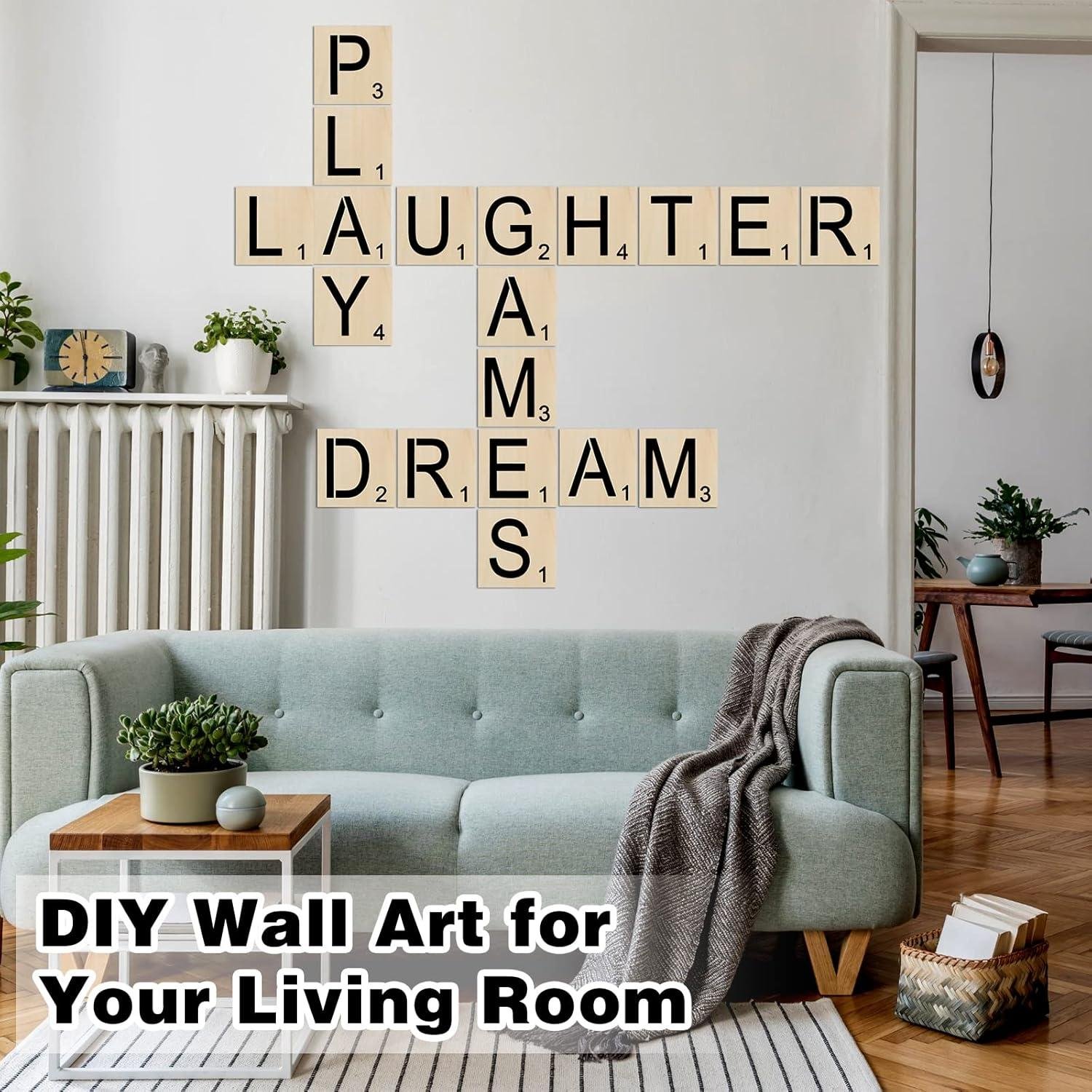
In day-to-day shop use, this set is straightforward: we’re working with 100 unfinished poplar plywood squares that measure 4 x 4 inches, plus 26 alphabet stencils and 4 symbol stencils (also 4 x 4 inches) made from washable PET. Poplar ply takes pencil layouts and light sanding well, so we can quickly knock down any fuzzy fibers with a fine sanding sponge before paint. For crisp stenciling, we get the best control by securing each tile to a bench hook or scrap board, then using low-tack painter’s tape or a repositionable spray adhesive to keep the stencil from shifting. PET stencils are flexible and clean up easily, and that matches what multiple customers praise—reviews often mention they’re “good quality for stenciling,” “not made of cheap quality,” and “clean very easy,” which matters when we’re repeating letters across a whole wall piece or a Scrabble-style layout.
Where real-world results vary is edge quality and paint bleed. A few reviewers report the wood is “decent generally speaking” but note gaps at the edges that can make paint work harder; in our workflow, that’s a cue to orient the best face forward and reserve the rougher squares for backers or test sprays. One negative theme worth taking seriously is bleeding—one customer said “everything bleed” even with paint markers and Sharpies. That usually comes down to technique and surface prep more than the stencil itself: poplar ply can wick pigment at the grain and along ply edges, so we recommend sealing first with a thin coat of shellac or sanding sealer, then using a nearly-dry foam pouncer (dab, don’t brush) or light spray passes to avoid forcing paint under the stencil. for finishing, water-based poly or a light clear coat locks in the lettering without ambering too much; if we want a warmer look, an oil-based topcoat or wiping varnish over sealed paint gives a more “furniture-like” sheen.Customers commonly use these for Scrabble boards/tiles and family-name wall art,which fits the 4×4 format well and keeps the project approachable for new woodworkers while still being efficient in a production-style batch.
- 26 letter stencils (A–Z), 4 x 4 in each
- 4 symbol stencils, 4 x 4 in each
- 100 unfinished poplar plywood wood squares, 4 x 4 in
- Low-tack painter’s tape / masking tape
- Repositionable spray adhesive (for stencil hold-down)
- Foam pouncers or stencil brushes
- Sanding sponge (fine/extra-fine), tack cloth
- Shellac or sanding sealer; water-based polycrylic or clear lacquer topcoat
- Scrabble-style family name boards and wall layouts
- Wood banners and photo props
- Coasters and small plaque sets
- Wedding/date signage and room-number tiles
- Poplar plywood (included; customer and spec referenced)
| Component | Specified Size/Material | What It Means in the Shop |
|---|---|---|
| Wood squares | 4 x 4 in, poplar plywood | Easy to batch sand and seal; may wick paint at edges if unsealed |
| Letter stencils | 26 pcs, PET, 4 x 4 in | Washable and reusable; needs firm hold-down to prevent underspray/bleed |
| Symbol stencils | 4 pcs, PET, 4 x 4 in | Adds layout variety for signage and decorative sets |
| Accessory | Compatible? | Why We’d Use It |
|---|---|---|
| Spray paint | Yes (per product description) | Fast coverage; use light passes to avoid bleed |
| Acrylic paint | Yes (per product description) | good control with pouncing; seal first for sharp edges |
| Chalk / ink / pens | Yes (per product description) | Best on sealed surface; test for feathering on raw ply |
| Texture paste | Yes (per product description) | Creates raised letters; remove stencil carefully before full cure |
| Task | Recommended Approach | Actual Limitation to Watch |
|---|---|---|
| Crisp letter edges | Seal → tape stencil → dry pounce/spray light | Some users report bleed if paint is too wet or stencil shifts |
| Consistent tile look | Batch sand; sort tiles by best faces | Some tiles may have edge gaps that affect painting along borders |
See Full Specifications & Customer photos
Ease of Use for Beginners and Experienced Woodworkers in the Shop
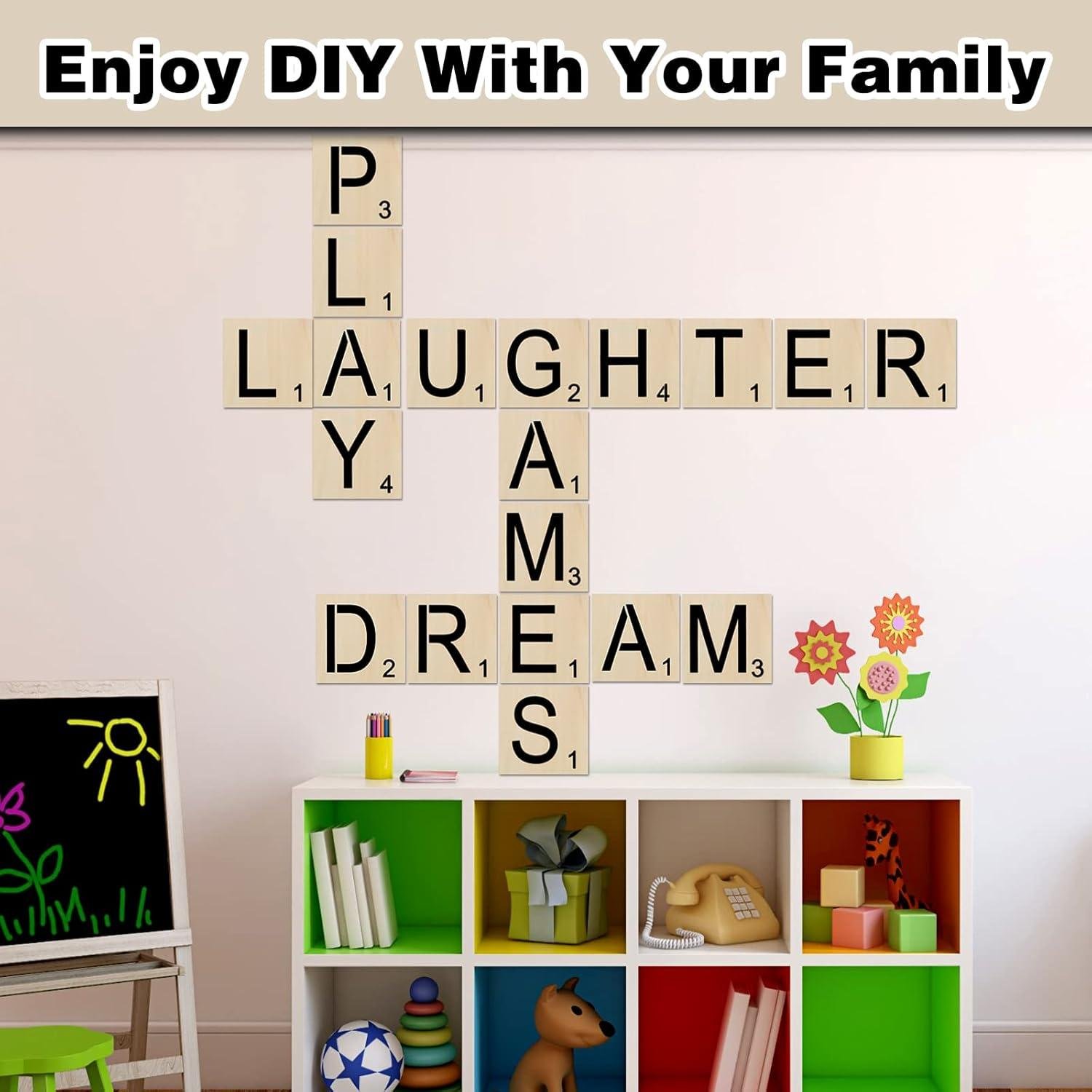
In the shop, this Sabary set is one of those “open the box and start making” kits that works for both first-timers and folks who already keep glue-ups and jigs on the bench. The core usability comes from the consistent sizing: the package includes 100 unfinished poplar plywood squares at 4 x 4 inches, plus 26 alphabet stencils and 4 symbol stencils (also about 4 x 4 inches). With no assembly, cords, or calibration to worry about, beginners can focus on the basics—layout, clean paint/ink application, and simple finishing—while experienced woodworkers can treat the squares like modular “tiles” for shop signs, drawer labels, and wall art. Customer feedback frequently enough echoes that the pieces arrive in good shape and feel solid; multiple reviewers mention they’re “light and durable”, “none came chipped or broken”, and the stencils are “good quality” or “not made of cheap quality”—which matters when we’re repeatedly registering the stencil on multiple tiles and want it to stay flat and predictable.
Where ease of use meets real shop technique is stencil control and bleed prevention. The PET stencils are described as washable and suitable for pens, sprays, inks, texture paste, chalk, and acrylic paint, but reviews show that results depend heavily on method: most users report fun, straightforward projects (one reviewer said “We made a scrabble board” and another called it a great family craft), while at least one reviewer complained that “everything bleed” despite trying multiple markers. In our experience, that’s a technique problem we can usually reduce by lightly scuff-sanding the poplar square, taping the stencil edges down (blue tape or repositionable spray adhesive), and using a dry application—pouncing with a stencil brush or rolling minimal paint rather than flooding the edges. For experienced woodworkers, it’s also easy to step up the process: seal the wood first with a thin coat of shellac or sanding sealer, then stencil, then topcoat for durability. this kit stays beginner-friendly while still rewarding careful workflow—especially if we treat it like any other finishing operation where surface prep and controlled application determine the final crispness.
See Full Specifications & Customer Photos
Customer Reviews Analysis
What Woodworkers Are Saying (Review Analysis)
1. Overall sentiment from woodworking customers
sentiment trends positive for value and versatility—especially among DIYers and hobby woodworkers who want a simple way to make consistent,repeatable lettering on small wood projects. Several woodworkers mentioned that the kit feels like a craft-friendly bundle (stencils + blank squares) that helps them get to finished signs and décor quickly without needing advanced tools.
2. Performance feedback (accuracy, results)
Precision & lettering results
- Common praise includes clean, readable letter shapes that work well for painted or traced lettering.
- Multiple reviews highlight that the 4″ x 4″ squares pair naturally with the stencil size, making alignment simpler for small plaques or tile-style letter boards.
- Some users reported challenges with paint bleed or fuzzy edges when using overly wet paint or heavy pressure—reviewers often recommend stenciling brushes, light coats, or spray adhesive to hold the stencil flat for crisper lines.
Consistency
- Several woodworkers mentioned the results are more consistent than freehand lettering, particularly when repeating words across multiple tiles/squares.
3. Build quality and durability observations
Stencils
- Reviewers commonly describe the stencil set as thin and flexible, which is typical for craft stencils. This is often fine for occasional use, but some users reported that heavy-handed cleaning or repeated use can lead to warping, curling, or small tears—especially around narrow letter cutouts.
Wood squares
- Multiple reviews highlight that the wood squares are generally usable for rustic-style projects, though some woodworkers noted variation piece-to-piece (typical with small craft blanks).
- Some users reported challenges with rough surfaces or slightly imperfect edges, and several woodworkers mentioned a quick sanding pass improves the final finish significantly.
4.Ease of use for different skill levels
- Beginners appreciated the straightforward concept: place stencil, apply paint/pen, let dry.The included blanks reduce the “what wood do I buy?” friction for first-time sign makers.
- Intermediate/experienced woodworkers tended to treat it as a starting point—adding sanding, sealing, or better paint techniques to raise the finish quality.
- Some DIYers found the learning curve steep specifically around getting crisp stencil edges, noting that technique (light coats, securing the stencil, using the right brush) matters more than expected.
5. common project types and success stories
Customers successfully used this set for a range of small-format woodworking/craft builds, including:
- DIY wall art and farmhouse-style word tiles (multiple 4×4 squares forming a phrase)
- Craft room and home organization labels (bins, shelves, “pantry” signage)
- Holiday and seasonal décor (single-tile ornaments or mini signs)
- Kids’ learning projects (alphabet practise boards and custom name tiles)
Several reviewers mentioned that having 100 blanks makes it easy to prototype layouts, redo mistakes, or create bundled gift sets without running out of material quickly.
6. Issues or limitations reported
Some users reported challenges with:
- Stencil movement during application, causing blurred edges (frequently enough solved with painter’s tape or repositionable adhesive)
- Paint bleed if paint is applied too heavily or the stencil doesn’t sit flat
- Wood prep required: a portion of reviewers noted they needed to sand for smoother paint/ink performance or more “finished” results
- Size constraint: the 4×4 format is excellent for tiles, but limiting if you want larger signage—several users implied it’s best for small, modular designs rather than big statement boards
Summary Table (Themes from Reviews)
| Aspect | Common Feedback |
|---|---|
| performance / Results | Many got clean, repeatable lettering; best results with light paint coats and good stencil hold-down |
| Precision | Generally consistent letter shapes; alignment is easier on the included 4×4 tiles |
| Durability | Stencils can be thin and may curl/tear with heavy use; wood blanks vary and often benefit from sanding |
| Ease of Use | beginner-friendly concept, but crisp edges require technique (tape/adhesive, minimal paint) |
| Versatility | Works well for signs, labels, holiday tiles, and alphabet projects; limited by the small tile size |
| Value | Frequently viewed as a good bundle for high-volume small projects and practice runs |
If you want, I can rewrite this section in a more “product-page voice” (shorter sentences, more skimmable bullets) or tailor it specifically to stencil painting vs. woodworking finishing (sanding/sealing/staining workflows).
Pros & Cons
Pros & Cons: Sabary Stencil Set (130 Pcs)
When we’re deciding if a craft kit belongs in our shop, we look for two things: repeatable results and low frustration.Here’s how the Sabary 130 Pcs Letters and Symbol Stencils + 100 unfinished 4 x 4 wood squares stacks up in the real world.
Pros
- All-in-one “tile project” starter kit: We get 26 alphabet stencils + 4 symbol stencils and 100 wood squares, which makes it easy to jump straight into Scrabble-style wall art, name boards, and banner layouts.
- Convenient sizing for modern wall decor: The 4 x 4 inch format feels purpose-built for tile arrangements—large enough to read from across a room, small enough to compose into shapes.
- Reusable, washable stencil material: The PET stencils are designed to be cleaned and used again, which matters if we’re batch-making sets or offering workshop projects.
- Wood is generally smooth and paint-ready: The poplar squares are intended for finishing—so painting, staining, and sealing are all on the menu without complicated prep.
- Great for group crafting: Multiple reviewers mentioned family and kid projects. We can see this working well for class nights, mother’s day builds, or quick weekend makes.
Cons
- Bleed can happen (tool + technique sensitive): At least one reviewer reported serious bleed with markers and paint pens. in our shop, we’d treat this as a “requires the right method” kit (think stencil adhesive, dry-brush technique, or carefully controlled paint load).
- Wood quality may vary piece-to-piece: Some tiles may have minor edge gaps or imperfections. it’s usually not a deal-breaker, but it can affect crisp paint edges or close-up, boutique-quality finishes.
- Limited symbols: Only 4 symbol stencils means we may still want extra icons/numbers if we’re building more complex boards (dates, milestones, menu-style messages).
- Finishing is on us: They’re unfinished blanks—so sealing, topcoating, distressing, or weatherproofing depends on our time and supplies.
At-a-Glance (What We Like vs. What We Watch)
| Category | What Works for us | What We’d Plan Around |
|---|---|---|
| Set Value | 130 pieces is plenty for multiple builds | May need add-on symbols/numbers |
| Ease of Use | Stencil + tile format is straightforward | Clean edges require good stencil technique |
| Materials | stencils are reusable; tiles are paintable | occasional wood imperfections |
| best Use | Scrabble-style names, wall art clusters, coasters | Ultra-crisp “retail finish” projects may need extra prep |
Our takeaway: This set looks like a solid option when we want high-volume DIY tiles and reusable letters, especially for workshop-friendly projects. We’d just go in knowing that bleed control and tile-by-tile wood variation are the two things we’ll manage to get consistently sharp results.
Q&A
What wood types are these 4″ x 4″ squares made from, and how do they work with common finishing products?
The set uses poplar plywood squares (per the product details). Poplar ply is generally easy to sand, paint, and seal, making it a good “shop-friendly” substrate for signs, tiles, and wall art. It takes acrylic paint, spray paint, stains, and clear coats well, but as with most plywood you may see grain/porosity differences between tiles—plan on a light sanding and a primer or sealer coat if you want very uniform color and crisp lettering.
Will the stencils give crisp edges, or will paint/marker bleed under them?
Results depend heavily on surface prep and application technique. The PET stencils are described as washable/reusable and several reviewers called them “good quality” and “easy to clean,” but at least one customer reported important bleeding even with paint markers and Sharpies. For the cleanest edges: sand to 220 grit, remove dust, secure the stencil with painter’s tape or repositionable spray adhesive, and use light coats (dab with a nearly-dry foam brush/sponge rather than flooding). A quick “seal coat” of clear, Mod Podge, or the base paint color along stencil edges before the lettering color can also reduce bleed on porous plywood.
Is this suitable for hardwood-style projects (oak/maple), or is it strictly for crafts?
This is a craft/decor kit—there’s no “power” component—and the blanks are poplar plywood rather than hardwood tiles. You can absolutely incorporate the stencils into hardwood work (oak/maple/walnut signs, boxes, jig labeling, etc.), but you’d supply your own hardwood blanks. On open-grain woods like oak, expect more tendency for paint to wick/bleed unless you grain-fill or seal first.
How much setup is involved before I can start, and what adjustments do I have?
Setup is minimal: you’re basically sanding/prepping the 100 unfinished 4″ x 4″ squares and positioning the 4″ x 4″ letter/symbol stencils. There aren’t mechanical adjustments like a tool would have, but you can “tune” results by choosing your sanding grit, primer/sealer, paint viscosity, and how you secure the stencil (tape vs. adhesive). Reviewers commonly describe the set as easy/fun to use for family projects, including making Scrabble-style boards.
Will this work with standard shop accessories (spray paint,airbrush,texture paste,paint pens)?
Yes—per the listing,the PET stencils are intended for “most pens,sprays,inks,texture paste,chalk,acrylic paint” and are washable for reuse. In practice, thinner mediums (markers, thinned paint, heavy spray passes) are more likely to creep under edges on plywood. for airbrush/spray paint, use multiple light passes and keep the stencil fully contacted to the surface; for paint pens/markers, consider sealing the wood first and keeping the tip pressure light to avoid forcing pigment under the edge.
Will this fit in a small workshop, and does it require dust collection or special power?
It’s a zero-footprint “bench-top” craft set—no special outlet, no motor, and no dust collection required beyond whatever you normally do for sanding. If you sand the tiles (recommended for best stencil results), a small shop vac or downdraft sanding setup helps, but it’s optional.
Is this beginner-friendly, and what’s the learning curve for getting clean lettering?
Most beginners can use it right away, and reviews highlight it as enjoyable for kids/family crafting and “easy to use.” The main learning curve is stencil technique: controlling paint load and preventing bleed. Beginners typically get better results by sealing/priming first, taping the stencil securely, and using very light applications rather than one heavy coat.
How durable are the stencils and wood squares, and what maintenance should I expect?
The stencils are PET plastic (listed as washable and reusable), so basic maintenance is rinsing/wiping paint off soon after use so details don’t clog. Customers specifically mention the stencils clean easily and feel durable. The wood squares are unfinished poplar plywood; expect occasional cosmetic variation—one reviewer noted some pieces had small edge gaps that made painting harder (though not obvious from straight-on viewing). For long-lasting wall decor,seal the finished tiles with a clear coat.
Discover the Power
The Sabary 130-Piece Letters and Symbol Stencils + Wood Square Set is a craft-focused kit that includes 26 alphabet stencils, 4 symbol stencils, and 100 unfinished 4 x 4-inch poplar plywood squares. The PET stencils are designed to be washable and reusable with common finishes (acrylics, sprays, inks, and markers), making it easy to build coordinated wall art, tiles, and signage. Customer feedback trends positive on stencil durability, ease of cleaning, and the wood arriving smooth and unchipped, though a few note occasional edge gaps and potential paint bleed if your technique or paint is too wet.
Best for hobby woodworkers and beginners tackling small to medium décor projects—Scrabble-style name boards, coasters, kid-friendly craft builds, and quick shop signage.
Consider alternatives if you need crisp, production-grade lettering, work with thick coatings prone to bleeding, or want hardwood blanks or larger formats.
it’s a practical, value-packed stencil-and-blank set for casual woodworking crafts, with a few finish-quality caveats.
Want to see current pricing and customer photos? view on Amazon & Read More Reviews →