

Blog
QWORK Picture Matboard Review: Right for Our Shop?

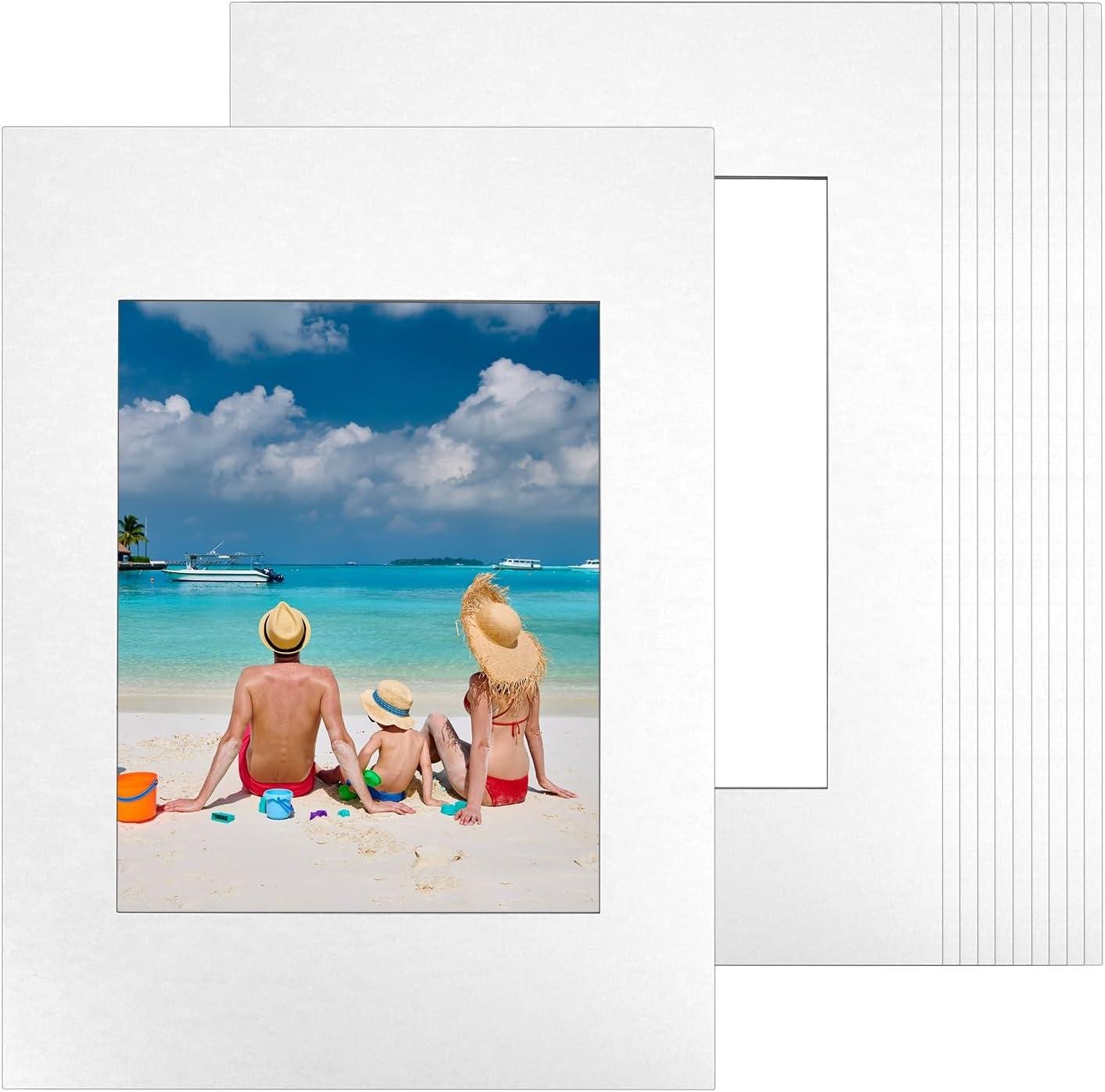
Ever finish a small project—like a keepsake box or a shop-made frame—only to hit a wall at the finish line: the photo mat? Cutting matboard cleanly is one of those deceptively tricky tasks that punishes shaky measuring, dull blades, and cramped bench space with fuzzy fibers, over-cuts, and openings that are just slightly off.
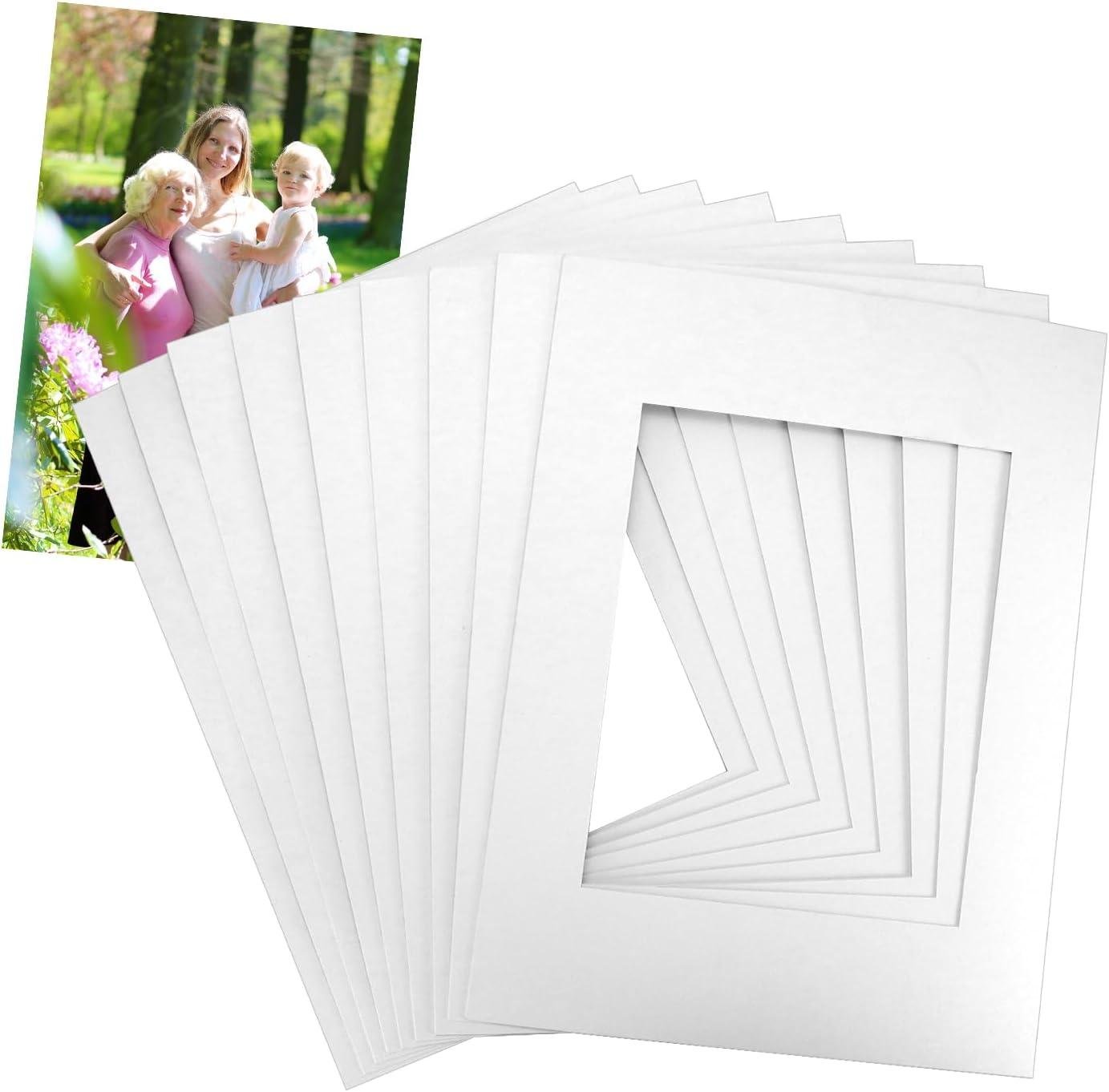
That’s where the QWORK 12×16 pre-cut double picture mats come in. This isn’t a power tool, but it is a precision accessory designed to make framing faster and more consistent: a 10-pack of white-on-white mats with a 45° bevel, sized for a 12×16 frame, and an opening cut to 7.5″ x 9.5″ to hold an 8×10 with a clean overlap. They’re also billed as acid-free, archival-quality to help prevent yellowing over time, with a subtle maroon core for contrast.
In this review, we’ll cover cut accuracy, material feel, ease of use for different skill levels, and weather customer feedback supports the value—especially for woodworkers balancing budget, quality, and shop time. As woodworkers who build frames and displays, we know the details matter.
Tool Overview and First Impressions for Shop Made Frames

In our shop, picture framing sits in that gray area between “finish carpentry” and “fine woodworking,” and the QWORK 12×16 double mat set (10-pack) is aimed at the part of the process where a clean presentation matters as much as the joinery. Thes are pre-cut white-on-white mats designed to drop into a 12×16 frame with a beveled window for an 8×10 photo. Per the listing, the opening is supposed to be 0.5″ smaller than the photo (listed as 7.5″ x 9.5″) to create a proper overlap,and the bevel is described as a 45-degree precision-machine cut. From a woodworker’s outlook, that overlap dimension is the whole ballgame—when it’s right, we can build frames to a consistent rabbet depth and register the stack (glass/mat/photo/backer) without fuss; when it’s wrong, we’re doing workaround layers at the bench instead of moving on to the next glue-up.
Our first impression,based on the spec-and-review picture,is that these mats are best treated as a budget,ready-to-use consumable for shop-made frames rather than a museum-grade matting solution.Multiple reviewers praise them as “sturdy cardstock,” “good value,” and that they “look great in the frames,” but a recurring theme is the window sizing: several customers state the opening is “exactly 8×10” or too large for 8×10 prints, making a true 8×10 “cumbersome” unless you print slightly oversized or add a dark/black backer sheet to hide reveal. Others note the mats are thinner than standard 4‑ply and one report mentions warpage after a few weeks. In practical shop terms, that means we’d plan to keep extra backing board/blotter paper on hand, dry-fit the photo before we finalize frame rabbets or cut glass, and avoid relying on these mats when we need guaranteed archival thickness and long-term flatness.
- Included accessories: 10-pack of pre-cut 12×16 double mats (white-on-white), bevel-cut window
- Compatible attachments/accessories (workshop pairing): backing board (foam core or matboard), black paper backing, framers points, archival tape, glass/acrylic glazing, spacer strips
- Ideal project types: shop-made frames for family photos, fast gift frames, gallery wall batches, craft-fair inventory, client mockups/proofs
- Wood types tested by customers: Not specified in reviews (mats are used with frames, but wood species aren’t mentioned)
| Spec / Claim | What It Means in the Shop | Review Themes to Note |
|---|---|---|
| Fits 12×16 frame | Pairs well with common frame blank layouts and repeatable rabbets | Many say it fits frames and looks great |
| Intended 8×10 photo window (listed as 7.5″ x 9.5″ opening) | Proper overlap should hold the print without showing edges | Repeated complaints that opening is exactly 8×10 or too large |
| 45° bevel cut | Gives that professional “shadow line” without us cutting mats ourselves | Quality called fine/acceptable, but thinness can make bevel less noticeable |
| acid-free / archival-quality | Better for prints than basic paper mats, in theory | One reviewer notes thinner than 4‑ply and reports warpage |
| Accessory | Why We’d use It | When It Becomes “Required” |
|---|---|---|
| Black backing paper | hides reveal if window is oversized | If the opening shows print edges or looks “floaty” |
| foam core / backing board | Adds stiffness and helps keep the stack flat | If mats feel thin or start to wave |
| Spacer strips | Prevents photo sticking to glazing and improves presentation depth | For humid shops or glossy prints |
| Fit Expectation | Recommended (for true mat overlap) | What some customers report |
|---|---|---|
| 8×10 photo window opening | 7.5″ x 9.5″ (per description) | 8″ x 10″ opening or too large, requiring backing/oversize print |
See Full Specifications & Customer Photos
Real World performance for Matting Prints and Photos in Woodworking Projects

In the shop, we tend to treat picture mats like any other “finish detail” component—one that has to fit cleanly inside a frame and stay flat over time. The QWORK set is a 10-pack of 12×16 white double mats intended for an 8×10 photo, with a stated opening of 7.5″ x 9.5″ (a 0.5″ overlap) and a machine-cut 45-degree bevel. On display boards for craft shows, cabinet-shop gift builds, or hardwood frames we’re sending out with family photos, that bevel matters because it hides minor edge irregularities and gives a crisp shadow line without us reaching for a mat cutter. Multiple reviewers echo the practical upside—“sturdy cardstock,” “good value,” “looks great in the frames,” and “just what I ordered”—which lines up with using these as quick, consistent presentation mats when we’d rather spend time milling stock than trimming matboard.
Where real-world performance gets touchy for woodworking projects is fit and stability. Several customers report the opening is “exactly 8×10” (not 7.5″ x 9.5″ as described), and others say the openings are too large for standard 8×10 prints—so we should plan on a test-fit before we seal up a frame back or commit to a production run of identical frames. In practice, if the photo doesn’t “bite” under the bevel, we can still save the build: a backing layer (black paper, blotter paper, or a slightly oversized print) can remove gaps and improve contrast, and careful use of archival mounting corners keeps photos from shifting without adhesives.Review themes also mention these mats are thin (some compare them unfavorably to 4-ply) and one report notes warpage after a few weeks, which matters in humid shops or when pairing with oily woods that can off-gas; we’d store them flat, keep them away from finishing fumes, and lean on a rigid backer board inside the frame. For woodworkers doing one-off frames or show kits, they can be a workable shortcut—just not a “trust it blindly” component if we’re chasing tight, gallery-grade tolerances.
See Full Specifications & Customer Photos
Key Features Woodworkers Will Appreciate for Clean Presentation and Fit
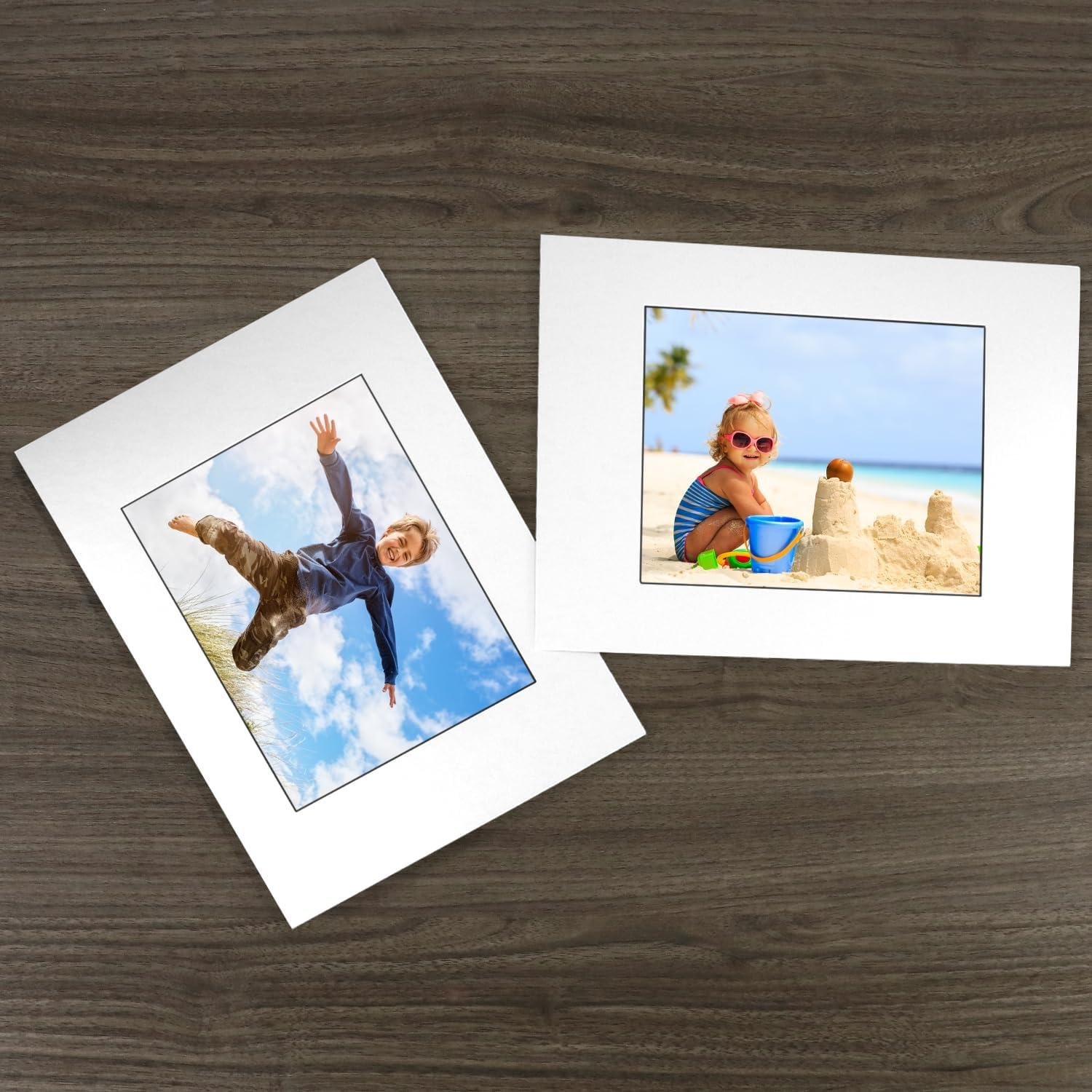
In the shop, we tend to judge “presentation” hardware the same way we judge a good jig or a well-tuned fence: does it help us hit the same result every time. On paper, these QWORK mats aim at that kind of repeatability—each piece is a 12×16 double mat for an 8×10 display, with a 45-degree bevel that’s machine cut for a cleaner reveal than most of us want to fuss with on a manual mat cutter. The listing also calls out an opening that’s 0.5″ smaller (7.5″ x 9.5″) for proper overlap, plus acid-free, archival-quality matboard to reduce yellowing over time—useful when we’re framing family builds, show placards, or piece documentation we may hang in the shop office. In real-world terms, it’s a fast way to “dress up” our work without building a shadowbox or milling custom trim every time, and several reviewers echo that it “looks great in the frames,” “worked well,” and feels like a good value for the price.
where we need to be deliberate—like checking squareness before we commit glue-up—is fit, because customer feedback repeatedly flags that the window sizing can be inconsistent with what’s shown. Multiple reviewers report the opening is “exactly 8×10” or even “too large for 8×10 prints,” which defeats the usual mat “lip” that keeps a print from slipping and hides slightly imperfect edges. If we’re using these for client photos of a build, certificates, or show signage, our workaround is the same mindset as shimming a hinge: plan a backer. Reviewers suggest adding black paper or an extra sheet behind the print to tighten the presentation, and that’s practical advice for us—especially if our prints are a hair undersized.There’s also a recurring note that the mats are thin (some compare them unfavorably to 4‑ply) and a few mention warpage after a few weeks,so for true archival framing we’d treat these as “light-duty shop display” unless we seal them in a properly supported frame stack (rigid backing + clean tape lines) and keep humidity swings in check. See Full Specifications & Customer Photos
Ease of Use for Beginners and Experienced Frame Builders

For beginners in the shop, these QWORK mats are about as “plug-and-play” as picture framing gets: they’re pre-cut 12×16 with a 45-degree bevel, so we can skip the learning curve (and mess) of cutting clean bevels with a mat cutter. In practical terms, that’s fewer chances to crush corners, overcut, or drift off a pencil line—issues we’ve all had when we first tried trimming matboard with a utility knife on the bench. The product description says the window is 7.5″ x 9.5″ (a 0.5″ overlap on an 8×10), which should make alignment straightforward for a first-time frame build.However, customer feedback repeatedly flags a measurement mismatch—multiple reviewers say “the hole is exactly 8×10” or that the openings are “too large for 8×10 prints”—so beginners should be ready for the classic workaround: print slightly oversized, float-mount, or back the photo with a darker sheet to mask edge gaps.
For experienced frame builders,these mats function more like a time-saving consumable than a precision component. When we’re batching gifts, show kits, or quick client proofs, the 10-pack format and consistent factory bevel can speed up workflow—especially if our main job is building the wood frame, not fine art matting. Reviews frequently enough call out “good value,” “looks great in the frames,” and “sturdy cardstock”, but they also mention the board is thin (not “standard 4-ply”), with one report of warpage after a few weeks. That matters in a woodshop: thin mats can telegraph any slight twist in a rabbeted frame, and they don’t forgive humidity swings like thicker board. If we choose to use these, it’s worth dry-fitting the stack in the rabbet, adding a proper backing board, and keeping the assembly flat under light weight until it’s sealed—simple habits that help even budget mats present cleanly.
- Included accessories: 10x pre-cut double mats (fits 12×16 frames), white-on-white face with maroon core, 45° bevel-cut window (spec lists 7.5″ x 9.5″)
- compatible attachments/accessories: backing board (foam core or archival board), framers points/brads, ATG tape or archival hinging tape, black/brown kraft paper dust cover, glazing (glass/acrylic), spacer strips for float mounts
- Ideal project types: batch picture frames, gift frames, craft show display frames, quick shop samples, art/photo presentation inside wooden frames
- Wood types tested by customers: Not specified in reviews (mats are used with frames rather than wood species-specific applications)
| Spec Area | What the Listing States | What Review Themes suggest |
|---|---|---|
| Outside size | 12″ x 16″ (fits 12×16 frame) | Generally reported as fitting frames well (“looks great in the frames”). |
| Window opening for 8×10 | 7.5″ x 9.5″ (0.5″ smaller than photo for overlap) | Multiple reviews say opening is exactly 8×10 or too large, making an 8×10 “cumbersome.” |
| Bevel | 45-degree precision machine cut | Quality described as “fine/acceptable,” but thinness can make bevel less noticeable. |
| Material | Acid-free, archival-quality matboard | Some note thin stock and one reports warpage after weeks. |
| Accessory | Why We’d Use It in the Shop | Notes |
|---|---|---|
| backing board (foam core) | Stiffens thin mats; helps keep the assembly flat in a wood frame rabbet | Useful if reviewers’ warpage concerns show up in our climate. |
| Black paper/backer sheet | Masks any window that’s larger than expected; improves contrast | matches the common review workaround: “put a piece of black paper behind it.” |
| Archival hinging tape | Cleaner mounting than glue; easier repositioning | Helps if the window fit is inconsistent and we need micro-adjustments. |
| Capacity Item | Recommended (for best results) | Actual (based on specs/review themes) |
|---|---|---|
| photo sizing for an “8×10” opening | Print slightly oversized or plan for overlap (typical matting practice) | Several reviewers report the opening is exactly 8×10 or too large, so an exact 8×10 may not be held tightly. |
| Flatness expectations | Use thicker (4-ply) mats for higher-end, humidity-resistant builds | Reviews describe mats as thin with at least one report of warpage. |
See Full Specifications & Customer Photos
Customer Reviews Analysis
What Woodworkers Are Saying (Review Analysis)
1. Overall sentiment from woodworking customers
Several woodworkers and DIY crafters describe these mats as a solid budget buy—especially if the goal is a cleaner, more “finished” presentation in a frame without paying for thicker archival matboard. Common praise includes good value, nice visual improvement, and “worked well” results.
Having mentioned that, multiple reviews highlight frustration with the opening size/fit expectations and thinness/warping, which pulls overall sentiment into mixed territory.
2.performance feedback (accuracy, power, results)
For “performance” in this context—how well the mats actually work in a framing setup—reviews focus heavily on fit accuracy and final presentation:
- Fit/results: Several woodworkers mentioned the mats look great in frames and improve the presentation of an 8×10 photo when everything aligns.
- Precision/accuracy: Some users reported challenges with the opening measurement. Multiple reviews highlight that the opening is exactly 8×10, which can be annoying because many mats are expected to “overlap” the print slightly to hold it cleanly. One reviewer summarized the workaround: “print your image slightly large, or put a piece of black paper behind it.”
- Contradictory fit experiences: Reviews conflict—some say the opening is exactly 8×10 (making it hard to seat an 8×10 cleanly),while another says the openings are too large for 8×10 prints. The consistent theme is that fit may not match buyer expectations, and tolerance/consistency may be an issue.
3. Build quality and durability observations
Durability comments lean cautious:
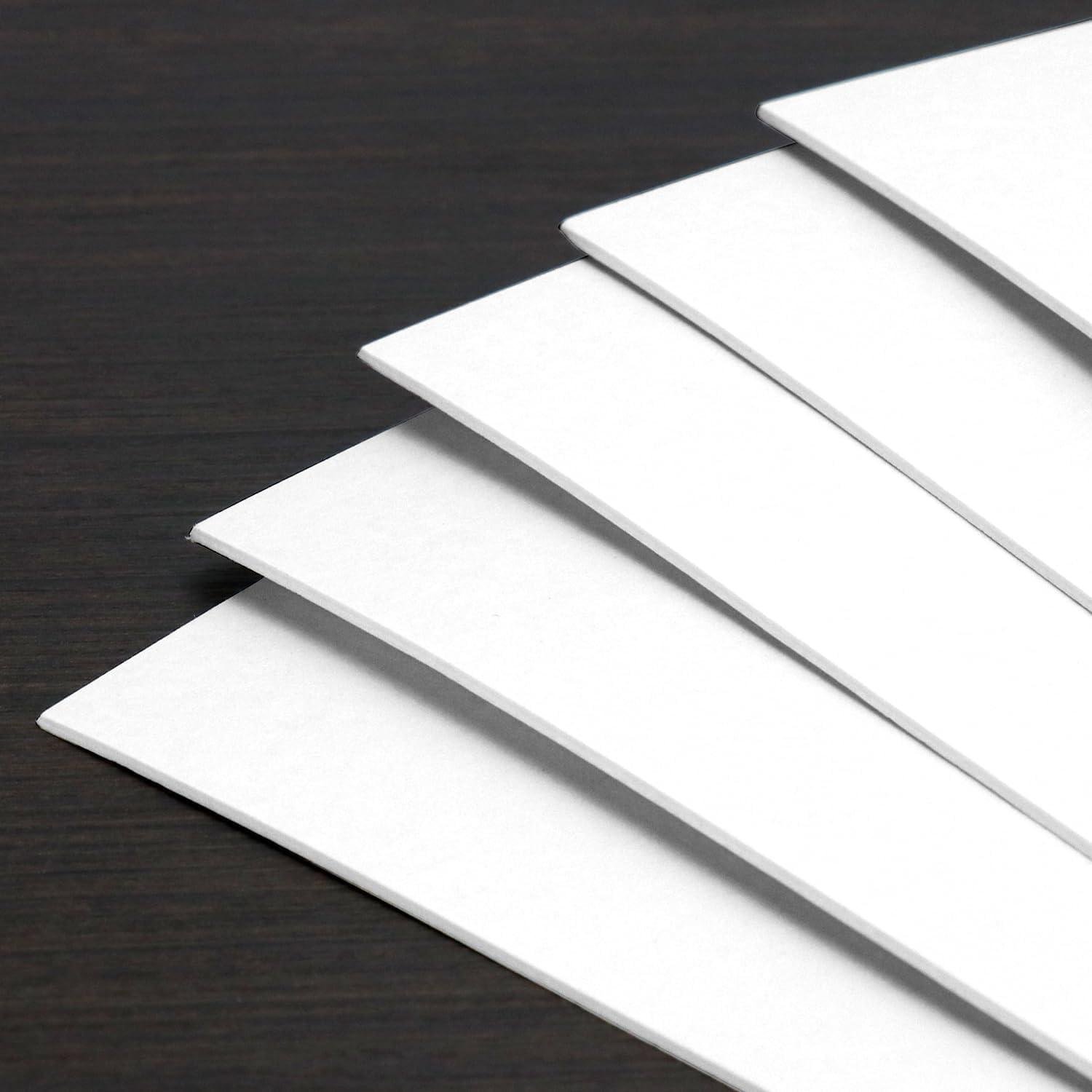
- material quality: Several reviewers describe it as “sturdy cardstock” rather than a thicker matboard. One reviewer explicitly notes it’s much thinner than standard 4-ply, which matters to makers who care about archival-quality presentation.
- Warping: Some users reported challenges with warpage over time—one review mentions noticeable warping after about three weeks.
- Overall quality baseline: A recurring sentiment is “fine (not great)”—acceptable for quick display work,less ideal for long-term or premium framing.
4. Ease of use for different skill levels
- Beginners / casual DIYers: Beginners appreciated the straightforward “drop-in” nature—comments like “just what I needed” and “worked well” suggest minimal setup friction when expectations match reality.
- More detail-oriented crafters: Experienced, precision-minded users noted the measurement depiction and real-world fit can create extra steps (backing sheets, repositioning, trimming prints, or changing print scaling).
5. Common project types and success stories
While reviewers don’t describe traditional woodworking builds (cabinets, furniture, etc.), the “project” use-case is clear:
- Framing family photos and art prints: Customers successfully used this for 8×10 photo display inside 12×16 frames, improving the look with a crisp white border.
- Quick presentation / show-ready display: Several reviews imply these are handy for fast turnaround framing—one user mentioned being in a hurry and making it work with added backing behind the print.
- Budget upgrades: Multiple reviews suggest even a thin mat can dramatically improve presentation—good for makers who want a clean display without custom mat cutting.
6. issues or limitations reported
Some users reported challenges with:
- opening size/measurement mismatch: multiple reviews highlight the opening doesn’t behave like many buyers expect for an 8×10 (either exactly 8×10 or inconsistent, depending on the review).This can make placing an 8×10 print “cumbersome” or unreliable without backing tricks.
- Thin, non-archival construction: Several reviewers noted these are not 4-ply and not ideal for archival framing expectations.
- Warping over time: At least one reviewer reports warpage after a few weeks, a red flag for long-term display quality.
- Quality vs. expectation gap: Repeated theme: acceptable for the price, but not premium—and the measurement/fit concern is described as “very offsetting.”
| Aspect | Common Feedback |
|---|---|
| Performance (Results) | Many say it looks great in frames; some needed backing paper or adjusted prints to get a clean reveal. |
| Precision (Fit/Accuracy) | Mixed—multiple reviews cite the opening being exactly 8×10 (not overlapping as was to be expected); others report openings feel too large for 8×10 prints. |
| Build Quality | Thin “sturdy cardstock” feel; overall quality described as fine but not premium. |
| Durability | warping reported in at least one review after a few weeks. |
| Ease of Use | Easy for quick framing; more finicky for users expecting true mat overlap or tight tolerances. |
| Value | Frequently praised as a good price for a visual upgrade—if the fit works for your prints. |
Pros & Cons
Pros & Cons
When we’re matting prints for customers (or prepping our own display wall), we want two things: a clean, professional reveal and repeatable results. After working with the QWORK 12×16 Picture mats cut for an 8×10 photo (10-pack), here’s how the experience stacks up in our shop.
Pros
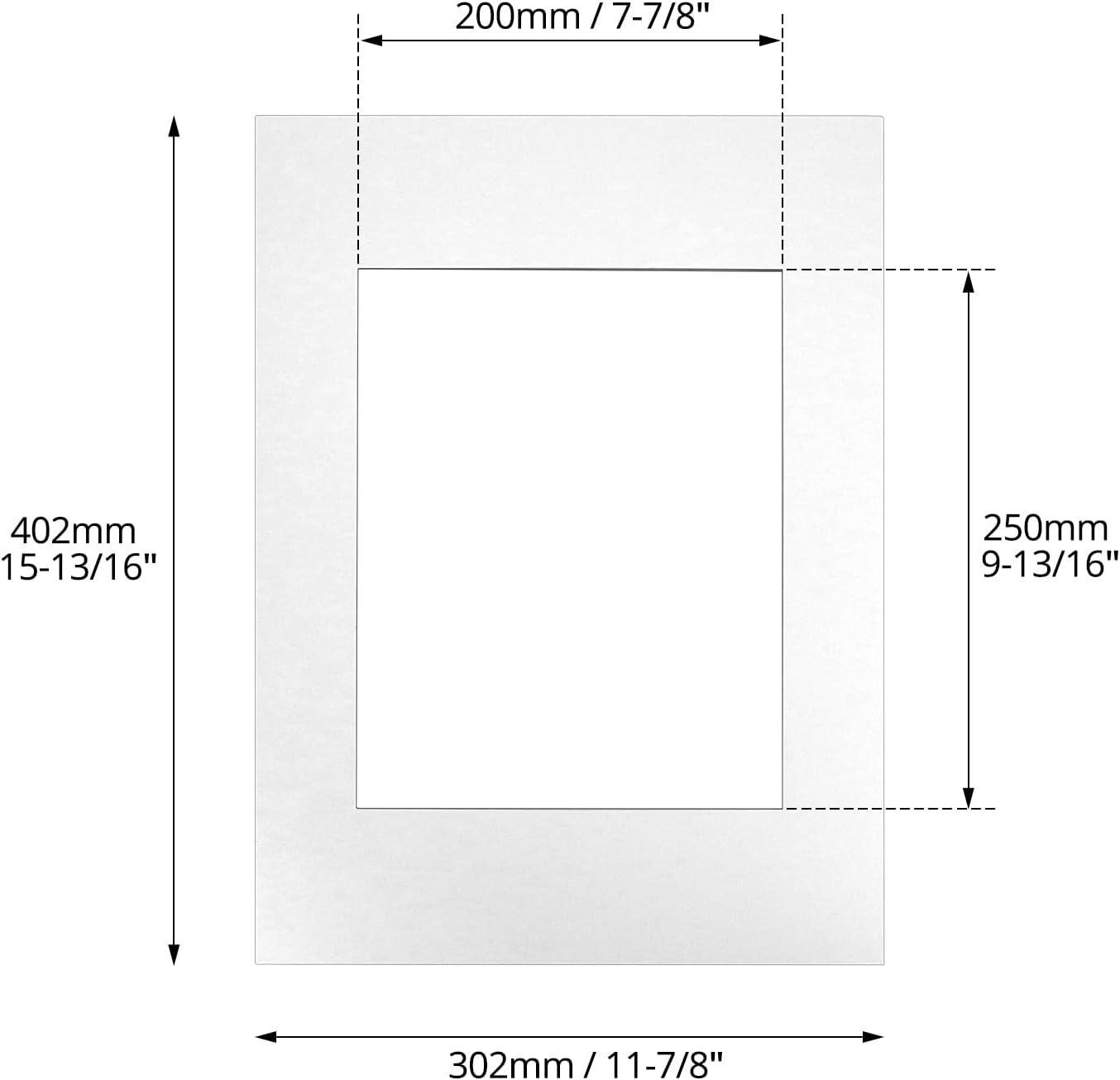
- Consistent “shop-ready” fit: The 12×16 outside size is straightforward for standard frames, and the opening is intentionally smaller (7.5″ x 9.5″) so our 8×10 prints sit securely with a neat overlap.
- Clean 45° bevel presentation: The bevel cut reads crisp on the wall—exactly the kind of edge that makes even simple family photos feel more “gallery.”
- Acid-free, archival intent: for pieces we expect to hang for years, we appreciate the acid-free matboard spec to help reduce yellowing over time.
- Luminous white double-mat look: The white-on-white style gives a fresh, minimal finish that works with most décor and doesn’t fight colorful prints.
- Subtle color pop at the core: The maroon core creates a thin accent line on the bevel—small detail, but it can make a print feel more considered without adding a full colored mat.
- Bulk pack efficiency: A 10-pack is convenient when we’re batching framing jobs or prepping multiple items for a market display.
Cons
- the opening won’t show the full 8×10: Because it’s designed to overlap, any importent text or edge detail near the border of an 8×10 could get covered. We need to crop/position thoughtfully.
- Maroon core isn’t truly “neutral”: We love it for some prints, but if we’re matching a strict black/white palette, that hint of maroon may be noticeable.
- Limited style flexibility: White-on-white is versatile, but if our framing jobs need warmer whites, creams, or bold color mats, these won’t cover that range.
- Best for standard sizing only: If we’re mounting artwork that’s slightly off-size or needs custom margins, pre-cut mats can be less forgiving than cutting in-house.
| Quick Spec Check (How We Use It) | What It Means in Our Shop |
|---|---|
| Outside size: 12×16 | Easy pairing with common ready-made frames. |
| Opening: 7.5″ x 9.5″ | Creates a secure overlap; we avoid placing key details near the edge. |
| Cut: 45° bevel | Delivers that “finished” gallery edge without extra work. |
| Material: acid-free / archival | Better choice for prints we want to protect long-term. |
| Look: white-on-white + maroon core | Clean with a thin accent line that can elevate certain images. |
Q&A
Will these mats fit a standard 12×16 frame and hold an 8×10 photo without slipping?
Sized for a 12×16 frame, yes.The opening is the make-or-break detail. The listing claims a 7.5″ x 9.5″ bevel opening (a typical 0.25″ overlap per side for an 8×10), but multiple buyers report the window is actually closer to a full 8×10, which can let a true 8×10 print slide or show gaps. if you need a guaranteed overlap, plan to test one mat first, or be ready to “oversize” your print slightly, or add a backing sheet (black paper/blotter) behind the photo to hide any reveal.
Are these “archival” enough for finished woodworking projects like gift frames or show pieces?
The mats are described as acid-free/archival-quality, which is the key spec for preventing yellowing over time. However, several reviewers note the board feels thinner than standard 4-ply matboard and some saw warpage after a few weeks.For heirloom work or customer commissions, you may want to step up to a thicker 4-ply (or museum-grade) mat. For hobby builds, craft shows, or short-to-medium term display, many customers felt they looked good and were a solid value.
How clean is the bevel cut—will it look “pro” next to a well-made hardwood frame?
These are advertised as machine-cut with a 45° bevel and “no over-cuts.” In practice,the bevel quality is generally described as acceptable for the price,with several users saying they look great in frames. Just note that on thinner matboard, the bevel can appear less significant than a thicker 4-ply mat—fine for casual displays, but it may not match the visual weight of a premium frame build.
What materials can this handle—will it work for mats behind veneers, plywood art panels, or laser-engraved plaques?
Think of these as display mats, not structural shop material. They’re matboard/cardstock-like and intended to present photos, paper art, or lightweight prints. They’ll work well behind thin items like paper prints, drawings, and photos, and can definitely help “finish” plywood/veneer art panels if the artwork itself is properly mounted to a rigid backing. If you’re framing something heavier (thin wood carvings, layered plywood art, or thicker plaques), you’ll want a sturdier backing board and possibly spacers—these mats alone aren’t meant to support weight.
Do these work with standard framing accessories (ATG tape, photo corners, backing boards, glass/acrylic)?
Yes—nothing proprietary here. Use photo corners if you want fully reversible mounting, or ATG/double-sided framing tape for a flatter presentation. Because some users report the opening may run large, a common fix is adding a dark “sink” layer (black paper) or an extra backing sheet to prevent the print edge from showing. Pair with a rigid backing board and glass/acrylic like you would in any 12×16 frame package.
Is there any setup or “tuning” like a woodworking tool,or is it ready to go?
They’re pre-cut and ready to install—no setup,adjustments,or special skills required. The only “fit check” you should do (especially for production runs) is verify the actual window size against your prints before you mount everything. A quick dry fit on the first frame can save a lot of rework.
Will these hold up in a workshop surroundings or small studio (humidity, seasonal movement)?
Matboard is sensitive to humidity changes, and at least one reviewer reported warpage within weeks. If your shop swings in humidity/temperature, store these flat, keep them wrapped until use, and avoid leaning them against a wall. For frames going into cabins, bathrooms, or other humid spaces, consider upgrading to thicker mats and sealing your wood frame well, plus using a proper dust cover on the back to reduce moisture exchange.
Are they a good value for batch projects, or should I buy better mats for professional work?
for the price, many buyers felt they were “good value,” fit well in frames, and improved the look of photos. The tradeoffs reported are thinner-than-expected board, occasional warpage, and inconsistent/incorrect opening size vs. advertised measurements.For craft fairs, gifts, or quick frame builds, they can be a cost-effective option. For professional client work where fit and flatness must be consistent, you’ll likely be happier cutting your own 4-ply mats or buying premium pre-cuts with tighter tolerances.
Discover the Power
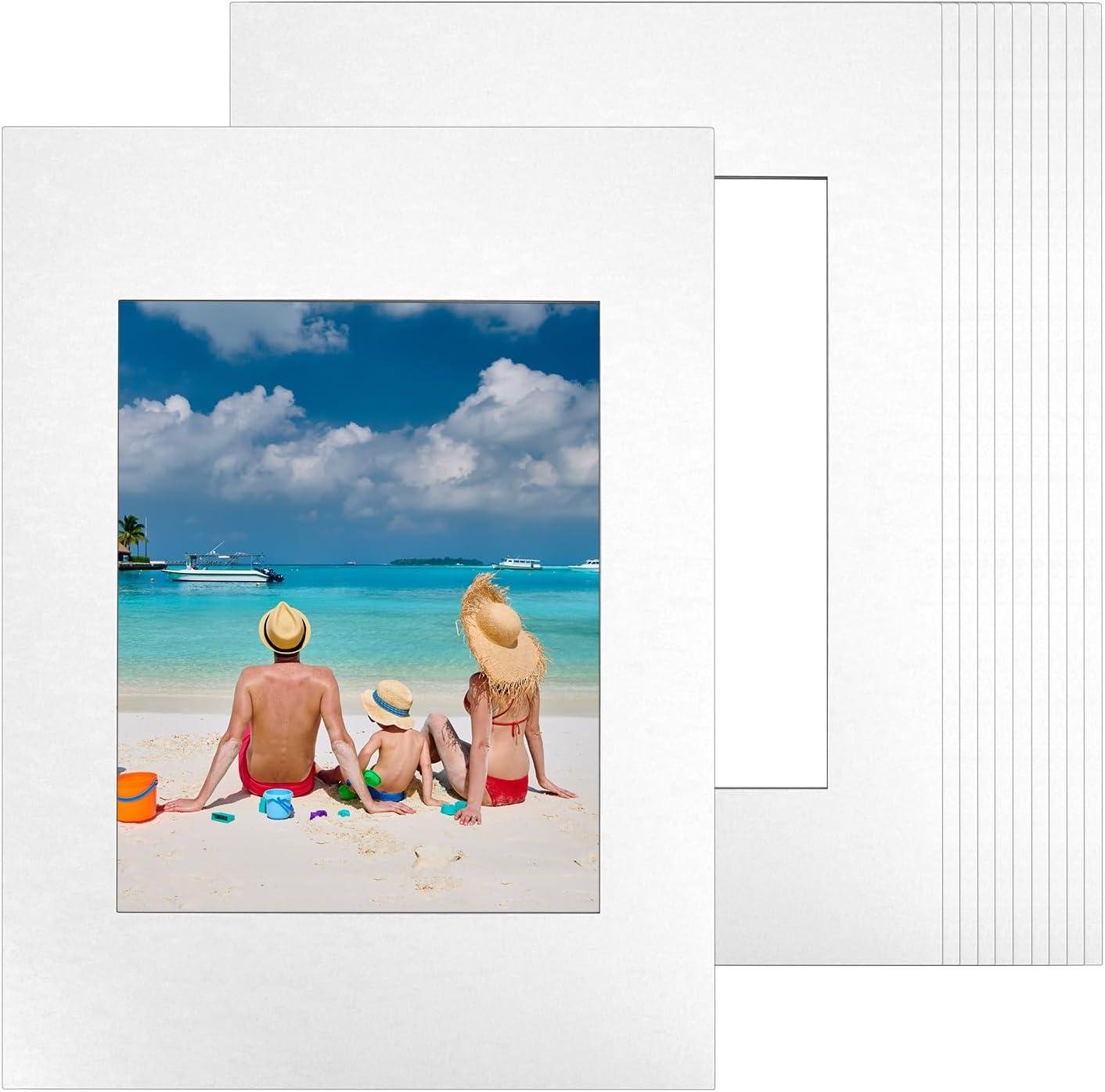
Tool Summary: The QWORK 12×16 double mat set includes 10 pre-cut, acid-free white-on-white mats designed for a 12×16 frame with a bevel-cut opening intended for 8×10 photos. The manufacturer notes a 45° machine-cut bevel and an opening sized 0.5″ smaller for overlap, but customer feedback is mixed—many like the crisp look and value, while others report the opening is actually a true 8×10 (or runs large), plus the board is thinner than expected and can warp.
Best For: Ideal for hobby woodworkers finishing small to medium projects—picture-frame builds, shop-made gifts, craft fair frames, or quick client mockups where speed and clean presentation matter more than museum-grade thickness.
Consider alternatives If: You need consistent “8×10 with overlap” sizing, true 4‑ply (or thicker) rigidity, or long-term archival flatness for premium hardwood frames.
Final Assessment: A solid budget option for everyday framing, but sizing inconsistency and thin stock limit precision work.
Want to see current pricing and customer photos? View on Amazon & Read More Reviews →