

Blog
Edge Supply Edge Banding Tape Review: Right for Us?

Ever look at a freshly cut plywood shelf or cabinet side and think,“The edge is what’s going to give this away”? Getting a clean,furniture-grade edge can be a precision problem as much as a finishing one—tear-out, uneven trimming, glue squeeze-out, and the dreaded chip that shows up right at the end of a panel. And when shop space (and budget) won’t justify a full edge-banding setup, we need a solution that’s accurate, durable, and forgiving.
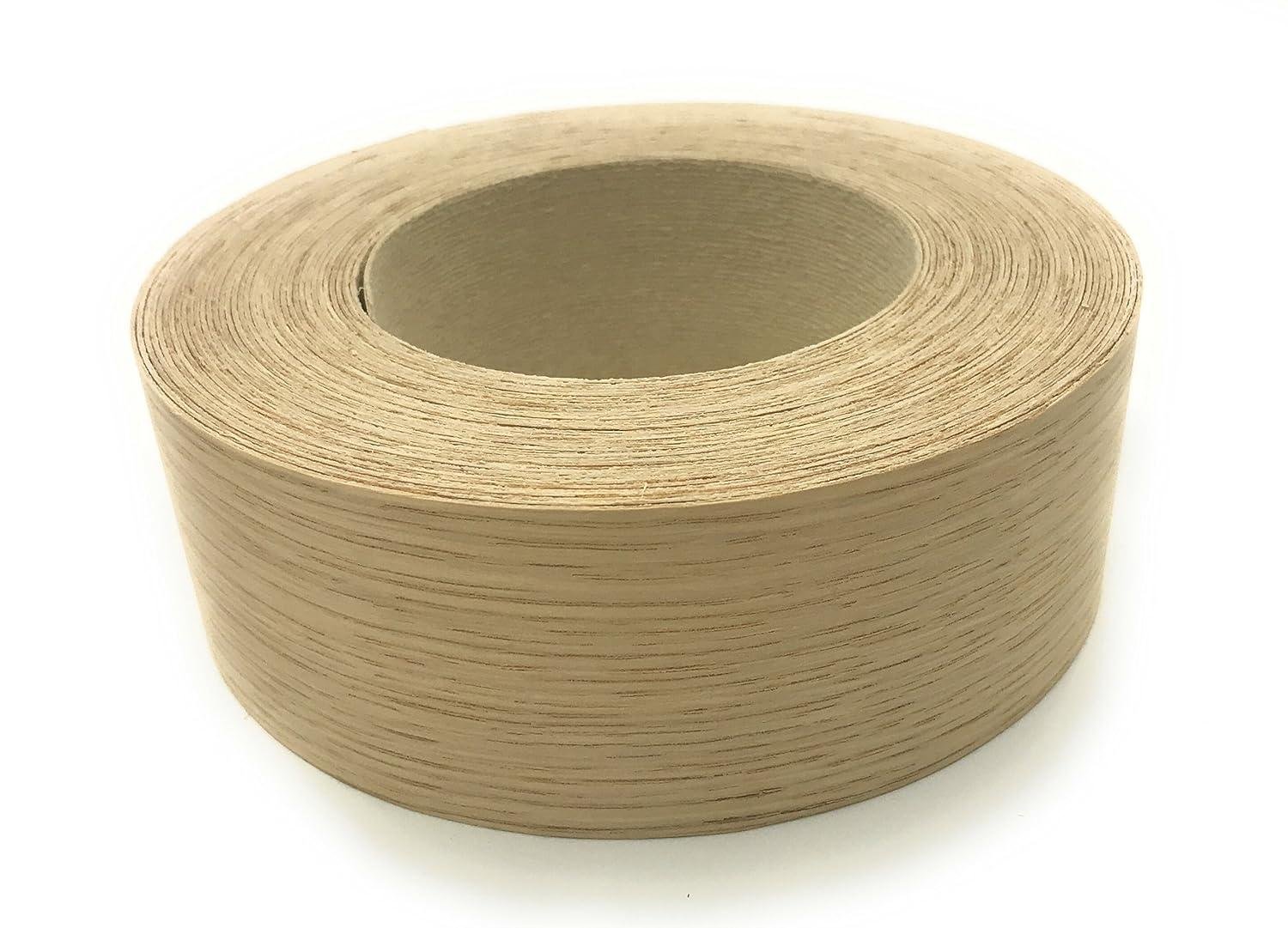
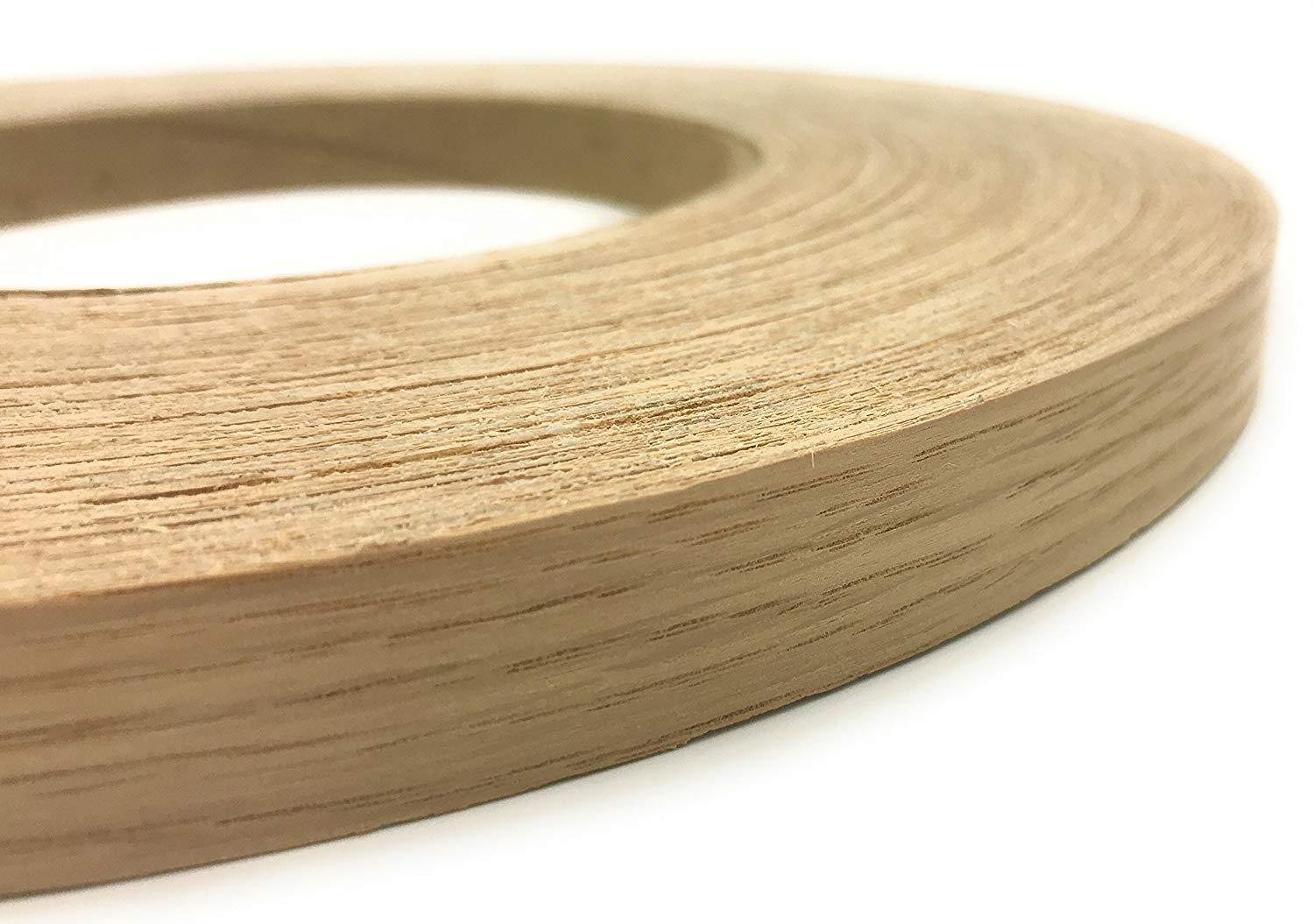
That’s where the Edge Supply White Oak 3/4 in x 50 ft pre-glued iron-on veneer edge banding comes in. It’s real “A” grade White Oak veneer with a pre-applied hot melt adhesive (described as German-engineered) and a smooth, sanded finish, designed to be applied with a household iron, heat blower, or an edge banding machine.
In this review, we’ll cover key features, ease of installation and trimming, compatibility with MDF/plywood/particleboard, and value for DIYers vs. pros—plus what customers report in the product’s strong 4.6-star rating across thousands of reviews.Our viewpoint comes from years of typical shop work—cabinets, shelves, and furniture projects where small details make or break the final look.
Tool Overview and First impressions of This White oak Edge banding
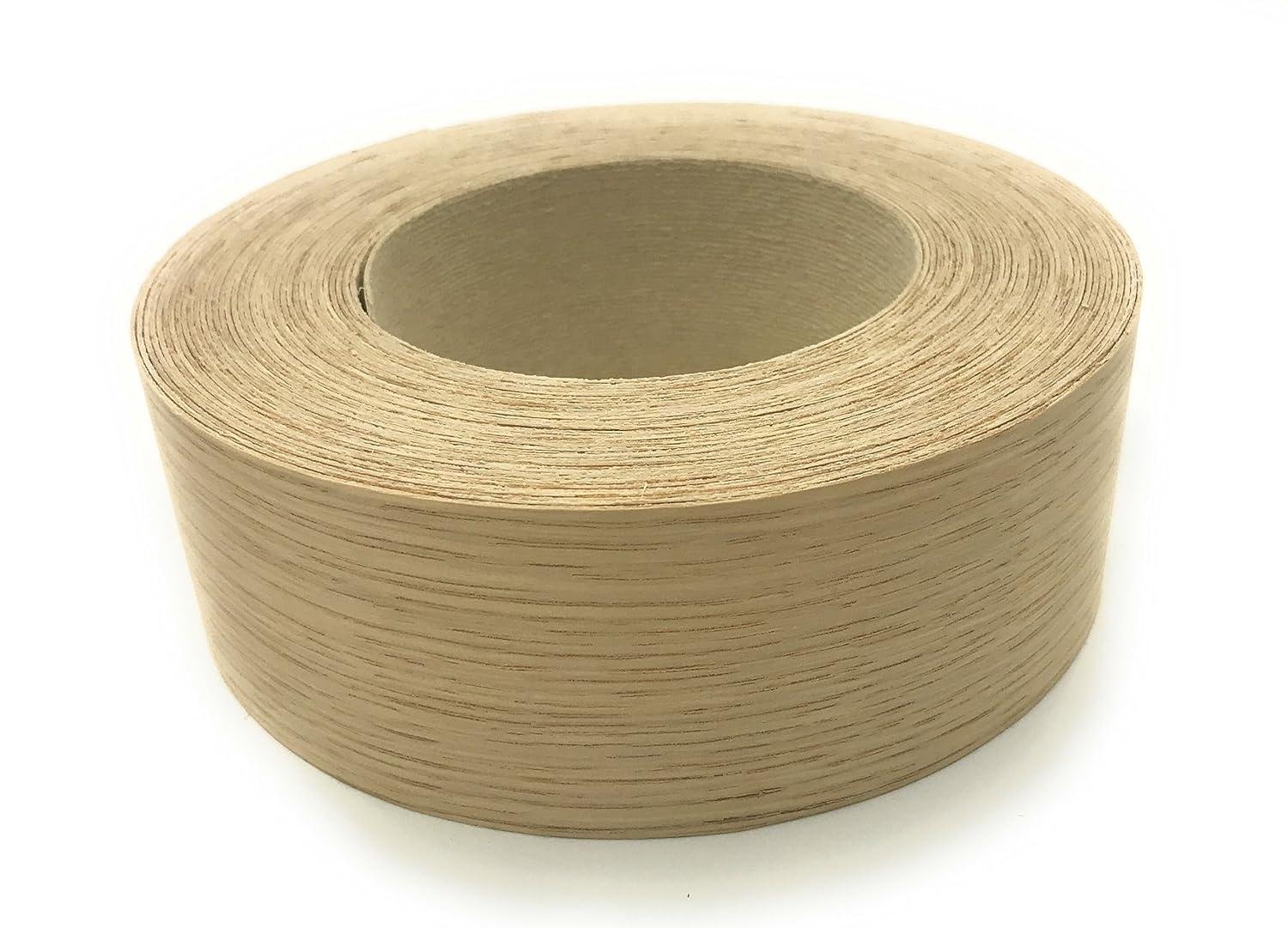
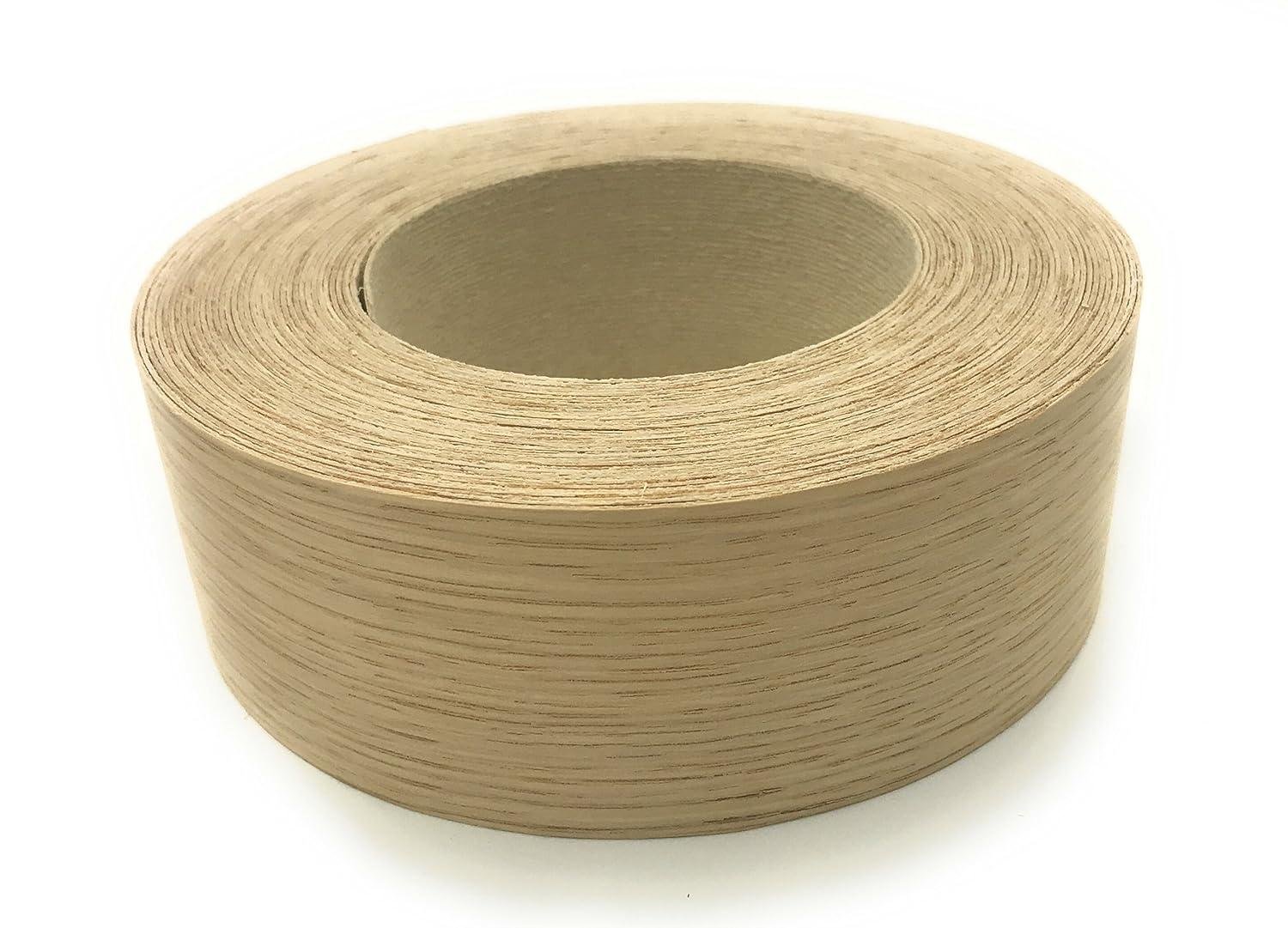
When we first unboxed the Edge Supply White Oak edge banding, it read more like a “shop consumable” than a tool—but in day-to-day woodworking, edge tape absolutely behaves like one: it’s a fast, repeatable way to turn a raw plywood edge into something that looks intentional. This roll is the 3/4 in x 50 ft size with pre-glued hot melt adhesive (the listing calls it German-engineered adhesive), and it arrives on a sturdy internal paper core that keeps it tight and manageable instead of springing into a curly mess. The banding itself has a smooth sanded finish and, per specs, it’s Made in USA. Physically, it’s light and compact on the bench—package dimensions are 6.69 x 6.5 x 0.87 in and listed weight is 5.93 oz—which matters more than you’d think when you’re trying to store multiple species and widths without dedicating a full drawer to edge banding.
In use, this is classic iron-on veneer tape: we align it carefully, apply heat (a household iron, heat gun, or edge bander all work per the description), then trim flush once the glue sets. Customer feedback lines up with that workflow—reviewers repeatedly call it “super easy to install” and say it delivers a “clean, professional finish”, with multiple mentions of no bubbling or peeling when heat and pressure are applied evenly. A few woodworkers note the veneer is “pretty thin” compared to supplier-bought banding, so our first impression is that technique matters: keep the iron moving to avoid scorching, press firmly (a wood block works well), and trim with a sharp knife or edge trimmer to prevent tear-out. We also saw consistent themes that it takes stain and polyurethane well and matches common sheet goods nicely (including poplar ply and IKEA-style oak panels), with one useful caution that undertone can vary by width. As always, for damp areas the unfinished veneer needs a topcoat—edge banding hides the core, but it doesn’t replace a proper finish.
- Included accessories:
- 1 roll of pre-glued white oak veneer edge banding (3/4 in x 50 ft)
- Internal paper core for stability and storage
- Compatible attachments/accessories:
- Household iron (cotton setting typically works—test on scrap first)
- Heat gun / heat blower
- Edge banding machine
- Edge banding trimmer or sharp utility knife
- Hardwood block or J-roller for pressing while warm
- Ideal project types:
- Cabinet boxes and face-frame-less casework
- Drawer parts and shelves
- Furniture panels and shop-built organizers
- DIY plywood projects needing a finished edge fast
- Wood types tested by customers (as reported in reviews):
- Poplar plywood
- Maple plywood
- White oak plywood / oak-look panels (including IKEA kitchen applications)
| Spec / Detail | Edge Supply White Oak Roll (This Product) | Why It Matters in the Shop |
|---|---|---|
| Width | 3/4 in | Best when your substrate edge is truly 3/4″; wider tape can be easier to flush-trim. |
| Length | 50 ft | Plenty for small cabinet runs and furniture, but reviewers note it can go quickly on big builds. |
| Adhesive | Pre-glued hot melt | Speeds up workflow—apply heat/pressure, cool, then trim. |
| Finish state | Smooth sanded, unfinished | Ready for stain/clear coat; needs sealing in moisture-prone areas. |
| Package size / weight | 6.69 x 6.5 x 0.87 in; 5.93 oz | Stores easily; convenient to keep multiple rolls on hand. |
| Accessory | Compatible? | Workshop note |
|---|---|---|
| Household iron | Yes | Common reviewer method; keep heat moderate and use firm pressure. |
| Heat gun | Yes | Helpful for awkward parts; watch for overheating thin veneer. |
| Edge banding machine | Yes | More production-friendly; consistent speed/pressure improves repeatability. |
| Edge trimmer (manual) | Yes | reduces tear-out vs. freehand trimming, especially on thin veneer. |
| Capacity Consideration | Recommended | Actual (Per Specs/Reviews) |
|---|---|---|
| Edge width to cover | Use slightly wider than panel thickness (e.g., 1″ for 3/4″ ply) | This roll is 3/4″; works best when the edge is truly 3/4″ and aligned carefully. |
| Moisture exposure | Topcoat required | Reviewers note it’s unfinished; seal it if water/steam is possible. |
See Full Specifications & Customer Photos
Real World Performance on Plywood Panels and solid Wood Edges
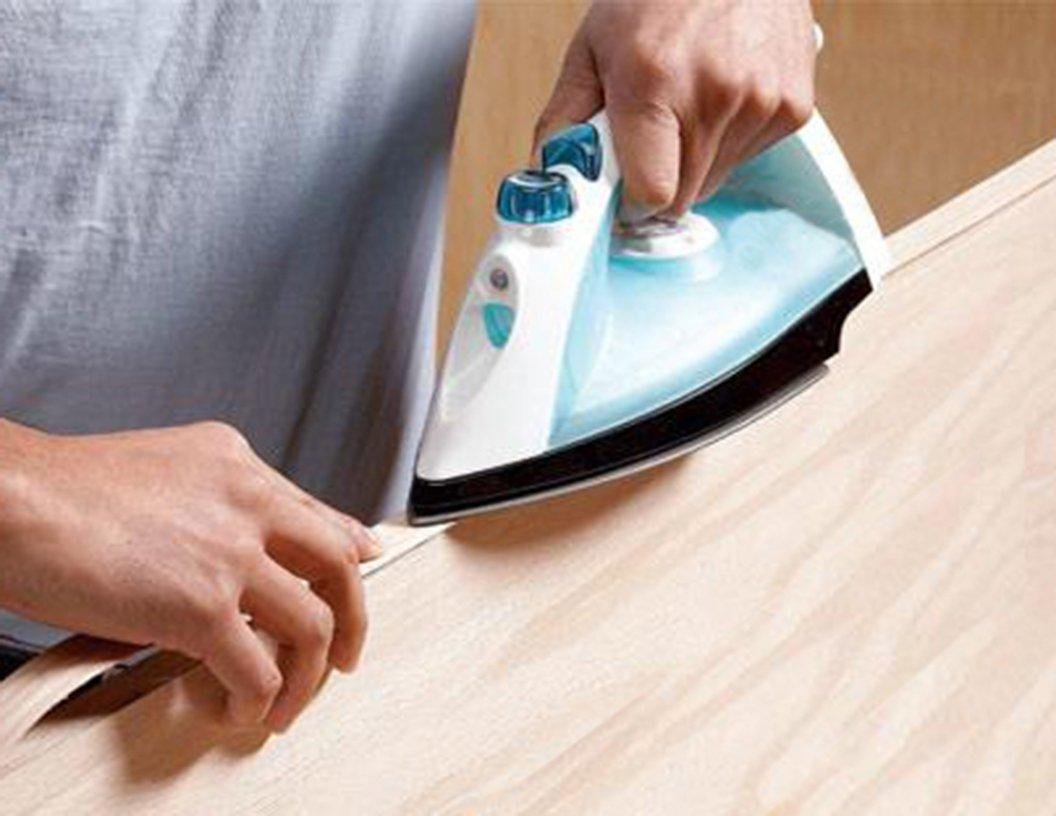
On real sheet-goods work, this Edge Supply roll behaves the way we want edge banding to behave: it stays straight, heats up predictably, and trims cleanly. The roll we’re looking at is 3/4 in wide x 50 ft long with a pre-applied hot melt adhesive (the listing calls it a German-engineered hot melt) on a smooth, sanded “A” grade white oak veneer. In our shop, that spec matters most when we’re wrapping exposed plywood edges on cabinet parts and shelves—alignment is easier when the tape uncoils flat and doesn’t fight us. That lines up with common customer feedback praising that it’s “super easy to install”, that the strip is “very straight” on long edges, and that it bonds “with no bubbling or peeling” when applied with a household iron or a heat gun. We also noted the frequent theme that the veneer is “pretty thin” compared to some local-supplier banding; in practical terms, that just means we need to keep our trimming tools sharp and avoid aggressive sanding through the face.
Where the tape really earns its keep is on transitions between plywood panels and solid wood components—like drawer boxes, face-frame parts, or solid edging we add in select locations. Reviewers repeatedly mention color/grain consistency and “hard to tell it was a veneer,” and we’ve found that a consistent grain helps the edge read like real hardwood once finish goes on. Several customers also report it takes stain and polyurethane well and looks smooth and consistent, which is key when we’re trying to blend edges into a finished panel. Technique-wise, we get the best results by heating in short sections, pressing firmly (a wood block or J-roller helps), then trimming only after the glue cools—especially on 3/4-inch material where any slight misalignment shows immediately. For solid wood edges, we treat it like any other veneer: keep the substrate edge flat, break sharp corners lightly, and don’t oversand. One more practical takeaway echoed by reviewers: 50 feet goes quickly, so for a full kitchen’s worth of parts we’d plan on multiple rolls or stepping up to a longer length option.
See Full Specifications & Customer Photos
Key Features Woodworkers Will appreciate in the Pre Glued veneer Tape
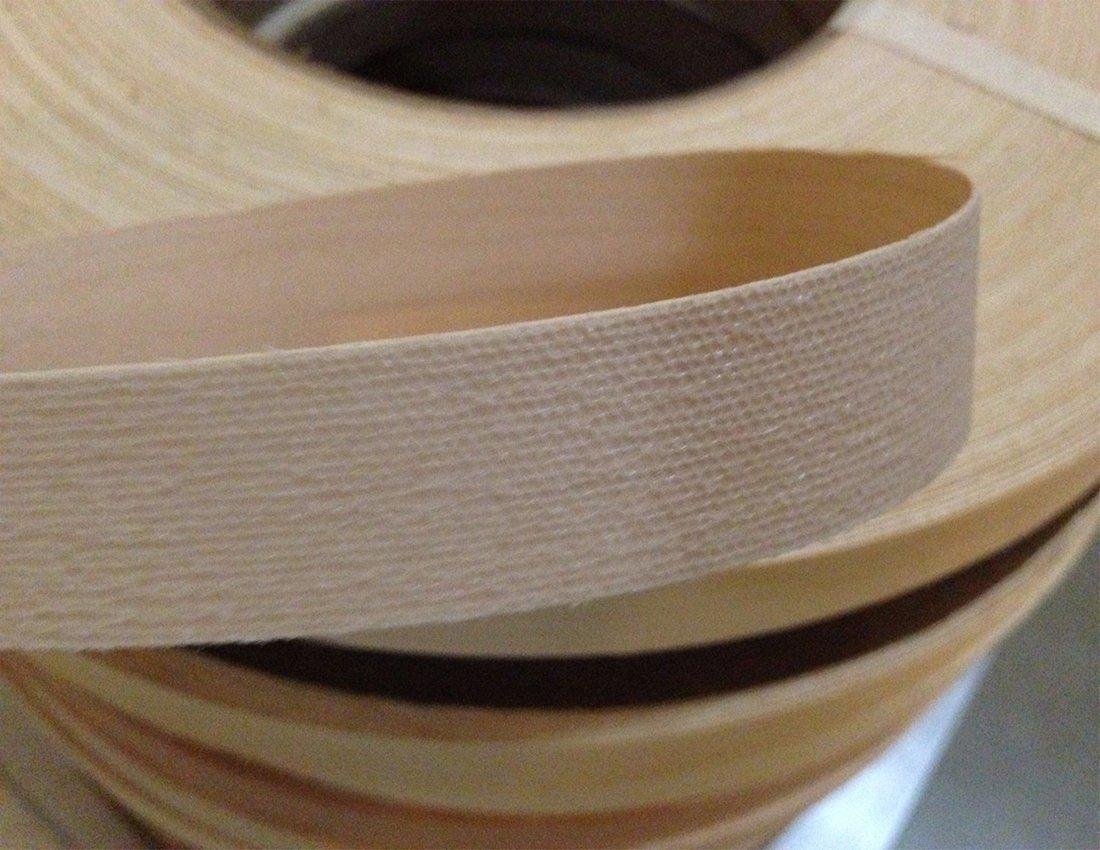
In our shop, the biggest win with this edge Supply roll is that it’s truly set up for fast, repeatable edge work: 3/4 in x 50 ft of real “A” grade White Oak veneer with German-engineered pre-applied hot melt adhesive. That glue layer matters in day-to-day use because it takes the “spread glue, clamp, wait, scrape” routine off the table—multiple reviewers echo that it’s “super easy to install” with a household iron or even a heat gun, and that it bonds “smoothly with no bubbling or peeling” when the heat is right.We also appreciate that it comes finely sanded, so after trimming the overhang we can move straight into finish sanding and topcoat without first fighting torn grain or glue bumps. On long runs (shelves, cabinet gables, drawer parts), customers repeatedly mention it being straight on the edge instead of curling off the roll—an underrated feature that makes alignment easier when we’re trying to keep the grain looking consistent from part to part.
From a practical technique standpoint,this tape rewards a simple workflow: preheat the iron,tack the first few inches,then work in short sections while using a wood block or roller to press the veneer down as the adhesive is molten. Because the veneer is reported by some to be “pretty thin”, we’d treat trimming like finish work—sharp knife/edge trimmer, light passes, and sanding with a block to avoid sanding through at corners. That said, reviewers also highlight that the color and grain are consistent, the splices are clean and hard to spot, and it takes stain, paint, and polyurethane beautifully—all things we care about when we want the edging to disappear after finish. It’s also marketed as compatible with plywood, MDF, particleboard, hardboard, wood, and even metal, which is handy when we’re dressing up shop-built jigs or melamine/MDF cabinets. one recurring reality check from customers is that 50 ft goes by quickly, so for whole kitchens or built-ins we’d plan coverage ahead of time.
- Included accessories: None (roll only: 3/4 in x 50 ft)
- Compatible attachments/accessories: Household iron, heat gun, edge banding machine, veneer roller/wood block, edge trimmer, utility knife, scissors, sanding block
- ideal project types: Cabinet carcasses, drawer boxes, shelving, IKEA-style panels/trim, furniture panels, DIY built-ins, benchtop edging touch-ups
- Wood types tested by customers: Poplar plywood, maple plywood, white oak plywood/bench top
| Spec / Feature | What We’ll Notice in the Shop |
|---|---|
| Width | 3/4 in—best when your panel thickness is a true 3/4; less trimming than 1 in, but less forgiveness if your plywood runs fat |
| Length | 50 ft—great for a few builds; customers note it can disappear fast on larger jobs |
| Adhesive | Pre-glued hot melt—iron/heat-gun friendly; reviewers commonly cite easy bonding and clean results |
| Surface prep | Smooth sanded finish—faster to finish after trimming; less risk of telegraphing scratches under clear coat |
| Made in | USA—a noted buying point in reviews |
| Accessory / tool | Purpose | Notes |
|---|---|---|
| Household iron | Activates hot melt adhesive | Work in short passes; press firmly as the glue cools |
| Heat gun | Localized heating for tricky spots | Reviewers report good adhesion using a heat gun |
| Edge trimmer / utility knife | Flush trimming | Thin veneer benefits from sharp blades and light cuts |
| Roller / wood block | Pressure for a tight bond | Helps prevent bubbles and ensures full glue contact |
| Capacity Context | Recommended (Best Practice) | Actual (Based on Specs) |
|---|---|---|
| Panel thickness match | Buy slightly wider than the panel for easy flush-trim | 3/4 in width—ideal for true 3/4 edges; tighter tolerance than 1 in options |
| Moisture exposure | Apply a protective finish on edges near sinks/humidity | Unfinished veneer; reviewers note you’ll want finish where moisture is present |
See Full Specifications & Customer photos
Ease of Use for Beginners and Pros from Iron On to Flush trim

For beginners, this Edge Supply roll is about as low-friction as veneer edging gets: we’re working with a 3/4 in x 50 ft roll of real “A” grade White Oak veneer with a pre-applied hot melt adhesive, so setup is basically cutting to length, aligning, and heating. In our shop, the learning curve is more about heat control than “skill”—multiple reviewers echo that it’s “super easy to install” and that a regular household iron is enough, while others report strong results using a heat gun. The roll being straight comes up repeatedly in customer themes, which matters on long cabinet sides where some brands “memory-curve” and fight alignment.We also appreciate that it arrives smooth sanded and on a sturdy internal paper core, which keeps it tight and manageable when we’re feeding out long runs.
For pros (or anyone chasing pro-looking edges), the “iron-on to flush trim” workflow is swift and repeatable: heat-and-press in short sections, follow with firm pressure while the glue is still hot (a wood block works), then flush-trim once it cools. Reviewers consistently describe a clean, professional finish with no bubbling or peeling when the surface is prepped and the adhesive is fully activated, and several note the veneer’s consistent color and grain with clean, hard-to-see splices. The main nuance we see in feedback is that the veneer is on the thinner side compared to some local supplier stock—still workable, but it nudges us toward a sharp blade, light trimming passes, and careful sanding so we don’t burn through. Once trimmed, customers report it takes stain, paint, and polyurethane well, but since it’s unfinished, we’ll want to topcoat anywhere moisture is a concern (especially kitchens and laundry builds).
- Included accessories: None (roll only; pre-glued hot melt adhesive already applied)
- Compatible attachments/accessories: Household iron, heat gun/heat blower, edge banding machine, edge banding trimmer, utility knife, scissors, sanding block
- Ideal project types: Cabinet boxes and doors, drawer edges, shelving, furniture panels, IKEA-style kitchen fillers/trim, DIY plywood projects
- Wood types tested by customers: Poplar plywood, 3/4 in maple plywood, white oak plywood, white oak butcher/bench tops
| Spec / Feature | What It Means in the Shop |
|---|---|
| Size: 3/4 in x 50 ft roll | good for narrower edges and repeated parts; measure your linear footage—reviewers note 50 ft goes quickly on bigger builds. |
| Adhesive: Pre-applied hot melt | Fast submission with an iron/heat gun; focus on even heat and pressure to avoid lift at ends. |
| Material: “A” grade White Oak veneer | Real-wood look; can be stained/finished to match surrounding parts. |
| Finish: Smooth sanded (unfinished) | ready to topcoat; seal for moisture-prone areas (a common reviewer reminder). |
| Versatility: Bends around flat/curved surfaces | Useful for gentle curves and wrapped trim; take it slow on tight radii. |
| Accessory | Role | Beginner-Friendly? |
|---|---|---|
| Household iron | Primary heat source for activating hot melt glue | Yes |
| Heat gun / heat blower | Quick spot-heating, helpful on longer runs or awkward assemblies | Moderate (easier to overheat) |
| Edge banding trimmer | Flush trimming both sides consistently | Yes |
| Utility knife + sanding block | Budget trimming/cleanup, especially at corners and end grain | Moderate |
| Category | recommended (Best Practice) | What We See in Real Use / Reviews |
|---|---|---|
| Heating method | Iron for even heat; roll/press while hot | Reviewers succeed with household iron and heat gun; strong bond when fully heated. |
| Trimming | Dedicated edge trimmer or very sharp knife, light passes | “Easy to cut with scissors” for rough length; thin veneer rewards careful flush-trim to prevent tearout. |
| Finishing | seal with poly/lacquer where moisture is present | Customers report it takes stain/paint/poly well, but it’s unfinished out of the box. |
See Full Specifications & Customer Photos
Customer Reviews Analysis
What Woodworkers are saying (Review Analysis)
| Aspect | Common Feedback |
|---|---|
| Overall Sentiment | Strongly positive—most reviews emphasize “professional-looking” edges with straightforward application. |
| Performance / Results | Clean finish, realistic grain, smooth look after trimming; adhesive bonds well with minimal bubbling. |
| Build Quality | Consistent grain and straight roll; adhesive amount described as “appropriate.” A few note the veneer is thinner than some suppliers. |
| Ease of Use | Beginner-friendly—works with a household iron or heat gun; easy to cut and trim. |
| Project Fit | commonly used for cabinets, drawers, plywood edge cleanup, and IKEA kitchen panel/trim matching. |
| Limitations | 50 ft can run out fast; color undertone differences across widths; unfinished veneer needs topcoat in damp areas. |
1.Overall sentiment from woodworking customers
Overall sentiment is overwhelmingly positive.Several woodworkers mentioned it produces a clean, “professional” edge with minimal fuss, and multiple reviews highlight how hard it is to tell it’s veneer once installed.“Easy to use,” “looks great,” and “highly recommend” are recurring themes, with extra gratitude noted for it being made in the USA.
2. Performance feedback (accuracy, power, results)
as this is edge banding, “performance” shows up primarily as bond quality and final appearance. Common praise includes:
- Clean,consistent finish that makes plywood projects look “professionally done.”
- Smooth application with no bubbling or peeling, even using a basic household iron; one reviewer also reported excellent results using a heat gun.
- Good color/grain consistency—reviewers frequently mention realistic woodgrain and a strong visual match to common sheet goods (including poplar plywood and white oak plywood).
One woodworker summed up the installed look as being “hard to tell that it was a veneer.”
3. Build quality and durability observations
Multiple reviews highlight consistency and manufacturing quality:
- Straight roll/not “memory-curled”: one reviewer specifically contrasted it with other brands that uncoil with a noticeable curve, making long runs difficult. Hear, “very straight” banding was praised for long edges.
- Adhesive performance: several woodworkers mentioned the adhesive bonds strongly but isn’t overly messy—described as “an appropriate amount.” One reviewer noted no delamination after a few months, which is a meaningful durability datapoint.
- Splices: reviewers called out clean,discreet splices and said they were hard to see unless you looked closely.
Main build-quality downside: some users reported challenges with veneer thickness, calling it “pretty thin” compared to material from local hardwood suppliers—tho they still considered it a “good product” overall.
4. Ease of use for different skill levels
Beginners and DIYers seem especially happy with the learning curve:
- Beginners appreciated the straightforward setup, with one user calling it their first veneer project and saying it “turned out amazing.”
- Simple tools: customers report success using a household iron, scissors for cutting, and a utility knife/edge trimmer for cleanup. One reviewer noted it was “easy to cut with scissors,” which is a strong usability win for quick shop workflows.
- Practical sizing tip from a reviewer: for 3/4″ plywood, buying 1″ wide edge banding provides overlap for easier trimming to a flush edge.
5. common project types and success stories
Customers successfully used this for a range of typical woodworking and DIY builds:
- Cabinets: “My husband used this on a cabinet he was building,” with impressive results.
- Drawer boxes: one woodworker used it on 3/4″ maple plywood drawer edges and said it matched solid maple drawer faces and “isn’t going to come off.”
- Plywood edge cleanup: multiple reviewers used it to cover exposed plywood edges for a cleaner furniture-grade look.
- IKEA kitchen customization: one review highlights using it for custom cut trim within an IKEA kitchen, matching IKEA’s white oak cabinetry well.
- Benchtop/trim match: “great match with the white oak bench top I made.”
6. Issues or limitations reported
A few realistic limitations came up repeatedly enough to plan around:
- Veneer thickness: some experienced users noted it’s thinner than other sources. If you’re heavy-handed with trimming/sanding, you may need to be more careful.
- Color undertone differences: one reviewer warned that Edge Supply’s white oak banding can vary by width—specifically that 3/4″ reads more red, while 2″ had more of a khaki undertone. Worth noting if you’re mixing widths on the same project.
- Unfinished wood: at least one review notes it’s unfinished,so in moisture-prone areas you’ll want to apply a protective topcoat.
- Coverage: “50 feet goes by quickly,” with one customer planning to buy in bulk next time—so larger cabinet runs may require multiple rolls.
the review set paints this as a dependable, beginner-friendly white oak edge banding that delivers strong adhesion and a convincing wood look—particularly well-suited to cabinetry, drawers, and plywood furniture—so long as you plan for finishing and keep expectations realistic about veneer thickness and roll length.
Pros & Cons
Pros & Cons
| Pros (What worked for us) | Cons (What we had to watch for) |
|---|---|
| Real White Oak veneer look — the “A” grade veneer reads like actual wood (as it is indeed), so our edges didn’t scream “afterthought.” | Color matching can take work — White Oak varies naturally, so some boards may need stain/finish blending to match perfectly. |
| Pre-glued hot melt adhesive — the iron-on process felt straightforward, and the bond was confident once we got our heat right. | Heat control matters — too hot and we risk scorching; too cool and we don’t get a full bond. There’s a small learning curve. |
| Long roll (50 ft) — great for batch projects; we could edge multiple shelves/parts without constantly reordering. | Potential waste on tiny jobs — if we only need a few feet, a 50 ft roll can be more than we realistically use. |
| Smooth sanded finish — it arrived ready to finish; we weren’t forced into heavy sanding just to get it presentable. | Still needs careful trimming — clean edges depend on our tools and technique; rushing the trim can lead to tear-out. |
| Flexible on curves — it handled gentle curves better than rigid edging, which helped on non-square DIY pieces. | Tight radii can be tricky — sharper curves may require extra patience, pressure, and trimming finesse to avoid lifting. |
| Broad compatibility — we like that it’s intended for plywood, MDF, particleboard, and more, so it fits how we actually build. | Surface prep is non-negotiable — dusty or rough substrate edges can reduce adhesion,so we had to prep well. |
| Made in the USA — a nice plus for our buying preferences and consistency expectations. | Finishing is on us — to make it truly “disappear,” we still need to stain/clear coat to match the project. |
- Best for us when: we’re edging plywood/MDF furniture parts and want a real-wood edge that can be finished to match.
- not our favorite when: we need a perfect out-of-the-box color match or we’re doing a one-off project where a smaller roll would be more practical.
Q&A

Is the adhesive strong enough for hardwood projects (like white oak, maple, or walnut)?
Yes—this tape comes with a pre-applied (German-engineered) hot melt adhesive designed to make a strong, permanent bond when properly heated and pressed. In reviews, woodworkers report it sticking well on 3/4″ maple plywood and matching solid hardwood parts without lifting, and some note no delamination after months of use. Like any iron-on banding, bond strength depends heavily on clean substrate, adequate heat, firm pressure, and letting it cool before trimming.
How dose it perform on plywood, MDF, and particleboard edges?
It’s specifically suited for sheet goods. The product listing calls out compatibility with plywood, MDF, particleboard, and hardboard, and multiple reviewers mention excellent results on 3/4″ plywood edges (including big-box poplar plywood and maple plywood). For best results on porous edges (MDF/particleboard), make sure the edge is smooth and dust-free; a quick sanding pass and thorough cleanup improves adhesion and reduces “dry spots.”
Do I need a special edge banding machine, or can I apply this with a household iron?
You don’t need a machine. This is a pre-glued iron-on veneer tape that can be applied with a household iron, a heat gun/heat blower, or an edge banding machine. Reviewers commonly use a regular clothes iron and describe the process as quick and straightforward (align, heat, press). A machine can speed things up for repetitive work, but it’s not required for clean, durable results.
what’s the learning curve—can a beginner get professional-looking edges?
It’s very beginner-friendly as there’s no glue spreading or clamping—heat activates the adhesive. Several reviewers mention it was their first veneer/edge-banding project and that it produced a clean, professional look. The “skill” part is mostly technique: keep the tape aligned, use steady heat, apply firm pressure, and trim carefully after it cools to avoid tearing the thin veneer.
Is the veneer thick and durable, or is it on the thin side?
This is real wood veneer, sanded smooth, but some users do describe it as thinner than banding from a local lumber supplier.The upside is it bends and conforms easily and trims cleanly; the limitation is you shouldn’t plan on aggressive sanding to fix mistakes. Aim for careful trimming (sharp knife/edge trimmer) and light final sanding to avoid sanding through.
Will it wrap around curves or just straight, flat panels?
It’s designed to be flexible and can bend around flat or curved surfaces, which is helpful for light radii and furniture parts. For tight curves, a heat gun can make positioning easier. If you’re doing very small radii, test on a scrap first—real wood veneer has limits compared to PVC edging.
Is 3/4″ width the right size for 3/4″ plywood, and should I buy wider for easier trimming?
3/4″ is intended to match 3/4″ panels, but many woodworkers prefer buying a slightly wider tape (like 1″) so there’s intentional overhang on both sides that you can flush-trim. One reviewer specifically recommended buying 1″ for 3/4″ plywood for easier, cleaner trimming. If your plywood measures undersized (common) or your edge isn’t perfectly square, a wider tape is often more forgiving.
Can this handle small production runs, and does the roll stay straight and usable for long edges?
For cabinet batches and repetitive projects, it’s a solid choice: the roll comes on a paper core to keep it tight/straight, and reviewers mention it unrolls straighter than some competing brands (less “memory” curve), making long edges easier. Also note the practical limit: 50 ft can go quickly on a larger build,and several buyers mention moving to longer rolls for higher-volume work.
Unleash Your True Potential
The Edge Supply White Oak Edge Banding Tape is a 3/4 in x 50 ft roll of real “A” grade white oak veneer with a smooth, sanded face and pre-applied German-engineered hot melt adhesive. It’s made in the USA, stores neatly on a paper core, and installs with a household iron, heat gun, or edge banding machine. Across customer feedback, the common themes are easy application, clean seams, strong adhesion with minimal bubbling, and a convincing wood-grain look—though some note the veneer is on the thinner side and that 50 ft can disappear fast on bigger builds.
Best for hobby woodworkers with small to medium projects, DIY furniture upgrades, and cabinetmakers who want a fast, tidy way to finish plywood/MDF edges (including curved runs).
Consider alternatives if you need thicker veneer for heavy shaping/sanding, you’re edging high-volume production work, or you want wider tape for 3/4″ sheet goods.
it’s a reliable, professional-looking edge solution with a strong bond—just plan your width and footage carefully.
want to see current pricing and customer photos? View on Amazon & read More Reviews →